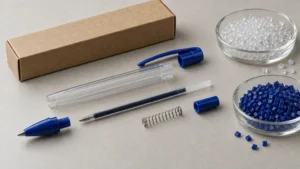

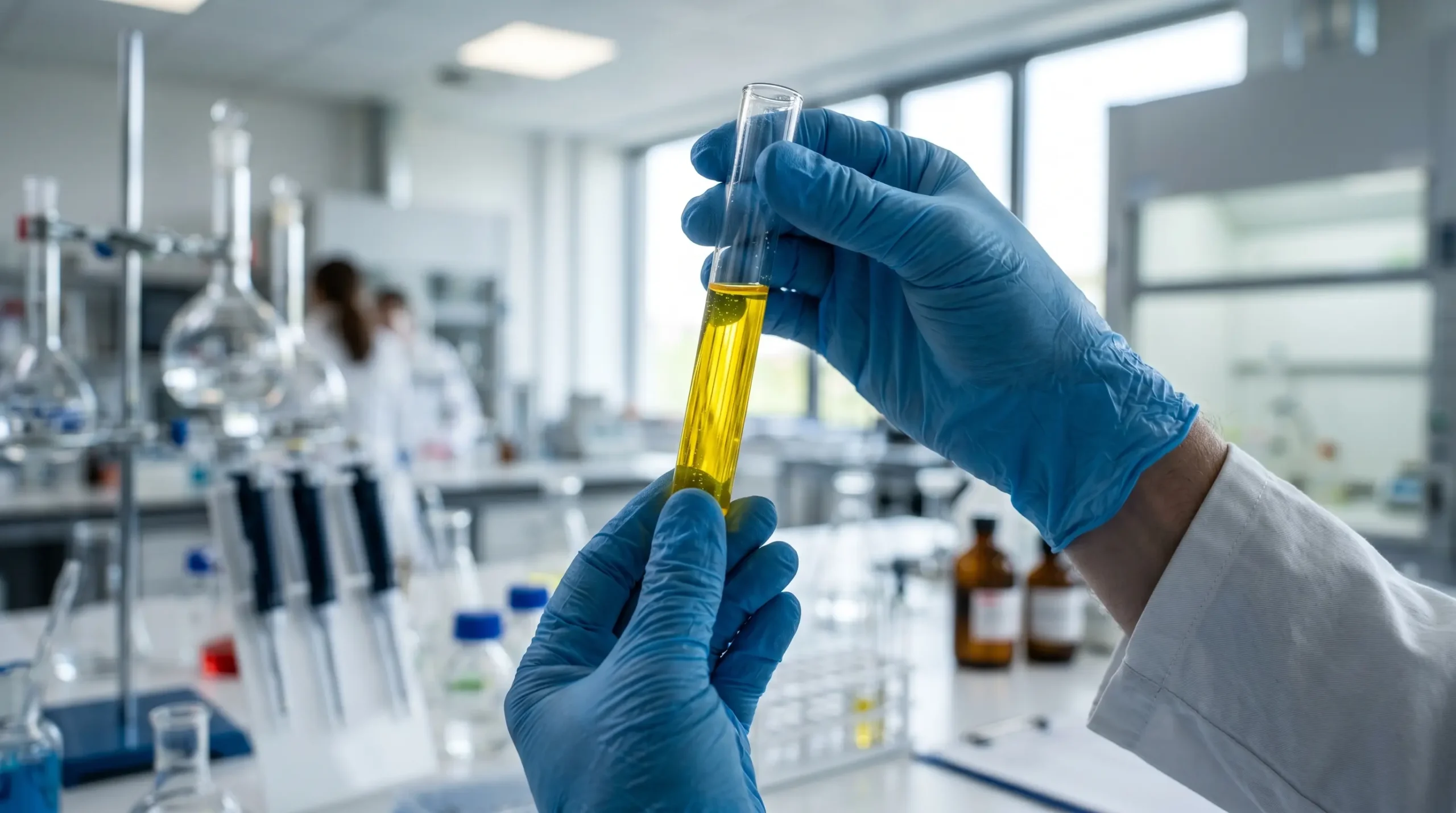
هل تعلم أن الأدوات المدرسية والمكتبية اليومية قد تخفي أحيانًا مواد كيميائية ضارة؟ لهذا السبب فإن اختبار الفورمالديهايد في منتجات الكتابة مهم للسلامة.
تتضمن إرشادات منظمة الصحة العالمية لعام 2010 لجودة الهواء الداخلي لملوثات مختارة الفورمالديهايد. وهي تغطي التعرض في الهواء الداخلي. ولا تحدد حدًا عالميًا للنجاح لمنتجات الكتابة. يجب أن يحدد اختبار المنتج الجزء الذي تم أخذ العينة منه، والمعيار المطبق على المنتج، وطريقة الاختبار المستخدمة.
لحماية المشترين والحفاظ على اسم تجاري قوي، فإن خدمات الاختبار الموثوقة ضرورية.

أهمية اختبار الفورمالديهايد في القرطاسية والمعايير
للحفاظ على سلامة المشترين، وضعت الهيئات الوطنية والدولية قواعد صارمة للأجزاء الضارة في منتجات الكتابة.
بالنسبة للمواد المدرسية ضمن نطاقه، فإن GB 21027-2020 هو المعيار الصيني للمنتج الذي يجب التحقق منه. تعتمد متطلباته على المادة والجزء. يجب تأكيد متطلبات سوق الوجهة بشكل منفصل. لا يُظهر تقرير المعيار الصيني وحده المطابقة لكل سوق تصدير.
من خلال الاختبار وفقًا لهذه المعايير، يُظهر المصنعون التزامهم بالإنتاج الأخضر والآمن وعالي الجودة.
طريقة المختبر: القياس الطيفي باستخدام الأسيتيل أسيتون
تحدد القائمة الرسمية لـ GB/T 32606-2016 طريقة اختبار الفورمالديهايد باسم القياس الطيفي بالأسيتيل أسيتون. اطلب من المختبر ذكر إصدار الطريقة. تأكد من أن خطوات أخذ العينات والاستخلاص مناسبة للجزء المختبر.
المبدأ الأساسي:
تنتج طريقة الأسيتيل أسيتون ناتج تفاعل ملونًا. يقارن المختبر امتصاصيته مع محاليل معايرة. يجب على المختبر اتباع تحضير الكاشف المحدد، والاستخلاص، والتفاعل، وظروف القياس. هذه النظرة العامة ليست المعيار الكامل. كما أنها ليست إجراءً معمليًا.
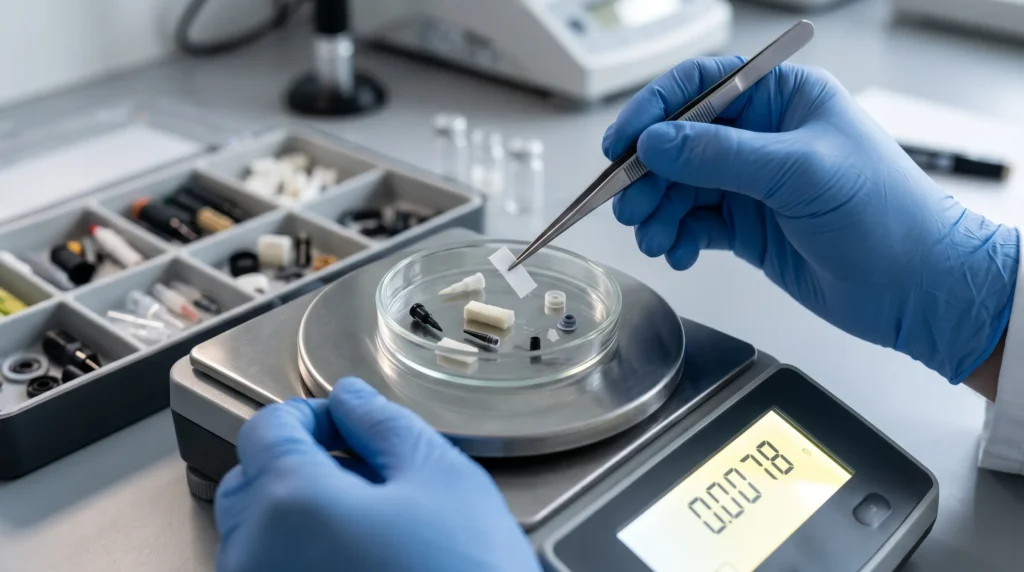
ما الذي يجب التحقق منه في تقرير المختبر
استخدم هذه النقاط الأربع لمراجعة التقرير مع المختبر. تحدد طريقة الاختبار الكاملة كتلة العينة، وظروف الاستخلاص، وأحجام الكاشف، وزمن التفاعل، ونطاق المعايرة. لا تستنتج ذلك من مقال عام عن التوريد.
1. تحضير العينة
حدد الطراز والجزء والمادة التي تم أخذ العينة منها. اسأل كيف تم تحضير الجزء واستخلاصه وفقًا للطريقة المذكورة. تأكد من أن التقرير يذكر العينة، وليس منتجًا أو دفعة مختلفة.
2. التفاعل اللوني
تحقق من أن المختبر اتبع الطريقة المذكورة لتحضير الكاشف والتفاعل وقراءة الامتصاصية. اطلب التوضيح إذا لم يذكر التقرير الطريقة أو وصف إجراءً معدلاً.
3. إنشاء المنحنى القياسي
اسأل كيف تم تحديد نطاق المعايرة والفراغ الطريقة. اسأل ما إذا كانت نتيجة العينة تقع ضمن نطاق القياس المفحوص. الطريقة المطبقة، وليس مقالًا عامًا، هي التي تحدد مستويات المعايرة.
4. قراءة النتائج
اقرأ القيمة المبلغ عنها مع وحداتها، وحد الكشف أو الكم، وحد النجاح المطبق. القيمة الأقل من حد الإبلاغ يجب قراءتها كما وردت. لا تعتبرها دليلًا على عدم وجود الفورمالديهايد.
صيغة الحساب النهائية
التعبير أدناه يُظهر تغيير الوحدة فقط عندما يكون c مصححًا للفراغ مسبقًا ويُحسب التخفيف الإضافي. الطريقة الكاملة وحسابات المختبر تحكم النتيجة المبلغ عنها. هذا التعبير ليس الإجراء الكامل لـ GB/T 32606.
x = (c × f) / m
- x = كمية الفورمالديهايد الحر في العينة (ملجم/كجم)
- c = التركيز المصحح للفراغ، مع احتساب أي تخفيف إضافي (ميكروغرام/مل)
- f = الحجم الذي تم تخفيف سائل العينة إليه (مل)
- m = الكتلة الدقيقة للعينة الأصلية (جم)
تحقق من فراغ الطريقة، وعوامل التخفيف، ووحدات الإبلاغ مع المختبر. تصحيح الفراغ وحده لا يعني أن الإجمالي دقيق.
اختبار موثوق لراحة بالك
الحفاظ على سلامة المنتجات ليس فقط عن القانون. إنه عن حماية عملائك.
اختر مختبرًا يغطي نطاق اعتماده الحالي الطريقة المطلوبة. تحقق من جهة إصدار التقرير، واسم العينة، والنطاق مباشرة. هذه المقالة لا تحدد الاعتماد الحالي أو نطاق أي مختبر مذكور.
بالنسبة لأقلام التحديد ومنتجات الكتابة الأخرى، يسجل تقرير الاختبار العينة والطريقة والنتائج. قارن تلك النتائج مع احتياجات المنتج المطبقة. الاعتماد لا يعني أن كل نموذج أو جزء أو دفعة غير مختبرة خالية من الأجزاء الضارة.
الدليل ذو الصلة: كيفية قراءة تقرير اختبار ASTM D-4236 لأقلام التحديد الأكريليكية.
قراءات ذات صلة
- ما وراء “غير سام”: الحقيقة الخفية حول حبر العلامات الآمن غذائيًا للأطفال
- معايير جودة أقلام الرصاص الملونة والاتجاهات المستقبلية: ما تحتاج إلى معرفته
- دليل قلم التحديد الصالح للأكل
- دليل مواد السبورة الكلاسيكية
- دليل حبر أقلام السبورة الجافة
- دليل إزالة بقع أقلام السبورة الجافة
- إزالة علامات القلم الدائم من البلاستيك
Why Formaldehyde Still Appears in Stationery
Formaldehyde is not added to markers on purpose. It arrives as a residual from three sources: adhesives in packaging, preservatives in water-based ink, and finishes on wooden or paper components. In each case the amount is small, but the regulatory limit is also small, and the test measures what is present rather than what was intended.
The adhesive route is the most common. Casein and urea-formaldehyde glues are cheap and strong, which is why they still appear in some cartons and laminated boards. A marker itself may pass while the display box it ships in does not.
The ink route matters for water-based formulas. Some preservative systems release formaldehyde slowly as they break down, which is why a freshly mixed batch can pass and a batch tested after six months in a warehouse can fail. That is not a manufacturing defect in the usual sense; it is a formulation choice with a time dimension.
How the Acetylacetone Method Works
GB/T 32606-2016 specifies acetylacetone spectrophotometry as the formaldehyde test method. The procedure runs in four stages.
Extraction. The sample is placed in water at a controlled temperature for a set period. Formaldehyde migrates into the water. The extraction time and temperature are specified, and changing either one changes the result.
Reaction. Acetylacetone reagent is added. In the presence of ammonium acetate, formaldehyde reacts to form a yellow compound, 3,5-diacetyl-1,4-dihydrolutidine. The reaction needs a fixed time and temperature to complete.
Measurement. The solution is read in a spectrophotometer at 412 nanometers. Absorbance is proportional to formaldehyde concentration within the calibrated range.
Calculation. Concentration is derived from the calibration curve, corrected for the blank, and converted to milligrams per kilogram of sample.
The formula only works when the blank is properly corrected and any additional dilution is counted. A report that quotes a number without stating the method edition, the extraction conditions, and the blank value is not reproducible.
Reading a Report: What the Numbers Mean
Three numbers matter on a formaldehyde report: the result, the limit, and the detection limit.
The result should be expressed in mg/kg with the measurement uncertainty stated. A result of 15 mg/kg with an uncertainty of plus or minus 3 is a different statement from 15 mg/kg with no uncertainty given.
The limit depends on the destination market and the product category. Textile and wood components have their own limits under separate standards; stationery is often assessed against the general consumer goods framework. Confirm which limit applies before comparing a result to a pass threshold.
The detection limit tells you whether the test could actually see a failure. A method with a detection limit of 20 mg/kg cannot demonstrate compliance with a 16 mg/kg limit, no matter what the result says.
Sampling and Extraction: Where Tests Go Wrong
Most false passes and false failures trace to sampling, not to the instrument.
The sample must represent the batch. A single marker taken from the top of a carton is not a batch sample. The correct approach is to composite material from several units, because formaldehyde distribution within a production run is not uniform.
The extraction conditions must match the method. Water temperature, extraction time, and the ratio of sample mass to water volume all affect the result. A lab that shortens the extraction to save time will report a lower number than the method intends.
The tested part must be the part that matters. For a marker, that means the barrel, the cap, the ink, and the packaging assessed separately, because each has a different risk profile and a different limit may apply.
الأسئلة الشائعة
Does passing a formaldehyde test mean the product is safe? No. It means formaldehyde is below the applicable limit for that test method. Other substances are covered by other tests.
How often should formaldehyde be retested? At minimum once per production batch, and again whenever the ink supplier, adhesive supplier, or packaging supplier changes.
Can a factory self-test? It can screen internally, but the report that goes to a retailer should come from an accredited third-party lab with the method edition stated.
What happens if a batch fails? The batch should be held, the source identified — ink, adhesive, or packaging — and the affected lots traced. Retesting the same sample rarely changes the result.
Where Formaldehyde Comes From in the Supply Chain
The test measures what is present, not what was intended. Three upstream sources account for most failures.
Adhesive suppliers. Casein and urea-formaldehyde glues remain cheap and strong, which is why they still appear in laminated boards and some cartons. A marker can pass while the display box it ships in does not. Ask for the adhesive declaration separately from the ink declaration.
Preservative systems in water-based ink. Certain preservatives release formaldehyde as they break down. A freshly mixed batch passes; the same batch tested after six months in a warm warehouse may not. This is a formulation choice with a time dimension, and it is the most common cause of a late failure.
Wood and paper components. Pencil barrels, wooden display stands, and some paper stocks carry residual formaldehyde from processing. These are usually low, but they add to the total when the test composites multiple materials.
The practical implication: test the finished product as it ships, not the individual components in isolation. A composite sample catches the additive effect that single-component testing misses.
Setting a Retest Cadence That Actually Catches Drift
Most programs retest once per production batch, which is not enough to catch a slow drift.
A supplier can change an adhesive vendor, a preservative concentration, or a packaging source without announcing it, and the change shows up three batches later as a failed test. The cadence that catches this has three triggers.
Per batch. A basic screening test on every production run. This is a factory-side control, not a third-party report.
Per quarter. A full third-party report on the current production. This catches drift before it becomes a retailer issue.
Per change. Any change to ink supplier, adhesive supplier, packaging supplier, or formulation triggers an immediate retest regardless of the quarterly schedule. This is the trigger most programs omit, and it is the one that catches the failures that matter.
Put the change trigger in the purchase order, not in a side agreement. A clause that requires notification before any material substitution is enforceable; a verbal understanding is not.