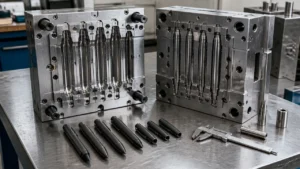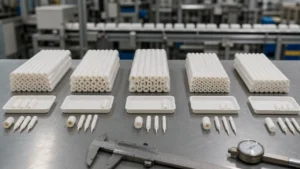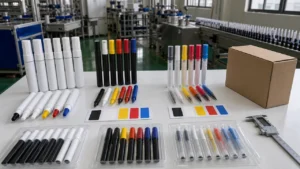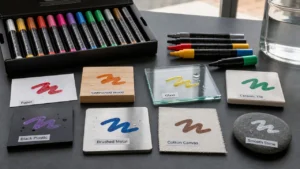
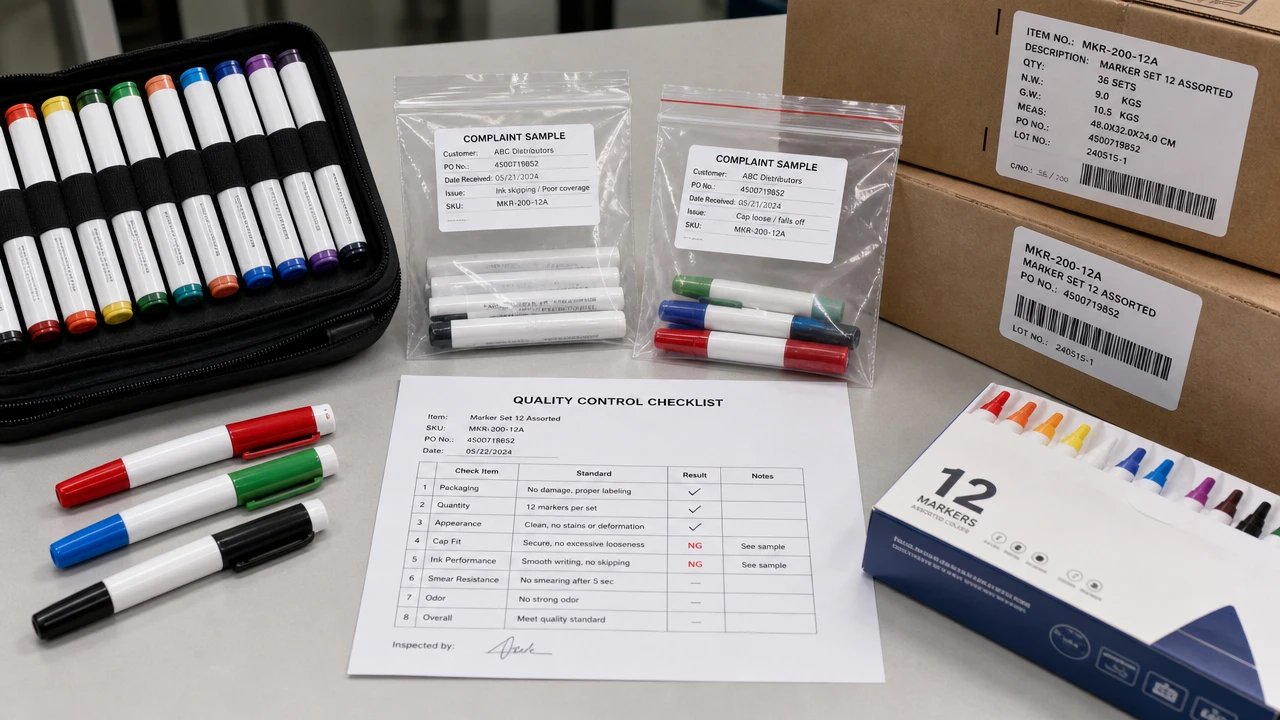
Marker dry-out complaints hurt a distributor because they usually show after the product has moved through the warehouse, channel, and shelf. In this anonymized case, ZH Stationery reviewed dry-out complaints for a distributor. We changed the control flow around cap seal, nib fit, storage risk, and reorder feedback.
This article does not name the buyer or print private complaint numbers. It shows the fix flow. Buyers can use the same method when sourcing markers, comparing a China manufacturer, or preparing an RFQ for private-label sets.
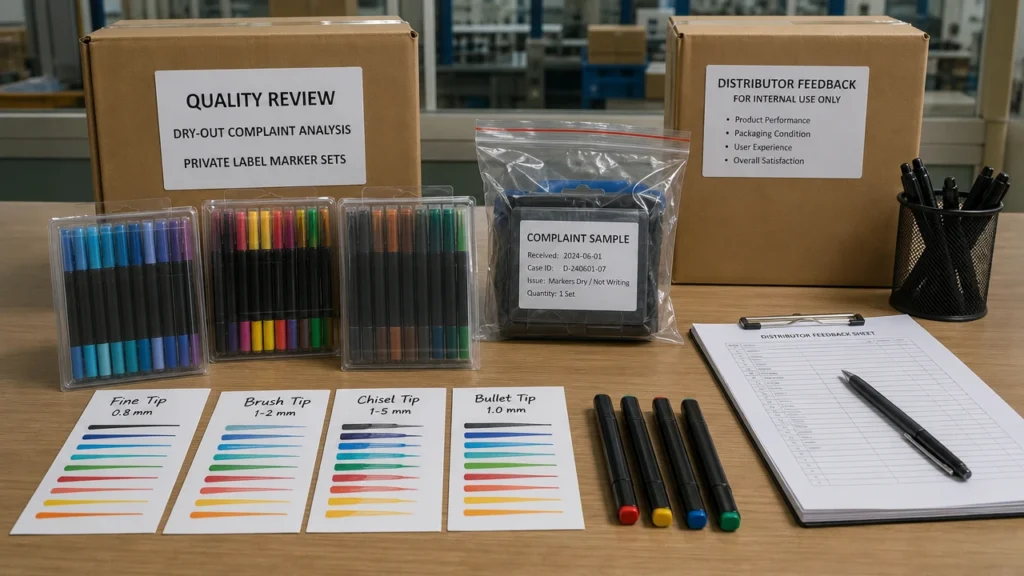
快速解答
We cut repeat dry-out complaints by treating the issue as a finished-product system problem. It was not only an ink problem. The fix plan checked cap seal, nib fit, ink flow, packing pressure, carton handling, storage exposure, and complaint tracking. The biggest change was simple. Every reorder had to tie the buyer complaint, kept sample, production batch, and pre-shipment writing test together.
快速連結
案例背景
The distributor sold sets through a mixed channel. Retail stores. School-supply resellers. Online sellers. The complaint pattern was not dramatic at first. A few customers said some markers felt weak. Then several accounts reported markers that wrote for a short time and stopped. The product still sold in many spots. The distributor needed a cleaner answer before the next reorder.
The first mistake would have been blaming ink right away. Ink matters. Dry-out complaints can come from the cap, nib, barrel, storage time, carton pressure, hot warehouse conditions, or a slow retail shelf. We treated the case as a chain of small risks.
The distributor also needed compliance and marking files for retail review. For US art products, the 藝術材料指引 explains ASTM D-4236 marking hopes. The official ASTM D4236 page covers chronic health hazard marking. Those documents matter. They do not prove shelf performance. We kept compliance review apart from dry-out fixes.
马克笔乾涸客訴的初步診斷
We asked the distributor to send three groups of info. Complaint samples. Unopened kept sets from the same order, if any. The carton or barcode data tied to the complaint lots. That gave the factory team something better than screenshots and customer remarks.
| 要求的證據 | 為何需要 | 幫助我們判斷什麼 |
|---|---|---|
| 客訴樣品 | 顯示筆蓋、笔尖或墨水是否有可見問題 | 缺陷是單一事件還是重複發生 |
| 未開封的留存組 | 區分工厂狀態与零售端處理差異 | 問題是否在到達零售貨架前就已存在 |
| 批號或紙箱標籤 | 將客訴樣品連結到生產批次 | 需要審查哪些批次紀錄 |
| 儲存紀錄 | 顯示熱度、濕度和貨架時間暴露 | 運輸或倉儲條件是否可能造成影响 |
| 受影响的颜色 | 顯示問題是否与特定颜色相關 | 是否只需檢查某一种墨水、某一种笔尖,或整個产品結構 |
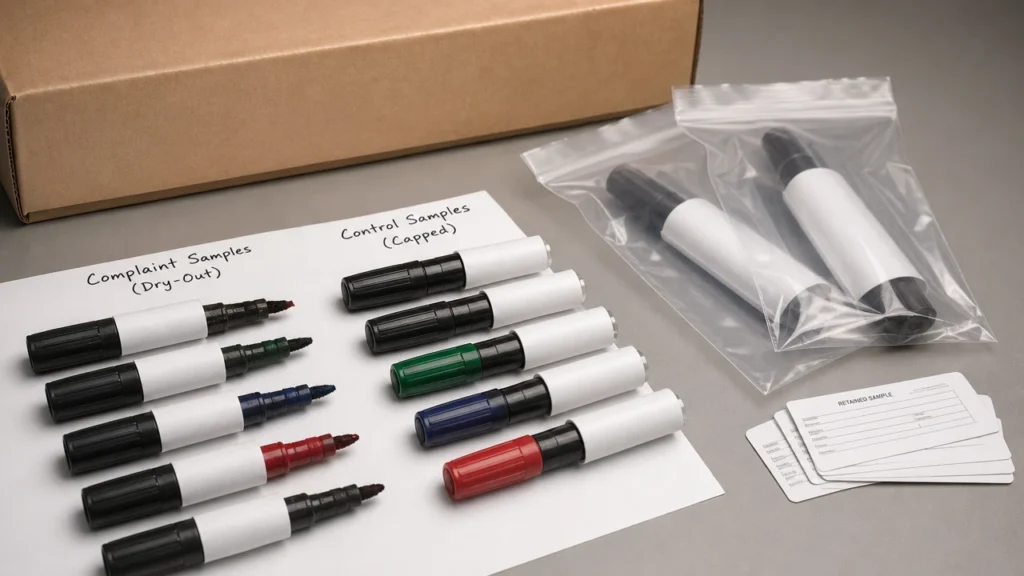
我們檢查的根本原因
Dry-out complaints rarely have one clean cause. In this case, the useful question was not which part failed. It was which part of the system let a weak marker reach the buyer.
筆蓋密封与筆桿密合
A cap can look right and still seal poorly. We checked whether the cap clicked firm. We checked whether the inner cap touched the nib area right. We checked whether cap looseness grew after carton pressure or handling. Small cap-fit changes matter. Water-based and acrylic systems can lose usable flow when the nib area stays open too long.
笔尖密合与墨水流量
A nib that fits too loose may write uneven. A nib that fits too tight may not pull ink at the expected speed. That is why we tied the dry-out review to finished-marker writing tests. We did not check the ink alone. For acrylic projects, the valve press marker technology page is useful background. Valve control changes how ink reaches the tip.
包装壓力与運輸條件
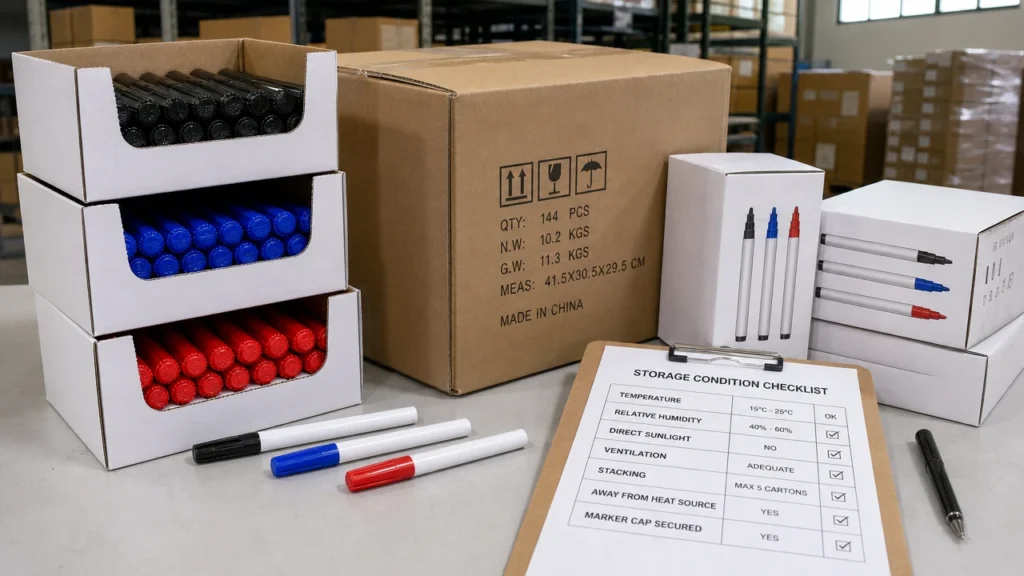
Packing can push caps, bend trays, or expose sets to heat and dryness in storage. The official ASTM D4332 page covers conditioning containers, packages, or packing parts to mimic field states in tests. For normal sourcing, buyers do not need a full lab program for every order. They should know that packing and environment shape complaints.
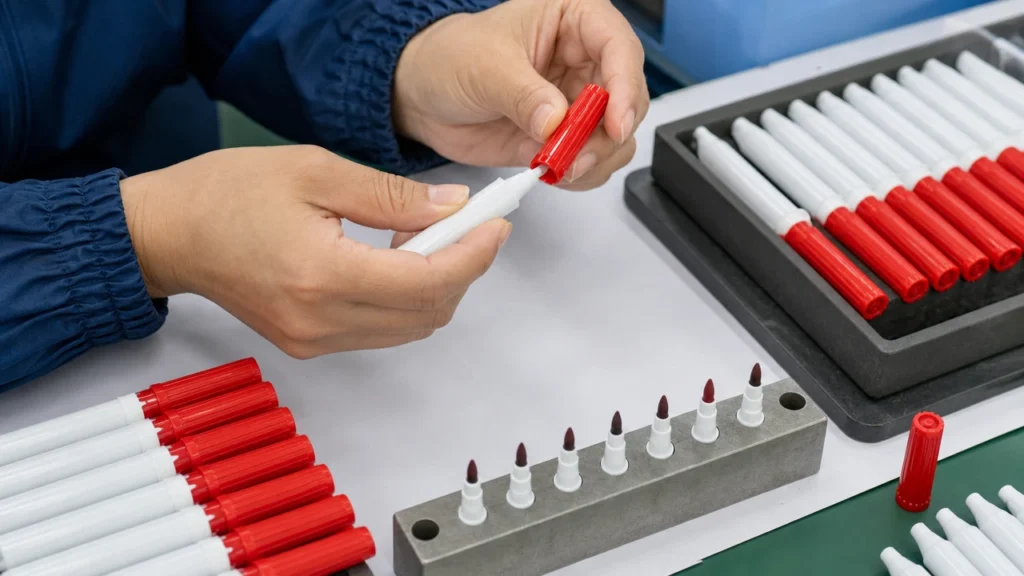
工厂端改善
The fix focused on checks that could repeat on future orders. We did not want a one-time rescue. We wanted a flow the production team and the distributor could use again.
| 改善項目 | 我們增加了什麼 | 买家效益 |
|---|---|---|
| 筆蓋密合抽樣 | 更頻繁檢查筆蓋扣合手感、緊密度和搬運後的密合狀態 | 降低密封不良产品進入紙箱的機率 |
| 笔尖出墨檢查 | 組裝完成並靜置短時間後進行成品书写測試 | 找出外觀正常但书写無力的马克笔 |
| 留樣 | 密封樣品組与生產批次和紙箱標籤綁定 | 加快未來客訴追溯速度 |
| 包装檢討 | 檢查托盤壓力、筆蓋接觸、紙箱堆疊及內包装移動情況 | 減少可預防的運輸及儲存壓力 |
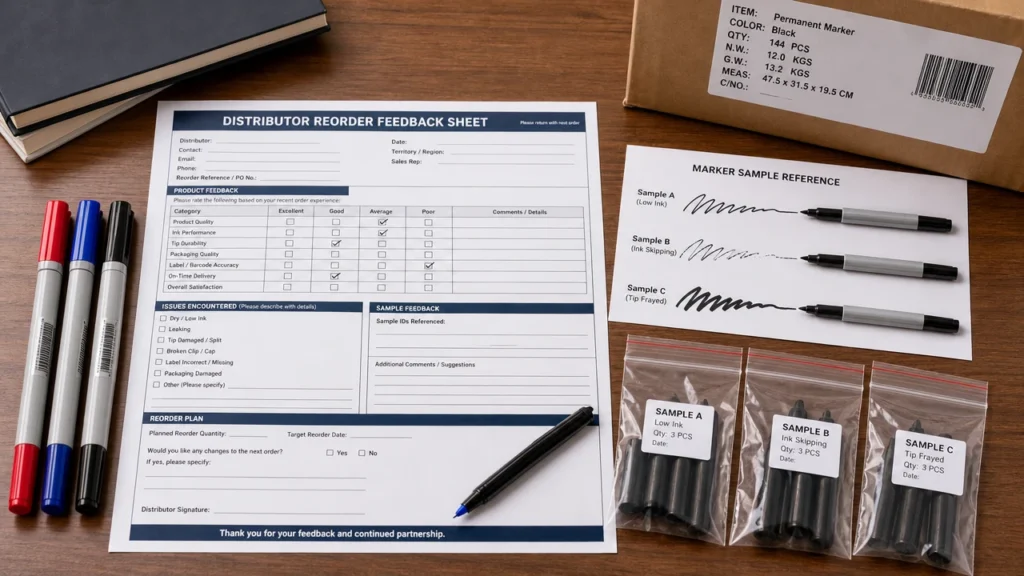
| 客訴回饋表單 | 標準化經銷商紀錄,涵蓋批號、颜色、通路及貨架時間 | 將模糊的客訴轉化為可用數據 |
We also reviewed whether the product group, cap design, and packing format matched the distributor channel. Buyers planning retail sets can tie this step to the acrylic marker packing formats guide 以及 外箱尺寸与 CBM 指南.
經銷商端改善
The distributor also changed its own handling. That part matters. If the supplier fixes factory checks but the buyer stores cartons near heat, opens inner boxes early, or mixes lots without marks, the problem can return.
- 每批出貨保留一組未開封的留存樣品,並標註采购單號及收貨日期。
- 將馬克筆紙箱遠離高溫、陽光直射及過度乾燥的倉儲區域存放。
- 要求業務帳戶在更換庫存前,記錄受影响的SKU、颜色、批號、貨架時間及照片。
- 將乾涸客訴与墨水颜色客訴、漏墨客訴及包装損壞索賠分開處理。
- 將客訴樣品以密封袋寄回,以便工厂在不增加暴露風險的情況下檢查筆蓋及笔尖。
A steady reorder file also helped. The distributor tied complaint notes to the next PO. The new run could then be checked against real field feedback. That is close to the color-consistency reorder flow. Dry-out control just focuses on cap seal, nib flow, and storage instead of color match.
品管檢查清單
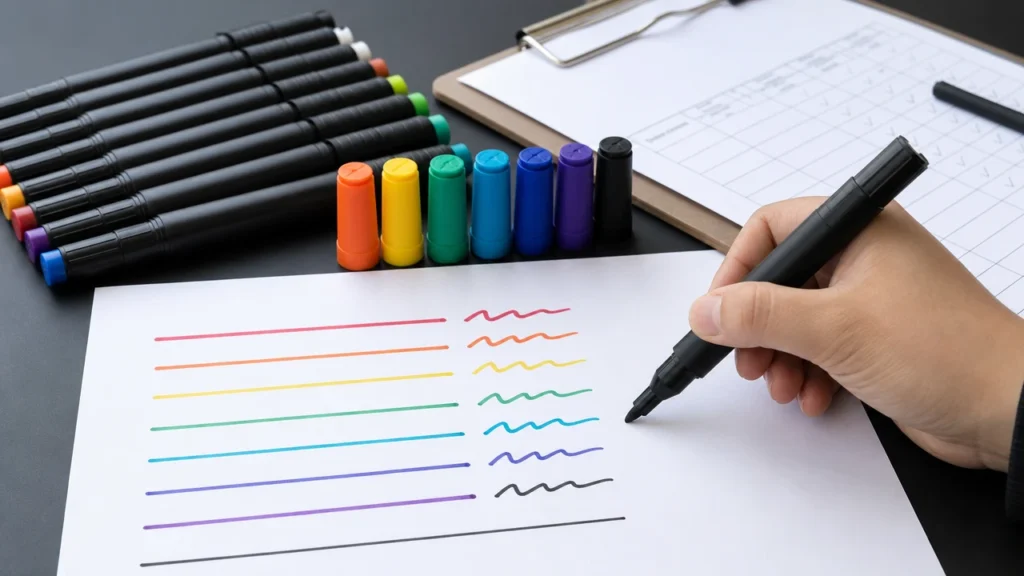
For future orders, we turned the case into a simple QC checklist. The checklist is not a promise. It catches common fail points before the product reaches the distributor.
| 品管要點 | 工厂檢查 | 經銷商檢查 |
|---|---|---|
| 筆蓋密封 | 組裝後及樣品處理後檢查筆蓋密合度 | 收貨後隨機抽檢套裝 |
| 笔尖狀態 | 檢查笔尖位置、濕潤度及书写力度 | 釋出補貨前測試留存樣品 |
| 墨水流量 | 靜置一段時間後书写測試筆画 | 將出墨微弱与完全乾涸的報告分開處理 |
| 包装壓力 | 檢視托盤密合度、筆蓋接觸及紙箱堆疊 | 檢查紙箱是否受擠壓或曾暴露於高溫 |
| 批次追溯性 | 標示留存樣品及紙箱參考編號 | 記錄批號、SKU、通路及客訴日期 |
| 合規文件 | 備妥相關標籤及測試文件 | 勿將合規文件与貨架效能證明混為一談 |
For wider check and compliance context, buyers can review the ASTM D-4236 report guide, ,以及 水彩馬克筆采购指南, 以及 ZH Stationery's certifications page.
結果与限制
After the fix flow ran, the distributor had a cleaner complaint process and fewer repeat dry-out talks on the next order. The useful result was not a marketing number. It was control. The buyer and factory could name the affected SKU. They could compare kept samples. They could check cap and nib state. They could decide whether the issue came from production, packing, storage, or retail handling.
There are limits. No supplier can remove every dry-out risk after months of storage and mixed retail handling. Heat, wetness, shelf time, user behavior, and packing damage all matter. ISO 554 is a useful note that test conditions should be controlled when results are compared. For B2B sourcing, the practical lesson is simpler. Keep the test state steady before judging whether a batch changed.
That is why ZH Stationery treats dry-out complaints as a factory-and-channel problem. Factory checks matter. The distributor's receiving check, storage, and feedback care decide how fast the issue can be traced. Buyers who want to know factory ability can review the 工厂參觀 及 我們是誰 頁面。
提出更好的供應商問題
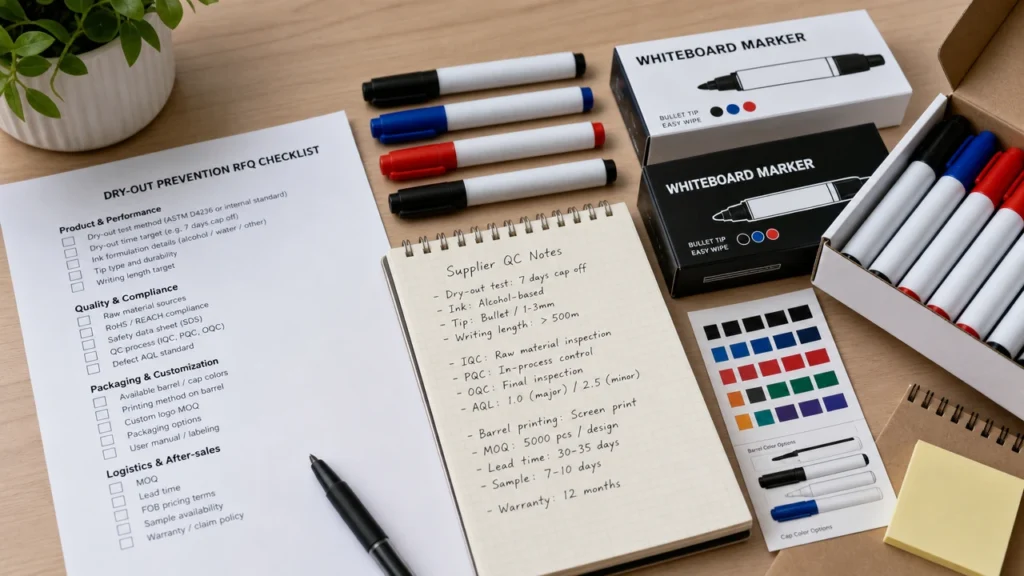
When dry-out risk matters, ask questions that force a supplier to describe the control method. Do not accept only a product pitch.
| 問題 | 有用的回答應包含 |
|---|---|
| 出貨前如何檢查筆蓋密封? | 抽樣方法、檢驗時機及何謂筆蓋鬆脫 |
| 你們測試成品馬克筆還是僅測試墨水樣品? | 成品馬克筆书写測試、靜置時間及受影响颜色規則 |
| 留存樣品如何標示? | 采购單號、SKU、批次日期、紙箱或批號參考及儲存方式 |
| 採用哪些包装壓力檢查? | 托盤密合度、筆蓋接觸、紙箱堆疊及運輸保護檢視 |
| 乾涸客訴應如何通報? | 照片、受影响颜色、批號、貨架時間、儲存紀錄及樣品退貨流程 |
| 哪些變更需要重新核准? | 筆蓋、笔尖、筆桿、墨水配方、包装托盤、零售吊卡或紙箱結構 |
常見問題
These FAQs cover the buyer questions that usually appear after a distributor gets dry-out complaints.
What usually causes dry-out complaints from distributors?
Weak cap seal, poor nib fit, ink loss in storage, damaged packing, long heat or dry-air time, and uneven retail handling. The supplier should check the finished marker, not only the ink mix.
Can a factory promise markers never dry out?
No good supplier should. Dry-out risk depends on design, ink system, cap fit, storage, shipping route, shelf time, and user behavior. A factory can cut preventable risks with cap-fit control, writing tests, kept samples, packing checks, and clear storage instructions.
Should distributors test samples before every reorder?
For repeat programs, yes. A short reorder check can confirm cap fit, nib flow, stroke strength, and packing state before mass production. If the product changed, treat it as a controlled update, not a simple reorder.
What should buyers ask after a dry-out case appears?
Ask for the lot number, production date, carton mark, photos of cap and nib, storage state, shelf time, and whether the issue hits one color, one SKU, or the whole shipment. Without this, the factory cannot trace the likely cause.
Does ASTM D-4236 fix dry-out problems?
No. ASTM D-4236 covers chronic health hazard marking for art products. It is not about cap seal or shelf performance. It matters for compliance. Dry-out control needs design, packing, storage, and QC checks.
防止墨水乾涸的最佳询价單措辭是什麼?
Use specific language. Require cap-fit checks, nib-flow sampling, kept samples, carton guard, storage instructions, and a fix flow for complaints. Avoid vague lines like premium quality or long shelf life unless the supplier defines how they are tested.
結論
Dry-out complaints are easier to cut when buyer and factory stop treating them as isolated customer remarks. The better flow is practical. Collect samples and trace the batch. Check cap and nib fit, review packing pressure, and control storage guesses. Build the next reorder around what was learned.
If you are sourcing private-label markers for a distributor channel, send ZH Stationery the marker type, cap design, packing format, destination market, expected shelf time, and any past complaint notes. The team can turn those notes into a sampling and QC checklist before the next order.
相關指南: 如何在補貨時保持馬克筆颜色一致性.
相關指南: 如何處理客戶對乾燥马克笔或颜色差異的投訴.