

歡迎來到 ZH STATIONERY 的生產核心。作為領先的客製化麥克筆製造商,我們深知全球買家要的不只是標準產品。
他們需要穩定的工廠合作夥伴,能提供一致的品質、成長空間,以及量身打造的 OEM/ODM 解決方案。我們的工廠位於中國桐廬,專為滿足全球品牌的精確規格而建。
中國桐廬是全球知名的製筆之都。多年來,它已發展成為全球書寫供應鏈的重要樞紐。如今市場對品質的要求更高,過去廉價基本的風格已不敷所需,買家現在追求的是優質產品。
作為這個著名地區的領先工廠,ZH STATIONERY 全心專注於高品質專業麥克筆。我們結合桐廬豐富的製造歷史與現代科技,為全球品牌提供世界級的 OEM 和 ODM 服務。
以下是我們如何改變專業麥克筆的製造方式。
1. 優質墨水配方與精密筆尖
市面上許多麥克筆外觀相似,真正的差異在筆的內部。專業藝術家和設計師需要滑順的墨水和精確的色彩。
為了讓您的品牌脫穎而出,ZH STATIONERY 在核心技術上投入大量資金:
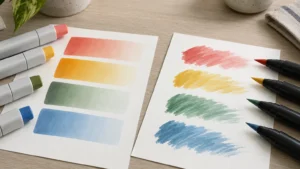
- 先進墨水實驗室: 我們研發高精度的酒精性與水性墨水。我們的標記筆提供明亮、高飽和度的色彩、流暢的混色效果以及持久的性能。
- 高品質筆尖: 無論是大面積的寬鑿形筆尖,還是用於細節的柔軟毛筆尖,我們只使用最優質的組件。這確保墨水流暢輸出,不會漏墨或乾涸。
2. 強大的研發能力,助力您的品牌成長
感謝桐廬當地政府的大力支持與資助,ZH STATIONERY 擁有持續創新的資源。我們不只製造標準筆,更打造書寫的未來。
當您選擇我們作為工廠合作夥伴,您將獲得能快速將想法轉化為產品的供應商。想要 120 色的藝術家套裝?想要新的壓克力麥克筆?想要環保竹製筆桿?我們的研發團隊都能迅速實現。
3. 商定設計所有權和保密性
國外買家最大的擔憂之一是:工廠會不會抄襲我的客製設計?
在 ZH STATIONERY,您的品牌完全受到保護。桐廬已啟動嚴格的智慧財產權保護制度,以支持真正的創作者。
- 完全保密: 我們與所有客戶簽署嚴格的保密協議。
- 當地法律支援: 憑藉本市快速通道的專利保護法規,抄襲行為能迅速被制止。
- 無憂創新: 由於您的設計受到我們工廠規範與當地法律的雙重保護,您可以安全地與我們合作,創造競爭對手無法仿冒的獨特標記筆模具與客製包裝。
與值得信賴的標記筆工廠合作
書寫市場正從「中國製造」轉向「中國智造」。ZH STATIONERY 很榮幸能在專業麥克筆產業引領這項轉變。
您是否正在尋找可靠、高品質的標記筆供應商來升級您的產品線?
準備好提升您的文具品牌了嗎?
合適的工廠合作夥伴是您成長的關鍵。我們很自豪能成為全球客戶首選的訂製麥克筆製造商。我們提供公平的價格,同時不犧牲品質。無論您有可立即生產的設計,還是需要數位打樣協助,我們的團隊都在此為您服務。立即聯絡我們,討論您的 OEM 需求。讓我們將您的麥克筆專案化為現實。
作為桐廬經驗豐富的工廠,我們在每批產品全球出貨前執行嚴格的品質檢查。與我們合作,意味著為您的書寫品牌長期成功建立穩定、高產能的供應鏈。
相關指南: 油漆麥克筆的製造過程.
相關指南: 如需相關合規規劃,請參閱 賦能我們的團隊:ZH STATIONERY 的員工福祉與道德製造.
What a Custom Marker Pen Manufacturer Actually Controls

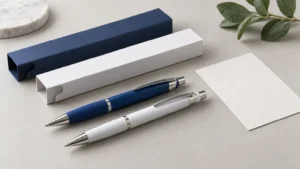
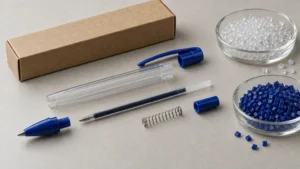
A marker looks simple from the outside. Inside, it is four subsystems that must work together: the ink, the nib, the barrel and cap, and the packaging. When a buyer evaluates a custom marker pen manufacturer, the useful question is not whether the factory can print a logo. It is which of those four subsystems the factory actually controls.
Ink is the hardest to control and the easiest to fake. A factory that buys pre-mixed ink from a third party inherits that supplier’s batch variation. A factory with its own ink lab can tune pigment load, viscosity, drying time, and lightfastness against a target surface. The difference shows up two months after delivery, when Batch 2 does not match Batch 1 on the shelf.
The nib decides how the marker feels in use. Fiber density, tip geometry, and the bond between fiber and binder determine whether a tip holds its shape through 500 strokes or turns mushy by stroke 50. Barrel and cap form a small sealed container. Their job is to stop the ink from evaporating, which is why cap seal should be tested with a closed-storage test, not a cap-off writing test.
Packaging is the fourth subsystem and the one most often treated as an afterthought. A retail card, blister, or display box changes freight volume, pallet configuration, and landed cost per unit. Buyers who approve packaging late usually pay for it twice: once in tooling, once in freight.
Ink Formulation: Where the Real Differentiation Lives

Most marker complaints trace back to ink, not to the pen body. The pigment-versus-dye choice sets the baseline. Pigment sits on the surface, gives opaque coverage, and resists UV fading. Dye dissolves into the carrier, blends smoothly, and produces brighter color at lower cost, but it fades faster and can wick into paper fibers unevenly.
For solvent-based markers, the carrier is usually alcohol with a small balance of wetting agents and release additives. For water-based markers, the carrier is water plus a humectant to slow drying in an uncapped tip. Both systems need a biocide package if the product will sit in a warehouse for months. Skipping that step is how a shipment arrives with mold in the reservoir.
Viscosity is the parameter buyers should ask about by number, not by feel. A difference of 200 cPs between batches is enough to change how a chisel tip lays down color. Factories with in-house ink capability can hold that window. Factories buying pre-mixed ink cannot, because they have no visibility into what changed upstream.
Ask for the ink batch record. A useful one lists pigment lot, carrier lot, viscosity reading, and the date the batch was mixed. If the supplier cannot produce that record for the SKU you are ordering, the batch consistency claim is not verifiable.
Nib Engineering and the Wear Test That Matters
The nib is the most-felt part of a marker and the least-specified in most purchase orders. Fiber density is the first number to pin down. Below 0.30 g/cm3, a tip collapses under repeated pressure and does not spring back. By the 50th stroke the fine end turns soft, and line precision drops off.
Geometry comes next. A bullet tip is predictable but flattens over time. A chisel tip gives three line widths from one nib but depends on a clean grind angle. A brush tip delivers organic variation but is the easiest to fray when the fiber-to-binder ratio is off.
Wear testing should run on the finished marker, not on a bare nib sample. Ask for a 100-meter writing trial on the intended substrate, with line width and color depth measured at the start and at the end. A tip that loses 15 percent of its line width over 100 meters is not ready for a retail program.
Cap retention and drop resistance belong in the same test plan. A cap that releases under a one-meter drop is a return waiting to happen, especially in school channels where bags get thrown around.
Quality Gates Before Shipment
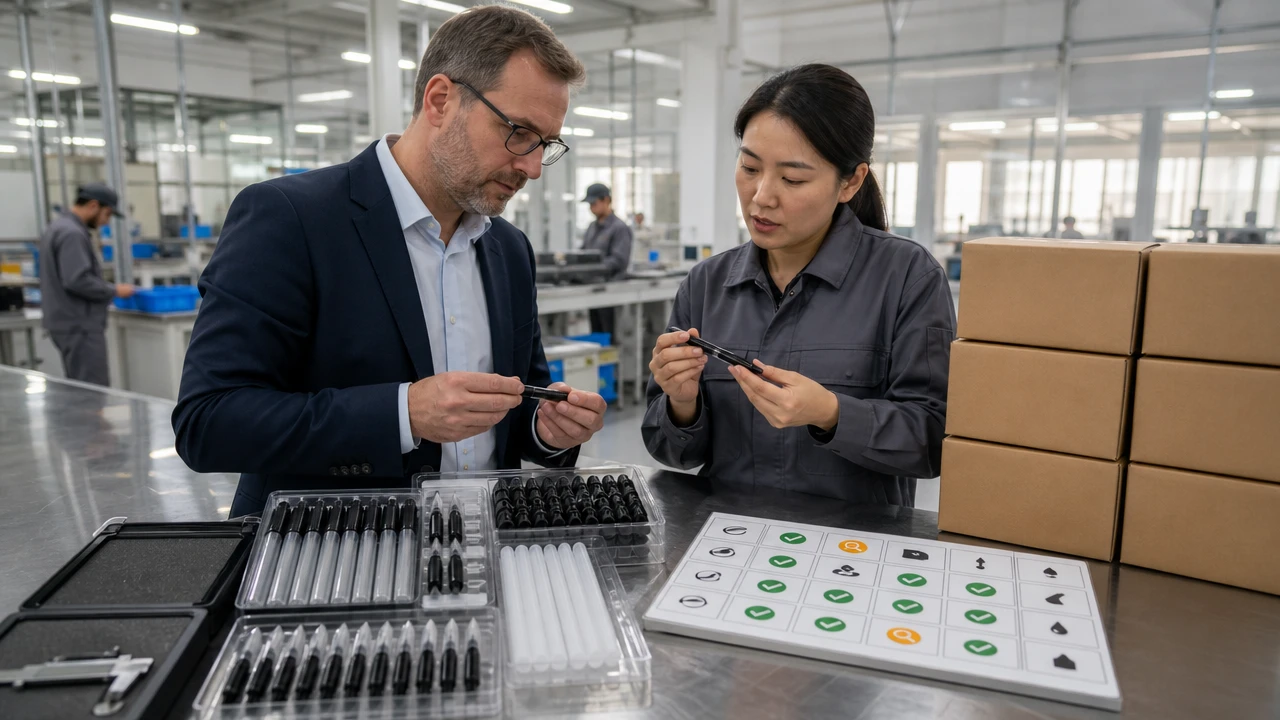
Three gates separate a manufacturing-focused supplier from a trading company. The first is inline inspection. A factory running 100 percent automated inspection checks fill weight, cap torque, and nib retention on every unit as it passes the station. That is a different claim from “we check samples.”
The second gate is statistical sampling on the finished lot. AQL levels should be written into the order: for most retail marker programs, Critical 0, Major 1.5, Minor 4.0 is a reasonable starting point. The buyer should confirm the defect definitions with the plant before production starts, not after a dispute.
The third gate is retained samples. One sealed set from the approved run, plus one from each mass-production batch, labeled with SKU, PO number, production date, ink lot, and nib lot. Without retained samples, a reorder dispute becomes a conversation about memory.
Documentation belongs alongside these gates. For the U.S. market, art materials need ASTM D-4236 conformance with a toxicology review behind it. For Europe, EN71-3 covers heavy metal migration and EN71-9 covers organic compounds. Reports should be current, dated, and name the SKU, not just the factory.
How to Brief a Custom Marker Factory

A brief that gets a usable answer contains seven items: marker type, ink system, tip construction, color count and reference numbers, packaging format, destination market, and forecast annual volume. Send the same brief to every candidate so the quotes are comparable.
Sampling comes next. Ask for a production-line sample rather than a hand-assembled prototype. Line samples represent bulk quality; hand-built samples represent what a technician can do with unlimited time. Test writing smoothness, color match across pens in the set, cap fit, and nib strength under pressure.
MOQ should be quoted by layer. A standard body with a printed logo typically starts lower than a custom mold program, because the tooling is already amortized. Ask separately for the MOQ on a stock body, a custom color, a custom mold, and a full retail set. A single headline MOQ number hides which layer is driving the cost.
Lead time follows the same logic. With existing molds, 25 to 35 days from sample approval is realistic. A new barrel or cap mold adds 15 to 25 days for design, machining, and trial runs. Third-party lab testing adds another 7 to 14 days depending on the lab queue.
常見問題解答
Can you match a specific Pantone color in the ink? Yes, with a caveat. Pantone gives the supplier a target, but the approved ink stroke on the intended substrate is what defines acceptance. A red cap, a red printed label, and a red ink stroke are three separate color problems and should be approved separately.
What is the minimum order for a custom marker program? It depends on the layer. Stock body plus logo starts lower than a new mold. For a fully custom OEM/ODM program, the floor is 50,000 pens per order counted by total individual pens produced; a 12-color pack equals roughly 4,200 sets, not 50,000 of each color.
How do you prevent dry-out during shipping? Cap seal is the first control, followed by fill weight and storage conditions. Ask for a closed-cap evaporation test and a storage trial at elevated temperature. A 50 C oven run for 7 to 14 days simulates a hot container crossing.
Can you supply private-label packaging? Yes. Blister cards, color boxes, display units, and gift boxes are all quotable. Send the retail channel and shelf requirements early, because packaging format changes freight volume and landed cost per unit more than most buyers expect.
相關閱讀
Tooling is usually the largest upfront line item in a custom program. Our pen mold factory and OEM tooling guide breaks down mold cost, cavity counts, and trial-run timelines.