

2026年春季,全球貿易界齊聚廣州,參加第139屆中國進出口商品交易會,即春季廣交會。作為全球最具影響力嘅貿易活動之一,佢係領袖展示新作品同建立全球聯繫嘅舞台。
對於擁有 26 年專業經驗的 OEM/ODM 客製筆製造商 ZH STATIONERY 而言,這次春季展會是一個轉捩點。我們展示了最新的書寫和著色工具研發成果,並以創紀錄的銷售數據支持我們的品牌。這再次肯定了我們作為全球時尚品牌、大型零售商和 IP 客戶工廠的角色。
數据驅動的成功:全球合作伙伴關系激增
在快速變動的貿易世界中,強大的供應鏈是品牌成功的基礎。在為期多日的展會期間,ZH STATIONERY 表現出色。直接工廠優勢和穩定的品質帶來了成果:
- 日均客流量超過1,000人次: 我們的展位持續保持高人氣,專业買家的日均到訪人數較往届展会顯著增长。
- 意向訂單量激增40%: 凭借極具競争力的工廠直供價格與優質樣品,現場達成的意向采購額實現了驚人的65%同比增长。
- 成功簽約120余個新海外品牌: 高達90%的新訪客表達了與我們OEM服務合作的強烈意向。超過120家首次到訪的海外買家直接在展位敲定了年度打樣與采購計劃。
- 大額訂單轉化率提升40%: 針對百万美元級别的OEM/ODM客製項目,我們透明的報價體系與強大的生產能力促使現場轉化率大幅攀升。
這些真實的數字代表的不僅是成長,更是全球對 ZH STATIONERY 準時交貨與品質零妥協承諾的信任。
26年製造卓越實力背書
自2000年起,ZH STATIONERY隨著書寫市場的變化而不斷成長。我們營運一座超過10,000平方米的廠房,設有8個生產車間。我們的團隊從每年推出的2,000多個SKU中,精心挑選產品。
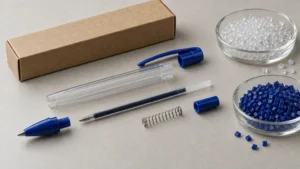
從高精度射出成型到內部墨水調配,展出的每一件產品都展現了完整的工廠實力。訪客看到我們如何將設計與可靠功能相結合。這個基礎讓我們即使在大量訂單下也能保持快速交貨。

揭曉2026年春季畅銷新品
創新是 ZH STATIONERY 的核心。在本屆春季廣交會上,我們以針對 2026 年市場趨勢打造的產品線吸引了買家:
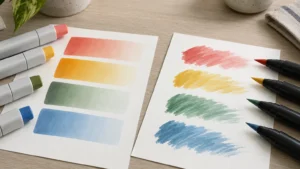
- 高級馬克筆(預計年度畅銷品): 我們首發了升級版24色閃光馬克筆套裝與優質壓克力馬克筆。這些產品采用我們内部化学專家開發的獨家無毒油墨配方,確保了卓越的色彩鮮艳度與流畅書寫體驗。
- 專业中性筆: 我們的新型中性筆專為極致順滑書寫而設計,適用于專业办公環境,同時也是高端企业禮品的理想之選。
- 環保創新產品: 遵循我們嚴格的ESG(環境、社会和治理)承诺,我們推出了全新系列的可持續書寫工具與環保包裝解決方案,大幅减少了塑料足迹。

為何全球頂級品牌選擇我們?
在第139屆廣交會上,許多長期客戶回來續訂。新客戶則被我們完整的 OEM/ODM 方案打動:
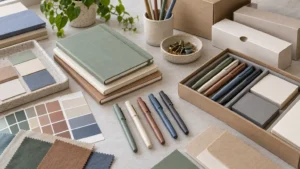
- 客製油墨與顏色: 根据品牌獨特標識,客製特定油墨特性(壓克力、金属色、永久性)。
- 3D設計與精准報價: 在生產前提供高保真3D渲染圖以可視化概念,消除隱性成本。
- 快速批量生產: 全自動裝配線確保大批量訂單的快速周轉,同時維持嚴格的質量控制(QC)標准。
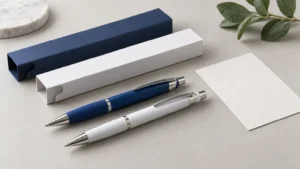
- 客製包裝: 提供從環保封套到奢華禮盒等多種包裝方案,提升開箱體驗與品牌溢價。
展望未來:您最可靠的供應鏈合作伙伴
第139屆春季廣交會的破紀錄訂單,為ZH STATIONERY在2026年揭開新篇章。隨著我們在全球市場的成長,我們深知每一次提升都源於客戶對我們製造能力的信任。我們將持續擴大產能並升級自動化,以保障每一張訂單。
我們感謝每一位加入我們的客戶、合作夥伴和訪客。你們的信任推動我們追求卓越。
您是否正在為2026年下半年尋找一家穩定的訂製筆工廠?讓我們憑藉經驗與數據,為您提供最穩妥的採購路徑。
Contact Our OEM/ODM Experts Today for the Latest Factory Quotes
- 電子郵件: [email protected]
- 地址: 中國浙江省杭州市桐廬縣鳳川街道陳山路 200 號
- 探索更多: 了解我們的製造優勢
相關指南: 如需了解工廠產能及流程管控的另一視角,請參閱 在第139屆廣交會上與ZH STATIONERY會面.
相關閱讀
What Buyers Asked For Most
Across four days, the same four questions came up repeatedly, and the pattern is worth recording because it shows where the market is moving.
“Can you show batch data?” Buyers have started asking for viscosity readings and color spectrophotometer results rather than a generic quality assurance statement. That is a meaningful shift. Two years ago the same buyers asked for a certificate; now they ask for numbers behind the certificate.
“What is your MOQ by layer?” The single headline MOQ number no longer satisfies experienced buyers, because they know a stock body and a new mold program carry very different tooling economics. The good conversations were the ones where both sides broke the number down.
“Which parts do you make in-house?” This question is the fastest way to separate a manufacturer from a trading company, and buyers used it as a filter before discussing price.
“Can you support a mixed SKU plan?” Rather than a single hero product, brands now want a line — an entry SKU, a mid SKU, and a premium SKU that share packaging language. Supporting that requires flexible assembly, not just flexible pricing.
The Products That Drove Interest
Three categories drew most of the attention.
Dual-tip acrylic markers. The format solves a real problem: one barrel, two functional tips, one SKU to manage. Buyers liked it because it lets a brand offer a premium feature without doubling inventory. The technical question underneath is reservoir balance — whether both tips draw ink at the same rate — and that is where factories differ.
High-opacity white markers. Demand came from the creator economy and from packaging applications where a marker writes on dark surfaces. White is the hardest color to make opaque, and it carries more pigment cost than any other color in the range.
Custom stationery sets. Back-to-school kits and corporate gift boxes that combine markers, notebooks, and packaging into one retail SKU. These programs are packaging-driven more than ink-driven, and the buyers who understood that got further in one meeting.
Behind the Booth: What a Factory Tour Would Have Shown
A trade fair booth can show product. It cannot show process, and process is what determines whether a sample can be repeated at volume. For buyers who could not travel to Tonglu, here is what the production floor would have demonstrated.
The ink lab runs before the assembly line does. Each pigment batch is checked for dispersion and color before it enters production. That is why a factory with in-house ink capability can hold a color window across batches while a factory buying pre-mixed ink cannot.
Molding feeds directly into assembly. Barrel dimensions are spot-checked as parts enter the line, which is where cap-fit complaints are prevented — months before they would otherwise surface.
Inline inspection runs at every station, not only at the end. Fill weight, cap torque, and nib retention are checked as units pass, and the finished lot still goes through AQL sampling. Both gates exist because they catch different failures.
Turning a Trade Fair Contact Into a Program
Most booth conversations end with a catalog and good intentions. The ones that become programs follow a predictable sequence.
Week one. The buyer sends a written brief: product type, ink system, tip construction, color count, packaging format, destination market, forecast annual volume. The supplier confirms which items need sampling and which are stock.
Week two to four. Samples ship. The buyer tests writing smoothness, color match across the set, cap fit, and nib strength, and compares against the reference sample used at the booth.
Week five. Specification lock. Ink color, barrel color, packaging artwork, and barcode are approved in writing, with retained samples on both sides.
Week six onward. Production scheduling, inline QC, final inspection, and shipment. Lead time depends on whether molds exist — 25 to 35 days with existing tooling, longer for new tooling.
常見問題解答
Can I still request samples after the show? Yes. Send the brief and the supplier will route it to sampling directly, using the same specification discussed at the booth.
What was the most requested certification? EN71-3 for EU buyers and ASTM D-4236 for U.S. art material buyers, with CPSIA documentation close behind for children’s lines.
Do you support mixed SKU programs? Yes, across stock body, custom color, and custom mold tiers, with shared packaging language if the buyer wants a coherent line.
What is the MOQ for a first order? It depends on the layer. Stock body with printed logo starts lower; a fully custom OEM/ODM program has a floor of 50,000 pens per order counted by total individual pens produced.
What to Bring Back From the Fair
Most buyers leave a trade fair with a catalog and a handful of business cards. The buyers who get ahead leave with three specific things: a written specification that both sides agree on, a production-line sample request with a stated ship date, and a named contact inside the factory who owns the follow-up.
The specification is the part that gets skipped. A verbal agreement at a booth about “60 colors, similar to your reference” becomes a dispute three months later. Write it down before you leave the hall, even if it is only six lines, and get the salesperson to confirm it in a follow-up email the same week.
The sample request should specify a line sample, not a hand-built one. Line samples represent what the factory can repeat at volume; hand-built samples represent what a technician can do with unlimited time. State the ship date explicitly, because “soon” means different things in different factories.