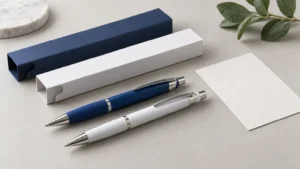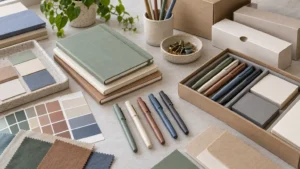


ZH STATIONERYの生産の心臓部へようこそ。大手カスタムマーカーペンメーカーとして、世界中の買い手が標準製品以上のものを求めていることを知っています。
They need steady factory partners who can deliver even quality, room to grow, and tailored OEM/ODM answers. Based in Tonglu, China, our plant is built to meet the exact specs of brands around the world.
中国桐庐は世界的に「ペン製造の首都」として知られています。長年にわたり、世界の筆記具サプライチェーンの巨大なハブへと成長しました。現在、市場はより高い品質を求めており、従来の安価で基本的なスタイルでは不十分です。今日のバイヤーはプレミアム製品を求めています。
この有名な地域の大手工場として、ZH STATIONERYは高品質のプロ用マーカーに完全に注力しています。桐廬の豊かな製造史と現代技術を結びつけ、世界のブランドに世界クラスのOEMおよびODMサービスを提供します。
プロフェッショナルマーカーの製造方法を変革する方法をご紹介します。
1. プレミアムインク配合と精密チップ
市場に出回る多くのマーカーは見た目が同じです。本当の違いはペンの内部にあります。プロのアーティストやデザイナーは、滑らかなインクと正確な色を必要とします。
To make your brand stand out, ZH STATIONERY puts real money into core tech:
- 先進インクラボ: 当社は高精度のアルコール系および水性インクを開発しています。当社のマーカーは、明るく彩度の高い色、滑らかなブレンディング、そして長持ちする性能を提供します。
- 高品質チップ: 広い面用の幅広鑿(のみ)型チップであれ、細部用のソフトブラシチップであれ、当社は最高の部品のみを使用しています。これにより、インクが漏れたり乾いたりすることなく、スムーズに流れることが保証されます。
2. お客様のブランドを成長させる強力な研究開発
桐廬地方政府の強力な支援と資金のおかげで、ZH STATIONERYは創造し続けるリソースを持っています。私たちは標準的なペンを作るだけではありません。筆記の未来を築きます。
私たちを工場パートナーに選ぶと、あなたのアイデアを迅速に製品化できるサプライヤーが得られます。120色の巨大なアーティストセットが欲しいですか?新しいアクリルマーカーが欲しいですか?エコ竹マーカー軸が欲しいですか?私たちの研究開発チームが迅速に実現できます。
3. デザインの所有権と機密保持について合意する
海外バイヤーにとって最大の懸念の一つは、工場がカスタムデザインをコピーするのではないかということです。
在ZH STATIONERY,您的品牌完全安全。桐庐已启动严格的知识产权保护体系来支持真正的创造者。
- 完全なプライバシー: 当社はすべてのクライアントと厳格な秘密保持契約を締結します。
- 現地の法的サポート: 当市の迅速な特許保護法により、模倣品は迅速に阻止されます。
- 安心の革新: お客様のデザインは当社の工場規則と現地法の両方によって保護されているため、競合他社がコピーできない独自のマーカー金型やカスタムパッケージを安心して当社と共に創り上げることができます。
信頼できるマーカーファクトリーと提携する
书写市场正从中国制造转向中国智造。ZH STATIONERY很自豪能在专业马克笔行业引领这一转变。
製品ラインをアップグレードするための、信頼性が高く高品質なマーカーサプライヤーをお探しですか?
御社の文房具ブランドを次のレベルへ引き上げる準備はできていますか?
適切な工場パートナーがあなたの成長の鍵です。私たちは世界中の顧客にとって好まれるカスタムマーカーペンメーカーであることを誇りに思います。品質を削らずに公正な価格を提供します。生産準備済みのデザインでも、デジタルプロトタイピングの支援が必要でも、私たちのチーム
桐廬の経験豊富な工場として、世界中への出荷前にすべてのロットで厳格な品質チェックを行います。私たちと提携することは、あなたの筆記ブランドの長期的成功のための安定した高収率サプライチェーンを意味します。
関連ガイド: How It's Made Paint Markers.
関連ガイド: 関連するコンプライアンス計画については、以下を参照してください。 チームのエンパワーメント:ZH STATIONERYにおける従業員のウェルビーイングと倫理的製造.
What a Custom Marker Pen Manufacturer Actually Controls

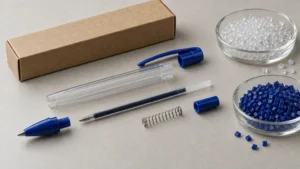
A marker looks simple from the outside. Inside, it is four subsystems that must work together: the ink, the nib, the barrel and cap, and the packaging. When a buyer evaluates a custom marker pen manufacturer, the useful question is not whether the factory can print a logo. It is which of those four subsystems the factory actually controls.
Ink is the hardest to control and the easiest to fake. A factory that buys pre-mixed ink from a third party inherits that supplier’s batch variation. A factory with its own ink lab can tune pigment load, viscosity, drying time, and lightfastness against a target surface. The difference shows up two months after delivery, when Batch 2 does not match Batch 1 on the shelf.
The nib decides how the marker feels in use. Fiber density, tip geometry, and the bond between fiber and binder determine whether a tip holds its shape through 500 strokes or turns mushy by stroke 50. Barrel and cap form a small sealed container. Their job is to stop the ink from evaporating, which is why cap seal should be tested with a closed-storage test, not a cap-off writing test.
Packaging is the fourth subsystem and the one most often treated as an afterthought. A retail card, blister, or display box changes freight volume, pallet configuration, and landed cost per unit. Buyers who approve packaging late usually pay for it twice: once in tooling, once in freight.
Ink Formulation: Where the Real Differentiation Lives

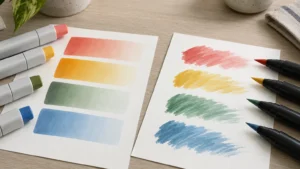
Most marker complaints trace back to ink, not to the pen body. The pigment-versus-dye choice sets the baseline. Pigment sits on the surface, gives opaque coverage, and resists UV fading. Dye dissolves into the carrier, blends smoothly, and produces brighter color at lower cost, but it fades faster and can wick into paper fibers unevenly.
For solvent-based markers, the carrier is usually alcohol with a small balance of wetting agents and release additives. For water-based markers, the carrier is water plus a humectant to slow drying in an uncapped tip. Both systems need a biocide package if the product will sit in a warehouse for months. Skipping that step is how a shipment arrives with mold in the reservoir.
Viscosity is the parameter buyers should ask about by number, not by feel. A difference of 200 cPs between batches is enough to change how a chisel tip lays down color. Factories with in-house ink capability can hold that window. Factories buying pre-mixed ink cannot, because they have no visibility into what changed upstream.
Ask for the ink batch record. A useful one lists pigment lot, carrier lot, viscosity reading, and the date the batch was mixed. If the supplier cannot produce that record for the SKU you are ordering, the batch consistency claim is not verifiable.
Nib Engineering and the Wear Test That Matters
The nib is the most-felt part of a marker and the least-specified in most purchase orders. Fiber density is the first number to pin down. Below 0.30 g/cm3, a tip collapses under repeated pressure and does not spring back. By the 50th stroke the fine end turns soft, and line precision drops off.
Geometry comes next. A bullet tip is predictable but flattens over time. A chisel tip gives three line widths from one nib but depends on a clean grind angle. A brush tip delivers organic variation but is the easiest to fray when the fiber-to-binder ratio is off.
Wear testing should run on the finished marker, not on a bare nib sample. Ask for a 100-meter writing trial on the intended substrate, with line width and color depth measured at the start and at the end. A tip that loses 15 percent of its line width over 100 meters is not ready for a retail program.
Cap retention and drop resistance belong in the same test plan. A cap that releases under a one-meter drop is a return waiting to happen, especially in school channels where bags get thrown around.
Quality Gates Before Shipment
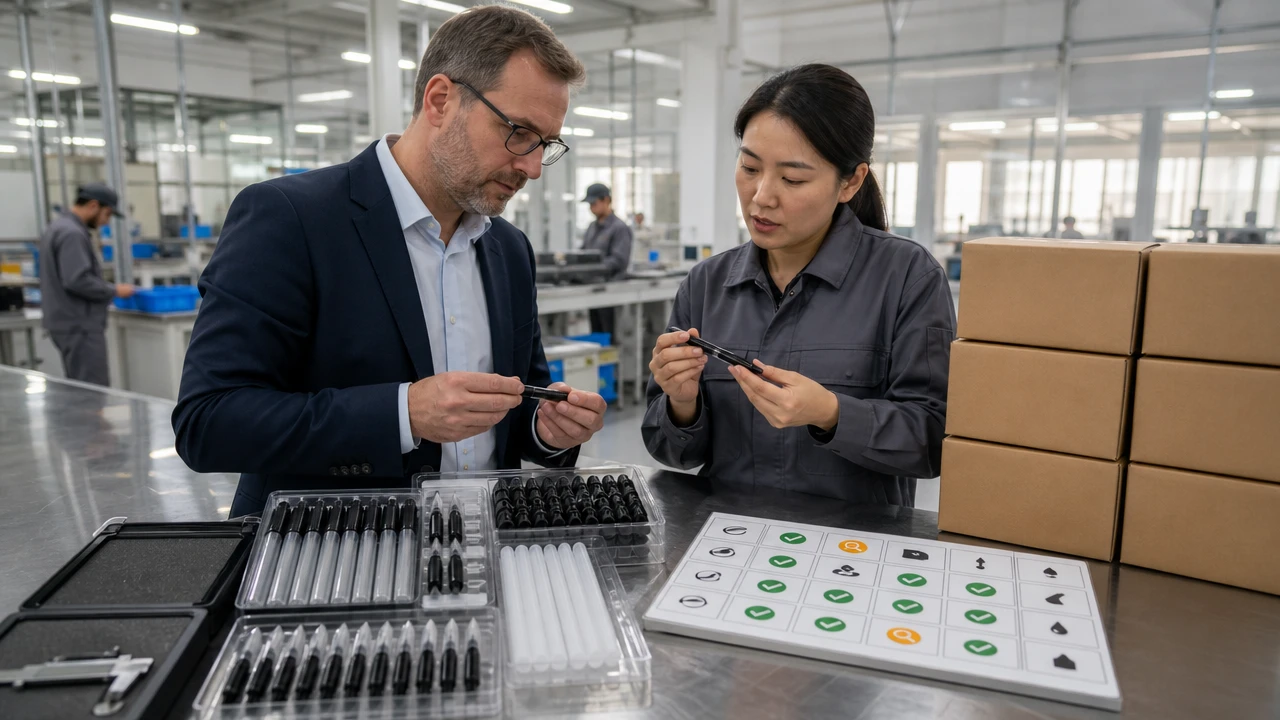
Three gates separate a manufacturing-focused supplier from a trading company. The first is inline inspection. A factory running 100 percent automated inspection checks fill weight, cap torque, and nib retention on every unit as it passes the station. That is a different claim from “we check samples.”
The second gate is statistical sampling on the finished lot. AQL levels should be written into the order: for most retail marker programs, Critical 0, Major 1.5, Minor 4.0 is a reasonable starting point. The buyer should confirm the defect definitions with the plant before production starts, not after a dispute.
The third gate is retained samples. One sealed set from the approved run, plus one from each mass-production batch, labeled with SKU, PO number, production date, ink lot, and nib lot. Without retained samples, a reorder dispute becomes a conversation about memory.
Documentation belongs alongside these gates. For the U.S. market, art materials need ASTM D-4236 conformance with a toxicology review behind it. For Europe, EN71-3 covers heavy metal migration and EN71-9 covers organic compounds. Reports should be current, dated, and name the SKU, not just the factory.
How to Brief a Custom Marker Factory

A brief that gets a usable answer contains seven items: marker type, ink system, tip construction, color count and reference numbers, packaging format, destination market, and forecast annual volume. Send the same brief to every candidate so the quotes are comparable.
Sampling comes next. Ask for a production-line sample rather than a hand-assembled prototype. Line samples represent bulk quality; hand-built samples represent what a technician can do with unlimited time. Test writing smoothness, color match across pens in the set, cap fit, and nib strength under pressure.
MOQ should be quoted by layer. A standard body with a printed logo typically starts lower than a custom mold program, because the tooling is already amortized. Ask separately for the MOQ on a stock body, a custom color, a custom mold, and a full retail set. A single headline MOQ number hides which layer is driving the cost.
Lead time follows the same logic. With existing molds, 25 to 35 days from sample approval is realistic. A new barrel or cap mold adds 15 to 25 days for design, machining, and trial runs. Third-party lab testing adds another 7 to 14 days depending on the lab queue.
よくある質問
Can you match a specific Pantone color in the ink? Yes, with a caveat. Pantone gives the supplier a target, but the approved ink stroke on the intended substrate is what defines acceptance. A red cap, a red printed label, and a red ink stroke are three separate color problems and should be approved separately.
What is the minimum order for a custom marker program? It depends on the layer. Stock body plus logo starts lower than a new mold. For a fully custom OEM/ODM program, the floor is 50,000 pens per order counted by total individual pens produced; a 12-color pack equals roughly 4,200 sets, not 50,000 of each color.
How do you prevent dry-out during shipping? Cap seal is the first control, followed by fill weight and storage conditions. Ask for a closed-cap evaporation test and a storage trial at elevated temperature. A 50 C oven run for 7 to 14 days simulates a hot container crossing.
Can you supply private-label packaging? Yes. Blister cards, color boxes, display units, and gift boxes are all quotable. Send the retail channel and shelf requirements early, because packaging format changes freight volume and landed cost per unit more than most buyers expect.
関連記事
Tooling is usually the largest upfront line item in a custom program. Our pen mold factory and OEM tooling guide breaks down mold cost, cavity counts, and trial-run timelines.