

この記事は、2026年春の第139回広州交易会へのZH Stationeryの招待を記録しています。そのイベントは終了しました。現在の製品サンプル、OEMマーカープロジェクト、または今後の打ち合わせ計画については、調達ニーズを添えてZH Stationeryにご連絡ください。

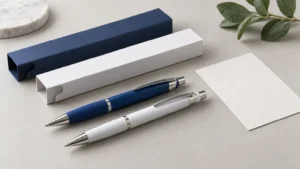
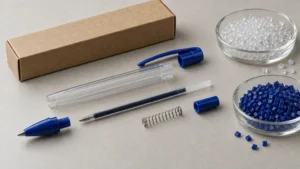
工場直販:信頼できる品質。私たちは単なる貿易会社ではありません。プロのペンメーカーです。研究開発から生産、販売まで、すべての工程を自社工場で行っています。米国およびEU市場への高品質な筆記具の供給実績が長くあります。当社の製品はAmazonやTikTokなどのサイトでよく売れています。工場直販サービスにより、適正価格、安定した品質管理、柔軟なカスタマイズオプションを提供します。
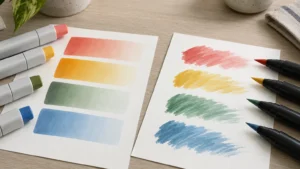
400色以上のプレミアムアートマーカーを発見。国際バイヤーのニーズに応えるため、当社はこのイベント向けに強力な新製品ラインを準備しました。世界市場が何を好むかを研究しました。当社ブースでは、最新のカスタムハイライター、水彩ペン、アートマーカーを見つけられます。
当社のマーカーは、アーティストや学生に愛される明るく豊かなインクを使用しています。400以上の色合いで、貴社ブランドに無限の選択肢を提供します。学校用品向けの大量マーカーが必要でも、自社ブランド向けのカスタムジェルペンが必要でも、それを実現するOEMおよびODMサービスを提供します。
共にビジネスを成長させましょう。広州交易会は完璧な架け橋だと、当社のセールスディレクターは言います。長年のパートナーと会い、彼らが必要とするものを学ぶ機会となります。また、新しいクライアントを見つけ、世界中でブランドを成長させる絶好のチャンスでもあります。
私たちは新しい関係を築き、今年あなたのビジネスが新たな販売目標に到達するのを助ける準備ができています。信頼できるOEMペンメーカーが必要なら、広州交易会のZH STATIONERYブースへお越しください。
正確なブース番号のご案内や無料の製品カタログのご請求は、今すぐお問い合わせください。!
関連ガイド: 市場の背景については、以下を参照してください アートセラピーの力.
関連記事
What Buyers Actually Evaluate at a Marker Booth
Most first-time visitors walk a trade fair looking for a booth that feels impressive. Experienced buyers do something different. They pick three or four markers from the display, cap and uncap them, write a short line on the paper provided, and then ask the salesperson a question the display cannot answer: which ink batch produced this sample, and can you show the record?
That single question separates a manufacturer from a trading company. A trading company can source a good sample. It cannot produce a batch record tied to that sample, because it does not mix the ink.
The second thing buyers evaluate is the nib. A marker that has been sitting on a display table for three days has been capped and uncapped hundreds of times. If the tip has already flattened or frayed by day three, it will not survive a school term. Ask to write with a marker from the back of the box, not the display model.
The third is packaging. A retail card that has warped in the hall humidity will warp in a container. Look at the blister seal, the hang hole, and the print registration on the backer. Those three details predict how the pack will hold up in a warehouse.
The Product Categories on Display
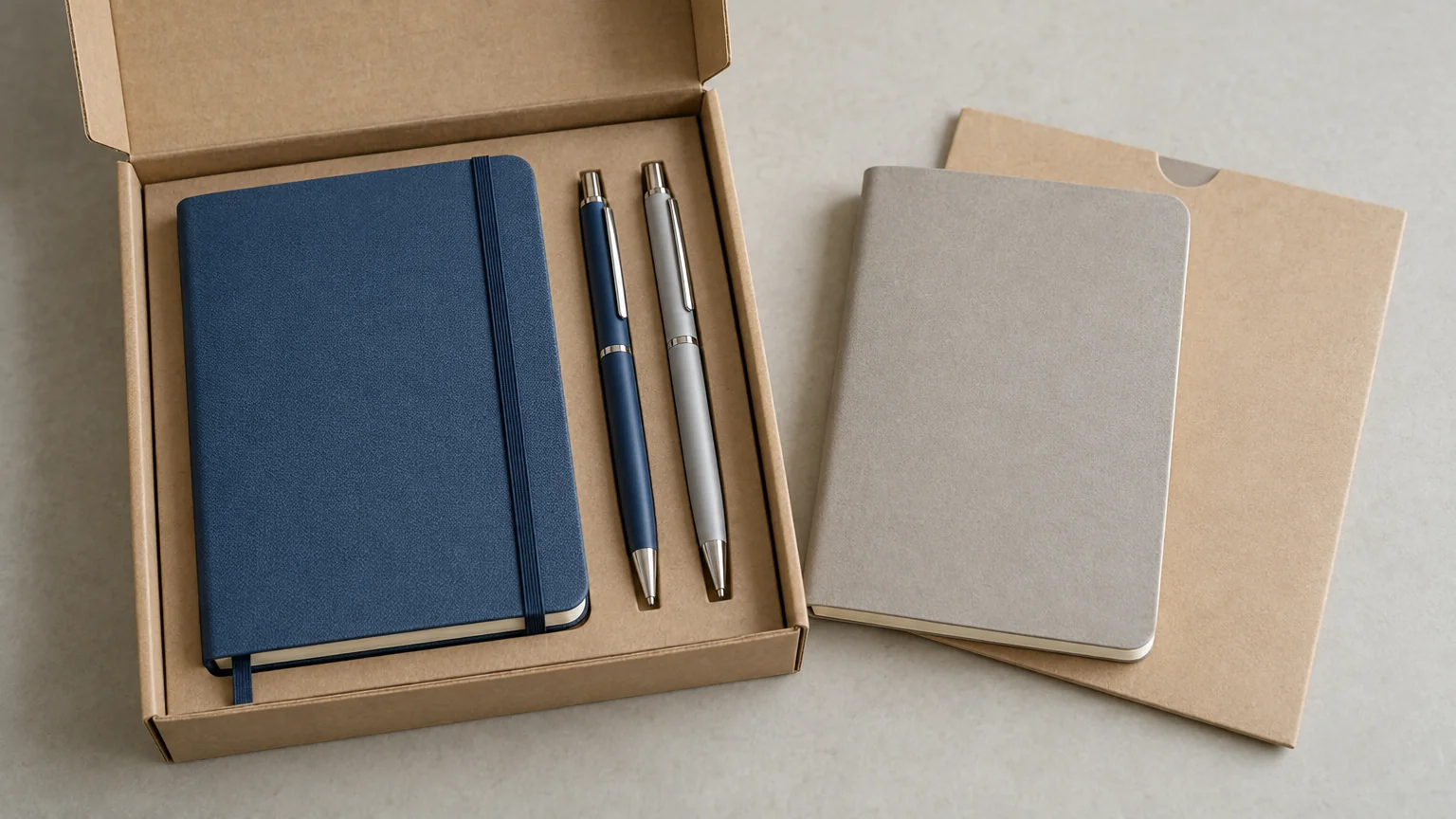
Our booth at the 139th Canton Fair covered five categories, each aimed at a different channel.
Acrylic paint markers. Water-based acrylic with a valve-action nib, built for canvas, wood, stone, and ceramic. The buyer profile is art supply brands and craft retailers who need opaque coverage on dark surfaces.
Metallic and glitter markers. Pigment-loaded formulas for scrapbooking, card making, and seasonal gift sets. The technical challenge here is flake settling. A glitter marker that separates in the warehouse arrives looking like a two-tone pen.
Alcohol-based art markers. Dual-tip and single-tip formats for illustration and manga. The buyer question is always about blend consistency between batches, because a color shift of two Delta E is enough to break a tutorial that creators link to.
Gel pens and novelty writing instruments. Retractable bodies, multi-color sets, and shaped pens for gift and promotional channels. These are volume programs where the MOQ math matters more than the ink chemistry.
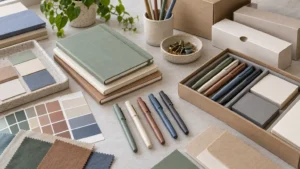
Custom stationery sets. Back-to-school kits, planner bundles, and gift boxes that combine markers, notebooks, and packaging into a single retail SKU.
How to Prepare a Canton Fair Meeting

A productive meeting at a trade fair takes about 40 minutes, and most of that time is spent on specification, not on price. Buyers who arrive with a written brief get a usable answer in one session. Buyers who arrive with a rough idea leave with a catalog and a follow-up email that goes nowhere.
Bring four things. A reference sample or a photo of the target product. The destination market, because EN71 and ASTM D-4236 requirements change the testing plan. A forecast annual quantity, even if it is a range. And the packaging format you intend to use, because a blister card and a display box have very different tooling costs.
Ask three questions. First, which parts of this product do you make in-house? Second, what is your MOQ by layer — stock body, custom color, custom mold, full retail set? Third, what is the lead time from sample approval to shipment, broken down by stage?
Write the answers down. A verbal answer at a booth is a starting point, not a commitment. The written follow-up is where the real specification gets locked.
Follow-Up After the Show
The week after a trade fair decides whether the meeting produces an order. Buyers who send a structured follow-up within five working days get samples faster, because the supplier can route the request directly to the sampling team instead of re-asking the same questions.
A useful follow-up contains the product specification, the target market, the quantity range, and the packaging reference. It also names the person who will approve the sample, because that decides who the supplier sends updates to.
Ask for a production-line sample rather than a hand-assembled one. Line samples represent what the factory can actually repeat at volume. Hand-built samples represent what a technician can do with unlimited time, which is not what you are buying.
よくある質問
Can you send samples before I confirm an order? Yes. We send stock samples at cost plus freight, and refund the sample cost against the first production order above the MOQ threshold.
What is the MOQ for a custom marker program? It depends on the layer. A stock body with a printed logo starts lower than a new mold program. For a fully custom OEM/ODM program the floor is 50,000 pens per order counted by total individual pens produced; a 12-color pack equals roughly 4,200 sets.
Which certifications can you supply? EN71-3 and EN71-9 for Europe, ASTM D-4236 for the U.S. art material market, and CPSIA documentation for children’s products. Reports are batch-specific and dated.
How long does sampling take? Stock samples ship in 3 to 5 working days. A custom color sample takes 7 to 10 days. A new mold program takes 15 to 25 days for design, machining, and trial runs.
What the Fair Actually Tells You About a Supplier
A trade fair is a compressed evaluation. Four days of walking a hall produces more signal about a supplier than a month of email, if you know what to look at.
Booth staffing. A factory that sends only salespeople cannot answer technical questions. A factory that sends someone from production or engineering can. Ask a question only a production person can answer — the re-set interval on the ink fill nozzle, or the cap pull-force spec — and watch who steps forward.
Sample condition. A marker that has been capped and uncapped for three days on a display table has been through hundreds of cycles. If the tip has already flattened or the cap no longer seals, the product will not survive a school term. Ask for a unit from the back of the box.
Display discipline. A booth where every sample is correctly labelled with SKU, ink type, and tip size is run by an organized factory. A booth where samples are unlabelled and mixed together tells you something about production documentation.
Follow-up speed. The first email after the show is a proxy for how the factory will behave during production. A reply within two working days with specific answers is a good sign. A generic catalog attachment three weeks later is not.
Comparing Quotes After the Show
Quotes collected at a fair are rarely comparable, because each supplier quoted a slightly different product. Four variables account for most of the gap.
Ink specification. “Acrylic marker” covers a wide range. Pigment load, viscosity target, and lightfastness expectation all move the price. Specify them before asking for a number.
Nib construction. Fiber density, tip diameter, and wear target. A 0.5 mm nib and a 1.0 mm nib are different products with different cost structures, not variations of one product.
Packaging. A poly bag and a printed display box differ by an order of magnitude in unit cost, and by more in freight volume. A quote that does not name the packaging format is not a quote.
Included services. Tooling, artwork preparation, third-party testing, and shipping preparation. A lower number that excludes testing is not a lower price, it is a narrower scope.
Send the same written brief to every candidate after the show, then compare landed cost per unit at your forecast volume rather than FOB unit price.
よくある質問
Can I visit the factory after the show? Yes, and for any program above pilot volume it is worth doing. A factory visit verifies that the process described at the booth actually exists on the floor. Tonglu is roughly two hours from Guangzhou by high-speed rail.
What should I bring to the meeting? A reference sample or photo, the destination market, a forecast annual quantity, and the intended packaging format. Buyers who arrive with those four get a usable answer in one session.
How long does a sample take after the show? Stock samples ship in three to five working days. A custom color sample takes seven to ten days. A new mold program takes fifteen to twenty-five days for design, machining, and trial runs.
Is the booth price the final price? No. Booth quotes are indicative, based on an assumed specification. The binding number comes after the specification is locked and the quantity tier is confirmed.
What is the MOQ discussed at the fair? The figure quoted at a booth is usually the stock-body tier. Custom colors and custom molds carry higher minimums, and the difference should be confirmed in the written follow-up rather than assumed.