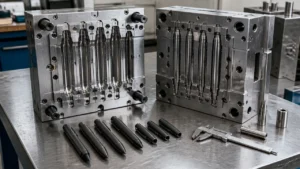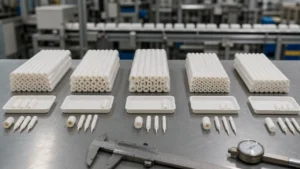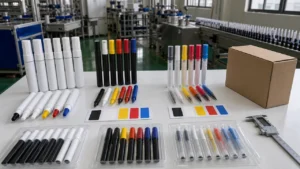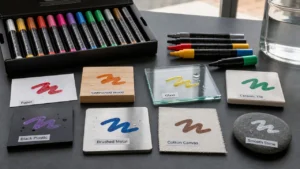
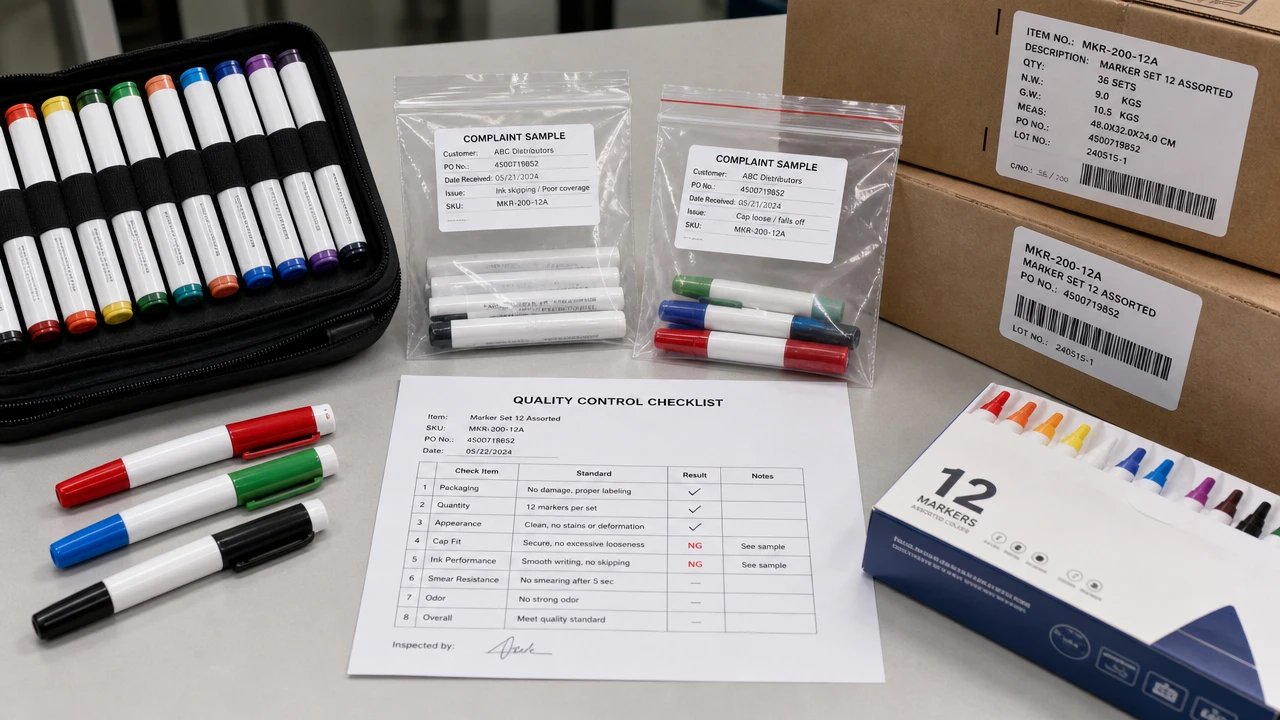
Marker dry-out complaints hurt a distributor because they usually show after the product has moved through the warehouse, channel, and shelf. In this anonymized case, ZH Stationery reviewed dry-out complaints for a distributor. We changed the control flow around cap seal, nib fit, storage risk, and reorder feedback.
This article does not name the buyer or print private complaint numbers. It shows the fix flow. Buyers can use the same method when sourcing markers, comparing a China manufacturer, or preparing an RFQ for private-label sets.
Risposta rapida
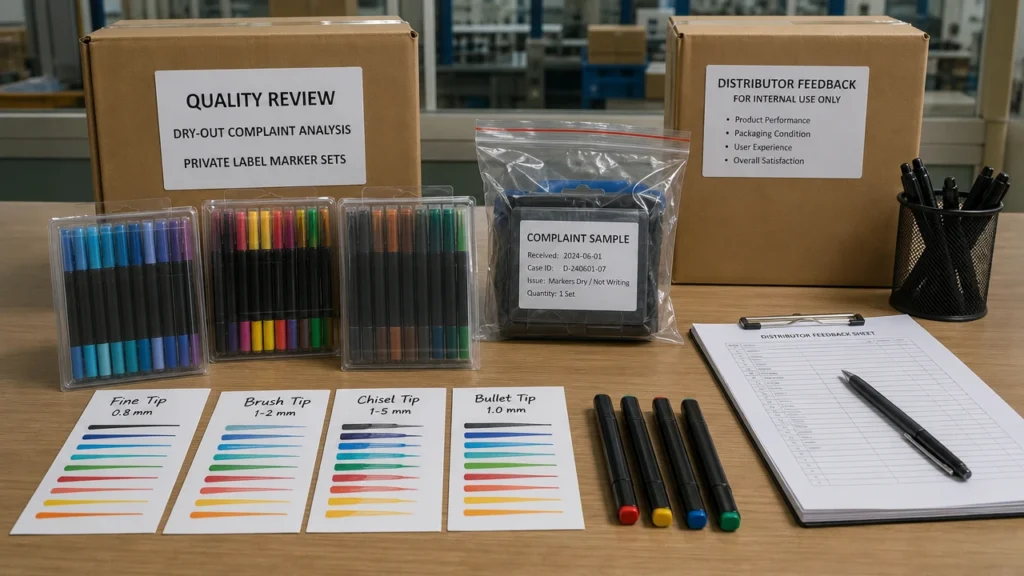
We cut repeat dry-out complaints by treating the issue as a finished-product system problem. It was not only an ink problem. The fix plan checked cap seal, nib fit, ink flow, packing pressure, carton handling, storage exposure, and complaint tracking. The biggest change was simple. Every reorder had to tie the buyer complaint, kept sample, production batch, and pre-shipment writing test together.
Collegamenti rapidi
- Risposta rapida
- Contesto del caso
- Prima diagnosi per i reclami di essiccazione dei pennarelli
- Cause principali verificate
- Modifiche in fabbrica
- Modifiche lato distributore
- Checklist di controllo qualità
- Risultati e limiti
- Fai domande migliori al fornitore
- FAQ
Contesto del caso
The distributor sold sets through a mixed channel. Retail stores. School-supply resellers. Online sellers. The complaint pattern was not dramatic at first. A few customers said some markers felt weak. Then several accounts reported markers that wrote for a short time and stopped. The product still sold in many spots. The distributor needed a cleaner answer before the next reorder.
The first mistake would have been blaming ink right away. Ink matters. Dry-out complaints can come from the cap, nib, barrel, storage time, carton pressure, hot warehouse conditions, or a slow retail shelf. We treated the case as a chain of small risks.
The distributor also needed compliance and marking files for retail review. For US art products, the Guida CPSC sui materiali artistici explains ASTM D-4236 marking hopes. The official ASTM D4236 page covers chronic health hazard marking. Those documents matter. They do not prove shelf performance. We kept compliance review apart from dry-out fixes.
Prima diagnosi per i reclami di essiccazione dei pennarelli
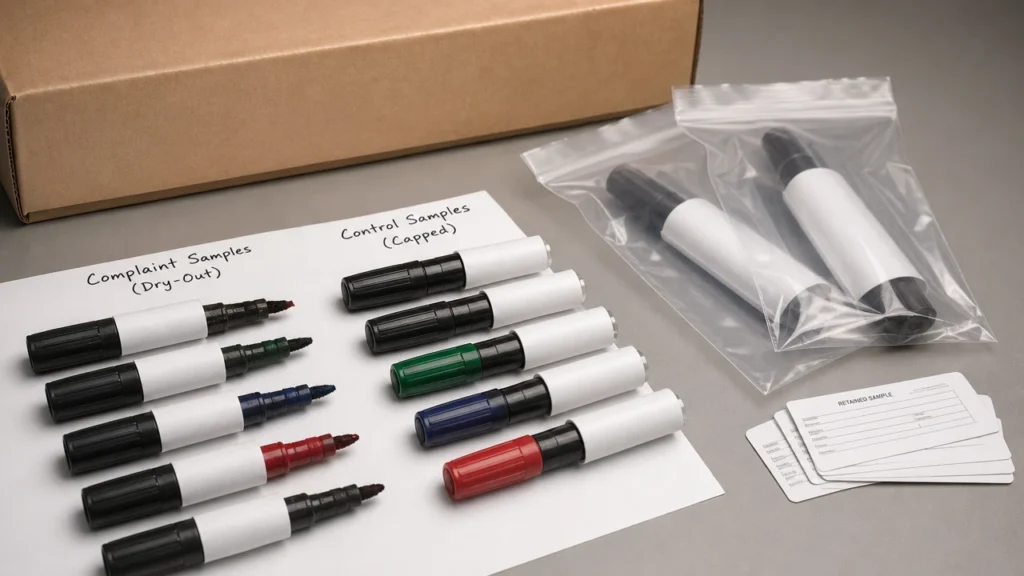
We asked the distributor to send three groups of info. Complaint samples. Unopened kept sets from the same order, if any. The carton or barcode data tied to the complaint lots. That gave the factory team something better than screenshots and customer remarks.
| Prove richieste | Perché erano necessarie | Cosa ci hanno aiutato a decidere |
|---|---|---|
| Campioni di reclamo | Mostravano se tappo, punta o inchiostro presentavano problemi visibili | Se il difetto era isolato o ripetuto |
| Set conservati non aperti | Separavano le condizioni di fabbrica dalla movimentazione al dettaglio | Se il problema esisteva prima dello scaffale al dettaglio |
| Etichetta del lotto o del cartone | Collegava i campioni di reclamo a un lotto di produzione | Quali registrazioni di lotto esaminare |
| Note sullo stoccaggio | Mostravano l'esposizione a calore, umidità e tempo di permanenza | Se le condizioni di spedizione o magazzino potevano aver contribuito |
| Colori interessati | Mostravano se il problema era specifico per colore | Se verificare un inchiostro, una punta o l'intera struttura del prodotto |
Cause principali verificate
Dry-out complaints rarely have one clean cause. In this case, the useful question was not which part failed. It was which part of the system let a weak marker reach the buyer.
Sigillatura del tappo e adattamento del corpo
A cap can look right and still seal poorly. We checked whether the cap clicked firm. We checked whether the inner cap touched the nib area right. We checked whether cap looseness grew after carton pressure or handling. Small cap-fit changes matter. Water-based and acrylic systems can lose usable flow when the nib area stays open too long.
Adattamento della punta e flusso di inchiostro
A nib that fits too loose may write uneven. A nib that fits too tight may not pull ink at the expected speed. That is why we tied the dry-out review to finished-marker writing tests. We did not check the ink alone. For acrylic projects, the valve press marker technology page is useful background. Valve control changes how ink reaches the tip.
Pressione dell'imballaggio e condizioni di transito
Packing can push caps, bend trays, or expose sets to heat and dryness in storage. The official ASTM D4332 page covers conditioning containers, packages, or packing parts to mimic field states in tests. For normal sourcing, buyers do not need a full lab program for every order. They should know that packing and environment shape complaints.
Modifiche in fabbrica
The fix focused on checks that could repeat on future orders. We did not want a one-time rescue. We wanted a flow the production team and the distributor could use again.
| Modifica | Cosa abbiamo aggiunto | Vantaggio per l'acquirente |
|---|---|---|
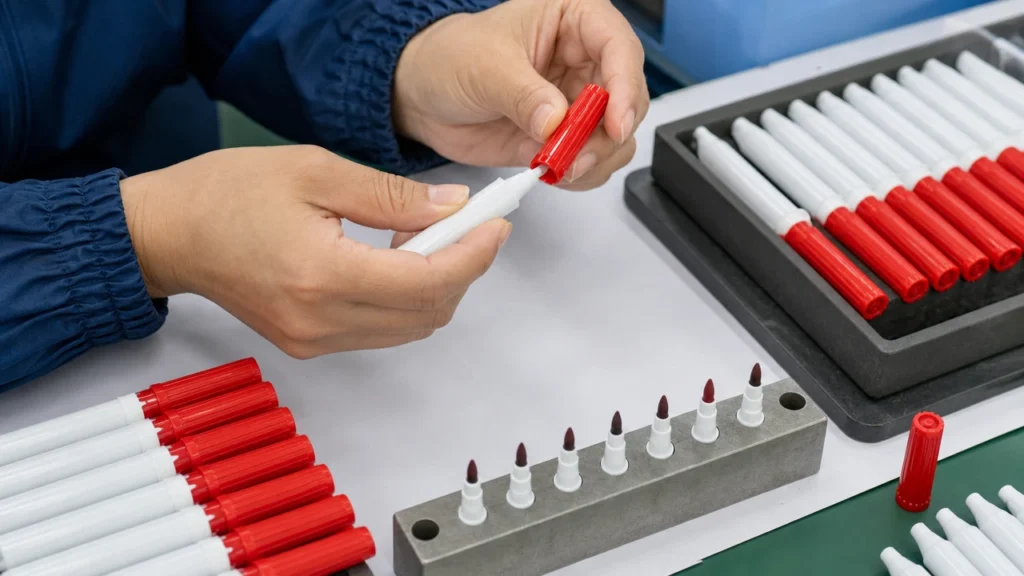
| Campionamento dell'adattamento del tappo | Controlli più frequenti su sensazione di scatto del tappo, tenuta e adattamento post-movimentazione | Ridotta la probabilità che unità con sigillatura debole raggiungano i cartoni |
| Controllo del flusso della punta | Test di scrittura sui pennarelli finiti dopo l'assemblaggio e un breve periodo di riposo | Individuati pennarelli che sembravano a posto ma scrivevano debolmente |
| Campioni di archivio | Set campione sigillati collegati al lotto di produzione e alle etichette dei cartoni | Reso più rapida la tracciabilità dei reclami futuri |
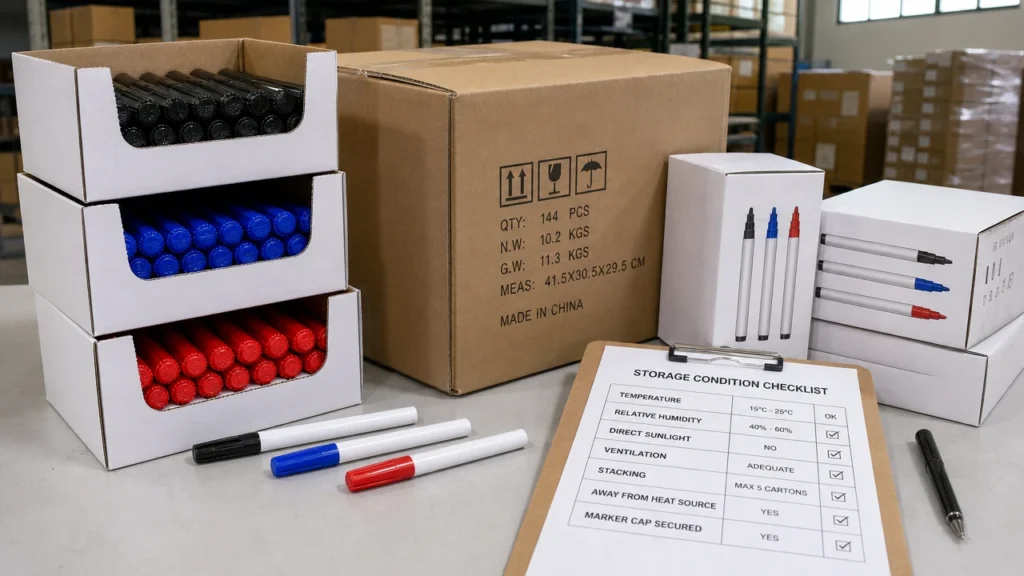
| Revisione dell'imballaggio | Controllo della pressione del vassoio, contatto del cappuccio, impilamento dei cartoni e movimento dell'imballo interno | Riduzione dello stress evitabile da trasporto e stoccaggio |
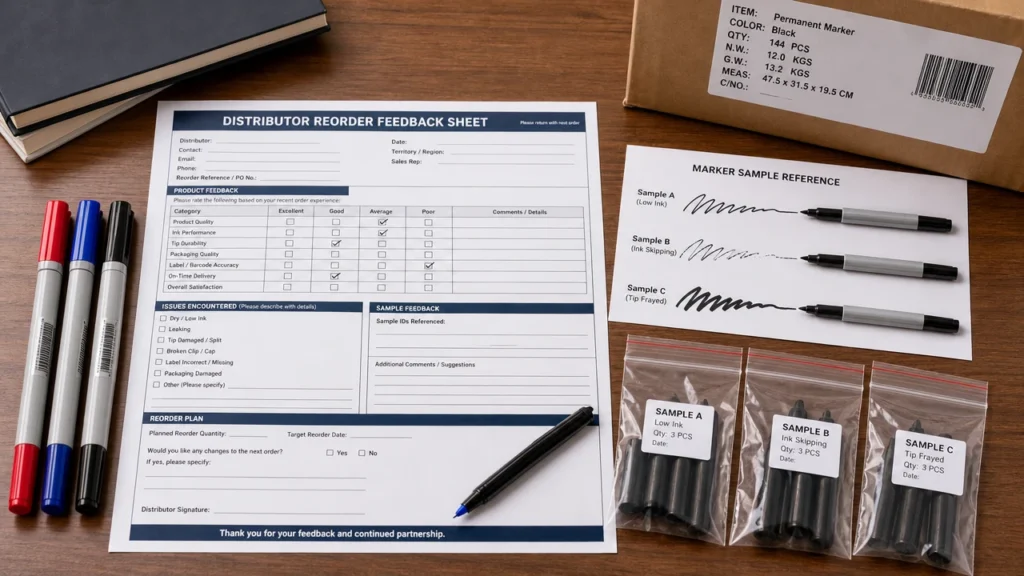
| Modulo di segnalazione reclami | Note standardizzate del distributore per lotto, colore, canale e tempo di scaffale | Trasformazione di reclami vaghi in dati utilizzabili |
We also reviewed whether the product group, cap design, and packing format matched the distributor channel. Buyers planning retail sets can tie this step to the acrylic marker packing formats guide e la guida su dimensioni cartone e CBM.
Modifiche lato distributore
The distributor also changed its own handling. That part matters. If the supplier fixes factory checks but the buyer stores cartons near heat, opens inner boxes early, or mixes lots without marks, the problem can return.
- Conservare un set di riferimento non aperto per ogni spedizione ed etichettarlo con numero d'ordine e data di ricezione.
- Conservare i cartoni dei pennarelli lontano da calore, luce solare diretta e aree di magazzino molto secche.
- Chiedere ai contatti commerciali di registrare SKU interessato, colore, lotto, tempo di scaffale e foto prima di sostituire la merce.
- Separare i reclami per essiccazione da quelli per colore dell'inchiostro, perdite e danni all'imballo.
- Inviare i campioni dei reclami in sacchetti sigillati affinché la fabbrica possa ispezionare cappucci e punte senza ulteriore esposizione.
A steady reorder file also helped. The distributor tied complaint notes to the next PO. The new run could then be checked against real field feedback. That is close to the color-consistency reorder flow. Dry-out control just focuses on cap seal, nib flow, and storage instead of color match.

Checklist di controllo qualità
For future orders, we turned the case into a simple QC checklist. The checklist is not a promise. It catches common fail points before the product reaches the distributor.
| Punto di controllo qualità | Controllo in fabbrica | Controllo del distributore |
|---|---|---|
| Tenuta del cappuccio | Verificare l'adattamento del cappuccio dopo l'assemblaggio e dopo la movimentazione dei campioni | Ispezionare set casuali dopo la ricezione dei cartoni |
| Condizione della punta | Controllare posizione della punta, umidità e intensità di scrittura | Testare i campioni conservati prima di rilasciare un riordino |
| Flusso dell'inchiostro | Scrivere tratti di prova dopo un breve periodo di riposo | Separare le segnalazioni di flusso debole da quelle di essiccazione completa |
| Pressione dell'imballo | Verificare l'adattamento del vassoio, il contatto del cappuccio e l'impilamento dei cartoni | Controllare se i cartoni sono arrivati schiacciati o esposti al calore |
| Tracciabilità del lotto | Etichettare i campioni conservati e i riferimenti dei cartoni | Registrare lotto, SKU, canale e data del reclamo |
| Documenti di conformità | Tenere pronti i documenti di etichettatura e test pertinenti | Non confondere i documenti di conformità con la prova delle prestazioni a scaffale |
For wider check and compliance context, buyers can review the ASTM D-4236 report guide, il guida all'approvvigionamento di pennarelli ad acquerello, e le pagine ZH Stationery's certifications page.
Risultati e limiti
After the fix flow ran, the distributor had a cleaner complaint process and fewer repeat dry-out talks on the next order. The useful result was not a marketing number. It was control. The buyer and factory could name the affected SKU. They could compare kept samples. They could check cap and nib state. They could decide whether the issue came from production, packing, storage, or retail handling.
There are limits. No supplier can remove every dry-out risk after months of storage and mixed retail handling. Heat, wetness, shelf time, user behavior, and packing damage all matter. ISO 554 is a useful note that test conditions should be controlled when results are compared. For B2B sourcing, the practical lesson is simpler. Keep the test state steady before judging whether a batch changed.
That is why ZH Stationery treats dry-out complaints as a factory-and-channel problem. Factory checks matter. The distributor's receiving check, storage, and feedback care decide how fast the issue can be traced. Buyers who want to know factory ability can review the visita guidata alla fabbrica e chi siamo .
Fai domande migliori al fornitore
When dry-out risk matters, ask questions that force a supplier to describe the control method. Do not accept only a product pitch.
| Domanda | Una risposta utile dovrebbe includere |
|---|---|
| Come verificate la tenuta del cappuccio prima della spedizione? | Metodo di campionamento, tempi di ispezione e cosa viene considerato un cappuccio debole |
| Testate i pennarelli finiti o solo i campioni di inchiostro? | Test di scrittura dei pennarelli finiti, tempo di riposo e regole per i colori interessati |
| Come vengono etichettati i campioni conservati? | Numero d'ordine, SKU, data del lotto, riferimento del cartone o del lotto e metodo di conservazione |
| Quali controlli di pressione dell'imballo vengono utilizzati? | Adattamento del vassoio, contatto del cappuccio, impilamento dei cartoni e revisione della protezione per la spedizione |
| Come devono essere segnalati i reclami di essiccazione? | Foto, colori interessati, numero di lotto, tempo di scaffale, note di stoccaggio e processo di restituzione dei campioni |
| Quali modifiche richiedono una nuova approvazione? | Cappuccio, punta, corpo, formula dell'inchiostro, vassoio dell'imballo, cartoncino per la vendita al dettaglio o struttura del cartone |
FAQ
These FAQs cover the buyer questions that usually appear after a distributor gets dry-out complaints.
What usually causes dry-out complaints from distributors?
Weak cap seal, poor nib fit, ink loss in storage, damaged packing, long heat or dry-air time, and uneven retail handling. The supplier should check the finished marker, not only the ink mix.
Can a factory promise markers never dry out?
No good supplier should. Dry-out risk depends on design, ink system, cap fit, storage, shipping route, shelf time, and user behavior. A factory can cut preventable risks with cap-fit control, writing tests, kept samples, packing checks, and clear storage instructions.
Should distributors test samples before every reorder?
For repeat programs, yes. A short reorder check can confirm cap fit, nib flow, stroke strength, and packing state before mass production. If the product changed, treat it as a controlled update, not a simple reorder.
What should buyers ask after a dry-out case appears?
Ask for the lot number, production date, carton mark, photos of cap and nib, storage state, shelf time, and whether the issue hits one color, one SKU, or the whole shipment. Without this, the factory cannot trace the likely cause.
Does ASTM D-4236 fix dry-out problems?
No. ASTM D-4236 covers chronic health hazard marking for art products. It is not about cap seal or shelf performance. It matters for compliance. Dry-out control needs design, packing, storage, and QC checks.
Qual è la migliore formulazione RFQ per la prevenzione dell'essiccamento?
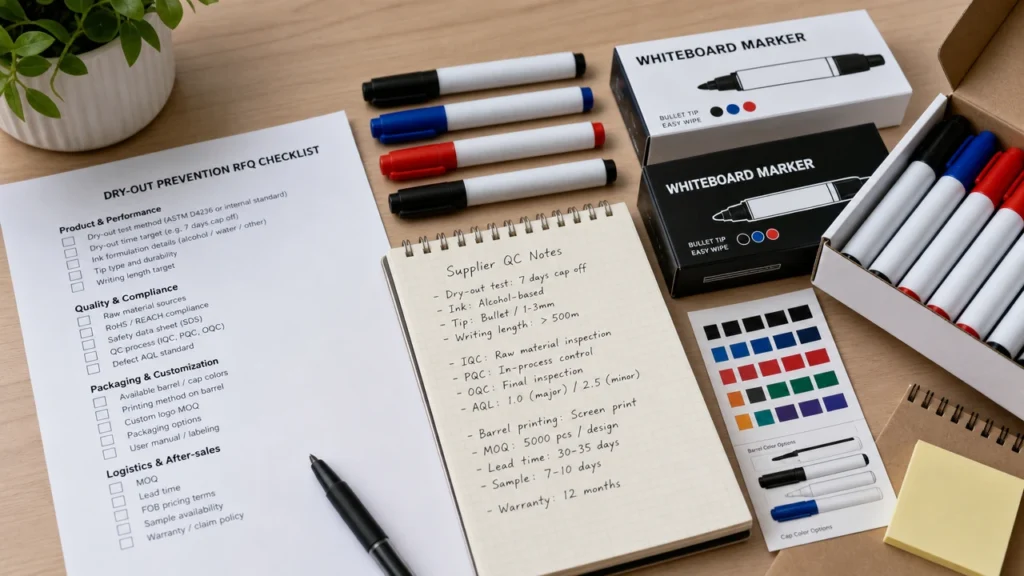
Use specific language. Require cap-fit checks, nib-flow sampling, kept samples, carton guard, storage instructions, and a fix flow for complaints. Avoid vague lines like premium quality or long shelf life unless the supplier defines how they are tested.
Conclusione
Dry-out complaints are easier to cut when buyer and factory stop treating them as isolated customer remarks. The better flow is practical. Collect samples and trace the batch. Check cap and nib fit, review packing pressure, and control storage guesses. Build the next reorder around what was learned.
If you are sourcing private-label markers for a distributor channel, send ZH Stationery the marker type, cap design, packing format, destination market, expected shelf time, and any past complaint notes. The team can turn those notes into a sampling and QC checklist before the next order.
Guida correlata: Come mantenere la consistenza del colore dei pennarelli tra riordini.
Guida correlata: Come Gestire i Reclami dei Clienti su Pennarelli Asciutti o Differenze di Colore.