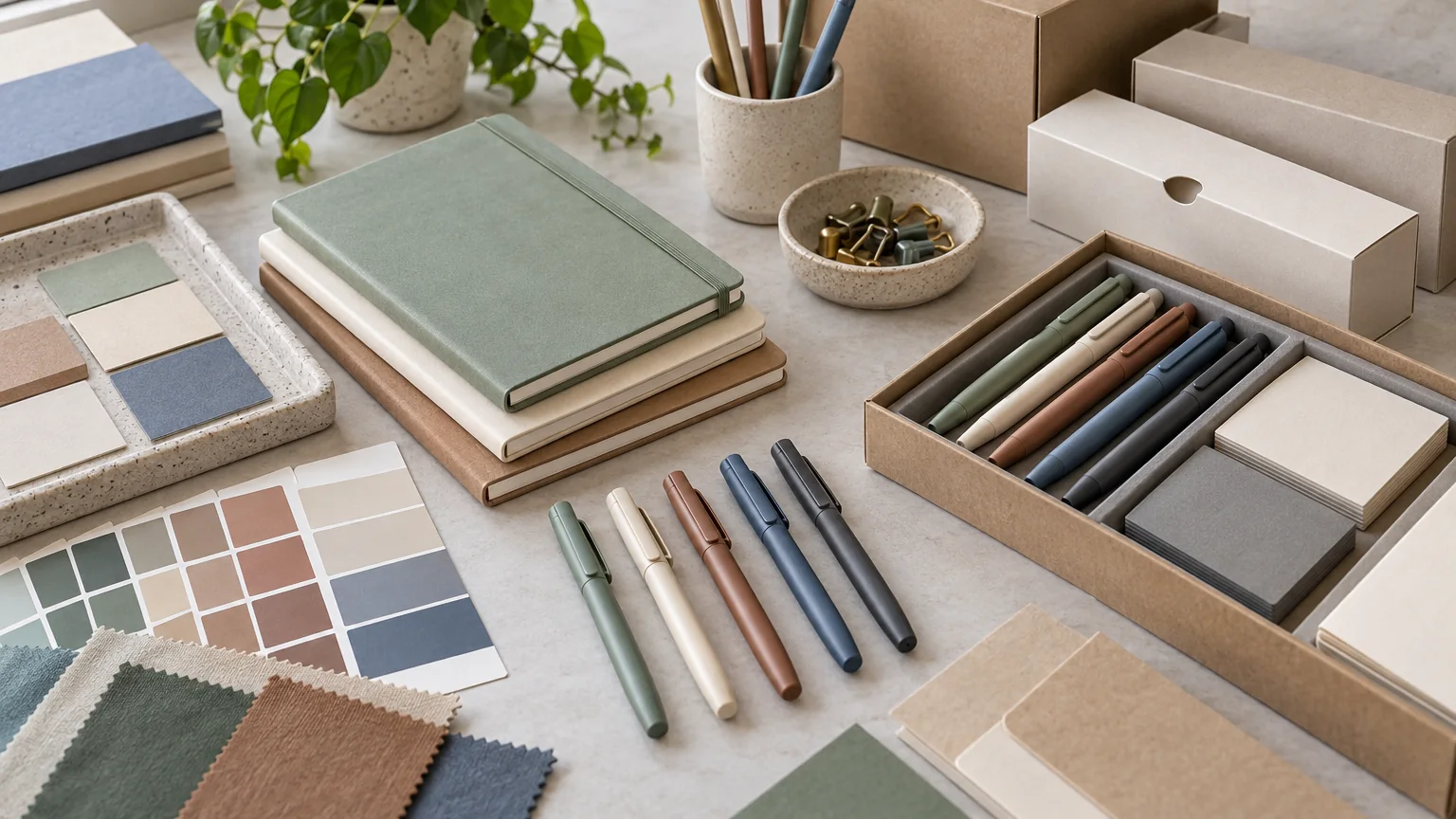
A private-label launch depends on matching the physical product, art, and packing revisions. Treat each sign-off as a controlled base. Then the quote, sample, and finished set describe the same order.
Quick Answer
Private label stationery makers need a finished-product brief, not just a logo file. Define each item, ink or refill, colors, packing, target market, and pass checks. Start with a proven platform when speed matters. Use custom work when size or function must change.
Quick Links
- Private Label Stationery Manufacturers: Approval Gates
- Keep Sample and Artwork Revisions Together
- Turn the Brand Idea Into a Product Brief
- Select a Manufacturer by Process Fit
- Build the Sample and Approval Gates
- Compliance and Claims
- Packaging, MOQ and Repeat Orders
- FAQs
- Three Private-Label Launch Problems to Catch Early
Private Label Stationery Manufacturers: Approval Gates
| Inspection Evidence | Approval Decision |
|---|---|
| Revision list and final physical proof | Freeze one approved release set before production. |
| Complete packed sample and shipping configuration | Approve the assembled set as well as each item. |
| Separate product, color and packaging quantities | Resolve leftover inventory and reorder terms. |
Keep Sample and Artwork Revisions Together
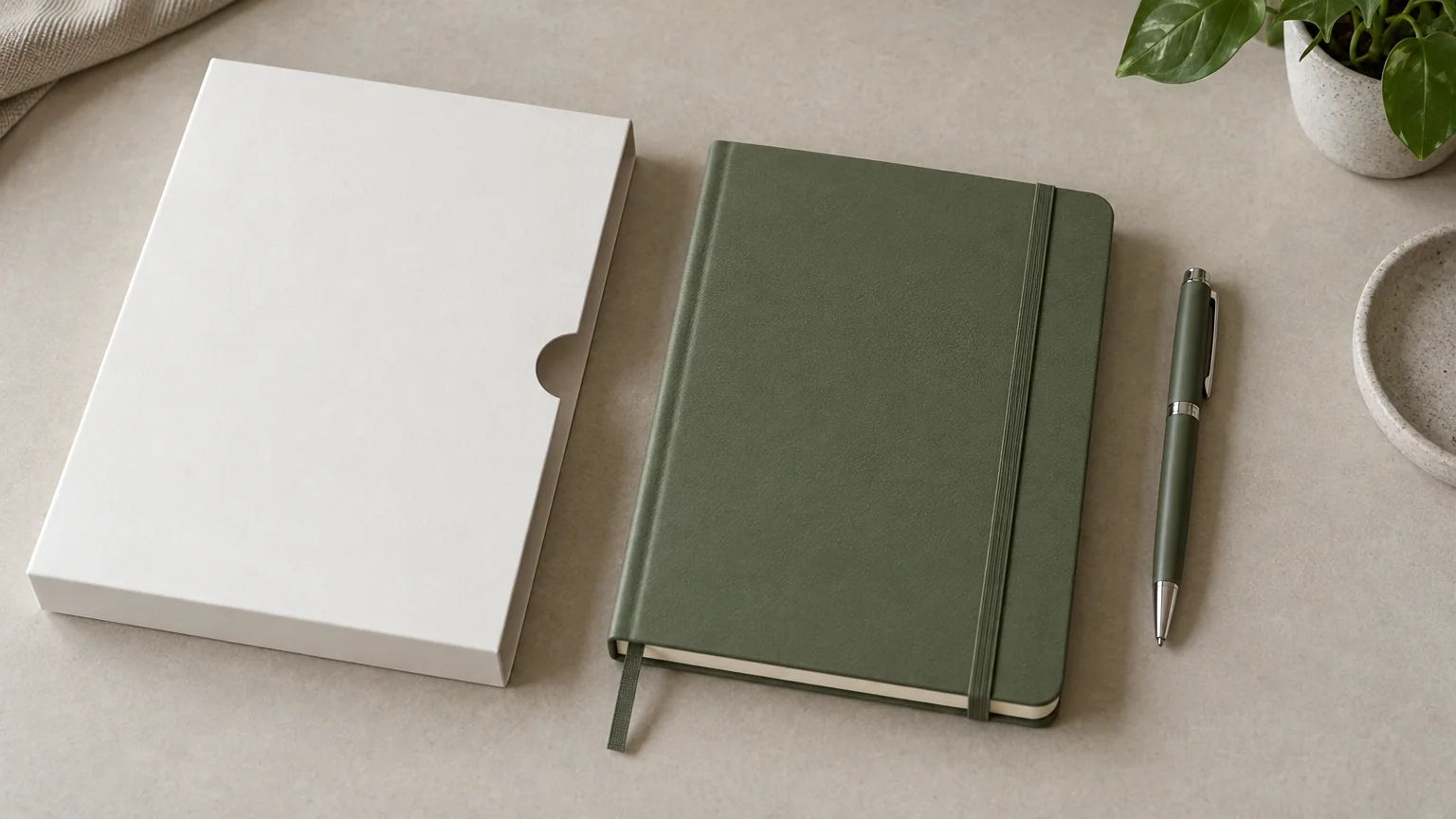
Give each product, art, and packing version a code. When a logo changes, review the proof. When ink changes, review writing and the product proof that fits. A signed first sample should not silently pass every later change.
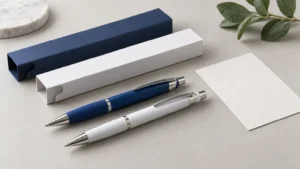
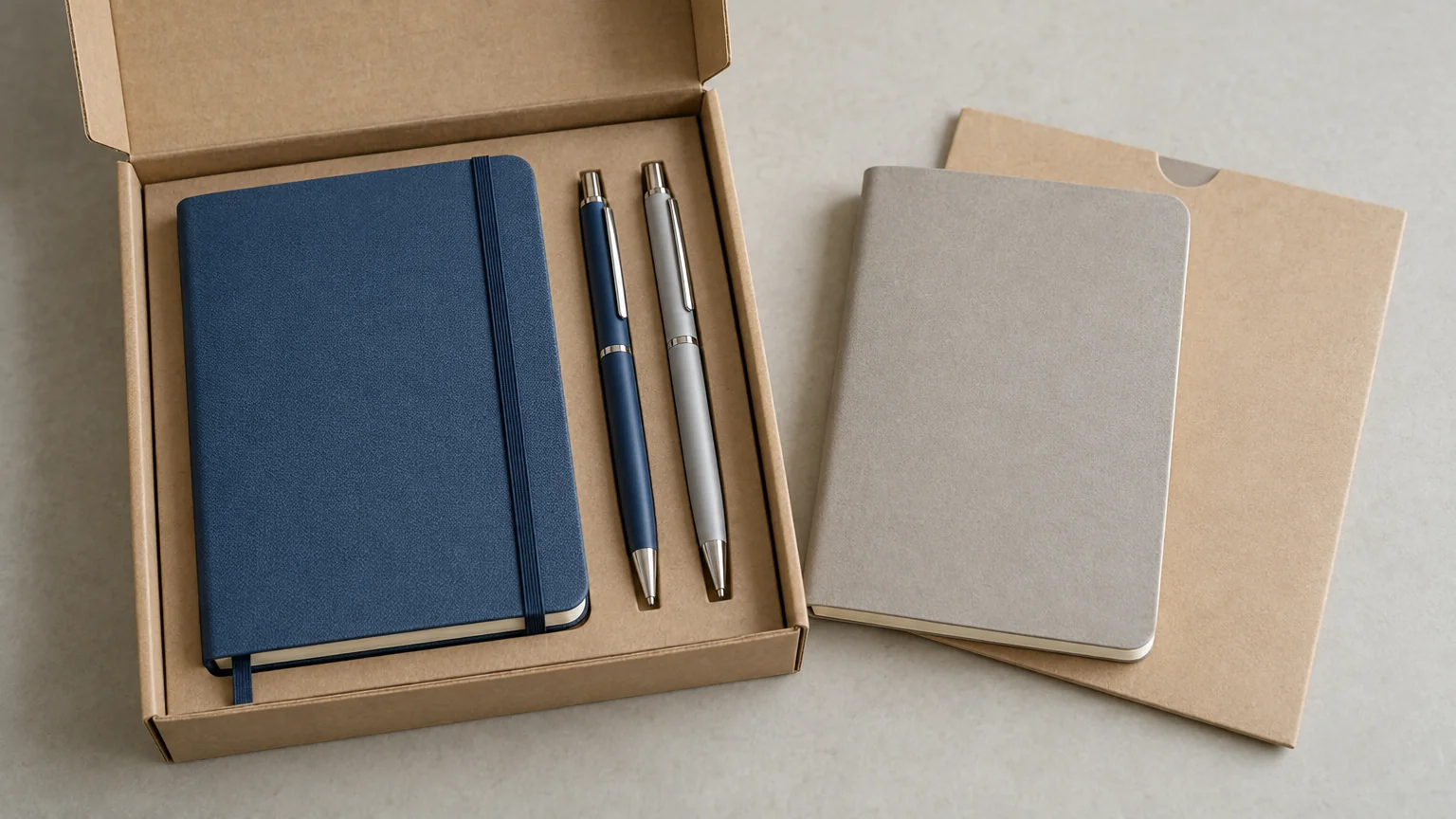
Check a multi-item pack as a set. Pens may pass alone while clips scratch nearby barrels or inserts fail to hold items in shipping. Ask for a packed sample and photos of the closed retail pack and shipping carton before release.
Turn the Brand Idea Into a Product Brief
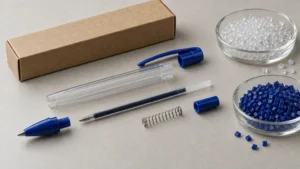
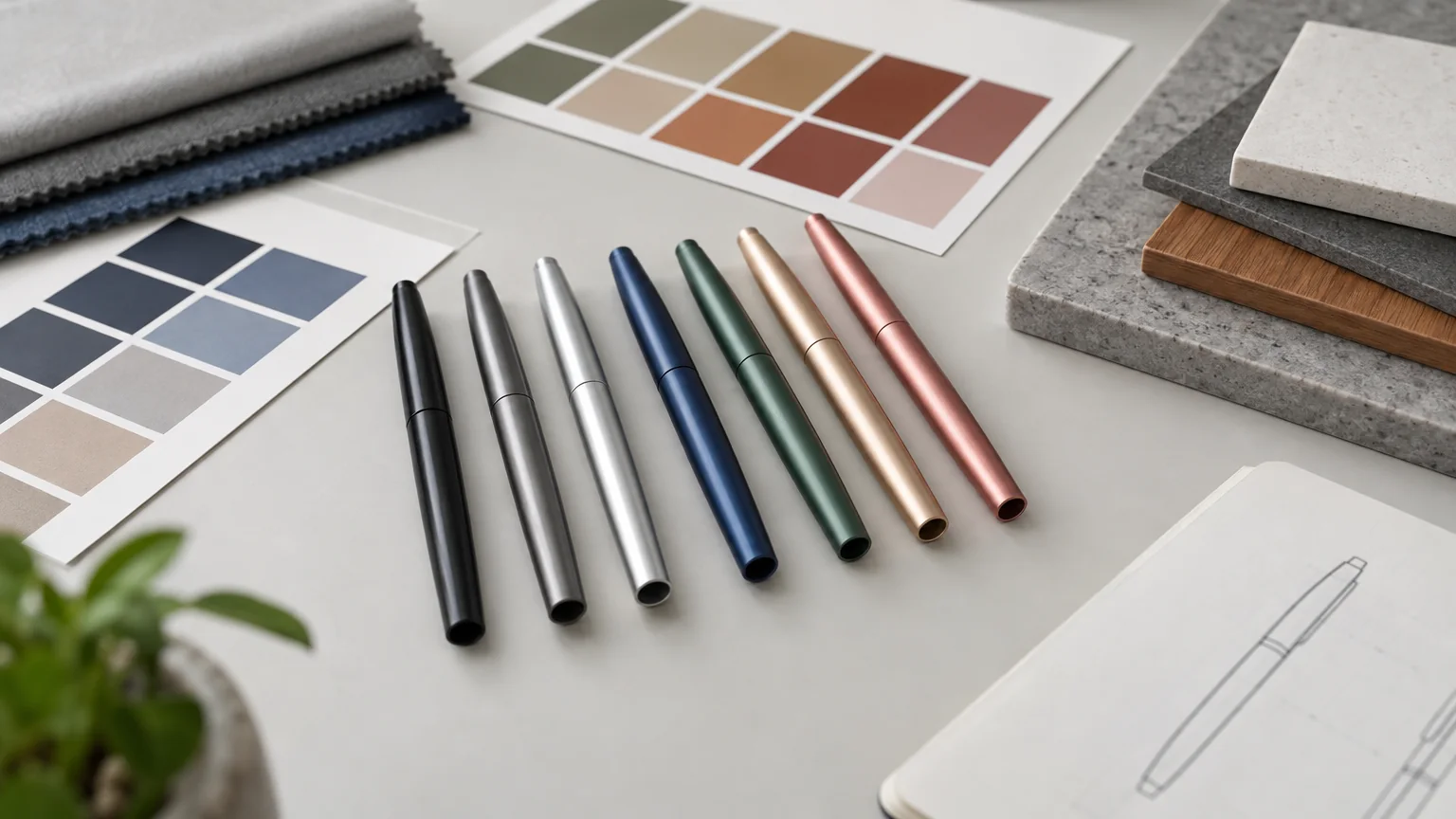
State what the pen or marker must do. Say where it will be used. Say how it will be sold. Say what price build it must support. Include tip, line width, ink base, color set, body part, clip, cap or click flow, refill, logo method, and packing format.
Use the OEM/ODM pen manufacturing guide to shape discovery questions. If you need custom tooling, split mold spend from the per-piece quote with the custom pen manufacturing cost guide.
Select a Manufacturer by Process Fit
Ask whether the candidate molds, prints, fills, assembles, and packs in-house or works with outside teams. Process ownership changes lead time, tracking, and how fast a fix can be held. Ask for a sample made through the planned production route.
The factory audit checklist gives a practical method to check incoming parts, assembly, writing tests, packing, and complaint records. A polished showroom is not process proof.
Build the Sample and Approval Gates
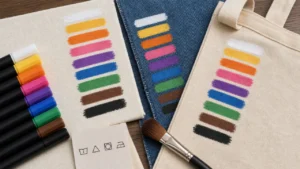
Plan a design sample, working sample, packing proof, and pre-production sample. Freeze the drawing, color base, logo art, barcode, warning copy, and carton layout before the final sign-off. Record every revision. Then the factory cannot build an old file by accident.
Test writing start, line width, color, leaks, cap hold, clip strength, drop, and shipping states that fit the product and destination. Keep samples from the passed lot.
Compliance and Claims
List the destination markets and the claims you plan to make. Ask which tests cover the finished product, which cover the ink or raw part, and which are only supplier notes. If the product is for children, skin contact, or food-adjacent use, set the specialist review before art is final.
Packaging, MOQ and Repeat Orders
Quote product MOQ, color MOQ, packing MOQ, and carton MOQ apart. Confirm who buys parts and who holds spare packing. See how a design change hits old stock. Decide how art, molds, and kept samples are stored and moved if the supplier tie ends.
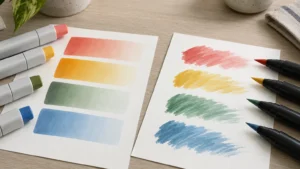
Review acrylic marker packing options for real picks on blister, box, insert, and carton guard. Packing is part of product quality. It controls damage, cap loss, and shelf look.
Three Private-Label Launch Problems to Catch Early
The checks below name common failure modes and the proof needed to fix them. They are a buying and check frame, not measured claims for a ZH Stationery SKU.
- An obsolete artwork version reaches production. A new logo file does not automatically replace every packaging or print proof.
- Individual items pass but the set fails. Items can scratch one another or shift inside the retail pack.
- MOQ commitments are hidden. Body colors and printed packaging may carry different minimums.
For a product-format start, review the stationery set formats. Confirm the exact model and planned use before treating a catalog option as a match.
Sources and Scope
manufacturer guidance applies to the named product. Follow the steps for your exact item. These tables and buyer checks are editorial help, not tests run by ZH Stationery.
FAQs
What should I send a private-label manufacturer first?
Send a product brief with function, target market, parts, art stage, packing, volume, timing, and required documents.
Can a factory use a stock pen for private label?
Yes, if the stock spec, logo flow, packing, and compliance scope fit the brand and are written down.
When should I pass the logo?
Pass logo art together with the final body, color, print method, and packing proof. That controls look and spot.
How do I protect repeat-order steadiness?
Freeze the passed sample, drawings, color bases, batch controls, and the change-notice flow.
Build a Private-Label Stationery Brief
Send ZH Stationery your item list, art stage, market, quantities, and retail packing. Use the inquiry to ask for project-specific details before sample sign-off:
- Product fit: available models and any limitations against your brief.
- Sample and quotation scope: sample availability and charges, MOQ by variation, packaging options and lead time after approval.
- Evidence: the relevant specification, document scope and proposed acceptance checks for the offered item.
For custom work, review the OEM/ODM manufacturing guide before you decide which changes belong in the quote. Sample terms and performance needs must be set for the exact project.