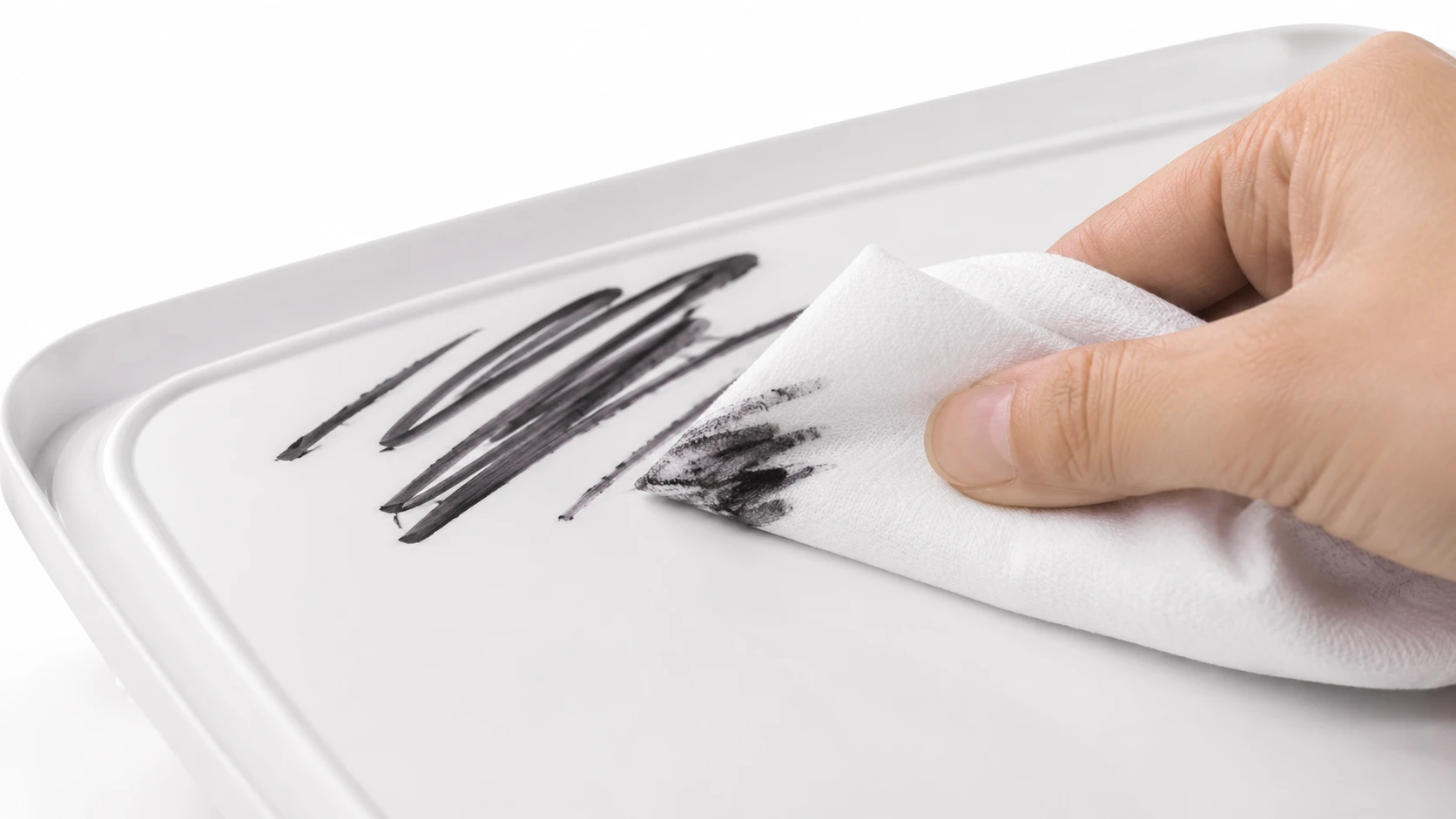
누군가 플라스틱 보관함에 영구 마커로 글을 씁니다. 그런데 마음이 바뀝니다. 물로는 지워지지 않습니다. 비누로도 지워지지 않습니다. 유리 세정제는 기껏해야 희미한 얼룩만 남깁니다. 마커는 원래 그렇게 만들어졌기 때문에 제 역할을 하고 있는 것입니다. 사용자는 감동하지 않습니다.
영구 마커를 소싱하는 B2B 바이어에게는 그 순간이 중요합니다. 플라스틱에서 영구 마커를 지울 수 없는 모든 최종 사용자는 화학 성분이 아니라 브랜드를 탓합니다. 어떤 마커가 자신을 실망시켰는지 기억합니다.
제거 문제는 무작위가 아닙니다. 잉크 포뮬러가 제 역할을 얼마나 잘 하는지 측정하는 척도입니다. 영구 마커가 플라스틱에 접착되는 원리를 알아야 합니다. 그 접착을 깨는 용매 화학을 알아야 합니다. 그러면 주문하기 전에 잉크 품질을 판단하는 실제 방법을 갖게 됩니다.
목차
빠른 답변: 플라스틱에서 영구 마커를 제거하는 방법
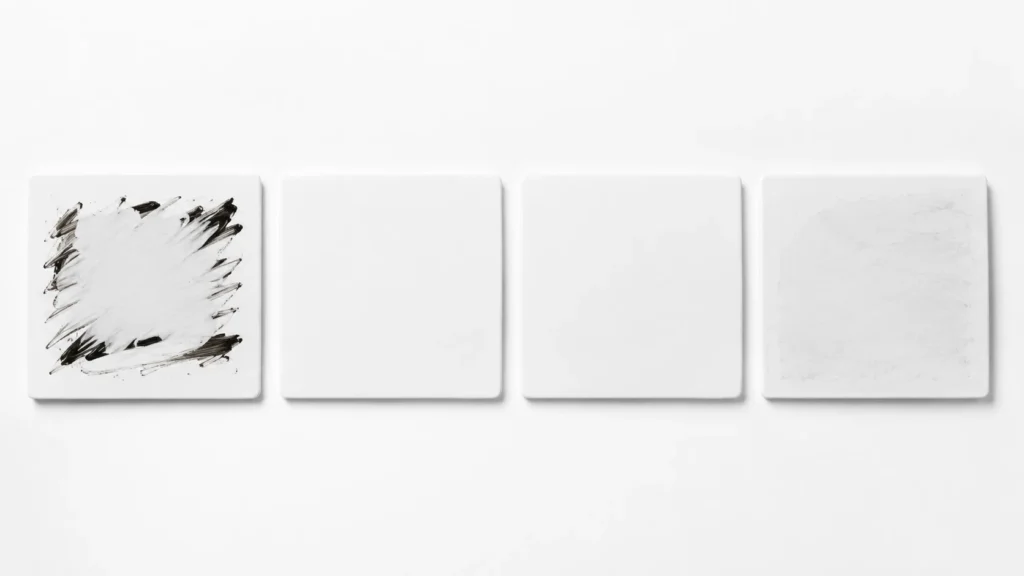
아래 각 방법은 잉크의 다른 부분을 공략한다. 효과가 있는 방법은 매직펜이 어떤 용제 시스템을 사용하는지 알려준다:
- 소독용 알코올 (이소프로필, 70~90%) 대부분의 유성 매직을 처리한다. 아크릴 수지가 완전히 경화되기 전에 재용해시킨다. 먼저 시도하라. 천에 묻혀 부드럽게 문지르면 잉크가 떠오른다.
- 아세톤 (네일 리무버) 더 강력하다. 경화 후에도 아크릴을 용해시킨다. 그러나 아세톤은 일부 플라스틱도 용해시킨다. ABS, 폴리스티렌, 도장된 표면은 접촉 시 흐려지거나 부드러워진다. 숨겨진 부분에서 먼저 테스트하라.
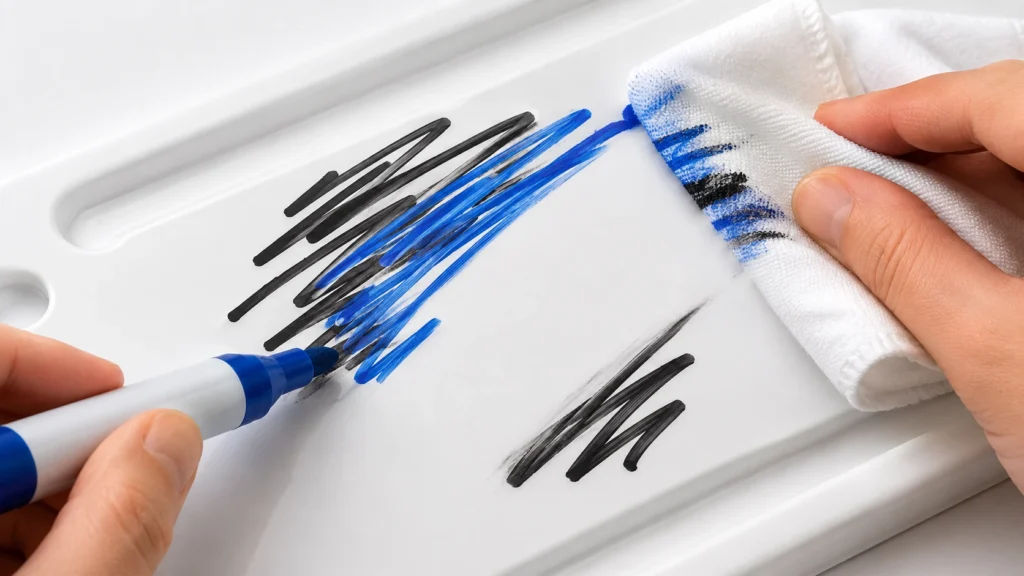
- 드라이 이레이즈 매직 트릭. 유성 매직 자국 위에 드라이 이레이즈 잉크로 낙서하고 닦아낸다. 드라이 이레이즈 잉크의 용제가 유성 수지를 재액화시킨다. 두 매직펜 모두 알코올 캐리어를 공유한다. 민감한 플라스틱에 가장 부드러운 방법이다.
- 베이킹 소다 페이스트. 베이킹 소다에 물 몇 방울을 섞어 걸쭉한 페이스트를 만든다. 천으로 부드럽게 문지르고 헹군다. 약한 연마가 잉크 막을 물리적으로 들어 올린다. 용제만으로는 홈 속의 안료에 닿을 수 없는 질감 있는 플라스틱에 효과적이다.
- 상업용 세정제 (Goo Gone, 매직 지우개). 용제와 미세 연마의 조합. 경화된 오래된 얼룩에 효과적이다. 먼저 숨겨진 플라스틱에서 테스트하라. 일부는 특정 폴리머를 녹이는 석유 증류액을 포함한다.
브랜드 소유자와 구매 팀의 경우, 이러한 요소는 더 명확한 소싱 및 품질 검사 기준을 설정하는 데 도움이 됩니다.
제거 난이도가 영구 마커 잉크 품질에 대해 시사하는 바
모든 제거 방법은 잉크가 지워지거나 지워지지 않거나 둘 중 하나입니다. 그 이유는 포뮬러에 대해 정확한 정보를 알려줍니다. B2B 바이어에게 제거 프로파일은 사양서보다 원료 품질에 대해 더 많은 것을 말해줍니다.
| 제거 방법 | 작동 원리 | 잉크에 대해 알려주는 것 | B2B 품질 신호 |
| 소독용 알코올 | 완전 경화 전 아크릴 수지 재용해 | 잉크는 알코올 가용성 아크릴 사용; 안료는 현탁되어 있고 결합되지 않음 | 표준 알코올 기반 조성. 수지 경화 시간과 용제 순도 확인 |
| 아세톤 | 경화된 아크릴 용해; 더 강력한 용제 작용 | 수지는 아크릴이며 케톤 용제에 반응 | 견고한 아크릴 시스템. 산업용 영구성에 적합. 아세톤 내성은 더 높은 등급의 수지를 의미 |
| 드라이 이레이즈 매직 덮어쓰기 | 드라이 이레이즈 잉크의 알코올 용제가 유성 수지를 재액화 | 두 매직펜 모두 알코올 캐리어 공유; 수지 호환 가능 | 업계 표준 용제 화학. 실패 시 매직펜이 자일렌이나 톨루엔을 사용할 수 있으며, 이는 다른 품질 등급을 의미 |
| 베이킹 소다 (연마) | 건조된 잉크 막을 표면에서 물리적으로 들어 올림 | 잉크 막은 기계적 접착력; 안료는 경화된 수지에 고정 | 내구성 있는 막, 영구성에 적합. 베이킹 소다만으로 쉽게 제거되면 막이 실제 영구 사용에 너무 약할 수 있음 |
| 아무것도 작동하지 않음 | 수지가 완전히 가교 결합되고 플라스틱에 화학적으로 결합 | 높은 성능의 수지와 강한 기질 접착력 | 진정한 영구성. 산업용 라벨링에 원하는 것. 소비자 제품의 경우 이 수준이 불만을 유발할 수 있음 |
영구 마커는 영구적이어야 합니다. 진짜 질문은 최종 사용자가 직면하는 조건에서 지워지는지 여부입니다. 알코올에는 끄떡없지만 아세톤에는 지워지는 마커는 사무실과 학교용으로 잘 만들어졌습니다. 아세톤을 포함해 모든 것에 저항하는 마커는 영구성이 유일한 목표인 산업용 라벨용으로 만들어졌습니다. 시장이 다르면 포뮬러도 다릅니다.
왜 퍼머넌트 마커가 플라스틱에 부착되는가
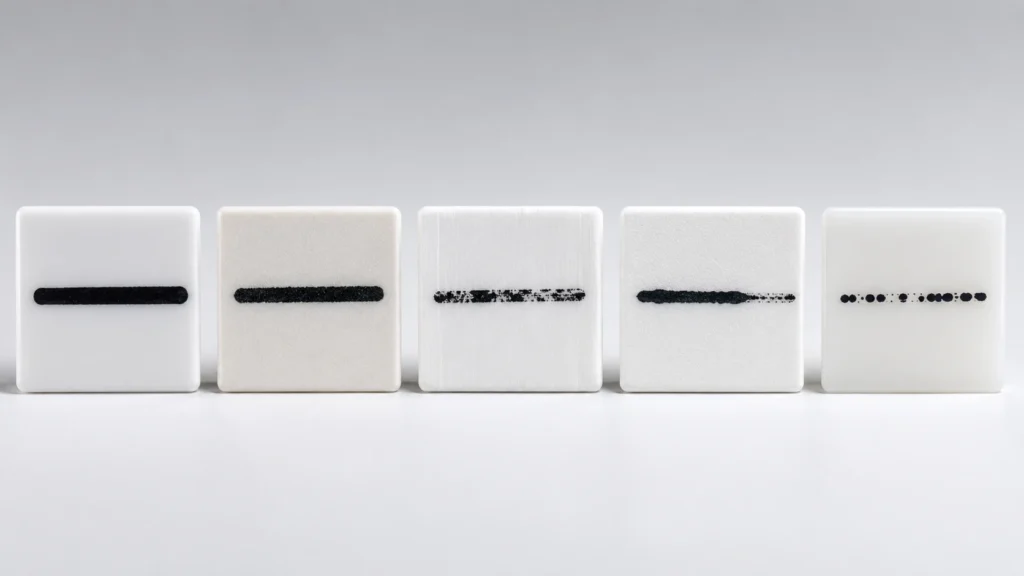
플라스틱은 하나의 재료가 아닙니다. 폴리머의 한 계열입니다. 각각 고유한 표면 화학을 가지고 있습니다. 마커가 닿는 플라스틱의 종류에 따라 어떤 제거 방법이 한 표면에서는 효과가 있고 다른 표면에서는 실패하는지 설명됩니다.
폴리에틸렌 과 폴리프로필렌은 접착하기 가장 어렵습니다. 표면 에너지가 낮습니다. 액체가 퍼지지 않고 방울로 맺힙니다. 영구 잉크는 모양으로 이 표면에 붙습니다. 수지 필름이 미세 질감을 감싸고 제자리에 굳습니다. 일반적으로 이소프로필 알코올이 효과가 있는 이유는 수지를 다시 녹여 기계적 접착을 깨기 때문입니다. 깨뜨릴 화학적 결합이 없습니다.
폴리스티렌과 ABS는 접착하기 쉽고 손상시키기도 쉽습니다. 영구 잉크의 아크릴 수지는 이러한 플라스틱 표면을 부분적으로 녹일 수 있습니다. 그러면 접합부에 혼합 폴리머 층이 생깁니다. 여기서는 아세톤이 잘 작동합니다. 또한 여기서는 손상을 입힙니다. 같은 용매, 두 가지 효과.
폴리카보네이트(PC)와 아크릴(PMMA) 과 아크릴은 중간에 위치합니다. 폴리스티렌보다 대부분의 용매에 더 잘 견딥니다. 폴리에틸렌보다 더 쉽게 접착됩니다. 일반적으로 알코올로 충분합니다. 아세톤은 피하십시오. 폴리카보네이트를 거의 즉시 미세 균열이 가거나 흐려지게 합니다.
폴리염화비닐은 배관, 비닐, 일부 포장재에 나타납니다. 중간 정도의 내화학성을 가집니다. 알코올은 안전합니다. 아세톤은 충분한 접촉 시간이 있으면 PVC를 부드럽게 합니다.
같은 마커라도 이러한 표면에 따라 다르게 작동합니다. 폴리프로필렌 배송 라벨에 잘 쓰이는 마커가 폴리스티렌 펜 몸통에서는 번질 수 있습니다. 바이어가 다양한 플라스틱에 마커를 사용한다면 공급업체에 여러 기재에 대한 접착 데이터를 요청하십시오. 한 표면만 테스트하는 공장은 신뢰할 수 있는 데이터를 제공하지 않습니다.
영구 vs. 드라이 이레이즈: 하나의 폴리머 차이
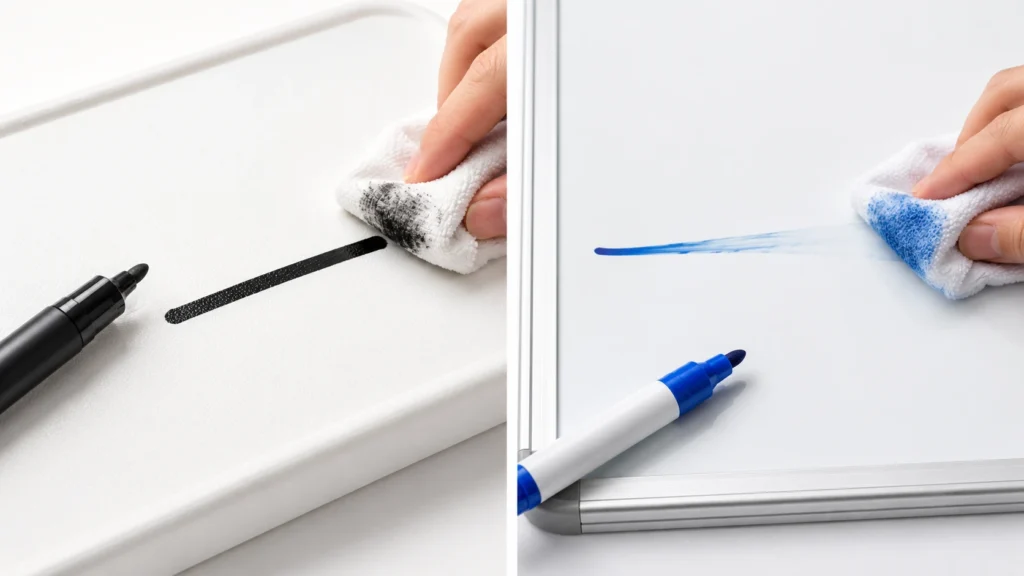
영구 마커와 드라이 이레이즈 마커는 내부 구조가 거의 동일합니다. 둘 다 폴리에스터 코어, 펠트 또는 섬유 팁, 알코올 용매 캐리어를 사용합니다. 에 따르면 유성 매직은, 전체 차이는 한 가지 성분입니다. 폴리머.
드라이 이레이즈 매직은 아크릴을 실리콘 폴리머로 대체한다. 실리콘은 표면에 부착되지 않고 막을 형성한다. 마른 천이 한 번에 전체 막을 들어 올린다. 결합이 없다. 그러나 동일한 실리콘이 드라이 이레이즈 매직이 옷에 얼룩을 남기는 이유다. 물을 밀어내므로 세제가 밑의 안료에 닿지 않는다.. 알코올은 증발합니다. 아크릴은 경화되어 표면에 접착하는 단단한 필름을 형성합니다. 아크릴 물감과 동일한 화학 원리입니다. 경화 후에는 내구성이 있고 방수 기능이 있으며, 적합한 용매 없이는 제거하기 어렵습니다.
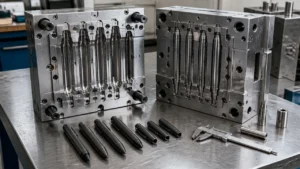
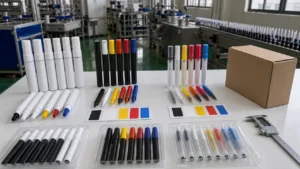
ZH STATIONERY는 자체 잉크 R&D 연구소를 운영하며 26년 이상의 OEM/ODM 작업을 통해 매직펜(유성 매직 포함)용 맞춤형 잉크를 조성해 왔다. 프라이빗 라벨 유성 매직 라인을 구축하는 구매자에게 수지 화학 및 용제 비율을 특정 최종 사용자 요구 사항에 맞게 조정하는 능력은 카탈로그 주문을 사양 논의로 전환시킨다. 실리콘 폴리머. 실리콘은 표면에 부착되지 않고 그 위에 막을 형성합니다. 마른 천으로 한 번 닦으면 필름 전체가 제거됩니다. 접착력이 없습니다. 바로 그 실리콘 때문에 드라이 이레이즈 마커가 옷에 얼룩을 남깁니다. 물을 밀어내므로 비누가 아래의 색소에 닿지 못합니다.
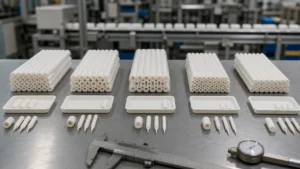
두 종류를 모두 생산하는 공장은 두 개의 별도 폴리머 시스템을 운영합니다. 영구 마커는 접착력과 제거 용이성 사이의 정확한 아크릴 균형이 필요합니다. 드라이 이레이즈 마커는 지우기 쉬움과 필름 강도 사이의 정확한 실리콘 균형이 필요합니다. 사내 잉크 R&D를 갖춘 공장은 외부에서 사전 혼합된 잉크를 구매하는 대신 공식 수준에서 두 가지를 모두 보유합니다.
ZH Stationery runs its own ink lab. It has built custom inks for marker pens, permanent markers included, across 26-plus years of OEM/ODM work. See the 제품 범위. 자체 브랜드 라인의 경우, 최종 사용자 요구에 맞게 수지 화학과 용매 비율을 조정할 수 있는 능력은 카탈로그 주문을 사양 논의로 바꿔줍니다.
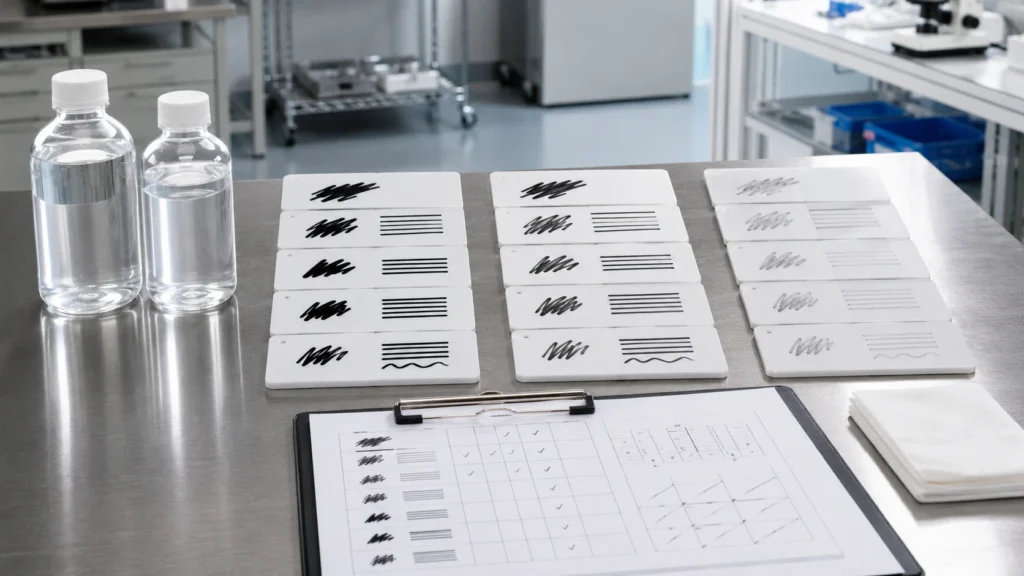
B2B 구매자가 영구 마커를 주문하기 전에 테스트해야 할 사항
카탈로그에서 영구적이고 방수라고 주장하는 것만으로는 아무 의미가 없습니다. 네 가지 테스트를 통해 잉크가 실제로 무엇을 하는지 알 수 있습니다.
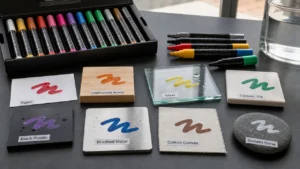
- 대상 기재에 대한 접착성. 고객이 사용하는 실제 플라스틱에 필기하십시오. 폴리프로필렌 통, PVC 파이프, ABS 하우징, 폴리카보네이트 안경. 잉크를 1시간 동안 경화시킨 후 제거를 시도하십시오. 어떤 표면이 유지되고 어떤 표면이 분리되는지 기록하십시오. 이것이 실제 성능 기준입니다.
- 내용제성. 24시간 경화 후 알코올, 아세톤, 상업용 세척제로 제거 테스트를 진행하십시오. 우수한 영구 마커 는 비다공성 플라스틱에서 알코올에 저항해야 하지만 아세톤. 에는 반응해야 합니다. 알코올만으로 잉크가 제거된다면 수지 경화가 약한 것입니다. 어떤 용제로도 제거되지 않는다면 산업용 등급의 배합입니다. 이것이 시장에 적합한지 판단하십시오.
- 완전 경화 후 내수성. 플라스틱에 필기한 후 24시간 경화시키고 1시간 동안 물에 담그십시오. 잉크가 번지거나, 들뜨거나, 퇴색되지 않아야 합니다. 내수성은 영구 표시 제품의 기본 요건입니다. 이 테스트를 통과하지 못하면 수지 시스템에 문제가 있는 것입니다.
- 내UV성 및 내퇴색성. 표시된 플라스틱 샘플을 직사광선에 72시간 노출시킨 후 노출되지 않은 대조군과 비교하십시오. 옥외, 건설, 조경, 운송 분야에서 사용되는 마커는 UV 안정성이 있는 안료가 필요합니다. 잉크가 며칠 내에 퇴색된다면 산업 사용자가 문제를 인지할 것입니다. 공급업체에 사용하는 안료 화학 성분과 UV 안정제 혼합 여부를 문의하십시오.
A factory running 100 percent check on every unit, with batch QC files, can make this data. The question for suppliers is not is your marker permanent. Ask: can you show grip results on polypropylene, ABS, and polycarbonate after 24 hour cure, with solvent resistance data? See the 공장 견학.
자주 묻는 질문
플라스틱에서 영구 마커를 제거하는 가장 좋은 방법은 무엇인가요?
70~90% 농도의 이소프로필 알코올을 천에 묻혀 부드럽게 문지릅니다. 완전히 경화되기 전에 아크릴 수지를 다시 용해시킵니다. 경화된 얼룩에는 아세톤으로 넘어갑니다. 먼저 숨겨진 부분에 테스트하세요. 아세톤은 일부 플라스틱을 녹입니다. 드라이 이레이즈 트릭은 섬세한 표면에 가장 안전합니다. 드라이 이레이즈 잉크를 마크 위에 낙서한 후 둘 다 닦아냅니다. B2B 마커 가이드 라인 컨텍스트를 추가합니다.
왜 영구 마커가 플라스틱에 그렇게 강하게 부착되는가?
아크릴 수지가 바인더입니다. 알코올은 증발합니다. 아크릴은 경화되어 플라스틱에 달라붙는 단단한 필름을 형성합니다. 약간 거친 표면에서는 수지가 미세한 질감 속으로 흘러 들어가 모양에 의해 고정됩니다. 알코올은 경화되기 전에 아크릴을 다시 용해시켜 제거합니다. 완전 경화 후에는 아세톤이 필요합니다.
왜 드라이 이레이즈 마커가 영구 마커를 지울 수 있나요?
두 마커 유형 모두 알코올 용제 캐리어를 사용합니다. 영구 마커 위에 드라이 이레이즈를 낙서합니다. 드라이 이레이즈 잉크의 알코올이 아크릴 수지를 다시 액화시킵니다. 그런 다음 드라이 이레이즈 잉크의 실리콘 이형제가 느슨해진 안료를 코팅하여 재결합을 방지합니다. 한 번 닦으면 모두 제거됩니다. 이 트릭은 두 마커가 서로 다른 폴리머를 사용하더라도 용제 화학을 공유하기 때문에 작동합니다.
모든 플라스틱에서 영구 마커가 동일한 방식으로 지워지나요?
아니요. PE와 PP는 알코올로 가장 쉽게 제거됩니다. 결합은 화학적이 아니라 모양에 의한 것입니다. 과 ABS는 더 강하게 결합되며, 아세톤이 더 효과적이지만 아세톤은 이 플라스틱을 손상시킵니다. 폴리카보네이트는 아세톤에 민감하여 접촉 시 균열이 발생할 수 있습니다. 항상 청소할 정확한 플라스틱의 숨겨진 부분에서 테스트하십시오. 와 ABS는 더 단단히 고정됩니다. 아세톤이 더 효과적이지만 동시에 이들을 손상시킵니다. 폴리카보네이트는 아세톤에 민감하여 접촉 시 미세 균열이 발생합니다. 청소할 정확한 플라스틱의 숨겨진 부분에 항상 테스트하세요.
영구 마커를 진정으로 영구적으로 만드는 요소는 무엇인가요?
The resin load, the cure chemistry, and the pigment type. More resin makes a stronger film. Some formulas cross-link for extra life. Carbon black and iron oxide hold under UV far better than organic dyes. A marker that washes off with water has a resin problem. One that fades in sun has a pigment problem. ZH Stationery, through its ink lab, tunes these by need. See the 당사는 젤펜 및 OEM 마커 솔루션의 최신 혁신 제품을 선보일 예정입니다. 그리고 페인트 마커 공정 페이지를 참조하십시오.
B2B 구매자가 구매 전 영구 마커 품질을 테스트하는 방법은 무엇인가요?
Test grip on the real plastics your buyers use, not the factory card. Test solvent resistance after 24 hour cure with alcohol and acetone. Test water by soaking a marked sample for one hour. Test UV with 72 hours of direct sun. If the supplier cannot give this data for your SKU, the claims are not verified. ZH Stationery puts batch grip and life files in the QC pack for permanent orders.
Knowing how to remove permanent marker from plastic tells you more about formula quality than any catalog claim. If you source permanent markers for industrial labels, office supply, or private label, contact ZH Stationery to talk ink specs. See the 잉크 품질 가이드, 그 알코올 마커 제조업체, 또는 문의 페이지.
관련 가이드: 화이트보드 마커 얼룩 제거.
관련 가이드: 3D 프린팅용 페인트 마커.