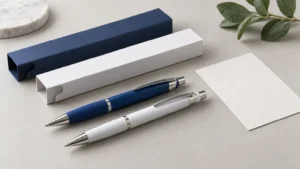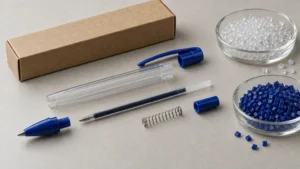


어린이용 마커를 소싱할 때, 진정으로 안전한 식품 등급 마커 잉크를 찾는 것이 대부분의 B2B 브랜드에게 가장 큰 걱정거리입니다. 대부분의 비즈니스에서 답은 안전입니다. 하나의 화학적 리스크가 리콜, 값비싼 법적 분쟁, 브랜드 붕괴로 이어질 수 있습니다. 오늘날 구매자들은 무독성 또는 식품 등급 제품을 요구합니다.
수년간의 R&D 경험을 가진 소스 공장으로서, 업계의 사실을 공유해야 합니다. 모든 식품 등급 마커가 진정으로 안전한 것은 아닙니다. 실제 화학적 안전이 무엇을 의미하는지 살펴보겠습니다. 당사 공장이 첨단 잉크 기술을 사용하여 어린이와 귀사의 비즈니스를 어떻게 보호하는지 보여드리겠습니다.
1. 가짜 “식품 등급” 주장의 허점
식품 등급이라는 용어는 종종 마케팅 수법입니다. 많은 공장이 위험한 지름길을 사용합니다. 그들은 잉크를 빨갛게 또는 파랗게 만드는 염료인 식품 등급 착색제를 사용합니다. 그런 다음 포장에 '식품 등급'이라고 인쇄합니다. 나머지 성분은 무시합니다.
잉크는 색상만이 아닙니다. 액체가 흐르도록 유지하는 용매가 필요합니다. 곰팡이를 방지하는 방부제가 필요합니다. 저가의 품질이 낮은 마커에서는 이러한 숨겨진 부분이 종종 가혹한 산업용 화학물질입니다.
어린이가 손에 잉크를 묻히거나 캡을 입에 넣을 수 있습니다. 계획된 연령대와 예상 사용을 고려하여 완제품을 확인하세요. 전체 포뮬러, 캡, 엔드 플러그를 검토하세요. '산업용 방부제'라는 단어만으로 특정 질병이나 장기적 영향을 추측하지 마세요. 성분 식별, 노출, 제품별 검토가 중요합니다.

2. 당사의 혁신: “잉크를 식품처럼” 기준
이 업계 문제를 해결하기 위해 당사 R&D 팀은 엄격한 새로운 기준을 수립했습니다. 이를 '잉크를 식품처럼' 아이디어라고 부릅니다. 당사 마커 잉크 내부의 모든 단일 부품은 다음과 같은 엄격한 식품 첨가물 기준을 충족해야 합니다. 과 같은 엄격한 식품 첨가물 기준을 충족해야 함을 의미합니다. 착색제만 바꾸는 것이 아니라 용제, 결합제, 방부제를 천연의 식품 안전 대체품으로 변경합니다.. 우리는 단순히 착색제만 바꾸지 않습니다. 용제, 바인더, 보존제를 천연, 식품 안전 성분으로 바꿉니다. 우리의 팀 이 이 작업을 담당합니다.
이렇게 물을 수 있습니다: 천연 성분을 사용하면 마커가 여전히 잘 그려지나요? 답은 그렇습니다. 고급 블렌드 및 에멀전 기술로 우리 엔지니어들은 잉크를 밝고 부드럽고 안정적으로 유지합니다. 종이 위에서 색상이 깊고 선명합니다. 잉크가 너무 빨리 마르지 않고 잘 흐릅니다. 우리는 아이들을 위한 고품질 미술 도구를 만들기 위해 독성 화학 물질이 필요하지 않다는 것을 증명했습니다.
안전한 잉크를 만드는 가장 큰 과제는 박테리아와 곰팡이를 막는 것입니다. 마커는 매장 선반과 창고에 몇 달간 보관됩니다. 방부제가 없으면 수성 잉크는 빠르게 위험한 곰팡이를 키울 것입니다. 전통적인 공장은 이를 해결하기 위해 강력한 화학 살생물제를 사용합니다. 우리는 그런 지름길을 거부했습니다. 대신, 천연 식품 등급 방부제만을 사용하는 독특한 방어 시스템을 개발했습니다.
안전한 잉크의 가장 어려운 부분은 박테리아와 곰팡이를 막는 것입니다. 마커는 몇 달 동안 선반과 창고에 놓여 있습니다. 보존제 없이는 수성 잉크가 빠르게 곰팡이가 생길 수 있습니다. 구식 공장은 강한 화학 살생물제를 사용합니다. 우리는 그 지름길을 거부했습니다. 우리는 천연, 식품 등급 보존제만으로 방어 시스템을 구축했습니다.
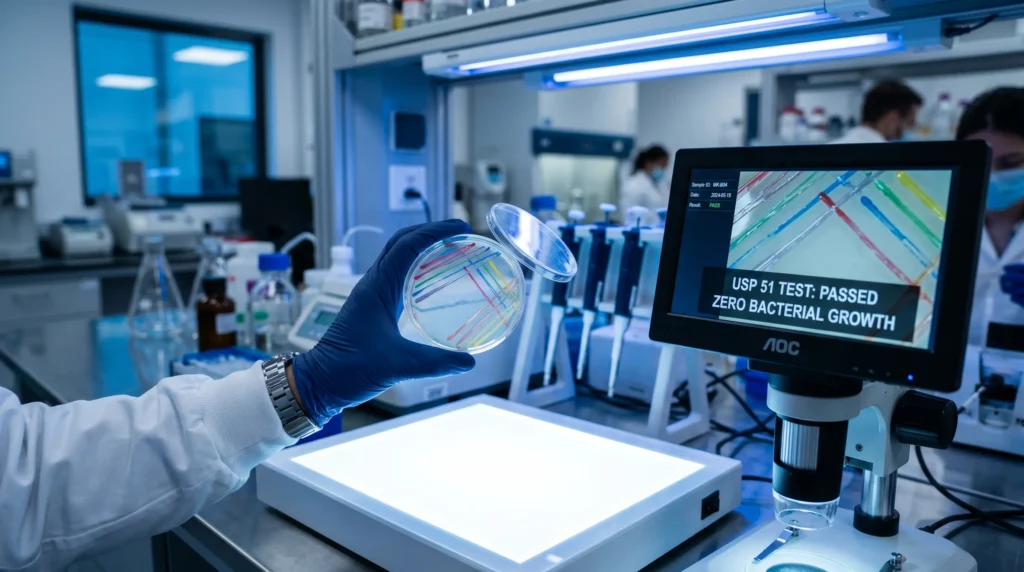
이것이 효과가 있음을 증명하기 위해, 우리는 잉크를 공인 제3자 실험실에 보내 를 의뢰했습니다. 이는 제품이 세균 증식을 막을 수 있는지 확인하기 위해 전 세계적으로 사용되는 매우 엄격한 테스트입니다. 실험실은 까다로운 박테리아인을(를) 받았습니다. 이것은 엄격한 글로벌 테스트입니다. 제품이 세균 증식을 막는지 확인합니다. 실험실은 대장균과 황색포도상구균 같은 강한 박테리아에 대해 테스트했습니다. 또한 칸디다 알비칸스 같은 강한 곰팡이도 테스트했습니다.
ZH Stationery has confirmed that supporting USP 51 test records exist. They include counts below 10 cfu/g at days 14 and 28. Review the real report for the tested formula, organisms, method, and pass rules. Below 10 cfu/g is not proof of zero germs. An antimicrobial result does not by itself mean the ink is edible. It also does not review every chemical exposure risk.
4. 정직과 신뢰: “식품 등급”이 “섭취 가능”을 의미하지 않는 이유”
저희 공장에서는 B2B 파트너와 최종 사용자에게 완전한 정직성을 믿습니다. 따라서 명확한 경고를 밝혀야 합니다. 저희 잉크 부품이 식품에 안전할 만큼 충분하더라도 마커는 식용이 아닙니다.
왜일까요? 필기구 공장은 식품 주방이 아닙니다. 성형 기계, 공장 공기, 조립 라인은 엄격한 산업 안전 기준을 따릅니다. 식품 제조 위생 기준을 따르지 않습니다. 어린이가 마커를 먹어서는 안 됩니다.
식품 첨가물 부품이 완성된 마커를 식품이나 화장품 제품으로 만들지는 않습니다. 필기 용도와 경고를 명확히 유지하세요. 피부 접촉, 빨 가능성, 기타 실제 노출을 올바른 제품 검사를 통해 검토하세요. 화학적 위험을 0 또는 거의 0이라고 말하지 마세요.

5. 신뢰할 수 있는 소스 공장과 함께 신뢰받는 브랜드 구축
신뢰할 수 있는 프리미엄 필기구 브랜드를 원한다면 안전을 귀하만큼 진지하게 생각하는 제조업체가 필요합니다. 저희의 완전 식품 등급 잉크 마커는 EU의 EN71-3 및 EN71-9 규정을 포함한 엄격한 글로벌 기준을 통과합니다.
잉크의 심층 화학 작업을 관리하는 진정한 원천 공장을 선택함으로써 사용자를 보호합니다. 또한 규정 준수 실패로부터 글로벌 공급망을 보호합니다. 가짜 안전 라벨에 브랜드를 걸지 마십시오. 진정으로 안전하고 밝고 고품질의 마커를 교실과 가정에 제공하기 위해 저희와 협력하십시오.
관련 가이드: 2026년에 프리미엄 마커에 투자할 가치가 있는 이유.
관련 읽을거리
What “Food-Grade” Can and Cannot Mean for a Marker
The phrase gets used loosely, and the looseness is the problem. For a marker, “food-grade” cannot mean the ink is edible. It can mean some narrower and more defensible things: that the ink contains no substance prohibited under food-contact regulations, that the pigments used appear on an approved list, and that the finished ink passes a migration test appropriate to the intended contact scenario.
Each of those claims requires a specific document. “No prohibited substances” needs a formulation review against the relevant positive list. “Approved pigments” needs the color index numbers named. “Passes migration” needs a test report naming the simulant, the temperature, the contact time, and the detection limit.
A supplier who says “food-grade” and produces none of those is using the phrase as marketing. That is common, and buyers who do not ask for the underlying documents are the ones who discover the gap when a retailer’s compliance team reviews the file.
The Regulatory Gap Between Food Contact and Art Material
Food-contact materials and art materials are regulated under separate frameworks with different assumptions about exposure.
Food-contact regulation assumes the material touches food and models migration into the food over a defined time and temperature. Art material regulation assumes the material is used as intended — drawn with, not eaten — and focuses on acute and chronic hazard labeling.
For a marker that might be used on a plate or a cake topper, both frameworks are relevant. The art material review covers the labeling obligation; the food-contact review covers the migration question. Passing one does not satisfy the other, and a supplier that offers only the art material statement has not addressed the part of the risk a food-contact buyer actually cares about.
There is also a practical middle ground worth naming: many products marketed as food-safe are not intended to touch food at all. They are intended to decorate packaging or write on labels. In that case the correct claim is about the packaging material, not about the ink.
Preservatives: The Hardest Formulation Problem
Water-based ink supports microbial growth. Without an effective preservative, a marker reservoir becomes a culture medium within weeks. That is why preservative choice is the hardest part of building a genuinely food-safe water-based ink.
The common preservatives — isothiazolinones, formaldehyde releasers, and various organic acids — are effective and inexpensive. Several of them are also restricted or under scrutiny in food-contact contexts, which puts formulators in a bind: the preservative that works best is often the one that is hardest to defend.
Natural alternatives exist but come with tradeoffs. Some are pH-sensitive and lose effectiveness as the ink ages. Some have narrow spectrum coverage, leaving a gap against either bacteria or fungi. Some interact with pigments and cause color shift over shelf life.
The practical answer for most programs is a preservation system rather than a single agent, validated by a challenge test that models the actual product. A challenge test inoculates the ink with representative organisms and measures whether the system recovers. It is the only credible evidence that a preservative package works in that specific formulation.
How to Verify a Supplier’s Claim
Four documents separate a verifiable claim from a marketing phrase.
Formulation declaration. A list of the substances in the ink, by function, with the regulatory status of each named. A supplier that refuses to disclose the formulation to a buyer under NDA is not protecting a trade secret; it is declining to be checked.
Pigment identification. The color index numbers for every pigment used. This lets the buyer check the pigments against the positive list for the target market independently.
Migration test report. The simulant used, the temperature and contact time, the detection limit, and the result. A report without those parameters is not reproducible.
Challenge test report. The organisms tested and the recovery results, tied to the specific formulation and the specific preservative concentration.
A supplier who can produce all four is doing the work. A supplier who produces one and calls it food-grade is selling a phrase.
자주 묻는 질문
Does food-grade mean the ink is safe to eat? No. It means the ink meets certain restrictions relevant to food contact. Edibility is a different claim and should never be implied.
Can a marker be both art-material compliant and food-contact compliant? Yes, but both reviews have to be done. One does not imply the other.
Why is preservative choice so difficult? Because the most effective preservatives are often the most restricted, and natural alternatives have narrower coverage or stability problems.
What should I ask for first? The formulation declaration and the pigment color index numbers. Without those, nothing downstream can be verified.
The Cost of Getting This Wrong
A failed food-contact claim is not a marketing embarrassment. It is a recall event. If a retailer discovers that a marker sold as food-safe has no migration test behind it, the product comes off the shelf, the buyer loses the program, and the factory’s name goes on an internal do-not-use list that persists for years.
The cost is asymmetric. Doing the testing costs a few thousand dollars and adds two to three weeks to the timeline. Skipping it costs the entire program plus the relationship. That math is not close.
Buyers should also distinguish between the two failure modes. A product that fails a test is a technical problem with a known fix. A product that claims compliance without testing is a credibility problem, and credibility does not come back through a reorder.