
ZH STATIONERY의 생산 중심부에 오신 것을 환영합니다. 선도적인 맞춤 마커 펜 제조업체로서, 우리는 글로벌 구매자들이 표준 제품 이상을 원한다는 것을 알고 있습니다.
They need steady factory partners who can deliver even quality, room to grow, and tailored OEM/ODM answers. Based in Tonglu, China, our plant is built to meet the exact specs of brands around the world.
중국 퉁루는 세계적으로 '펜 제조의 수도'로 알려져 있습니다. 수년에 걸쳐 글로벌 필기구 공급망의 거대한 허브로 성장했습니다. 이제 시장은 더 높은 품질을 요구합니다. 과거의 저렴하고 기본적인 스타일로는 충분하지 않습니다. 오늘날의 바이어는 프리미엄 제품을 원합니다.
이 유명한 지역의 선도적인 공장으로서 ZH STATIONERY는 고품질 전문 마커에 전적으로 집중합니다. 우리는 Tonglu의 풍부한 제조 역사를 현대 기술과 결합하여 글로벌 브랜드에 세계적 수준의 OEM 및 ODM 서비스를 제공합니다.
전문 마커 제조 방식을 어떻게 변화시키고 있는지 소개합니다.
1. 프리미엄 잉크 포뮬러 및 정밀 팁
시중의 많은 마커는 겉모습이 비슷합니다. 진짜 차이는 펜 내부에 있습니다. 전문 아티스트와 디자이너는 부드러운 잉크와 정확한 색상을 필요로 합니다.
To make your brand stand out, ZH STATIONERY puts real money into core tech:
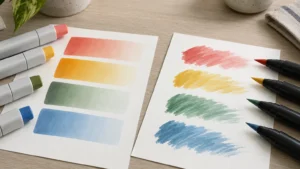
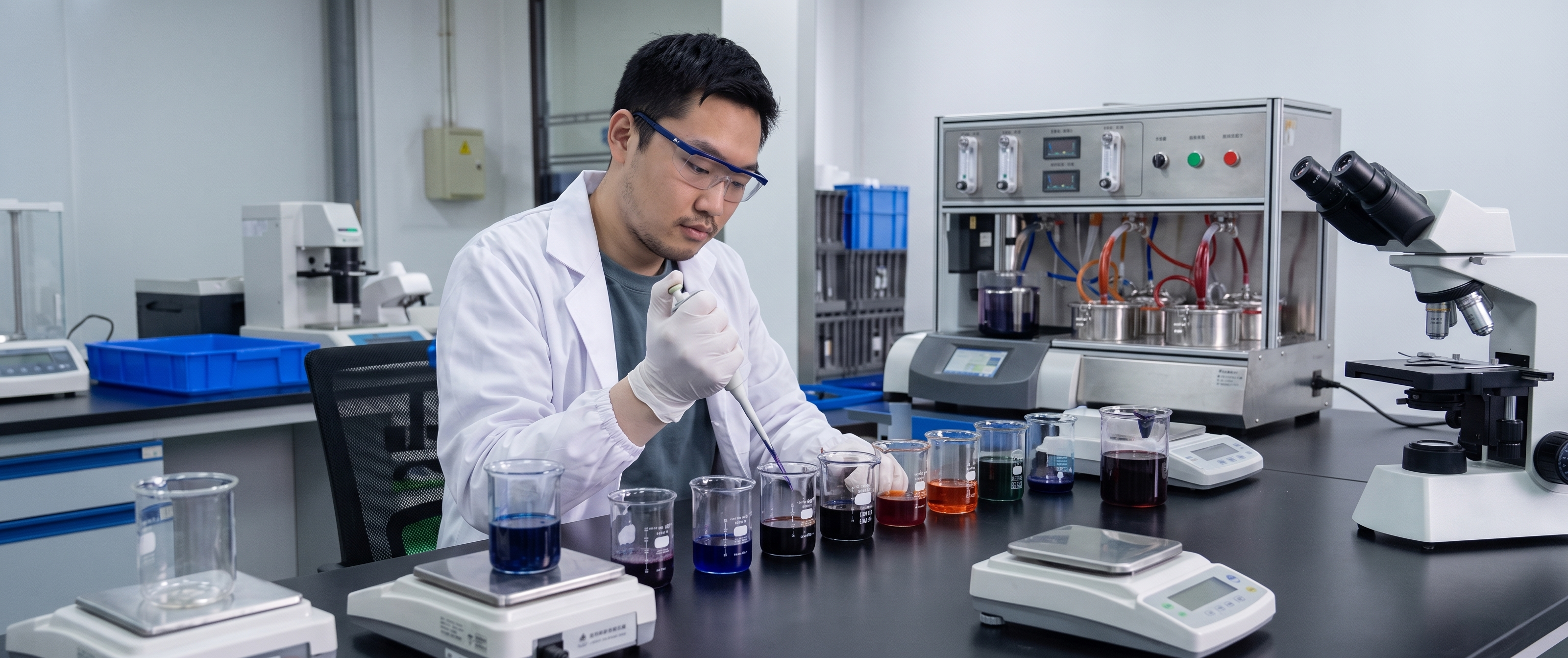
- 고급 잉크 연구소: 당사는 고정밀 알코올계 및 수성 잉크를 개발합니다. 당사의 마커는 밝고 채도가 높은 색상, 부드러운 블렌딩, 오래 지속되는 성능을 제공합니다.
- 고품질 팁: 넓은 면적을 위한 브로드 치즐 팁이든, 세부 작업을 위한 소프트 브러시 팁이든, 당사는 최고의 부품만을 사용합니다. 이를 통해 잉크가 새거나 마르지 않고 부드럽게 흐릅니다.
2. 브랜드 성장을 위한 강력한 R&D
Tonglu 지방 정부의 강력한 지원과 자금 덕분에 ZH STATIONERY는 계속 창조할 자원을 갖추고 있습니다. 우리는 단지 표준 펜을 만드는 것이 아닙니다. 우리는 필기의 미래를 만듭니다.
우리를 공장 파트너로 선택하면 아이디어를 빠르게 제품으로 전환할 수 있는 공급업체를 얻습니다. 거대한 120색 아티스트 세트를 원하십니까? 새로운 아크릴 마커를 원하십니까? 친환경 대나무 마커 배럴을 원하십니까? 우리 R&D 팀이 빠르게 실현할 수 있습니다.
3. 디자인 소유권 및 기밀 유지에 동의
해외 바이어의 가장 큰 걱정 중 하나는: 공장이 내 맞춤 디자인을 복제하지 않을까?
ZH STATIONERY에서 귀하의 브랜드는 완전히 안전합니다. Tonglu는 진정한 창작자를 뒷받침하기 위해 엄격한 지식재산권 보호 시스템을 시작했습니다.
- 당사는 모든 고객과 엄격한 NDA(비공개 계약)를 체결합니다. 현지 법적 지원:.
- 당사 도시의 신속 특허 보호 법률 덕분에 모방 업체는 신속히 차단됩니다. 걱정 없는 혁신:.
- 귀하의 디자인은 당사의 공장 규칙과 현지 법률 모두에 의해 보호되므로, 경쟁사가 복제할 수 없는 독특한 마커 몰드와 맞춤형 포장을 안전하게 개발할 수 있습니다. 신뢰할 수 있는 마커 공장과 파트너 관계 구축.
문구 시장은 "Made in China"에서 "Intelligently Created in China"로 전환되고 있습니다. ZH STATIONERY는 전문 마커 업계에서 이러한 변화를 선도하게 된 것을 자랑스럽게 생각합니다.
필기 시장은 Made in China에서 Intelligently Created in China로 이동하고 있습니다. ZH STATIONERY는 전문 마커 산업에서 이 전환을 선도하게 되어 자랑스럽습니다.
문구 브랜드를 한 단계 끌어올릴 준비가 되셨습니까?
올바른 제조 파트너를 선택하는 것은 비즈니스 성장에 매우 중요합니다. 당사는 우수성을 타협하지 않으면서 경쟁력 있는 가격을 제공하며, 전 세계 고객이 선호하는
올바른 공장 파트너는 귀하의 성장에 핵심입니다. 저희는 전 세계 고객에게 선호되는 맞춤 마커 펜 제조업체임을 자랑스럽게 생각합니다. 품질을 희생하지 않으면서 합리적인 가격을 제공합니다. 생산 준비가 된 디자인이 있거나 디지털 프로토타이핑에 도움이 필요하시면 저희 팀이 도와드리겠습니다. 오늘 저희에게 연락하여 OEM 요구 사항에 대해 논의하십시오. 마커 펜 프로젝트를 실현해 드리겠습니다.
퉁루의 경험이 풍부한 공장으로서, 글로벌 배송 전에 모든 배치에 대해 엄격한 품질 검사를 실시합니다. 저희와 파트너가 되면 필기구 브랜드의 장기적인 성공을 위한 안정적이고 높은 수율의 공급망을 확보할 수 있습니다.
관련 가이드: 페인트 마커 제작 과정.
관련 가이드: 관련 규정 준수 계획은 다음을 참조하세요. 팀의 역량 강화: ZH STATIONERY의 직원 복지 및 윤리적 제조.
What a Custom Marker Pen Manufacturer Actually Controls
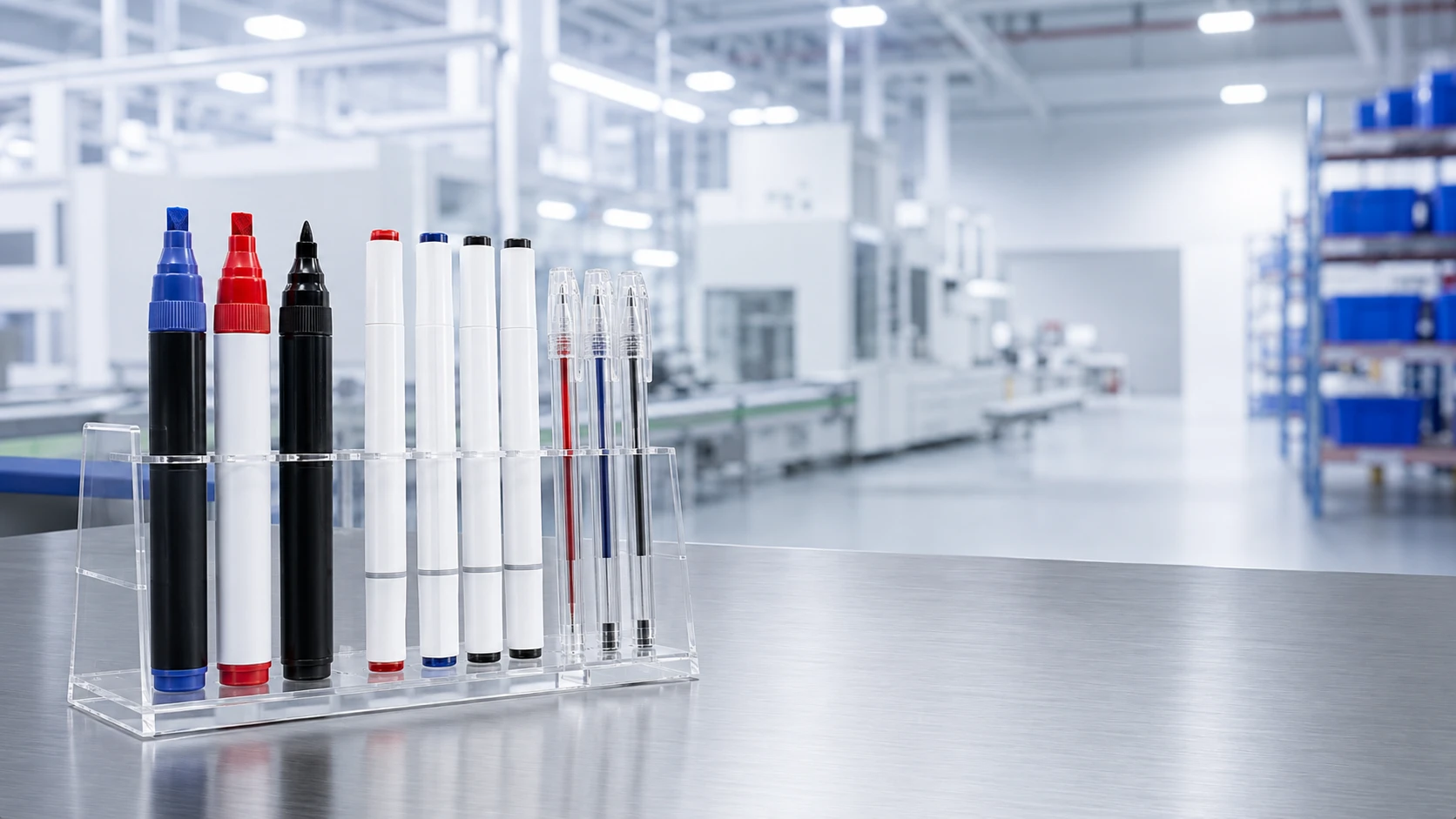
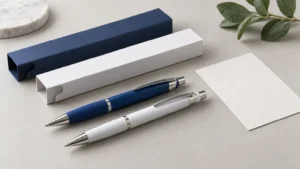
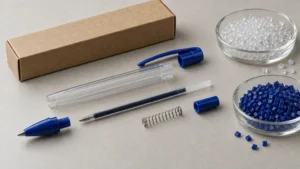
A marker looks simple from the outside. Inside, it is four subsystems that must work together: the ink, the nib, the barrel and cap, and the packaging. When a buyer evaluates a custom marker pen manufacturer, the useful question is not whether the factory can print a logo. It is which of those four subsystems the factory actually controls.
Ink is the hardest to control and the easiest to fake. A factory that buys pre-mixed ink from a third party inherits that supplier’s batch variation. A factory with its own ink lab can tune pigment load, viscosity, drying time, and lightfastness against a target surface. The difference shows up two months after delivery, when Batch 2 does not match Batch 1 on the shelf.
The nib decides how the marker feels in use. Fiber density, tip geometry, and the bond between fiber and binder determine whether a tip holds its shape through 500 strokes or turns mushy by stroke 50. Barrel and cap form a small sealed container. Their job is to stop the ink from evaporating, which is why cap seal should be tested with a closed-storage test, not a cap-off writing test.
Packaging is the fourth subsystem and the one most often treated as an afterthought. A retail card, blister, or display box changes freight volume, pallet configuration, and landed cost per unit. Buyers who approve packaging late usually pay for it twice: once in tooling, once in freight.
Ink Formulation: Where the Real Differentiation Lives

Most marker complaints trace back to ink, not to the pen body. The pigment-versus-dye choice sets the baseline. Pigment sits on the surface, gives opaque coverage, and resists UV fading. Dye dissolves into the carrier, blends smoothly, and produces brighter color at lower cost, but it fades faster and can wick into paper fibers unevenly.
For solvent-based markers, the carrier is usually alcohol with a small balance of wetting agents and release additives. For water-based markers, the carrier is water plus a humectant to slow drying in an uncapped tip. Both systems need a biocide package if the product will sit in a warehouse for months. Skipping that step is how a shipment arrives with mold in the reservoir.
Viscosity is the parameter buyers should ask about by number, not by feel. A difference of 200 cPs between batches is enough to change how a chisel tip lays down color. Factories with in-house ink capability can hold that window. Factories buying pre-mixed ink cannot, because they have no visibility into what changed upstream.
Ask for the ink batch record. A useful one lists pigment lot, carrier lot, viscosity reading, and the date the batch was mixed. If the supplier cannot produce that record for the SKU you are ordering, the batch consistency claim is not verifiable.
Nib Engineering and the Wear Test That Matters
The nib is the most-felt part of a marker and the least-specified in most purchase orders. Fiber density is the first number to pin down. Below 0.30 g/cm3, a tip collapses under repeated pressure and does not spring back. By the 50th stroke the fine end turns soft, and line precision drops off.
Geometry comes next. A bullet tip is predictable but flattens over time. A chisel tip gives three line widths from one nib but depends on a clean grind angle. A brush tip delivers organic variation but is the easiest to fray when the fiber-to-binder ratio is off.
Wear testing should run on the finished marker, not on a bare nib sample. Ask for a 100-meter writing trial on the intended substrate, with line width and color depth measured at the start and at the end. A tip that loses 15 percent of its line width over 100 meters is not ready for a retail program.
Cap retention and drop resistance belong in the same test plan. A cap that releases under a one-meter drop is a return waiting to happen, especially in school channels where bags get thrown around.
Quality Gates Before Shipment
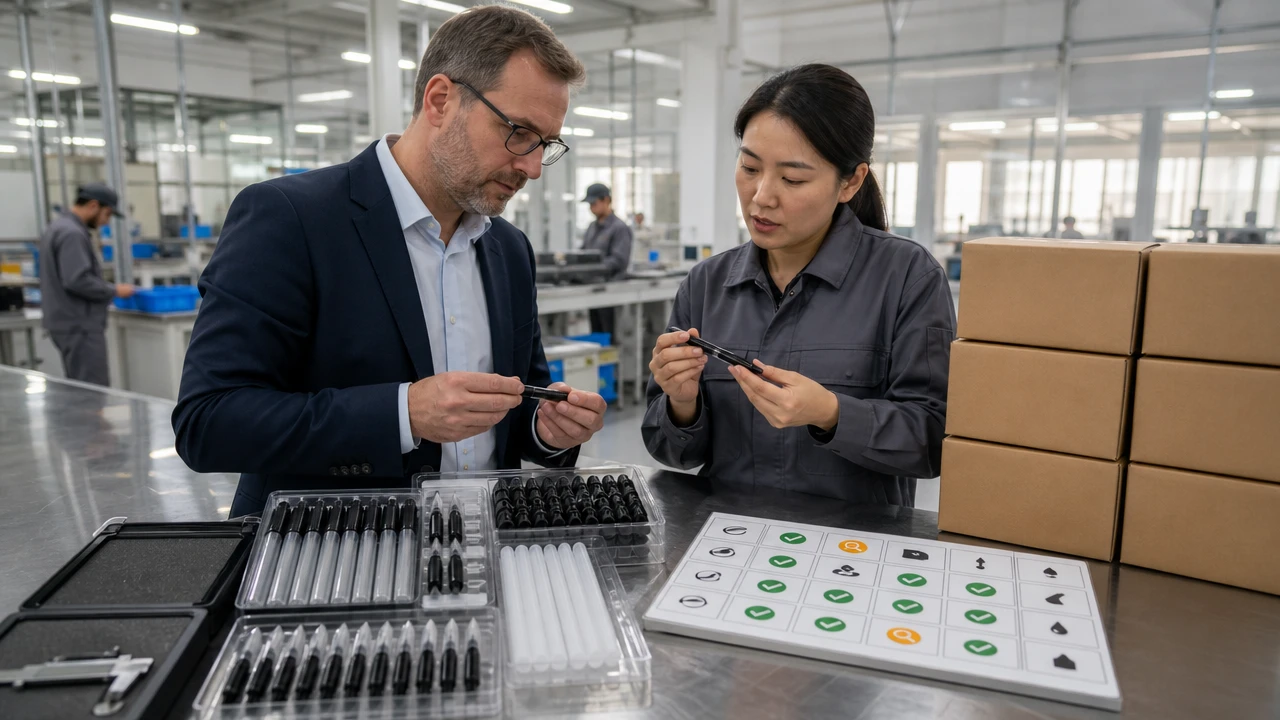
Three gates separate a manufacturing-focused supplier from a trading company. The first is inline inspection. A factory running 100 percent automated inspection checks fill weight, cap torque, and nib retention on every unit as it passes the station. That is a different claim from “we check samples.”
The second gate is statistical sampling on the finished lot. AQL levels should be written into the order: for most retail marker programs, Critical 0, Major 1.5, Minor 4.0 is a reasonable starting point. The buyer should confirm the defect definitions with the plant before production starts, not after a dispute.
The third gate is retained samples. One sealed set from the approved run, plus one from each mass-production batch, labeled with SKU, PO number, production date, ink lot, and nib lot. Without retained samples, a reorder dispute becomes a conversation about memory.
Documentation belongs alongside these gates. For the U.S. market, art materials need ASTM D-4236 conformance with a toxicology review behind it. For Europe, EN71-3 covers heavy metal migration and EN71-9 covers organic compounds. Reports should be current, dated, and name the SKU, not just the factory.
How to Brief a Custom Marker Factory

A brief that gets a usable answer contains seven items: marker type, ink system, tip construction, color count and reference numbers, packaging format, destination market, and forecast annual volume. Send the same brief to every candidate so the quotes are comparable.
Sampling comes next. Ask for a production-line sample rather than a hand-assembled prototype. Line samples represent bulk quality; hand-built samples represent what a technician can do with unlimited time. Test writing smoothness, color match across pens in the set, cap fit, and nib strength under pressure.
MOQ should be quoted by layer. A standard body with a printed logo typically starts lower than a custom mold program, because the tooling is already amortized. Ask separately for the MOQ on a stock body, a custom color, a custom mold, and a full retail set. A single headline MOQ number hides which layer is driving the cost.
Lead time follows the same logic. With existing molds, 25 to 35 days from sample approval is realistic. A new barrel or cap mold adds 15 to 25 days for design, machining, and trial runs. Third-party lab testing adds another 7 to 14 days depending on the lab queue.
자주 묻는 질문
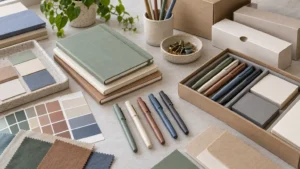
Can you match a specific Pantone color in the ink? Yes, with a caveat. Pantone gives the supplier a target, but the approved ink stroke on the intended substrate is what defines acceptance. A red cap, a red printed label, and a red ink stroke are three separate color problems and should be approved separately.
What is the minimum order for a custom marker program? It depends on the layer. Stock body plus logo starts lower than a new mold. For a fully custom OEM/ODM program, the floor is 50,000 pens per order counted by total individual pens produced; a 12-color pack equals roughly 4,200 sets, not 50,000 of each color.
How do you prevent dry-out during shipping? Cap seal is the first control, followed by fill weight and storage conditions. Ask for a closed-cap evaporation test and a storage trial at elevated temperature. A 50 C oven run for 7 to 14 days simulates a hot container crossing.
Can you supply private-label packaging? Yes. Blister cards, color boxes, display units, and gift boxes are all quotable. Send the retail channel and shelf requirements early, because packaging format changes freight volume and landed cost per unit more than most buyers expect.
관련 읽을거리
Tooling is usually the largest upfront line item in a custom program. Our pen mold factory and OEM tooling guide breaks down mold cost, cavity counts, and trial-run timelines.