
مرحبًا بكم في قلب الإنتاج لشركة ZH STATIONERY. بصفتنا شركة رائدة في تصنيع أقلام التحديد المخصصة، نعلم أن المشترين العالميين يريدون أكثر من المنتجات القياسية.
إنهم بحاجة إلى شركاء مصانع ثابتين يمكنهم تقديم جودة متساوية، ومساحة للنمو، وحلول OEM/ODM مصممة خصيصًا. يقع مصنعنا في تونغلو، الصين، وهو مبني لتلبية المواصفات الدقيقة للعلامات التجارية حول العالم.
تونغلو، الصين، معروفة عالميًا بأنها عاصمة صناعة الأقلام. على مر السنين، نمت لتصبح مركزًا ضخمًا لسلسلة التوريد العالمية للكتابة. الآن يطلب السوق جودة أعلى. الأسلوب القديم الرخيص والبسيط لم يعد كافيًا. المشترون اليوم يريدون منتجات فاخرة.
بصفتنا مصنعًا رائدًا في هذه المنطقة الشهيرة، تركز ZH STATIONERY بالكامل على أقلام احترافية عالية الجودة. نجمع بين تاريخ تونغلو الغني في التصنيع والتقنية الحديثة لتقديم خدمة OEM وODM عالمية المستوى للعلامات التجارية العالمية.
إليك كيف نغير طريقة تصنيع أقلام التحديد الاحترافية.
1. تركيبات حبر متميزة ورؤوس دقيقة
العديد من أقلام التحديد في السوق تبدو متشابهة. الفرق الحقيقي يكمن داخل القلم. الفنانون والمصممون المحترفون يحتاجون إلى حبر سلس وألوان دقيقة.
لجعل علامتك التجارية تبرز، تستثمر ZH STATIONERY أموالًا حقيقية في التقنيات الأساسية:
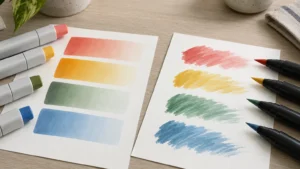
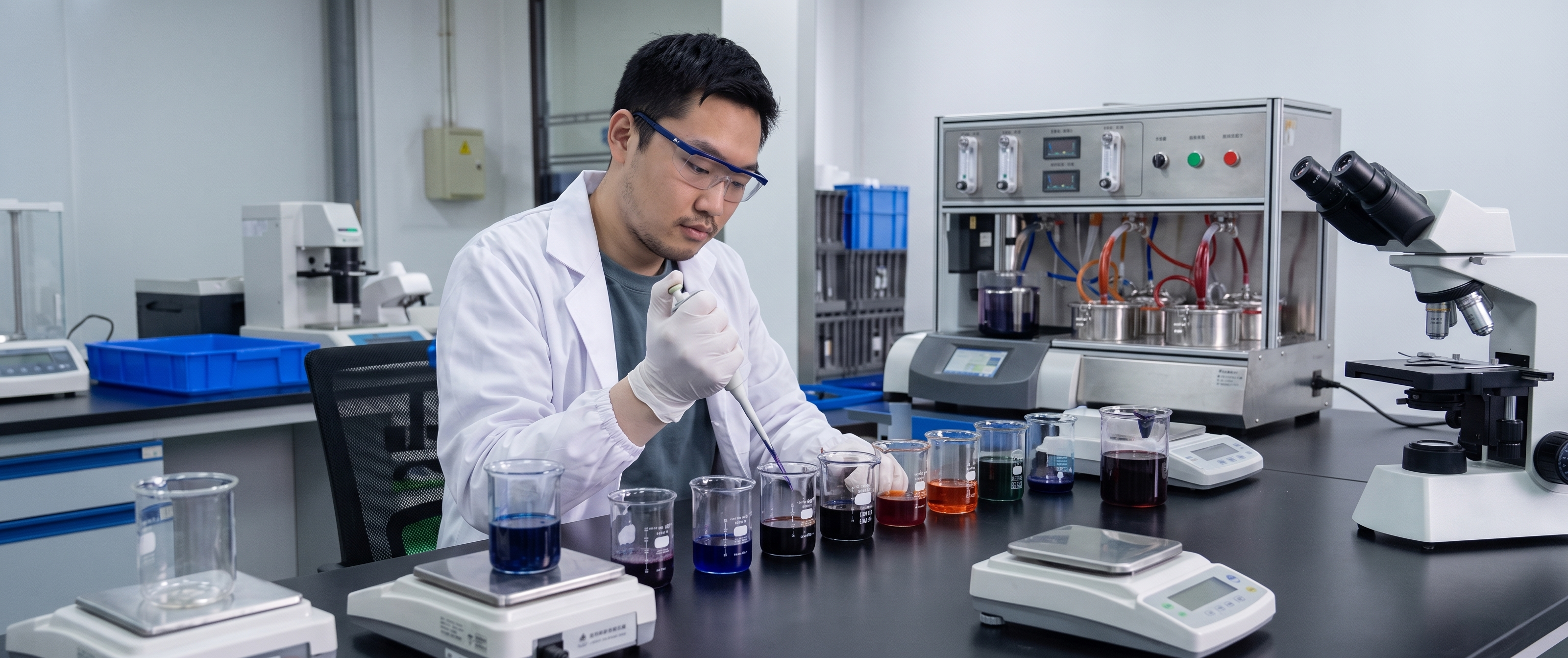
- مختبر حبر متقدم: نطور أحبارًا عالية الدقة تعتمد على الكحول والماء. توفر أقلامنا ألوانًا زاهية وعالية التشبع، ومزجًا سلسًا، وأداءً طويل الأمد.
- رؤوس عالية الجودة: سواء كان رأس إزميل عريض للمساحات الكبيرة أو رأس فرشاة ناعم للتفاصيل، نستخدم فقط أفضل المكونات. يضمن ذلك تدفق الحبر بسلاسة دون تسرب أو جفاف.
2. بحث وتطوير قوي لتنمية علامتك التجارية
بفضل الدعم القوي والتمويل من حكومة تونغلو المحلية، تمتلك ZH STATIONERY الموارد اللازمة لمواصلة الابتكار. نحن لا نصنع أقلامًا قياسية فحسب. نحن نبني مستقبل الكتابة.
عندما تختارنا كشريك مصنع، ستحصل على مورد يمكنه تحويل أفكارك إلى منتجات بسرعة. هل تريد مجموعة فنانين ضخمة من 120 لونًا؟ هل تريد أقلام أكريليك جديدة؟ هل تريد أجسام أقلام من الخيزران الصديق للبيئة؟ يمكن لفريق البحث والتطوير لدينا تحقيق ذلك بسرعة.
3. الاتفاق على ملكية التصميم والسرية
أحد أكبر مخاوف المشترين الأجانب هو: هل سينسخ المصنع تصميمي المخصص؟
في ZH STATIONERY، علامتك التجارية آمنة تمامًا. أطلقت تونغلو نظامًا صارمًا لحماية الملكية الفكرية لدعم المبدعين الحقيقيين.
- خصوصية كاملة: نوقع اتفاقيات عدم إفشاء صارمة مع جميع عملائنا.
- دعم قانوني محلي: بفضل قوانين حماية براءات الاختراع السريعة في مدينتنا، يتم إيقاف المقلدين بسرعة.
- ابتكار خالٍ من القلق: نظرًا لأن تصاميمك محمية بقواعد مصنعنا والقوانين المحلية، يمكنك العمل معنا بأمان لإنشاء قوالب أقلام فريدة وتغليف مخصص لا يمكن لمنافسيك نسخه.
تعاون مع مصنع أقلام تحديد موثوق
سوق الكتابة ينتقل من صنع في الصين إلى ابتكار ذكي في الصين. تفخر ZH STATIONERY بقيادة هذا التحول في صناعة أقلام التحديد الاحترافية.
هل تبحث عن مورد موثوق وعالي الجودة لأقلام التحديد لترقية خط منتجاتك؟
مستعد لرفع مستوى علامتك التجارية للقرطاسية؟
الشريك المصنع المناسب هو مفتاح نموك. نحن فخورون بأن نكون المصنع المفضل لأقلام التحديد المخصصة للعملاء في جميع أنحاء العالم. نقدم أسعارًا عادلة دون المساس بالجودة. سواء كان لديك تصميم جاهز للإنتاج أو تحتاج إلى مساعدة في النماذج الرقمية، فريقنا هنا. اتصل بنا اليوم للتحدث عن احتياجاتك من OEM. دعنا نحول مشاريع أقلام التحديد الخاصة بك إلى واقع.
كمصنع ذي خبرة في تونغلو، نجري فحوصات جودة صارمة على كل دفعة قبل الشحن العالمي. الشراكة معنا تعني سلسلة توريد مستقرة وعالية الإنتاجية لنجاح علامتك التجارية في أدوات الكتابة على المدى الطويل.
الدليل ذو الصلة: كيف تُصنع أقلام الطلاء.
الدليل ذو الصلة: لخطة الامتثال ذات الصلة، راجع تمكين فريقنا: رفاهية الموظفين والتصنيع الأخلاقي في ZH STATIONERY.
What a Custom Marker Pen Manufacturer Actually Controls
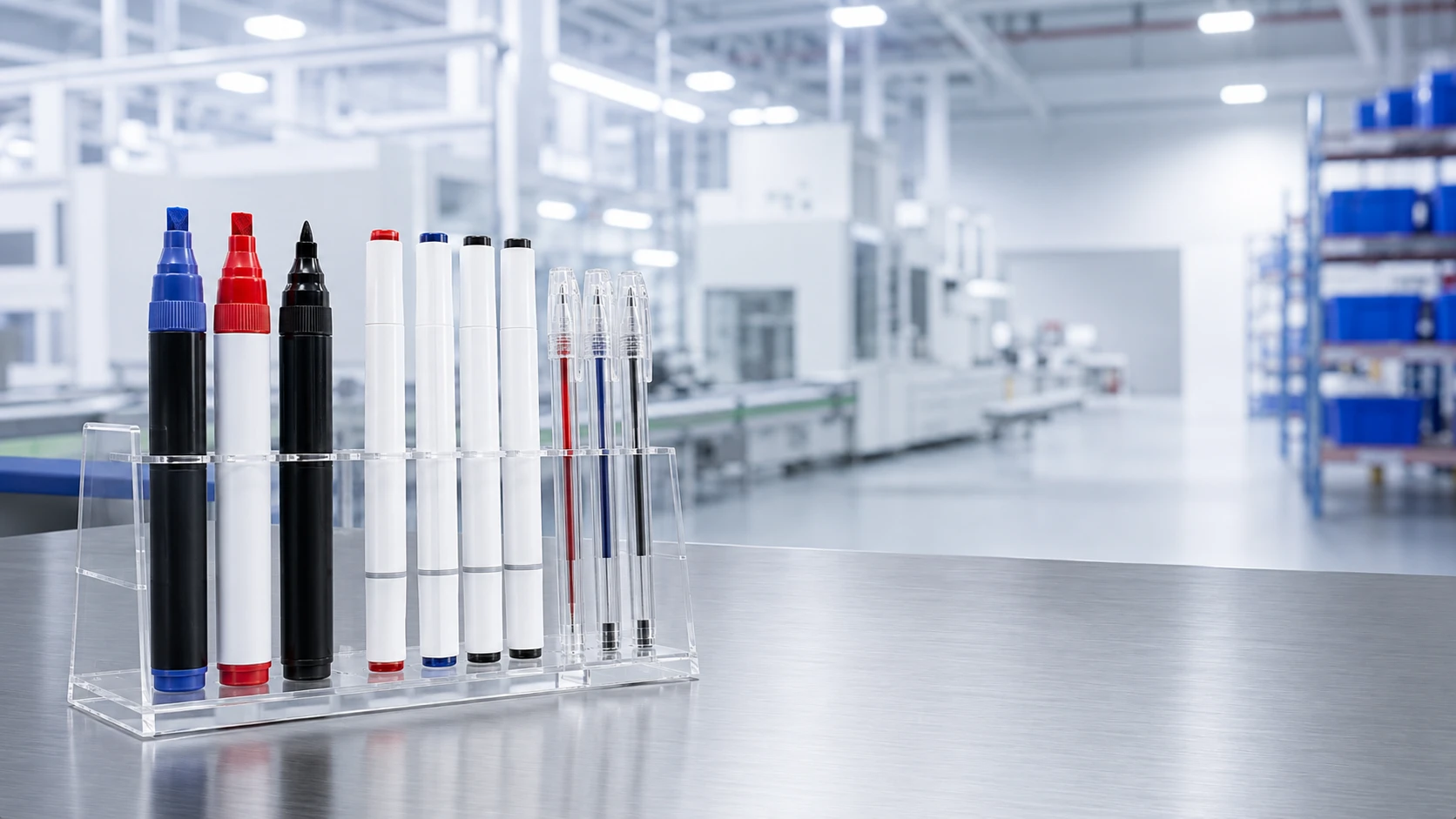
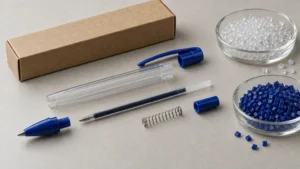
A marker looks simple from the outside. Inside, it is four subsystems that must work together: the ink, the nib, the barrel and cap, and the packaging. When a buyer evaluates a custom marker pen manufacturer, the useful question is not whether the factory can print a logo. It is which of those four subsystems the factory actually controls.
Ink is the hardest to control and the easiest to fake. A factory that buys pre-mixed ink from a third party inherits that supplier’s batch variation. A factory with its own ink lab can tune pigment load, viscosity, drying time, and lightfastness against a target surface. The difference shows up two months after delivery, when Batch 2 does not match Batch 1 on the shelf.
The nib decides how the marker feels in use. Fiber density, tip geometry, and the bond between fiber and binder determine whether a tip holds its shape through 500 strokes or turns mushy by stroke 50. Barrel and cap form a small sealed container. Their job is to stop the ink from evaporating, which is why cap seal should be tested with a closed-storage test, not a cap-off writing test.
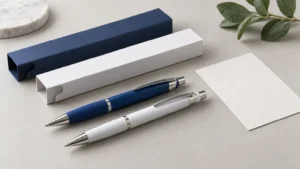
Packaging is the fourth subsystem and the one most often treated as an afterthought. A retail card, blister, or display box changes freight volume, pallet configuration, and landed cost per unit. Buyers who approve packaging late usually pay for it twice: once in tooling, once in freight.
Ink Formulation: Where the Real Differentiation Lives

Most marker complaints trace back to ink, not to the pen body. The pigment-versus-dye choice sets the baseline. Pigment sits on the surface, gives opaque coverage, and resists UV fading. Dye dissolves into the carrier, blends smoothly, and produces brighter color at lower cost, but it fades faster and can wick into paper fibers unevenly.
For solvent-based markers, the carrier is usually alcohol with a small balance of wetting agents and release additives. For water-based markers, the carrier is water plus a humectant to slow drying in an uncapped tip. Both systems need a biocide package if the product will sit in a warehouse for months. Skipping that step is how a shipment arrives with mold in the reservoir.
Viscosity is the parameter buyers should ask about by number, not by feel. A difference of 200 cPs between batches is enough to change how a chisel tip lays down color. Factories with in-house ink capability can hold that window. Factories buying pre-mixed ink cannot, because they have no visibility into what changed upstream.
Ask for the ink batch record. A useful one lists pigment lot, carrier lot, viscosity reading, and the date the batch was mixed. If the supplier cannot produce that record for the SKU you are ordering, the batch consistency claim is not verifiable.
Nib Engineering and the Wear Test That Matters
The nib is the most-felt part of a marker and the least-specified in most purchase orders. Fiber density is the first number to pin down. Below 0.30 g/cm3, a tip collapses under repeated pressure and does not spring back. By the 50th stroke the fine end turns soft, and line precision drops off.
Geometry comes next. A bullet tip is predictable but flattens over time. A chisel tip gives three line widths from one nib but depends on a clean grind angle. A brush tip delivers organic variation but is the easiest to fray when the fiber-to-binder ratio is off.
Wear testing should run on the finished marker, not on a bare nib sample. Ask for a 100-meter writing trial on the intended substrate, with line width and color depth measured at the start and at the end. A tip that loses 15 percent of its line width over 100 meters is not ready for a retail program.
Cap retention and drop resistance belong in the same test plan. A cap that releases under a one-meter drop is a return waiting to happen, especially in school channels where bags get thrown around.
Quality Gates Before Shipment
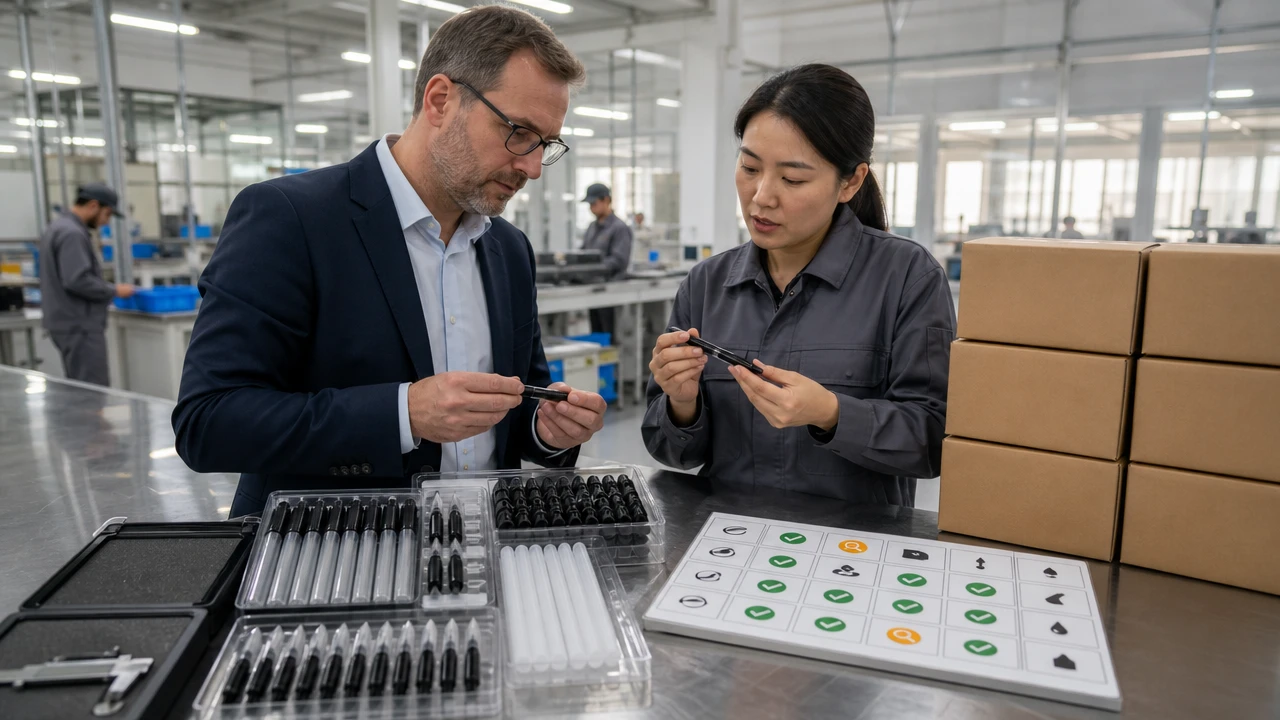
Three gates separate a manufacturing-focused supplier from a trading company. The first is inline inspection. A factory running 100 percent automated inspection checks fill weight, cap torque, and nib retention on every unit as it passes the station. That is a different claim from “we check samples.”
The second gate is statistical sampling on the finished lot. AQL levels should be written into the order: for most retail marker programs, Critical 0, Major 1.5, Minor 4.0 is a reasonable starting point. The buyer should confirm the defect definitions with the plant before production starts, not after a dispute.
The third gate is retained samples. One sealed set from the approved run, plus one from each mass-production batch, labeled with SKU, PO number, production date, ink lot, and nib lot. Without retained samples, a reorder dispute becomes a conversation about memory.
Documentation belongs alongside these gates. For the U.S. market, art materials need ASTM D-4236 conformance with a toxicology review behind it. For Europe, EN71-3 covers heavy metal migration and EN71-9 covers organic compounds. Reports should be current, dated, and name the SKU, not just the factory.
How to Brief a Custom Marker Factory

A brief that gets a usable answer contains seven items: marker type, ink system, tip construction, color count and reference numbers, packaging format, destination market, and forecast annual volume. Send the same brief to every candidate so the quotes are comparable.
Sampling comes next. Ask for a production-line sample rather than a hand-assembled prototype. Line samples represent bulk quality; hand-built samples represent what a technician can do with unlimited time. Test writing smoothness, color match across pens in the set, cap fit, and nib strength under pressure.
MOQ should be quoted by layer. A standard body with a printed logo typically starts lower than a custom mold program, because the tooling is already amortized. Ask separately for the MOQ on a stock body, a custom color, a custom mold, and a full retail set. A single headline MOQ number hides which layer is driving the cost.
Lead time follows the same logic. With existing molds, 25 to 35 days from sample approval is realistic. A new barrel or cap mold adds 15 to 25 days for design, machining, and trial runs. Third-party lab testing adds another 7 to 14 days depending on the lab queue.
الأسئلة الشائعة
Can you match a specific Pantone color in the ink? Yes, with a caveat. Pantone gives the supplier a target, but the approved ink stroke on the intended substrate is what defines acceptance. A red cap, a red printed label, and a red ink stroke are three separate color problems and should be approved separately.
What is the minimum order for a custom marker program? It depends on the layer. Stock body plus logo starts lower than a new mold. For a fully custom OEM/ODM program, the floor is 50,000 pens per order counted by total individual pens produced; a 12-color pack equals roughly 4,200 sets, not 50,000 of each color.
How do you prevent dry-out during shipping? Cap seal is the first control, followed by fill weight and storage conditions. Ask for a closed-cap evaporation test and a storage trial at elevated temperature. A 50 C oven run for 7 to 14 days simulates a hot container crossing.
Can you supply private-label packaging? Yes. Blister cards, color boxes, display units, and gift boxes are all quotable. Send the retail channel and shelf requirements early, because packaging format changes freight volume and landed cost per unit more than most buyers expect.
قراءات ذات صلة
- تصنيع أقلام الماركر: ما يجب أن يعرفه المشترون في قطاع الأعمال (B2B) عن عمليات المصنع
- أفضل 7 شركات مصنعة لأقلام التحديد في الصين لعام 2026
- لقاء مع ZH STATIONERY في معرض كانتون الـ139: مصدرك الموثوق للأقلام الماركر وأقلام الجل المخصصة.
- تصنيع الأقلام بنظام OEM وODM: دليل قرار المشتري
- ربيع منتصِر: شركة ZH STATIONERY تتألق في معرض كانتون 139 لعام 2026
- هل تحضر معرض كانتون 139 في ربيع 2026؟ إذا كنت تبحث عن أدوات كتابة موثوقة، فإن ZH Stationery، وهي شركة رائدة في تصنيع العلامات المخصصة،
- تمكين فريقنا: رفاهية الموظفين والتصنيع الأخلاقي في ZH STATIONERY
Tooling is usually the largest upfront line item in a custom program. Our pen mold factory and OEM tooling guide breaks down mold cost, cavity counts, and trial-run timelines.