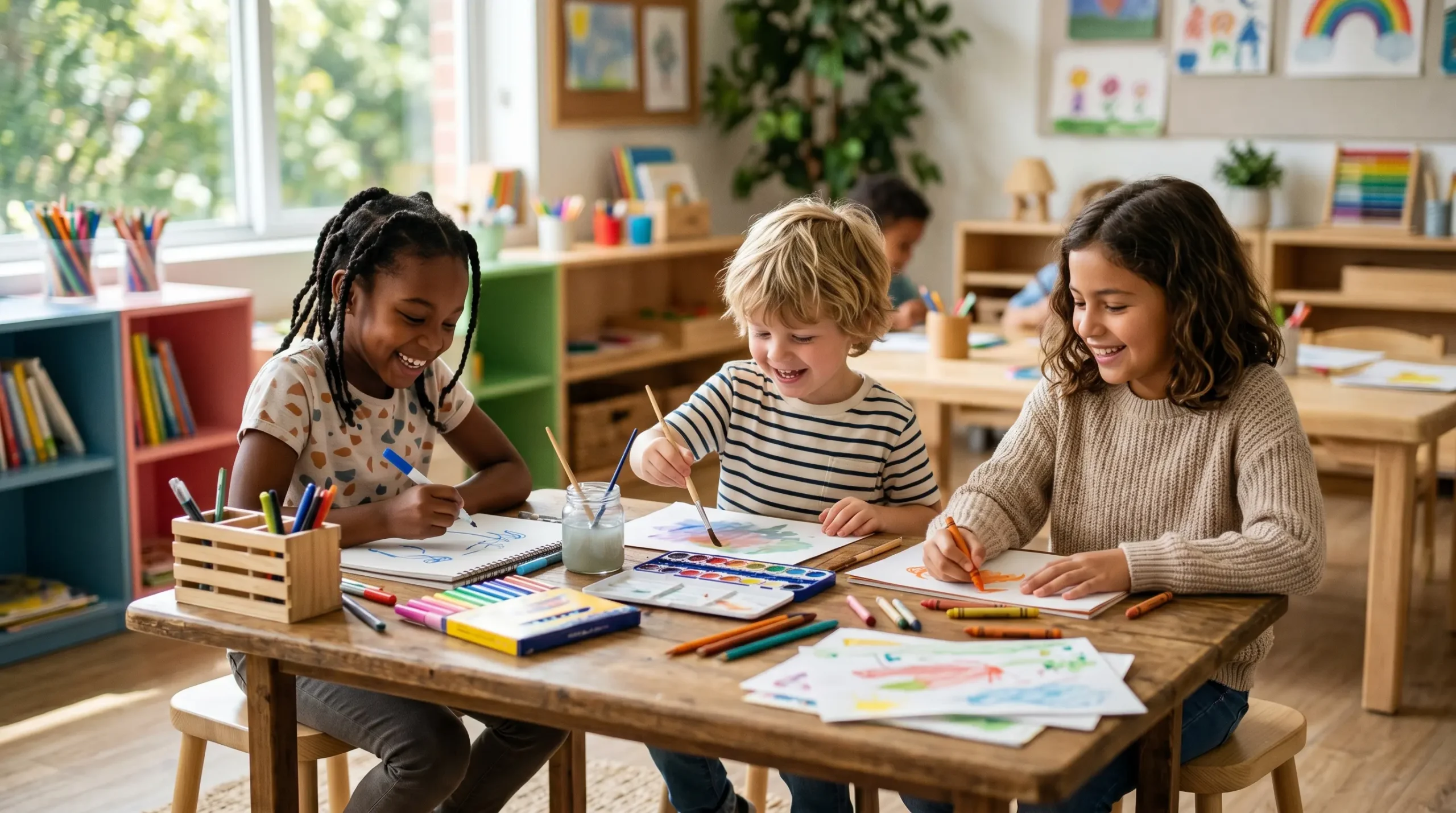
In today’s early childhood education landscape, the role of artistic development is more critical than ever. High-quality kids art materials serve as essential tools that help children understand colors, shapes, and spatial relationships while fostering cognitive growth and emotional expression.
Recent educational trends emphasize the use of “Interactive Guided Art Sessions” (often referred to as one-on-one listening games). By integrating premium art supplies into these interactive environments, educators and parents can significantly enrich a child’s sensory experience, boost their imagination, and foster holistic development.
The Role of Kids Art Materials in Early Education
Different drawing and painting tools possess unique characteristics that inspire creativity in distinct ways. Supplying children with a diverse range of kids art materials is the foundation of effective art education.
What Are the Benefits of Using Watercolors and Oil Pastels for Kids?
When selecting supplies for younger demographics, educators often look for tools that are easy to handle and visually stimulating.
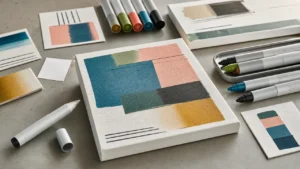
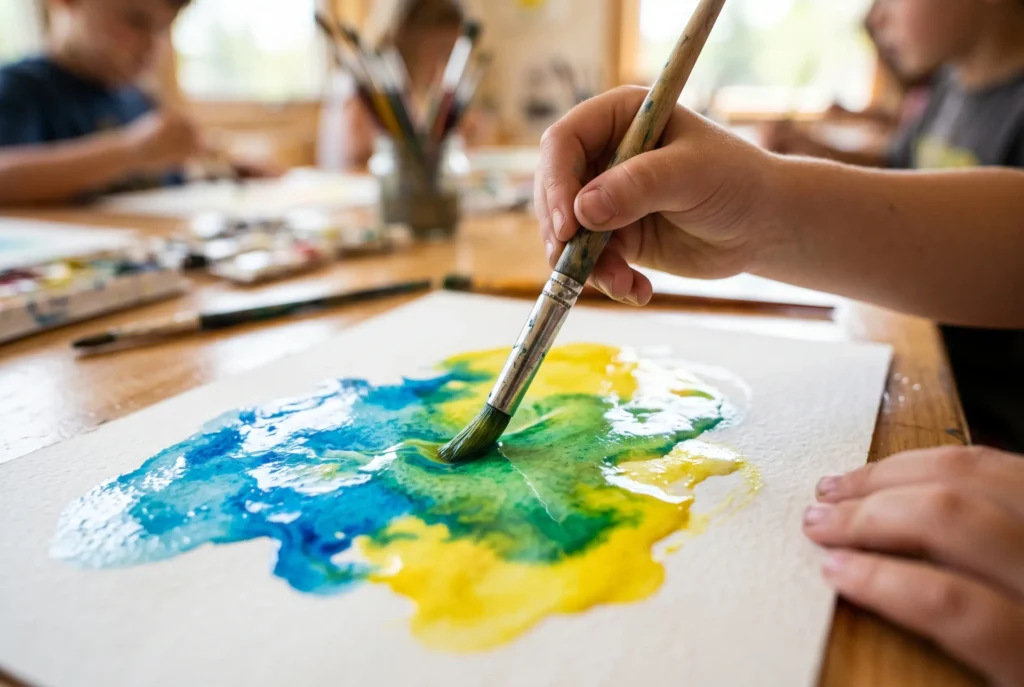
- Watercolors: The fluidity and transparency of watercolors allow children to create highly expressive pieces. By learning to control the water-to-pigment ratio, kids experiment with color mixing and blending. This hands-on experimentation deeply enhances their color perception and cognitive flexibility.
- Oil Pastels and Crayons: For growing toddlers, oil pastels and crayons offer excellent coverage and vibrant hues. The physical act of applying these rich materials helps develop fine motor skills. The benefits of using watercolors and oil pastels for kids lie in their ability to stimulate visual sensitivity, allowing young artists to express complex emotions even before their vocabulary fully develops.
The Power of Professional Markers and Pencils
While basic crayons are great for toddlers, older children thrive when introduced to more precise tools.
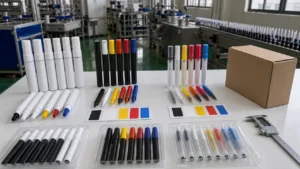
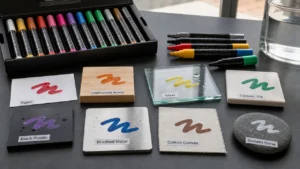
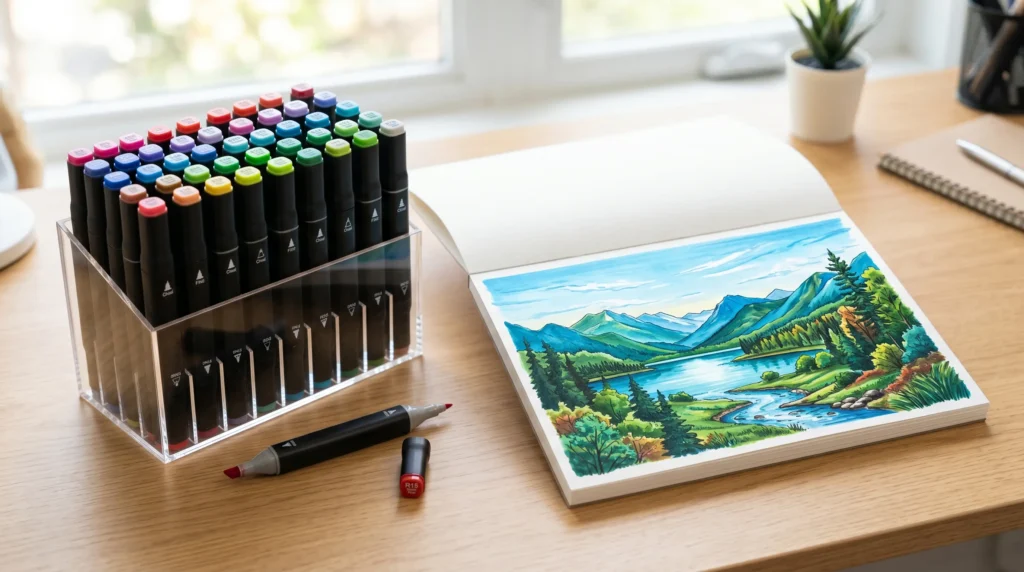
- Professional Markers: High-quality markers, known for their bold, intense colors and distinct strokes, naturally attract children. Using markers encourages a focus on the fluidity of lines and sharp color contrasts. Research indicates that children who use reliable, professional-grade markers exhibit higher confidence and creativity, as the vibrant output matches their vivid imaginations.
- Graphite Pencils: Pencils act as the fundamental sketching tool, offering the freedom to draft ideas without the fear of making permanent mistakes, encouraging bold expression.
Understanding the Stages of Artistic Perception
A child’s artistic perception generally evolves through three distinct phases:
- Early Stage (Ages 1-3): Children explore the world through scribbles and basic color application. Art is purely a sensory channel for emotional expression.
- Middle Stage (Ages 3-5): Children begin to attempt figurative representation. They incorporate observations from daily life into their drawings. While proportions may be inaccurate, the emotional depth is rich.
- Crucial Stage (Ages 5-7): Art becomes more complex. Children pay attention to composition and color matching. They actively experiment with various kids art materials and techniques to create multi-layered artworks.
Designing Interactive Guided Art Sessions
Interactive guided art sessions revolve around three core elements: listening, expressing, and providing feedback.
Strategic Application of Art Supplies
Choosing age-appropriate materials is the first step. For early learners, watercolors and thick crayons are ideal for sparking initial interest. As children grow, introducing sophisticated tools like oil pastels and markers expands their color sensitivity and expressive capabilities.
During an interactive session, an educator might introduce a “Color Exploration” game. While listening to a story, the child selects different mediums to color a scene, expressing their understanding of the plot. This method deepens their cognitive grasp of shapes and hues.
The Importance of Educator Interaction
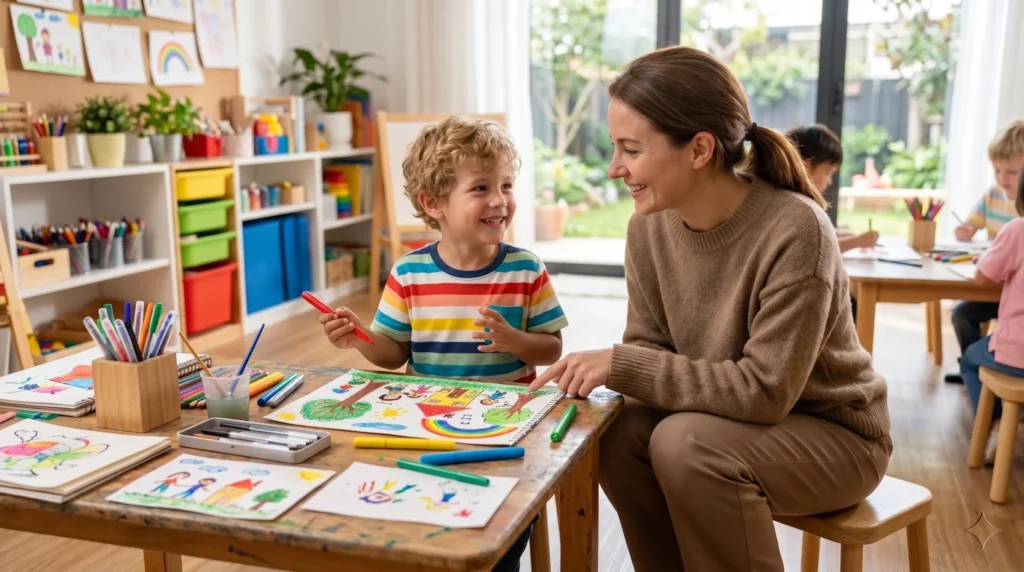
The role of the adult is to guide, not dictate. During the creative process, teachers should ask open-ended questions. For example, “Why did you choose this specific blue for the sky?” or “How does this drawing make you feel?” This dialogue not only enhances verbal communication skills but also deepens the child’s emotional connection to their artwork, a concept heavily supported by modern arts integration frameworks.
Conclusion: The Impact of Quality Art Supplies
The strategic use of kids art materials in interactive settings dramatically improves both student engagement and educational outcomes. The benefits of using watercolors and oil pastels for kids, along with the precision of markers and pencils, ensure that every child finds a medium that resonates with their unique voice.
By combining high-quality art supplies with mindful, interactive listening games, educators can transform passive learning into active, joyous creation, ultimately driving a child’s comprehensive development.
Related guide: For a related quality-control check, see 15 Summer Coloring Ideas Using Gel Pens.
Related Reading
- How to Sourcing Children’s Drawing Markers? A B2B Buyer’s Guide Based on 3-6 Year Olds’ Color Preferences
- Children’s Marker OEM Guide: Ergonomics & Safety for B2B Brands
- The Ultimate Guide to Colored Pencils: Types, Uses, and Market Trends
- The Power of Art Therapy: Using Healing Illustrations for Stress Relief and Mental Wellness
- How Are Color Pencils Made? The Secret Behind the Lead
- Edible Marker Pens: Creative Food Decoration – From Cookie Icing to Cake Artistry
- food-grade marker ink guide
- formaldehyde testing in stationery guide
- TikTok marker art trends
External reference: CPSC art materials guidance.