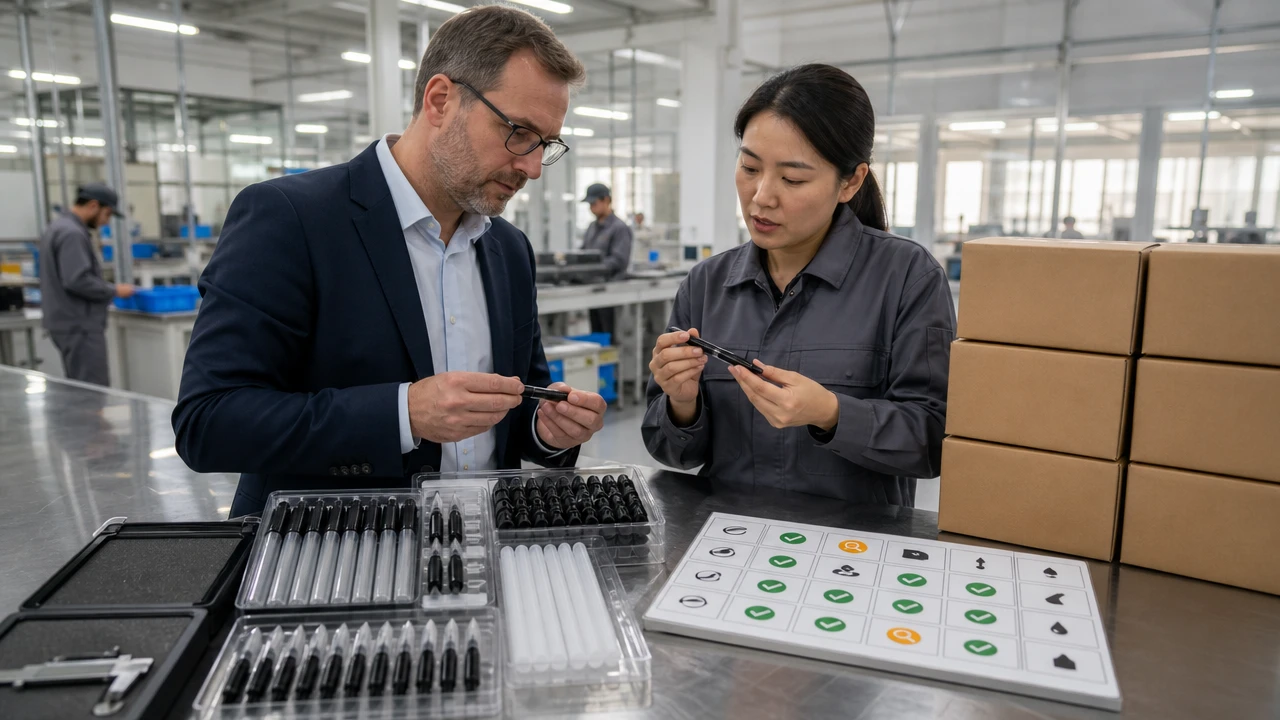
A Контрольный список аудита фабрики по производству маркеров Должен ответить на один вопрос: может ли этот поставщик стабильно производить утверждённый продукт, в утверждённой упаковке, с прослеживаемыми материалами и достоверными записями качества? Шоурум, папка с сертификатами или один удачный образец не могут ответить на этот вопрос по отдельности.
25 проверок ниже разработаны для импортёров канцелярских товаров, частных марок, розничных закупщиков, продавцов Amazon и отделов снабжения. Они охватывают юридическую идентичность, мощность, контроль рецептур, пресс-формы, производство, качество, тестирование, упаковку, прослеживаемость, поставки и корректирующие действия.
Используйте контрольный список перед первым заказом, после значительного изменения продукта или когда жалобы указывают на отклонение процесса. ZH Stationery предоставляет открытые экскурсия по заводу, данные о компании,, и страница сертификатов чтобы покупатели могли начать проверку документов до очного или удалённого аудита.
Быстрый ответ
Проверяйте систему, стоящую за образцом. Подтвердите компанию и площадку, составьте карту субподрядчиков, сравните заявленную мощность с оборудованием и записями, проследите партии чернил и компонентов, проверьте утверждённую спецификацию, наблюдайте за заправкой и сборкой, проверьте контроль колпачка и тесты письма, изучите выборку AQL и область лабораторных испытаний, проверьте контроль упаковки и протестируйте, может ли фабрика восстановить полную историю производства одной партии.
Хороший аудит не требует, чтобы каждый поставщик владел каждым испытательным станком. Он требует честного охвата, компетентных сотрудников, контролируемых записей, квалифицированных внешних лабораторий там, где это необходимо, и доказательств того, что проблемы приводят к корректирующим действиям.
Быстрые ссылки
- Как использовать этот контрольный список аудита фабрики по производству маркеров
- Проверки 1–4: Компания и площадка
- Проверки 5–8: Система качества
- Проверки 9–13: Материалы и чернила
- Проверки 14–18: Производство
- Проверки 19–22: Инспекция и тестирование
- Проверки 23–25: Коммерческий контроль
- Критические сигналы для остановки заказа
- Часто задаваемые вопросы (FAQ)

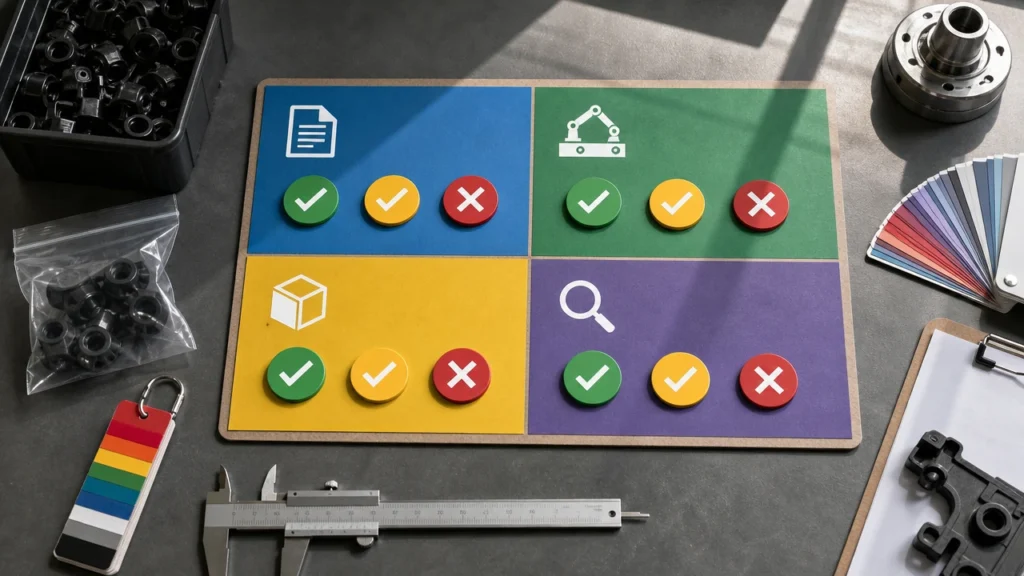
Как оценивать результаты аудита
Опирайтесь на доказательства, а не на впечатления. ISO 19011:2026 содержит актуальные руководящие указания по аудиту систем менеджмента. ISO 9001:2015 остаётся опубликованным сертифицируемым стандартом QMS на момент данного обзора, при этом новая редакция находится в процессе публикации. Фабрика может использовать надёжный контроль без сертификации, а сертификат не доказывает, что ваш SKU контролируется.
| Оценка | Значение | Решение покупателя |
|---|---|---|
| 2 – Эффективно | Текущие доказательства соответствуют заявленному процессу, и сотрудники ему следуют. | Принять при условии проверки образца продукта и коммерческого обзора. |
| 1 – Частично | Процесс существует, но доказательства неполные, противоречивые или зависят от одного человека. | Требовать корректирующих действий и проверить их до внесения депозита или начала массового производства. |
| 0 – Отсутствует | Нет надёжного процесса, записей, ответственного лица или доказательств. | Считать серьёзным пробелом. Остановиться, если отсутствующий контроль влияет на законность, безопасность, прослеживаемость или ключевые характеристики. |
| Н/П | Проверка действительно не применима к данному SKU или объёму поставщика. | Зафиксировать причину. Не использовать N/A для сокрытия субподрядного этапа. |
Идеальная общая сумма всё равно может скрывать критический сбой. Отмечайте юридическую идентичность, прослеживаемость рецептуры, доказательства ограниченных веществ, контроль колпачка, окончательное разрешение на отгрузку и прослеживаемость жалоб как вето-проверки для большинства заказов потребительских маркеров.
Проверки 1–4: Компания, площадка и объём
1. Проверьте юридическое лицо и экспортирующую организацию
Сверьте бизнес-лицензию, название в инвойсе, банковского получателя, экспортирующую организацию, держателя сертификатов и сторону по контракту. Если участвует торговая компания, определите, какая компания владеет фабрикой, какая компания продаёт товар и какая сторона принимает претензии по качеству.
2. Подтвердите фактический производственный адрес
Посетите площадку лично или по видеосвязи, где будет производиться заказ. Сравните адрес с отчётами об испытаниях, сертификатами, записями аудита, документами на картонные коробки и коммерческими предложениями поставщика. Шоурум в одном городе и производство в другом — это не автоматически ошибка, но это должно быть раскрыто.
3. Составьте карту собственных и субподрядных процессов
Перечислите смешивание чернил, литьё корпуса, производство наконечников, резку резервуаров, печать, заправку, сборку, упаковку, тестирование и складирование. Зафиксируйте каждого субподрядчика, влияющего на безопасность или характеристики продукта. Спросите, как принимаются и прослеживаются входящие субподрядные детали.
4. Подтвердите мощность с помощью записей
Сравните количество машин, смены, персонал, время цикла, время простоя на техническое обслуживание, недавний объем выпуска и текущую загрузку заказами. Запросите расчет мощности для вашего точного SKU, а не общезаводской месячный показатель. Используйте чек-листом утверждения образцов для определения утверждений, необходимых перед массовым производством.
Проверки 5–8: Управление качеством и документация
5. Изучите руководство по качеству и карту ответственности
Подтвердите, кто утверждает поставщиков, спецификации, первые образцы, разрешение на выпуск линии, финальную инспекцию, несоответствующую продукцию и корректирующие действия. Небольшая фабрика может совмещать роли, но производство не должно иметь возможности выпускать забракованную продукцию без независимого рассмотрения.
6. Проверьте контроль документов и ревизий
Выберите один активный SKU и сравните спецификацию покупателя, BOM, макет, цветовой стандарт, рабочую инструкцию, стандарт инспекции, метод упаковки и производственный заказ. Каждый оператор должен использовать одну и ту же утверждённую ревизию.
7. Проверьте обучение и квалификацию операторов
Изучите обучение по смешиванию чернил, настройке печати, регулировке заправки, сборке клапанов, проверке на утечки, сравнению цветов и финальной инспекции. Спросите оператора линии о пределах брака и маршруте эскалации. Записи об обучении должны соответствовать фактическим должностным обязанностям.
8. Протестируйте корректирующие и предупреждающие действия
Выберите одну реальную жалобу или внутренний дефект. Проследите запись от локализации до первопричины, корректирующего действия, проверки эффективности и обновления спецификации. Повторяющаяся проблема высыхания с повторной переработкой — это доказательство того, что система не устраняет причину.
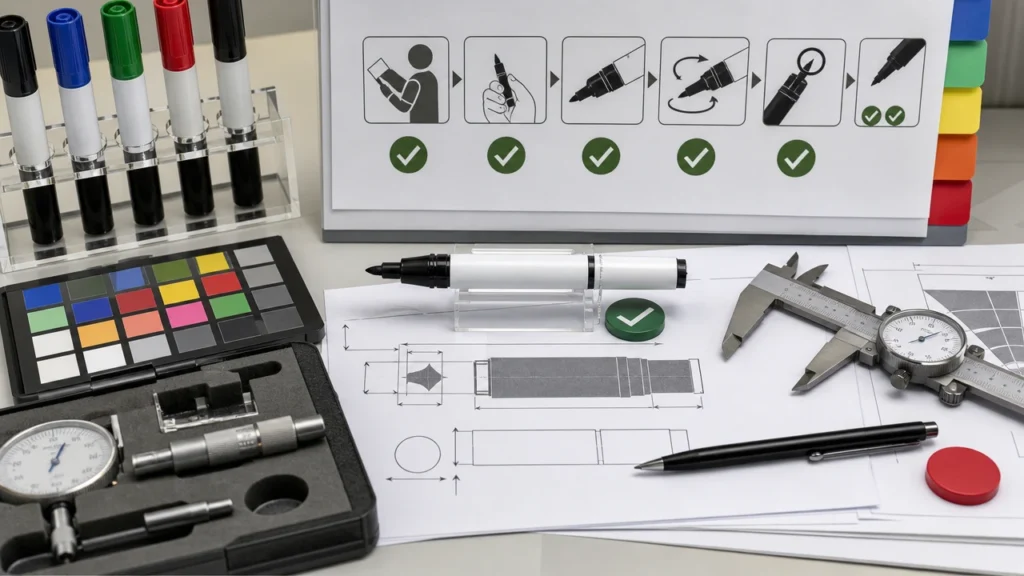
Проверки 9–13: Материалы, чернила и компоненты
9. Проверьте контроль утверждённых поставщиков
Изучите, как фабрика утверждает ингредиенты чернил, пигменты, красители, растворители, смолы, корпуса, колпачки, клапаны, резервуары, наконечники, этикетки, коробки и лотки. Спросите, что вызывает повторную квалификацию и как контролируются альтернативные поставщики во время дефицита.
10. Проследите партии сырья
Выберите готовую картонную коробку и попросите фабрику проследить её до партии чернил, партий корпуса и колпачка, партии наконечника, партии резервуара, партии упаковки, производственной линии, смены и записи инспекции. Затем проведите обратный тест: выберите одну партию сырья и определите все готовые партии, в которых она использовалась.
11. Изучите рецептуру чернил и контроль партий
Проверьте доступ к формуле, записи взвешивания, настройки смесителя, порядок добавления, выход партии, вязкость или другие технологические пределы, сравнение цвета, фильтрацию, время выдержки и разрешение на выпуск. Покупателю не нужен рецепт, являющийся коммерческой тайной поставщика, но ему нужны доказательства того, что утверждённая формула не может быть изменена незаметно.
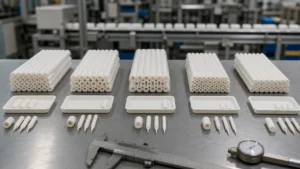
12. Проверьте спецификации пера, резервуара, клапана и колпачка
Эти компоненты образуют систему подачи чернил. Сравните размеры, плотность, посадку, твёрдость и коды поставщиков с утверждённой спецификацией материалов (BOM). Для маркеров с насосной подачей проверьте клапанных маркеров ZH Stationery и уточните, как проверяются усилие открытия клапана и поток через перо.
13. Проверьте оценку ограниченных веществ и материалов для художественного творчества
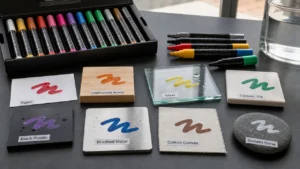
Для потребительских художественных материалов в США Руководство CPSC по художественным материалам разъясняет токсикологическую оценку и маркировку ASTM D-4236. Текущий страница ASTM D4236-26 описывает маркировку опасности хронического воздействия, а не универсальный тест эксплуатационных характеристик продукта. Сопоставьте отчёты с текущей формулой, цветами, возрастной категорией, упаковкой и рынком.
Проверки 14–18: Контроль производственного процесса
14. Наблюдайте за входным контролем
Наблюдайте, как инспекторы измеряют или тестируют фактически поступающие материалы. Подтвердите объём выборки, классы дефектов, измерительное оборудование, критерии приёмки, маркировку статуса и зону карантина. Стопка пустых форм — не доказательство.
15. Проверьте контроль литья и размеров
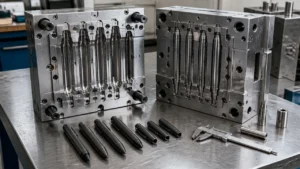
При собственном литье проверьте номер пресс-формы, идентификацию гнезда, сушку материала, настройки оборудования, утверждение первой детали, заусенцы, деформацию, посадку колпачка и дефекты по конкретным гнёздам. При литье на стороне проверьте те же доказательства на входном контроле.
16. Наблюдайте за печатью и сменой художественного оформления
Подтвердите адгезию чернил, совмещение, цвет, читаемость, штрих-код, код партии, предупреждения и положение логотипа. Уточните, как устаревшие клише, сита, этикетки и картонные коробки удаляются с линии после изменения.
17. Проверьте контроль заправки и сборки
Наблюдайте за заправкой чернил, насыщением резервуара, установкой клапана и пера, закрытием колпачка, защитой наконечника, очисткой и очисткой линии. Уточните, как фабрика обнаруживает недозаправку, смешение цветов, отсутствующие компоненты, неплотно закрытые колпачки и неправильное направление сборки.
18. Проверьте промежуточные испытания и планы реагирования
Проверьте утверждение первой детали и частоту патрульного контроля письма, потока, цвета, утечки, посадки колпачка, печати, веса и внешнего вида. План реагирования должен определять, когда остановить линию, изолировать продукцию, проверить назад до последней годной проверки и задокументировать переработку.
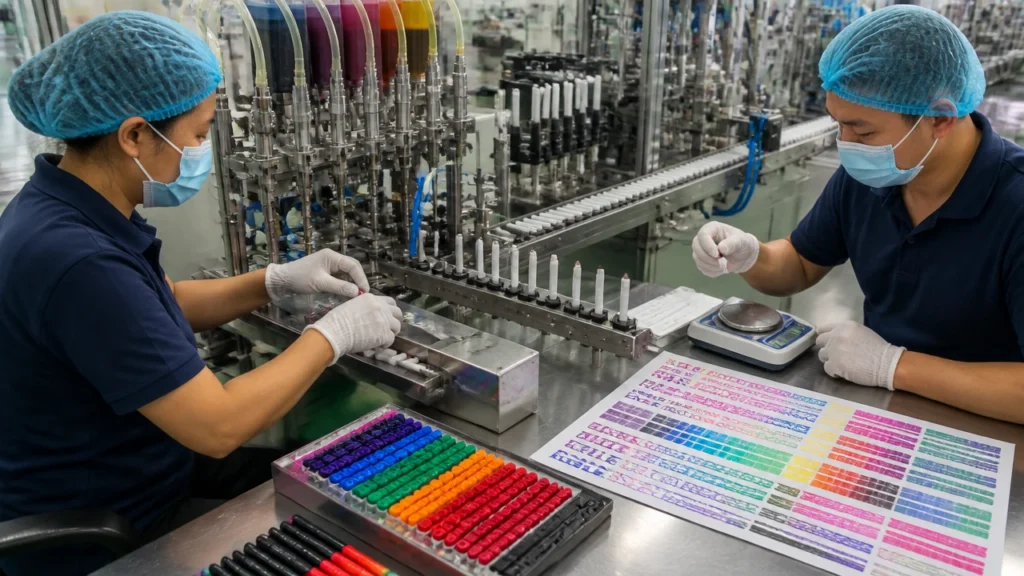
Проверки 19–22: Окончательный контроль и испытания
19. Проверьте план выборки и определения дефектов
Текущий ISO 2859-1:2026 определяет схемы выборочного контроля партий с индексацией по AQL и заменил редакцию 1999 года. Подтвердите размер партии, уровень контроля, AQL, объём выборки, определения критических-значительных-незначительных дефектов, метод случайного отбора и правила переключения. AQL — это инструмент приёмочного выборочного контроля, а не разрешение на отгрузку известных дефектов.
20. Проверьте функциональные испытания маркеров
Как минимум проверьте первое написание, повторный запуск после паузы, однородность линии, поток чернил, цвет, устойчивость к высыханию, герметичность колпачка, утечку, прочность пера и ориентацию хранения, где это применимо. Руководство по контролю качества маркеров даёт покупателю более глубокое представление о сухих маркерах.
21. Проверьте компетентность лаборатории и калибровку оборудования
Если фабрика использует собственную лабораторию, проверьте методику, состояние оборудования, стандарты, контрольные образцы, записи и обученный персонал. Если используется внешняя лаборатория, сопоставьте испытание с аккредитованной областью лаборатории. ISO/IEC 17025:2017 является международным стандартом компетентности для испытательных и калибровочных лабораторий и остаётся действующим.
22. Подтвердите окончательный выпуск и сохранённые образцы
Окончательный контроль должен быть привязан к определённой партии и подписан уполномоченным лицом. Проверьте сохранённые готовые образцы, образцы упаковки, эталоны цвета, отчёты об испытаниях, статус выпуска и срок хранения записей, доступных для периода продаж покупателя и окна рассмотрения претензий.
Проверки 23–25: Коммерческий контроль и контроль непрерывности
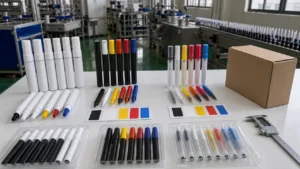
23. Проверьте точность упаковки, картонных коробок и отгрузки
Сравните утверждённый образец с количеством единиц, ассортиментом, вкладышем, штрих-кодом, маркировкой коробки, размерами, весом брутто, запечаткой, способом паллетирования и отгрузочной этикеткой. Используйте руководство по размеру картонной коробки и CBM для проверки того, что котировка и окончательная упаковка основаны на одинаковых допущениях.
24. Проверьте управление изменениями, MOQ и обещания по срокам поставки
Уточните, что происходит, когда поставщик перьев задерживается, пигмент недоступен или покупатель запрашивает новый цвет. Замена материалов, разделение партий, переработка, сверхурочная работа и субподряд должны требовать раскрытия информации. MOQ и срок поставки должны быть привязаны к оснастке, материалам, печати, упаковке, испытаниям и текущей мощности.
25. Проверьте прослеживаемость претензий и непрерывность бизнеса
Предоставьте фабрике гипотетическую претензию с кодом партии и номером цвета. Попросите извлечь записи о производстве, материалах, контроле и отгрузке, а затем объяснить меры локализации. Проверьте риски резервного оборудования, электроснабжения, пожара, наводнения, ключевых сотрудников, кибербезопасности, поставщиков и логистики, которые могут остановить поставку или уничтожить прослеживаемость.
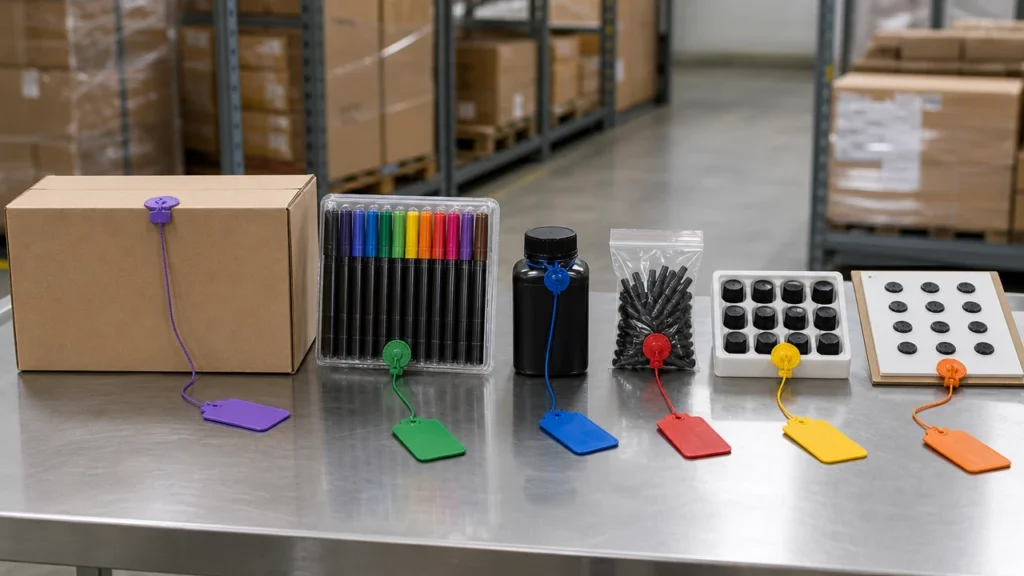
Критические сигналы для остановки заказа
- Бенефициар по банковской гарантии, продавец по контракту, лицензия на деятельность и идентичность фабрики не совпадают, и чёткого объяснения не предоставлено.
- Поставщик отказывается идентифицировать субподрядное производство, влияющее на чернила, компоненты, печать или упаковку.
- Текущее серийное производство использует другую формулу, перо, колпачок, резервуар или упаковочный материал по сравнению с утверждённым образцом.
- Отчёты об испытаниях не соответствуют юридическому лицу, продукту, формуле, цветам или текущей редакции.
- Бракованная продукция смешивается с принятыми запасами или может вернуться на линию без разрешения.
- Фабрика не может проследить одну готовую партию до сырья и записей контроля.
- Операторы не знают критериев дефектов или плана остановки линии.
- Претензии по высыханию, утечке или цвету повторяются без проверки эффективности.
- Поставщик обещает любой MOQ, любой срок поставки и любой сертификат без рассмотрения SKU.
Перед внесением депозита свяжите результаты аудита с чек-листом утверждения образцов и ассортимент маркеров. Аудит одобряет систему поставщика; подписанный образец и спецификация одобряют продукт.
Часто задаваемые вопросы (FAQ)
1. Сколько времени должен занимать аудит фабрики по производству маркеров?
Целевая проверка на месте часто требует полного рабочего дня для одного объекта, включая анализ документации до проверки и контроль корректирующих действий после. Сложные рецептуры, несколько субподрядчиков или несколько производственных корпусов могут потребовать дополнительного времени.
2. Достаточно ли сертификации ISO 9001 для одобрения фабрики маркеров?
Сертификат № ISO 9001 может подтвердить надёжность системы качества, однако покупателю по-прежнему требуются конкретные доказательства по контролю рецептуры, компонентам, герметичности колпачка, письменным характеристикам, упаковке, прослеживаемости и соответствию требованиям целевого рынка.
3. Какое испытание, специфичное для маркеров, является наиболее важным при аудите?
Не существует единого теста, но прослеживаемость готовых партий в сочетании с контролем колпачка, высыхания, подачи чернил, цвета и утечек показывает, способен ли завод связать материалы, процесс, проверку и рекламации.
4. Должен ли покупатель также проверять субподрядчиков?
Проводить аудит или иным образом квалифицировать субподрядчиков, когда они контролируют процесс, критически важный для безопасности или качества продукции, такой как производство чернил, литьё, перья, клапанные компоненты, печать или финальная упаковка. Глубина проверки должна соответствовать уровню риска.
5. Какой AQL следует использовать для маркеров?
Покупатель и поставщик должны определить критические, основные и незначительные дефекты, а затем выбрать уровень контроля и AQL, соответствующие риску продукта и требованиям канала сбыта. ISO 2859-1 предоставляет систему выборки, но не устанавливает ваши бизнес-ограничения.
6. Может ли удалённый аудит фабрики заменить выездной аудит?
Удалённый аудит позволяет проверить документы, записи, осмотр производственных линий и интервью, но его легче срежиссировать и сложнее проверить случайную прослеживаемость. Используйте его для первичного отбора или последующего контроля, а при высоком уровне риска или значительной стоимости заказа проводите выездной аудит на месте.
Заключение
Надёжный аудит фабрики по производству маркеров следует одному SKU от контракта до коробки. Если фабрика может показать, кто утвердил материалы, как контролировались чернила и компоненты, что проверяли операторы, как была выпущена партия и как была бы локализована претензия, покупатель получает доказательства для решения о закупке.
Используйте 25 проверок как предзаказной барьер, а не церемониальный визит. Устраните существенные замечания до внесения депозита или начала серийного производства, привяжите каждое исправление к утверждённой спецификации и проверьте первую серийную партию с помощью специализированной инспекции продукта.
Связанные материалы
- Производитель акриловых маркеров на заказ: Контрольный список для покупателей OEM/ODM на 2026 год
- Производство маркеров: что следует знать оптовым покупателям о заводских процессах
Внешняя ссылка: Ресурсы по менеджменту качества ISO.
Минимальный заказ составляет 3 000 ручек или маркеров на каждый SKU и каждый цвет, то есть на каждую модель и каждый цвет. Количество считается в отдельных ручках или маркерах, а не в наборах.