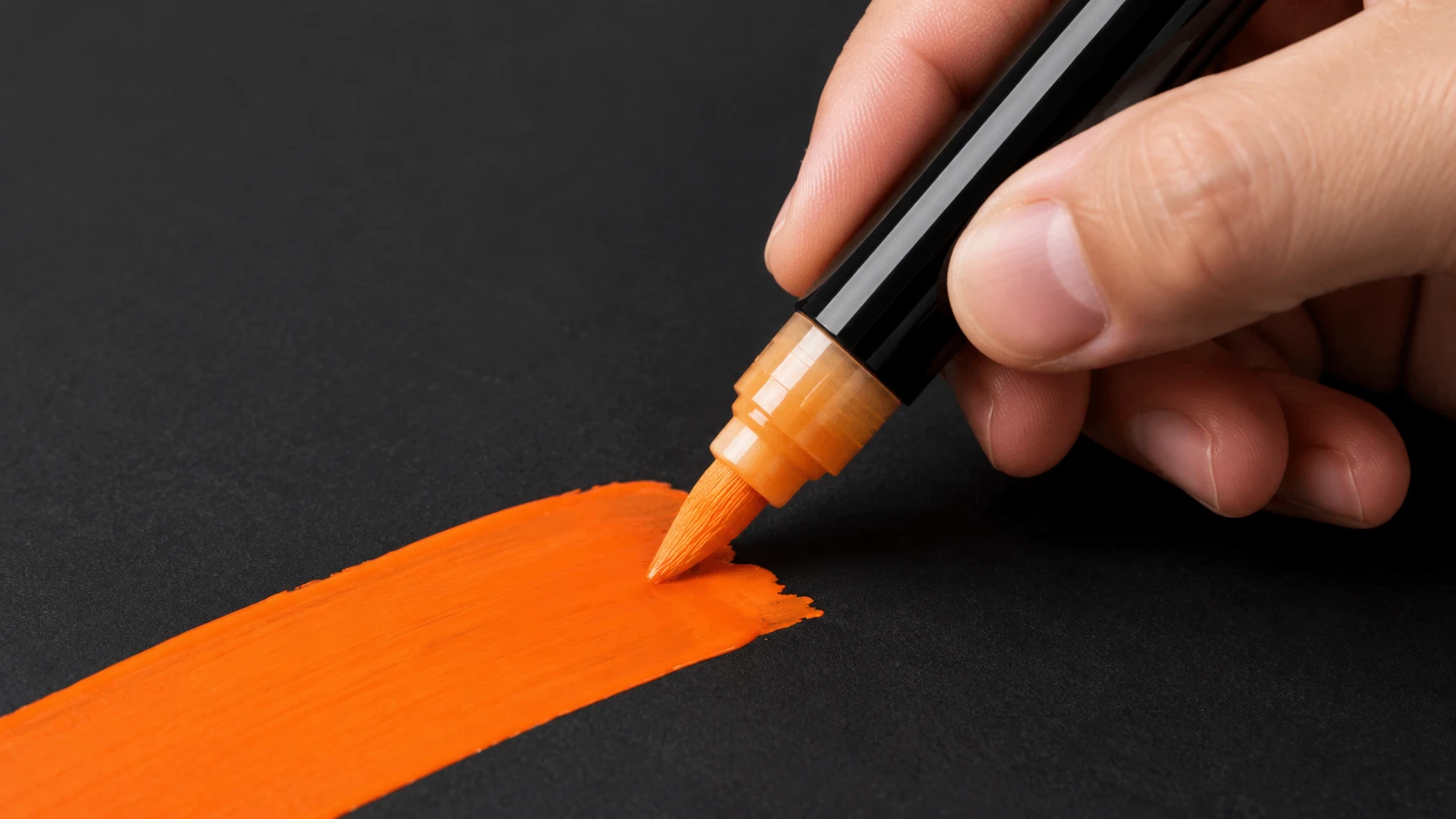
アーティストがペイントマーカーのキャップを外し、ニブを押し下げてバルブを作動させ、描き始める。最初のストロークは不透明で鮮やか。2回目はかすれ、3回目は水っぽい筋が残る。4回目にはバルブが開いたまま固着し、表面に塗料が溜まる。アーティストはマーカーを置き、そのブランドを二度と手に取らない。
高品質なアクリルペイントマーカーを調達するB2Bバイヤーにとって、この一連の失敗は偶然ではない。すべてのクレームは特定のエンジニアリング上の決定に遡る:顔料濃度、バルブスプリングの張力、ニブ素材の密度、またはバッチレベルの色管理。それぞれが測定可能であり、注文前にテストできる。
本記事では、高品質なアクリルペイントマーカーと返品を生む製品を分ける7つの要素を、サプライヤー比較時に使用できる評価基準とともに解説する。
目次
クイックアンサー:高品質なアクリルペイントマーカーを構成する要素は何か?
アーティストが推奨するペイントマーカーと廃棄するものの違い:
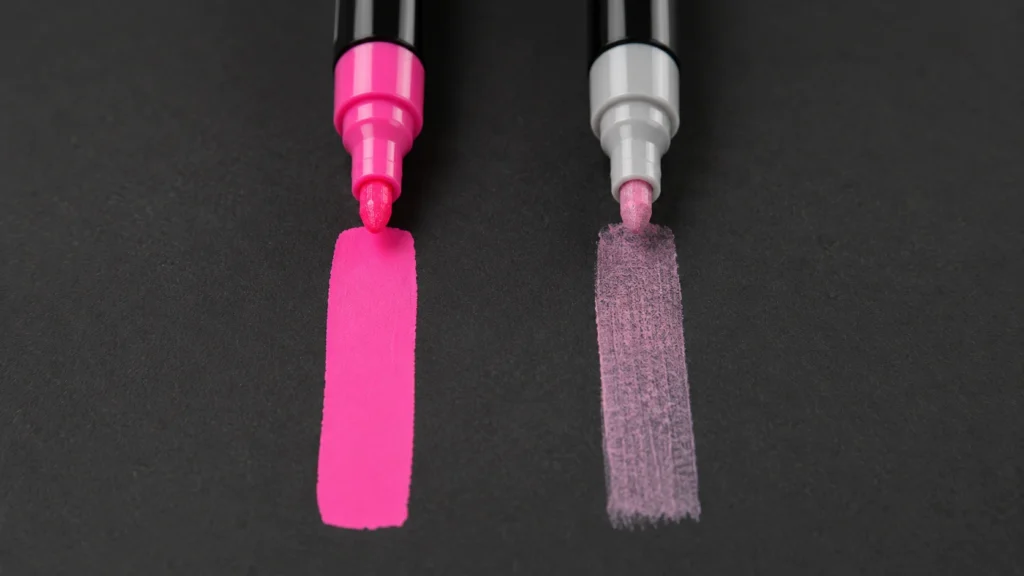
- 顔料含有量 不透明度を制御する。高品質なアクリルペイントマーカーは重量比で25~40%の顔料を含む。それ以下ではカバー力が水っぽくなる。アーティストは暗い表面でも一筆で不透明な仕上がりを必要とする。
- バルブ信頼性 塗料の流れを制御する。スプリング式バルブは軽い圧力で開き、一定量を供給し、解放時に完全に閉じる必要がある。バルブの固着や流量の不安定さは、保証請求の上位原因である。
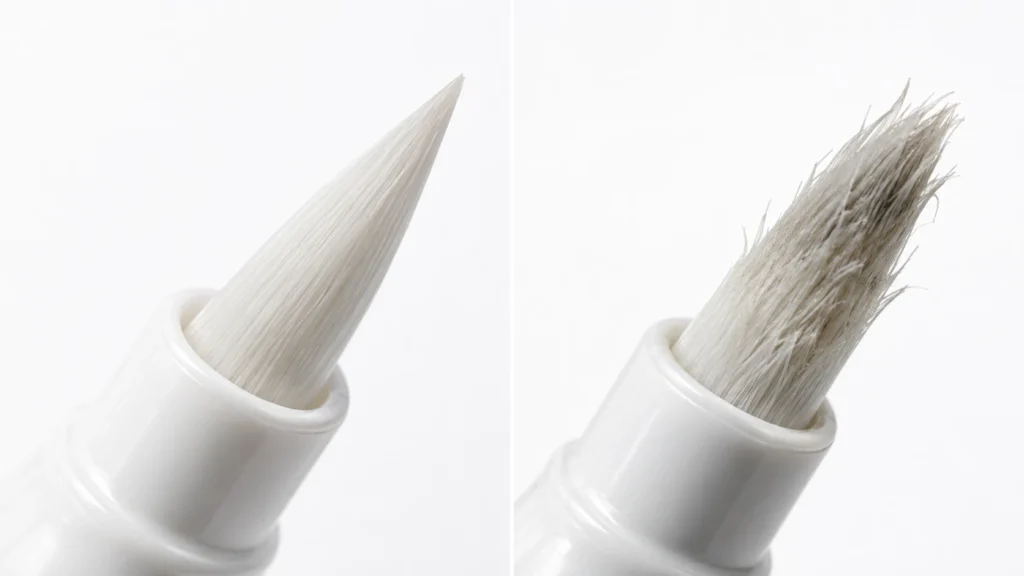
- ニブ耐久性 マーカーの寿命を決める。アクリル塗料は研磨性がある。安価なニブはすぐに毛羽立つ。
- 色の一貫性 バッチ間での色の一貫性は、画材小売業者がクレーム対応を避ける鍵となる。バッチ2の赤がバッチ1と異なれば、小売業者は顧客から指摘を受ける。
- 耐光性 アーティストグレードとクラフトグレードを分ける。数ヶ月で退色する顔料は、ファインアート市場でブランドを損なう。
単価を交渉する前に、その数字が実際に何を表しているのかを理解する必要がある。以下は、製造コンポーネントと総支出への影響をマッピングしたコスト構造表である。
エンドユーザーの苦情が製造上の意思決定にどのように対応するか
すべてのアクリルペイントマーカーの故障には工場レベルの根本原因がある:
| 一般的なクレーム | 根本原因 | 工場のQC指標 |
| 初回使用時に塗料がかすれる、または筋が残る | 顔料含有量不足;バルブに対して塗料粘度が低すぎる | バッチごとの顔料とバインダーの比率;管理温度下での塗料粘度 |
| バルブが開いたまま固着、塗料漏れ | バルブスプリングの張力が弱すぎる;水性塗料によるスプリング腐食 | スプリング力測定(作動時と復帰時);スプリング素材の腐食試験 |
| バルブが作動しない | 機構内部で塗料が乾燥;防止添加剤不足 | キャップシールの完全性;断続使用を想定した加速劣化試験 |
| ニブの毛羽立ちや扁平化 | 低密度繊維チップ;荒いチップ研磨が摩耗を促進 | 管理圧力下でのニブ耐摩耗性;素材密度仕様 |
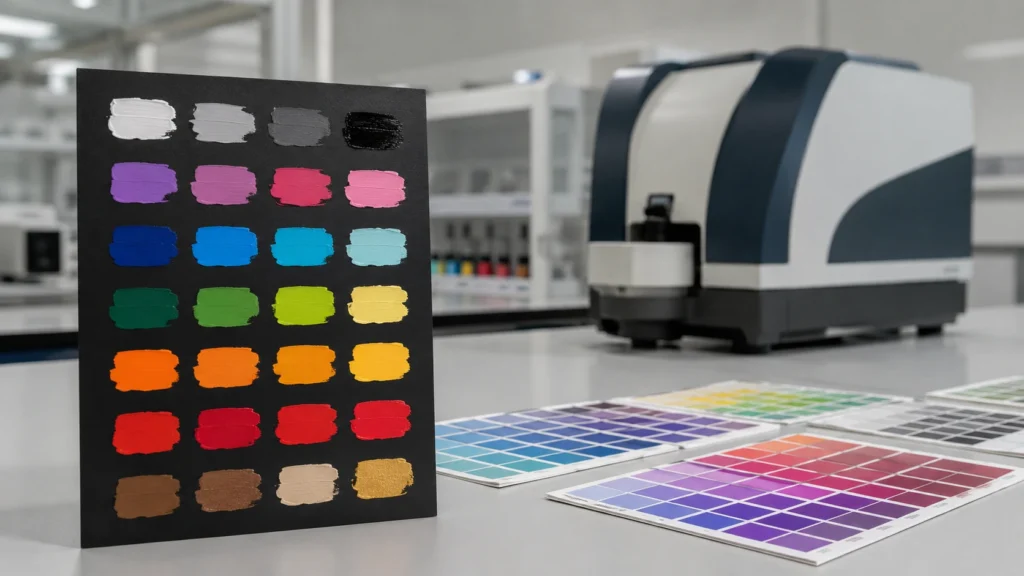
| バッチ間で色が異なる | 分光光度計による色基準なし;再配合なしでの顔料サプライヤー変更 | バッチレベルの分光光度計マッチング(デルタE 1.5未満);文書化された顔料サプライヤー資格 |
| 数ヶ月で塗料が退色 | アーティスト市場向けには耐光性が低すぎる;無機顔料が必要な箇所に有機顔料を使用 | ASTM D4303 または ブルーウールスケール 試験;顔料仕様書類 |
| バレル内で塗料が分離 | 懸濁剤不足;保存期間に対して配合が不安定 | 加速安定性試験(温度サイクル);12ヶ月および24ヶ月での保存期間検証 |
高品質アクリルペイントマーカー はマーケティング上の主張ではない。工場が管理するか否かのエンジニアリング仕様の集合である。
アクリルペイントマーカーを実際に他のものと異なるものにしている要素は何か
アクリルペイントマーカーは、インクが異なるだけの標準的なマーカーではない。通常のマーカーは繊維リザーバーを通じて薄い溶剤を吸い上げる。アクリルペイントマーカーは、機械式バルブを通じて厚く不透明なアクリル塗料を圧送する。エンジニアリング上の課題は、液体用に設計された機構で実際の塗料を一貫して流すことにある。
品質を決める4つのサブシステムは相互依存的である。高い顔料含有量は優れた不透明度をもたらすが、塗料をより厚くし、バルブスプリングに負荷をかけ、ニブを詰まらせやすくする。柔らかいニブはキャンバス上での感触が良いが、研磨性のあるアクリル顔料で摩耗が早い。すべての設計判断はトレードオフを伴う。高品質なアクリルペイントマーカーはこれらのバランスを意図的に取る。安価なものは偶然にそれらに直面する。 B2Bバイヤーにとっての含意は単純である。カタログ写真からペイントマーカーを評価することはできない。各サブシステムが顧客が作り出す条件下でどのように機能するかを理解する必要がある。 顔料濃度は最大の品質差別化要因である。アクリル塗料はアクリルポリマーエマルジョンに懸濁した顔料粒子である。水が蒸発し、アクリルバインダーが膜を形成し、顔料が表面に定着する。
顔料含有量が高いほど不透明度が向上する。低予算のペイントマーカーは、炭酸カルシウムやタルクなどの充填剤で顔料を薄め、色を加えずに容量を増やす。マーカーは満タンに見え、長く書けるが、淡く透明なストロークを生む。アーティストはすぐに気づき、再購入しない。
インク:顔料、不透明度、そして耐光性が重要な理由
不透明度は、白黒コントラストチャート上に標準厚さの塗料を塗布し、パターンがどれだけ透けて見えるかを確認することで測定される。高品質なアクリルペイントマーカーは、暗い表面で一筆でほぼ完全な不透明度を実現すべきである。それがアーティストが標準マーカーではなくペイントマーカーを使用する理由である。 耐光性はアーティスト市場におけるもう一つの必須条件である。ASTM D4303とブルーウールスケールは、光下での顔料の退色耐性を測定する。無機顔料(カドミウム代替品、酸化鉄、二酸化チタン)は最高評価を得る。有機顔料は鮮やかな色を与えるが、退色が早い。「アーティストグレード」または「アーカイバル」として販売されるマーカーは、文書化された耐光性評価を必要とする。それを提供できないサプライヤーは、理解していない市場に販売していることになる。. 自社でインク配合を行うメーカーは、顔料濃度、不透明度、耐光性を供給元で管理し、塗料サプライヤーが提供するものを受け入れるだけではない。
自社で運営し、カスタムアクリル塗料配合を開発しているため、これらの変数は開発中に指定され、生産中に発見されるものではない。
アクリルペイントマーカーは、標準マーカーと同じポリエステルまたはアクリル繊維ニブを使用する。違いは、それらが耐えなければならないものにある:研磨性のある顔料粒子がストロークごとに繊維に擦りつけられることである。
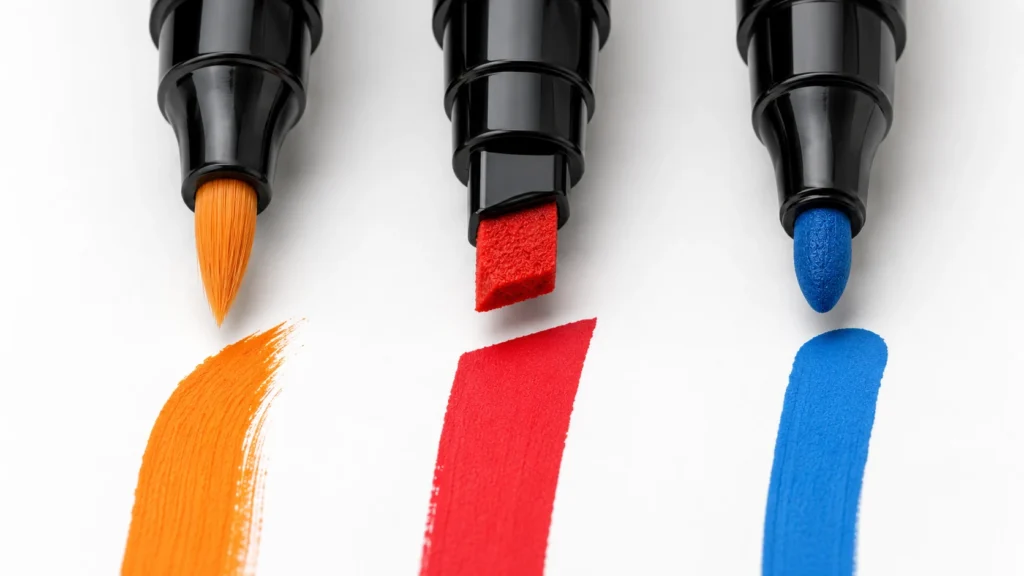
ノミ型、バレット型、ブラシ型の3つの標準形状がある。ブラシチップはアーティストグレードのアクリルマーカーで主流であり、絵筆のような感触を与える。また、製造が最も難しい。繊維束は形状を保つために十分に密度が高く、裂けないようにしっかりと結合され、弾力性を持って戻るように柔軟でなければならない。, ニブの品質は耐摩耗性に帰着する:先端が摩耗、変形、または塗料供給量が減少するまでの描画距離(メートル)である。高品質なアクリルペイントマーカーは、全塗料容量にわたって一貫した性能を発揮し、途中で劣化してはならない。, B2Bバイヤー向けのテストは簡単である。キャンバスやミクストメディアペーパーなどのテクスチャー表面に、マーカーが乾くまで連続して描画する。塗料が切れる前にニブが毛羽立った場合、チップ素材が顔料含有量に適していない。線幅が顕著に変化する場合、ニブが不均一に摩耗している。どちらもユーザーの過失ではない。
社内でインク配合を持つメーカーは、ペイントサプライヤーが提供するものを受け入れるのではなく、顔料濃度、不透明度、耐光性をソースで制御できます。 ZH STATIONERY 自社で運営しています インク研究開発ラボ カスタムアクリルペイント配合の開発を行っており、これらの変数は開発中に指定され、生産中に発見されることはありません。
ニブエンジニアリング:アーティストが実際に触れる部分
アクリルペイントマーカーは、標準的なマーカーと同じ材料ファミリーであるポリエステルまたはアクリル繊維ニブを使用します。違いは、彼らが生き残らなければならないもの:研磨性の顔料粒子がストロークごとに繊維に擦れることです。
チゼルチップ、バレットチップ、ブラシチップの3つの標準形状があります。ブラシチップは、絵筆のように感じるため、アーティストグレードのアクリルマーカーで主流です。また、製造が最も難しいです。繊維束は、形状を保つのに十分な密度があり、割れないようにしっかりと結合し、跳ね返るのに十分な柔軟性が必要です。
ニブの品質は耐摩耗性にかかっています:チップが摩耗、変形、またはペイントの供給が少なくなるまでの塗装距離(メートル)です。高品質のアクリルペイントマーカーは、ペイント全体の量にわたって一貫して性能を発揮し、途中で劣化してはいけません。
The test for B2B buyers is straightforward. Paint continuously on a textured surface, canvas or mixed-media paper, until the marker runs dry. If the nib frays before the paint runs out, the tip material is wrong for the pigment load. If line width changes noticeably, the nib is wearing unevenly. Neither is the user’s fault.
バルブシステム:ほとんどの購入者が見落とす点
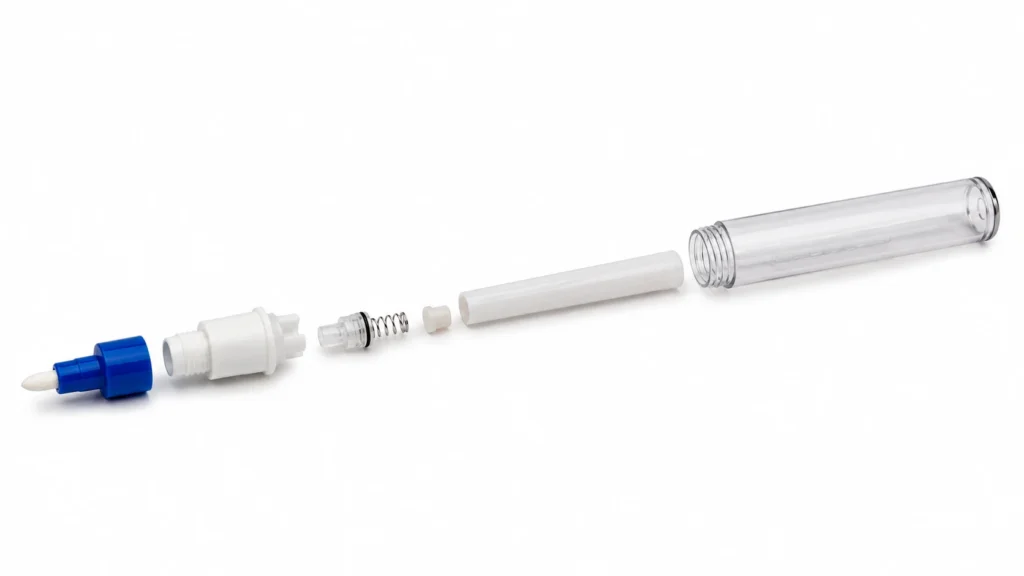
すべてのアクリルペイントマーカーは、ニブアセンブリ内部にスプリング式バルブを採用しています。先端を押し下げるとバルブが開き、塗料が流れます。離すと閉じます。このメカニズムが塗料供給のすべてを制御します。また、これが最も一般的な故障箇所でもあります。
開きすぎるバルブは漏れを引き起こします。硬すぎるバルブは、ユーザーが何度押しても塗料が出ず、フラストレーションを溜めます。完全に閉じないバルブは、内部で塗料が乾燥します。つまり、詰まりが発生し、永久的に使用不能になります。
スプリングの材質は重要です。水性アクリル塗料は一部の金属に対して弱い腐食性を持ちます。短時間のラボテストで完璧に機能するスプリングでも、キャップをしたマーカー内部で湿った塗料と断続的に接触する数ヶ月後には弱くなる可能性があります。ステンレス鋼は耐久性がありますが、炭素鋼はそうではありません。作動力と復元力の両方を含むスプリング力の仕様は、文書化され、生産ロット間で一貫している必要があります。
バルブの詰まりは、他のどのアクリルマーカーの故障よりも多くの保証請求を発生させます。防止には3つの要素が連携する必要があります:気密性のあるキャップシール、塗料への目詰まり防止添加剤、そして各作動時にきれいにパージされるバルブ設計です。キャップオフテストデータと目詰まり防止結果を示せない工場は、これを管理していません。
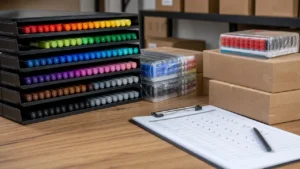
ZH STATIONERYは 100%全数検査 を梱包前の全ユニットに対して実施しています。バルブ作動、キャップシール確認、塗料供給の一貫性、すべてのマーカーがチェックされます。これにより、統計的サンプリングでは見逃されるバルブ不良を捕捉します。
B2Bバイヤーが発注前にテストすべきこと
カタログの説明では、どの ペイントマーカー が実際のアーティストの手に耐えるかはわかりません。以下の5つのテストがそれを明らかにします:
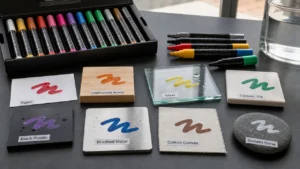
- 単一ストロークの不透明度。 黒い表面に1ストローク。塗料は完全に不透明である必要があります。すべての色で繰り返します。色間で不透明度に一貫性がない場合は、顔料充填量にばらつきがあることを意味します。
- 連続塗装耐久性。 キャンバスやミクストメディアペーパーにマーカーが空になるまで塗装します。ニブは形状を維持し、塗料の流れは全体を通して一貫している必要があります。塗料がなくなる前にニブの摩耗や流量低下が見られる場合は、素材またはバルブの問題を示します。
- キャップオフ回復性テスト. マーカーを1時間キャップを外したままにします。再びキャップをします。24時間待ちます。正常に作動し、塗料が出るはずです。これは、ユーザーが作業中にマーカーのキャップを忘れた場合に起こることです。
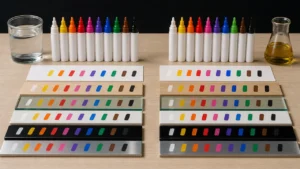
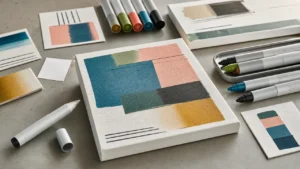
- ロット間の色合わせ。 3つの異なる生産ロットからのスウォッチを比較します。プロフェッショナルグレードではデルタEが1.5未満。注文間で目に見えるずれがある場合は、顔料調達に一貫性がないことを意味します。
- 耐光性の検証。 すべての色について顔料仕様と評価を入手します。いずれかの色がASTM IIまたはブルーウール6を下回る場合、サプライヤーはなぜそれがアート用途で販売される製品に適しているのか説明する必要があります。
社内に研究開発部門と100%全数検査を持つ工場は、このデータを生成できます。サプライヤーへの質問は「あなたのマーカーは高品質ですか」ではありません。「このSKUについて、顔料充填仕様、バルブ作動データ、ニブ摩耗結果、ロット間色合わせ記録を見せていただけますか?」と尋ねてください。“
よくある質問
アクリルペイントマーカーと通常の永久マーカーの違いは何ですか?
アクリルペイントマーカー は、アクリルポリマーエマルジョン中の水性顔料である、濃厚で不透明なアクリル塗料を使用します。通常の永久マーカーは、アルコール溶媒中の染料または顔料を使用します。アクリルマーカーは、ニブを通して塗料を送り出すためのバルブ機構を必要とします。ほぼすべての表面に不透明で耐光性のあるマークを生成します。乾燥すると、アクリルバインダーが膜を形成するため、溶媒浸透ではなく永久的になります。エンジニアリングはより複雑であり、管理すべき品質変数が増えることを意味します。
注文する前に、アクリルペイントマーカーの品質が高いかどうかを判断するにはどうすればよいですか?
黒色での単一ストローク不透明度をテストします。マーカーが空になるまで連続塗装をテストし、ニブの摩耗と流量の一貫性を観察します。1時間後のキャップオフ回復をテストします。ロット間で色スウォッチを比較します。耐光性評価を取得します。サプライヤーがこのSKUについてこのデータを提供する場合、製造レベルで品質を管理しています。提供できない場合、問題を捕捉するために製造後の検査に賭けていることになります。
アクリル絵の具マーカーが詰まる理由は何ですか?
使用間隔でバルブ機構内部に塗料が乾燥します。防止には、気密性のあるキャップシール、塗料への目詰まり防止添加剤、そして作動時にきれいにパージされるバルブが必要です。100%機能検査(全ユニットのバルブテストを含む)を実施するメーカーは、出荷前に詰まりを捕捉します。ZH STATIONERYは、完全な検査プロトコルにバルブ作動テストを含めています。
アクリルペイントマーカーに最適なニブの種類は何ですか?
一貫したラインと細部作業用のブレットチップ。広範囲と可変幅用のチゼルチップ。柔軟で筆圧に敏感なストローク用のブラシチップ。ブラシチップはアーティストグレードのマーカーに好まれます。形状よりも素材の品質が重要です。実際の塗料配合(汎用テスト液ではない)でニブ摩耗をテストする工場は、実際の耐久性を検証できます。
アクリルペイントマーカーが米国および欧州市場で必要とする認証は何ですか?
ASTM D-4236 コンプライアンスは、米国ではすべての画材に必要です。EN71-3は、欧州で子供向けアート製品に適用されます。REACHも適用される場合があります。ASTM D4303耐光性試験とACMI AP認証は、アーティストグレード製品の信頼性を高めます。常に、ISO 17025認定試験所からの最新の日付入りレポートを入手してください。
高品質アクリルペイントマーカーの一般的な最小注文数量(MOQ)はいくらですか?
カスタムブランディング付きの標準ボディは、SKUあたり約3,000~5,000個から始まります。完全なカスタムバレルやカスタム塗料色は、より高い最小ロット数が必要です。一部のメーカーは2,000個からのトライアルを受け付けます。ZH STATIONERYは、適切なプロジェクトに対して2,000個からの最小発注数量(MOQ)を提供しており、ブランドが本生産前にコンセプトをテストするのに役立ちます。アクリルペイントマーカーの仕様について話し合い、評価サンプルをリクエストするには、ZH STATIONERYにお問い合わせください。
もしあなたが 高品質アクリルペイントマーカーを画材ブランド、プライベートラベルプログラム、またはクリエイティブ小売チャネル向けに調達しているなら、, ZH STATIONERY にお問い合わせください 塗料配合、ニブ仕様、バルブテスト、認証文書について話し合うためにご連絡ください。
関連ガイド: 関連する品質管理チェックについては、以下を参照してください。 デュアルチップアクリルマーカー vs シングルチップマーカー.