إذا كنت تقوم بتوريد أدوات الكتابة للقنوات التجارية أو التعليمية أو الضيافة، فربما لاحظت تحولًا في طلب المشترين: المزيد من المستخدمين النهائيين يطلبون أقلام تحديد تبقى ثابتة حتى يتم إزالتها عمدًا. ليست أقلام التحديد الدائمة — فهذه فئة مختلفة تمامًا. المنتج الذي يكتسب زخمًا ثابتًا هو قلم التحديد القابل للمسح الرطب، والأسباب أعمق مما تدركه معظم فرق المشتريات.
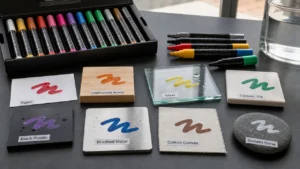
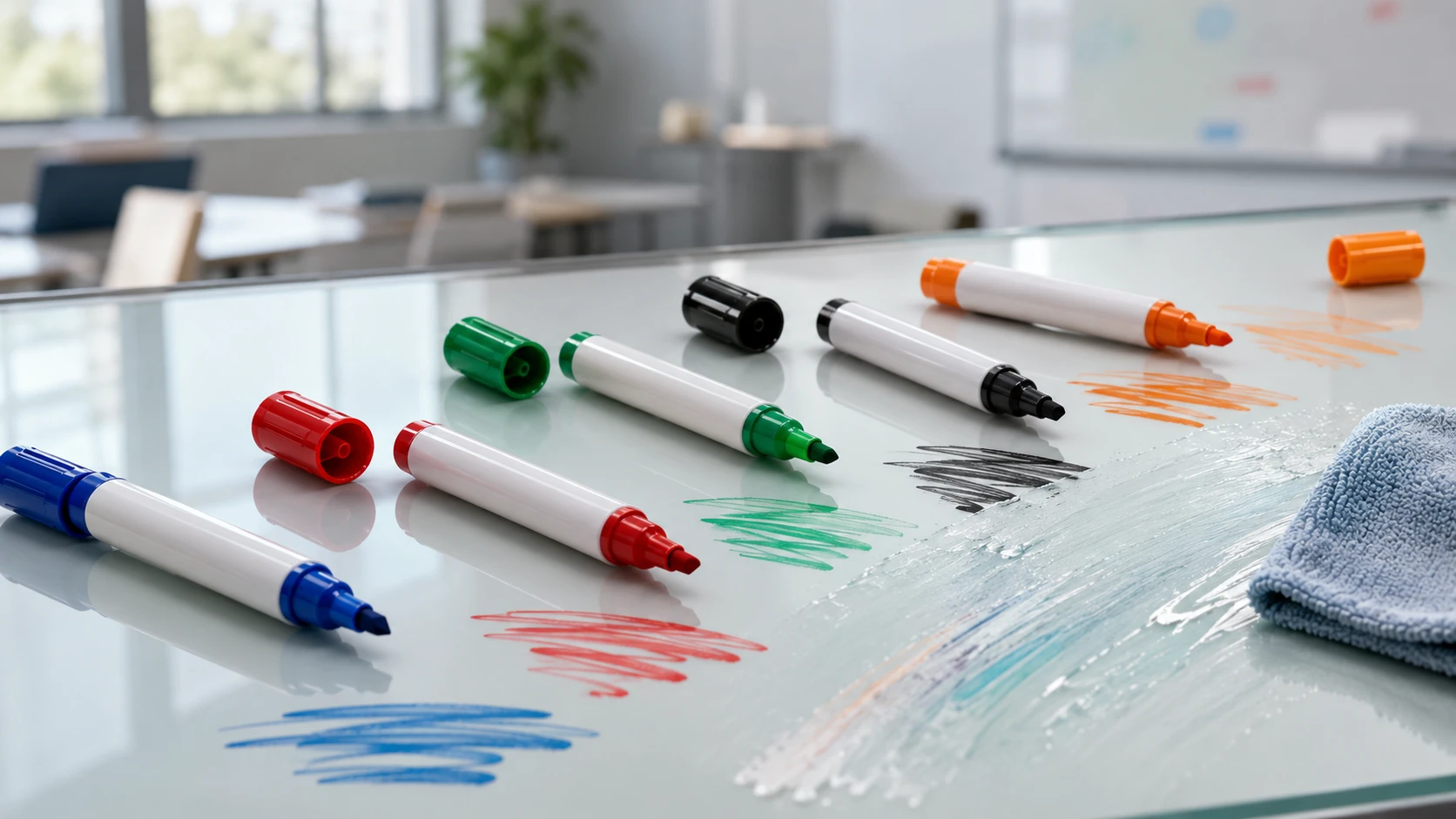
تحتل أقلام التحديد القابلة للمسح الرطب موقعًا متميزًا بين راحة المسح الجاف ومتانة الحبر الدائم. يلتصق حبرها القائم على المعجون والقابل للذوبان في الماء بقوة بالأسطح غير المسامية — السبورات البيضاء، الزجاج، الألواح المغطاة، شاشات العرض الأكريليكية، أفلام أجهزة العرض — وتقاوم التلطخ العرضي والحرارة والاحتكاك الخفيف. تتطلب الإزالة قطعة قماش مبللة، مما يعني أن الكتابة تبقى سليمة عند التلامس العادي ولكنها تُنظف نظيفة عند الحاجة إلى التحديث. بالنسبة للمطاعم التي تدير لوحات القوائم، والمدارس التي تحافظ على جداول أسبوعية، والمكاتب التي تستخدم قوالب التخطيط، وتجار التجزئة الذين يديرون اللافتات الترويجية، يحل هذا السلوك المحدد مشكلة سير العمل الحقيقية.
تعزز الأرقام هذه الإشارة. وفقًا لبيانات السوق من رؤى النمو العالمي, ، بلغ سوق أقلام التحديد للسبورات البيضاء العالمي حوالي 658 مليون دولار أمريكي في عام 2025، مع تمثيل المتغيرات القابلة للمسح الرطب لحوالي 16% من قيمة الفئة — حوالي 110 مليون دولار أمريكي في عام 2026 — وتنمو بمعدل نمو سنوي مركب يقدر بـ 4.76% حتى عام 2035. بشكل منفصل،, أبحاث سوق إنتل يقدر قطاع أقلام التحديد الطباشيرية القابلة للمسح الرطب الأوسع بـ 850 مليون دولار أمريكي في عام 2024، مع توقعات بالنمو إلى أكثر من 1.15 مليار دولار أمريكي بحلول عام 2034. هذه ليست أرقامًا متفجرة، لكنها تمثل طلبًا ثابتًا مدعومًا هيكليًا عبر القطاعات التي لا تختفي خلال فترات الركود الاقتصادي: المدارس لا تزال بحاجة إلى جداول، والمطاعم لا تزال بحاجة إلى قوائم، والمستودعات لا تزال بحاجة إلى ملصقات الصناديق.
بالنسبة لأصحاب العلامات التجارية وتجار الجملة ومديري المشتريات، فإن السؤال ليس ما إذا كانت أقلام التحديد القابلة للمسح الرطب مهمة — بل هو ما إذا كان موردك الحالي قادرًا على تقديم الاتساق والتخصيص والامتثال الذي تتطلبه قناتك. يغطي هذا التقرير ما يتغير، وما يجب مراقبته، وكيفية التعامل مع قرارات التوريد مع مفاجآت أقل.
جدول المحتويات
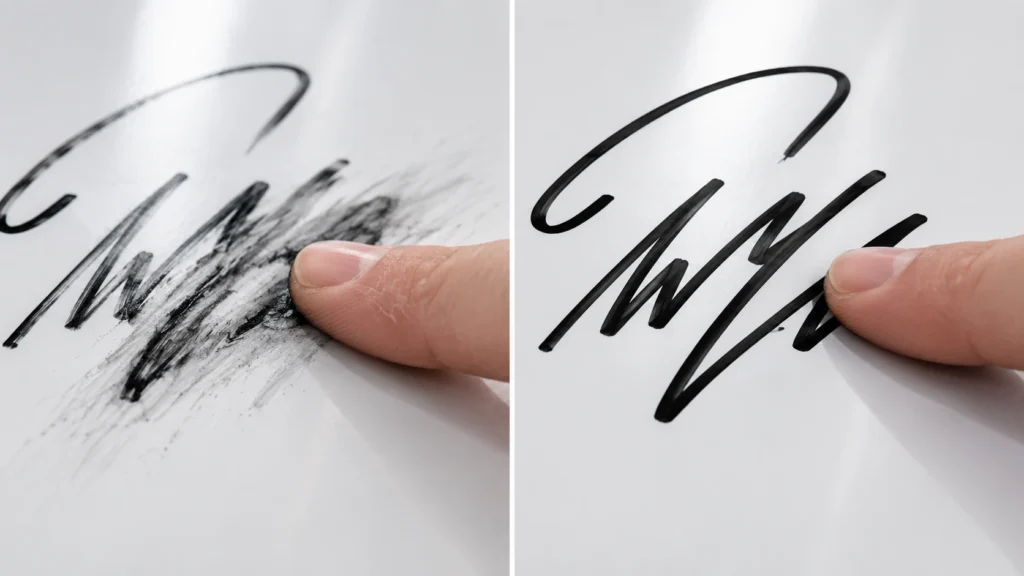
إجابة سريعة: ما الذي يجب على مشتري الأعمال (B2B) إعطاؤه الأولوية عند توريد أقلام المسح الرطب في عام 2026؟
- استقرار تركيبة الحبر أهم من سعر الوحدة — انحراف اللون واللزوجة على مستوى الدفعة هو السبب الأكثر شيوعًا لشكاوى المستخدمين النهائيين في منتجات المسح الرطب
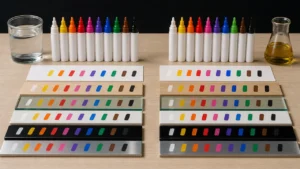
- يجب أن يكون اختبار توافق السطح جزءًا من تدقيق المورد الخاص بك، وليس مفترضًا من أوراق المواصفات — تتفاعل الطلاءات المختلفة للمواد المغطاة ومعالجات الزجاج ومواد الألواح بشكل مختلف مع الأحبار القائمة على المعجون
- تمثل التركيبات منخفضة الرائحة وغير السامة الآن حوالي 48% من تفضيل المشترين في الأسواق المتقدمة، و EN71 / ASTM D-4236 أصبح الامتثال غير قابل للتفاوض بشكل متزايد لقنوات التعليم والتجزئة
- عمق التخصيص — نوع الطرف، تصميم الجسم، نطاق الألوان، شكل التغليف — يفصل موردي السلع الأساسية عن الشركاء الذين يمكنهم دعم برامج العلامات الخاصة عبر عدة وحدات SKU
- تخدم أقلام التحديد القابلة للمسح الرطب والجاف حالات استخدام مختلفة، ووجود كليهما في كتالوجك يعزز موقفك مع المشترين الذين يخدمون بيئات مختلطة مثل المدارس والفنادق ومساحات العمل المشتركة
بالنسبة لأصحاب العلامات التجارية ومديري المشتريات، يساعد فهم هذه العوامل في وضع معايير أكثر دقة للتوريد وفحص الجودة قبل الالتزام بالإنتاج بالجملة.
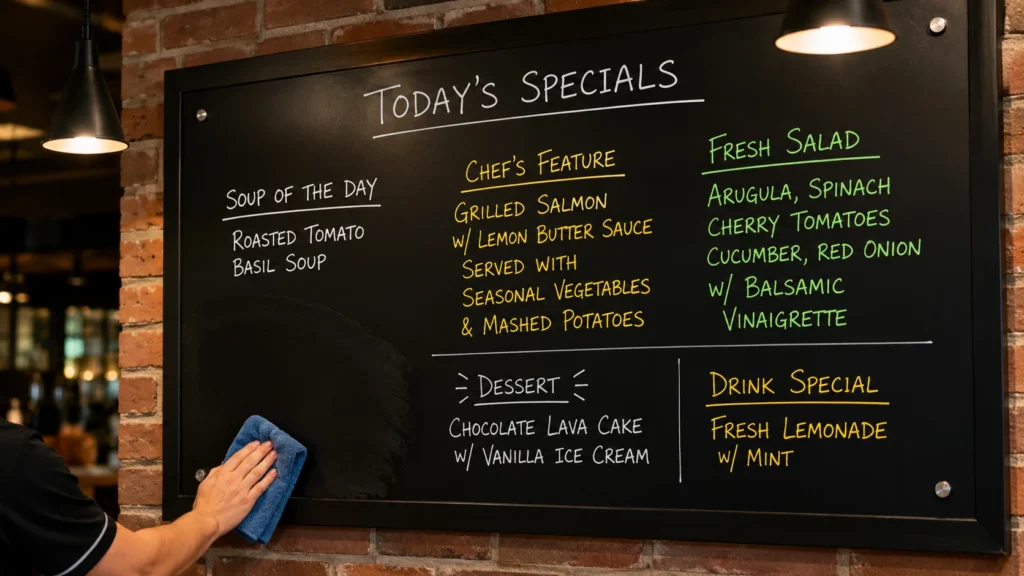
المسح الرطب مقابل المسح الجاف: قرار توريد بين الشركات، وليس مجرد اختيار منتج
التمييز بين أقلام التحديد القابلة للمسح الرطب والجاف ليس مجرد مسألة تفضيل المستهلك — بل هو قرار استراتيجي لخط المنتج يؤثر على مزيج مخزونك وقائمة مراقبة الجودة الخاصة بك وكيف ينظر عملاؤك إلى كتالوجك.
تستخدم أقلام التحديد الجافة حبرًا قائمًا على الكحول يتبخر بسرعة ويُمسح بقطعة قماش جافة أو ممحاة. تهيمن على الفصول الدراسية وغرف الاجتماعات لأنها تدعم التحديثات السريعة والمتكررة. تستخدم أقلام التحديد القابلة للمسح الرطب حبرًا قائمًا على المعجون وقابل للذوبان في الماء يلتصق بقوة أكبر بالأسطح ويتطلب رطوبة للإزالة. وهذا يجعلها الخيار الافتراضي للعروض الثابتة ولوحات الجدولة ولوحات القوائم وملصقات النقل وأي بيئة حيث يؤدي المسح العرضي إلى احتكاك تشغيلي — نادل يلمس لوحة عروض المشروبات، طالب يتكئ على جدول زمني، عامل مستودع يتعامل مع صناديق موسومة.
يوضح الجدول أدناه نقاط الألم الشائعة للمستخدمين النهائيين مع مقاييس مراقبة الجودة على مستوى المصنع التي يقيمها المشترون ذوو الخبرة قبل تقديم طلبات بالجملة.
| المشكلة الشائعة | سبب الفشل (السبب الجذري) | مقياس QC في المصنع |
| تلطخ الحبر بعد أيام من الكتابة | لزوجة الحبر منخفضة جدًا؛ رابط غير كافٍ في تركيبة المعجون | اختبار اللزوجة على مستوى الدفعة؛ تجارب وقت فتح الغطاء في درجة حرارة ورطوبة محكومة |
| بهتان الألوان بشكل غير متساوٍ على الزجاج أو المواد المغطاة | تشتت الصباغ غير متناسق؛ مذيب الناقل غير متوافق مع طلاء السطح | اختبار الالتصاق ومقاومة الضوء الخاص بالسطح عبر 3 أنواع ركيزة على الأقل |
| جفاف القلم في غضون أسابيع من الفتح | تحمل إغلاق الغطاء فضفاض جدًا؛ تركيبة احتباس الحبر غير كافية | قياس قوة سحب الغطاء؛ اختبارات الشيخوخة المتسارعة عند 40 درجة مئوية لسلامة إغلاق الغطاء |
| ظل أو بقايا بعد التنظيف | مكون الصبغة يخترق المسام الدقيقة للسطح؛ الرابط يترك طبقة | اختبار المسح النظيف على السبورة البيضاء والزجاج القديم بعد فترات بقاء 24 و 72 ساعة |
| تآكل الطرف أو طراوته بعد الاستخدام المعتدل | كثافة الألياف غير متناسقة؛ ترابط الطرف غير كافٍ لتدفق الحبر القائم على المعجون | اختبار مقاومة تآكل الطرف؛ اتساق معدل تدفق الحبر عبر دفعات الإنتاج |
| تشقق الجسم عند الخيط أو المشبك | نسبة خليط الراتنج خارج المواصفات؛ درجة حرارة القالب غير متناسقة أثناء الحقن | اختبار السقوط من ارتفاع 1.2 متر؛ اختبار عزم الخيط؛ اختبار إجهاد المشبك الدوري |
كل من أوضاع الفشل هذه يعود إلى متغير تصنيع يمكن التحكم فيه. عند تقييم مورد أقلام تحديد بالجملة قابلة للمسح الرطب, ، اطلب رؤية ليس فقط العينات النهائية ولكن سجلات QC أثناء العملية التي ترتبط بهذه المقاييس.
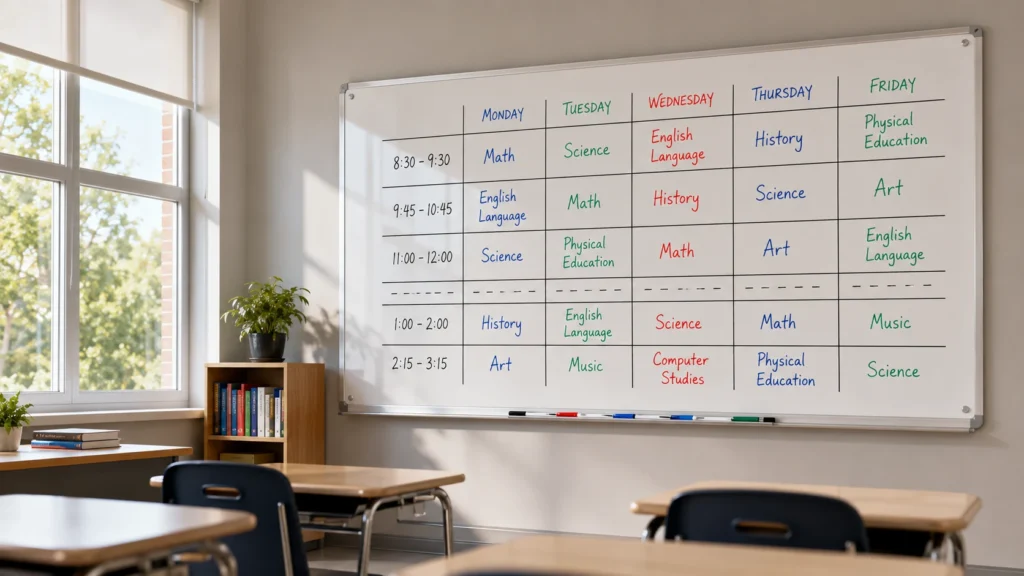
ما الذي يتغير في سوق أقلام السبورة القابلة للمسح الرطب — ولماذا يهم ذلك للمشترين من الشركات إلى الشركات
الطلب يتحول نحو الاستخدام متعدد الأسطح ومتعدد القطاعات
النظرة التقليدية لأقلام التحديد القابلة للمسح الرطب كمنتج متخصص لأجهزة العرض العلوية قديمة. يغطي الطلب اليوم الضيافة (لوحات القوائم، لافتات الطاولات، أنظمة عرض المطبخ)، التعليم (لوحات الجدولة في الفصول الدراسية، قوالب أوراق العمل القابلة لإعادة الاستخدام، وسم المختبرات)، التجزئة (لافتات النوافذ، ملصقات الرفوف، العروض الترويجية)، اللوجستيات (وسم الصناديق، تحديد الرفوف، وضع علامات على لوحات الشحن)، والبيئات المؤسسية (لوحات التخطيط، تقاويم غرف الاجتماعات، علامات إدارة المرافق).
هذا التنوع يغير ما يجب أن يبحث عنه المشترون في المورد. قد ينتج مصنع يحسن فقط لنوع سطح واحد — مثل السبورات البيضاء في الفصول الدراسية — أقلام تحديد تترك ظلالًا على الزجاج أو تفشل في الالتصاق ببعض المواد المغطاة. أ الشركة المصنعة OEM لأقلام التحديد القابلة للمسح الرطب مع قدرة اختبار متعددة الأسطح تمنحك مرونة عبر القنوات دون الحفاظ على علاقات موردين منفصلة لكل حالة استخدام.
توقعات الامتثال تتشدد في الأسواق الأمريكية والأوروبية
هناك معياران يهيمنان على محادثات المشتريات لأسواق الولايات المتحدة وأوروبا: EN71 (معيار السلامة الأوروبي للألعاب، الأجزاء 3 و 9 التي تغطي هجرة بعض العناصر والمركبات الكيميائية العضوية) و ASTM D-4236 (المعيار الأمريكي للمواد الفنية مع وضع العلامات على المخاطر المزمنة). على الرغم من أن كلا المعيارين ليس جديدًا، إلا أن التدقيق التنفيذي ووعي المشترين قد ازدادا.
بالنسبة للمشترين في قناة التعليم، فإن الامتثال لـ EN71 و ASTM هو شرط أساسي فعليًا — بدونه، لا يمكن للمنتجات دخول معظم أنظمة مشتريات اللوازم المدرسية. بالنسبة لقنوات التجزئة والضيافة، تقلل نفس الشهادات من التعرض للمسؤولية وتبسط وثائق الامتثال الخاصة بك. عند تقييم الموردين، تأكد من أن الشهادات حديثة وأن تقارير الاختبار تأتي من مختبرات خارجية معتمدة، وليس من تصريحات داخلية.
التركيبات منخفضة الرائحة أصبحت توقعًا سوقيًا
عبر الأسواق المتقدمة، تمثل أقلام التحديد منخفضة الرائحة الآن حوالي 48% من تفضيل المشترين، مدفوعة بزيادة الحساسية لجودة الهواء الداخلي في الفصول الدراسية والمكاتب وبيئات الخدمات الغذائية. هذا التفضيل له آثار مباشرة على معايير جودة أقلام التحديد القابلة للمسح الرطب: المذيبات والروابط المستخدمة في تركيبات الحبر القائمة على المعجون تؤثر بشكل مباشر على ملف الرائحة، وإعادة التركيب للرائحة المنخفضة مع الحفاظ على الالتصاق وقابلية المسح والاستقرار على الرف يتطلب قدرة بحث وتطوير حقيقية.
يمكن لمصنع لديه مختبر حبر داخلي — بدلاً من شراء حبر قياسي من موردين خارجيين — ضبط التركيبات لموازنة الرائحة المنخفضة مع خصائص الأداء التي يتطلبها سوقك. في منشأة لديها أكثر من 26 عامًا من الخبرة في OEM/ODM ومختبر أبحاث وتطوير حبر مخصص، تعد تعديلات التركيبة للرائحة واللزوجة وكثافة اللون وتوافق السطح جزءًا من عملية التطوير القياسية وليست طلبات خاصة تضيف أشهرًا إلى جدولك الزمني.
استراتيجية التوريد: كيفية تقييم موردي أقلام السبورة القابلة للمسح الرطب قبل تقديم طلبات بالجملة
ابدأ بسطح المستخدم النهائي، وليس ورقة مواصفات المورد
الخطأ الأكثر شيوعًا في التوريد هو تقييم أقلام التحديد بمعزل عن غيرها — اختبارها على سبورة بيضاء جديدة في مكتب وافتراض أنها ستعمل بشكل مماثل على لوحة قوائم مطعم مغلفة أو لوحة فصل دراسي عمرها خمس سنوات. تختلف ظروف السطح بشكل كبير: الخدوش المجهرية من التنظيف المتكرر، كيمياء الطلاء المختلفة، الطلاءات المضادة للوهج على الألواح الزجاجية، وهجرة الملدنات من بعض أسطح PVC تؤثر جميعها على كيفية التصاق الحبر القائم على المعجون وإطلاقه.
قبل طلب العينات، حدد أنواع الأسطح التي يستخدمها عملاؤك بالفعل. ثم اطلب من موردك تقديم نتائج اختبار الالتصاق والمسح النظيف على تلك الركائز المحددة. إذا لم يستطع المورد إظهار الاختبار على الأسطح ذات الصلة، فإن خطر شكاوى ما بعد التسليم ينتقل إليك.
اتساق الدفعات أهم من سعر الوحدة
عندما تقدم طلبات من 5,000 إلى 50,000+ وحدة، فإن اتساق الحبر عبر دفعات الإنتاج هو متغير الجودة الذي يسبب معظم شكاوى المستخدمين النهائيين — وهو أيضًا المتغير الذي تكون المصانع التي تركز على السلع الأساسية أقل تجهيزًا للتحكم فيه.
حبر المسح الرطب القائم على المعجون أكثر حساسية لانحراف التركيبة من حبر المسح الجاف القائم على الكحول. يمكن أن تؤدي الاختلافات الصغيرة في تشتت الصباغ أو نسبة الرابط أو تبخر المذيب أثناء الإنتاج إلى تغيير كثافة اللون ووقت التجفيف وقابلية المسح بين الدفعات. تخلق شحنة تصل مختلفة قليلاً عن العينة المعتمدة سلسلة من المشاكل: إرجاع العملاء، مراجعات سلبية، تكاليف إعادة العمل، وتآكل ثقة المشتري.
يمكن للمصانع التي تتحكم في تركيبة الحبر داخليًا — بدلاً من شراء حبر مخلوط مسبقًا من موردي المواد الكيميائية الخارجيين — الحفاظ على اتساق أكثر إحكامًا بين الدفعات لأنها تمتلك متغيرات التركيبة. تمنحك سجلات الإنتاج التي تتضمن قراءات اللزوجة وبيانات مقياس الطيف اللوني وقياسات وقت فتح الغطاء لكل دفعة دليلًا موضوعيًا على التحكم. عند تقييم شركة تصنيع OEM لأقلام التحديد القابلة للمسح الرطب، اسأل عن كيفية توثيق اتساق الدفعة وما إذا كانوا يحتفظون بعينات احتجازية لحل النزاعات.
يجب أن يكون التخصيص معيارًا، وليس خدمة إضافية مدفوعة.
بالنسبة لبرامج العلامات الخاصة، تتجاوز القدرة على التخصيص مجرد طباعة شعار على الجسم. تشمل قدرة التخصيص الحقيقية:
- خيارات نوع الطرف وحجمه: أطراف مستديرة، إزميلية، رفيعة، وكبيرة لتطبيقات كتابة مختلفة، من العمل التفصيلي على القوالب إلى اللافتات كبيرة الحجم.
- مرونة نطاق الألوان: القدرة على مطابقة الألوان الخاصة بالعلامة التجارية أو السوق بما يتجاوز المجموعات القياسية من الأسود والأزرق والأحمر والأخضر.
- خيارات تصميم القلم والقوالب: قوالب قياسية للبرامج الحساسة من حيث التكلفة أو قوالب مخصصة للتصاميم الحصرية للعلامات الخاصة.
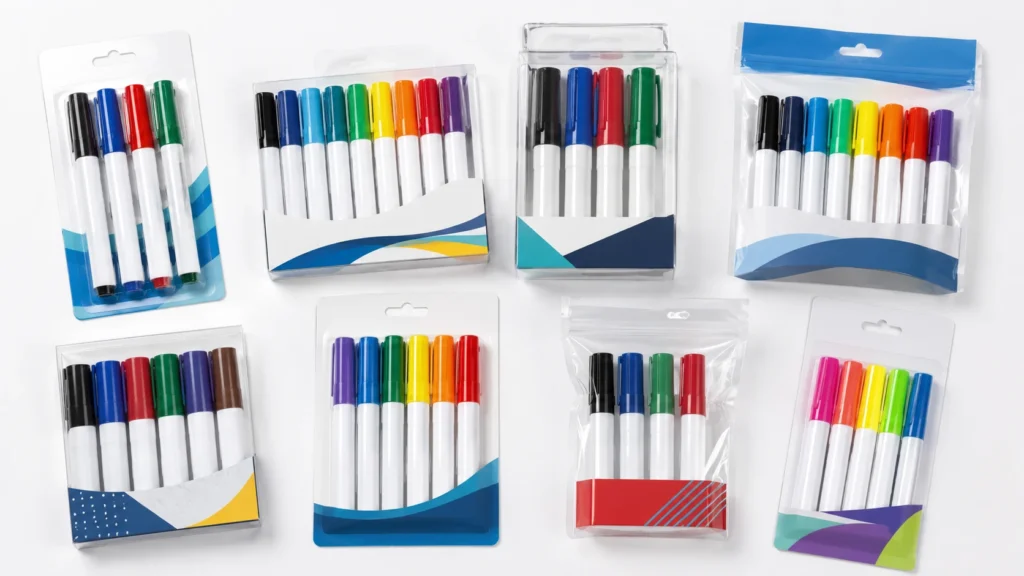
- شكل التغليف: بطاقات بلاستيكية، صناديق PET، أكياس، تغليف تجزئة جاهز للعرض، أو تغليف بالجملة للمشترين المؤسسيين.
- ضبط تركيبة الحبر: تعديل وقت التجفيف، الشفافية، ملف الرائحة، والتوافق السطحي لتلبية متطلبات القناة المحددة.
مصنع تبلغ مساحته أكثر من 10,000 متر مربع مع خطوط تجميع آلية ويطوّر أكثر من 2,000 تصميم جديد سنويًا يشير إلى أن التخصيص هو جوهر نموذج التشغيل لديه، وليس مجرد خدمة استثنائية. عندما تطلب مجموعة من 6 ألوان بأطراف إزميلية بتركيبة منخفضة الرائحة ومعبأة للعرض على أرفف التجزئة، فإن زمن الاستجابة وجودة العينة يخبرانك ما إذا كان التخصيص إجراءً معياريًا أم مجرد خدمة خاصة.
مرحلة أخذ العينات تكشف أكثر من الاقتباس
التسعير، الحد الأدنى لكمية الطلب، ووقت التسليم هي نقاط بيانات ضرورية، لكن مرحلة أخذ العينات هي حيث تتعلم ما إذا كان المورد قادرًا على التنفيذ الفعلي. انتبه إلى:
- وقت تسليم العينة: هل يُقاس بالأيام أم الأسابيع؟ سرعة التسليم مع المواصفات الدقيقة تشير إلى تنسيق داخلي فعال.
- تطابق العينة مع الإنتاج: هل تتطابق عينة الإنتاج مع عينة ما قبل الإنتاج؟ إذا لم يكن الأمر كذلك، فإن التحكم في العمليات في المصنع غير كافٍ للطلبات المتكررة.
- التواصل أثناء أخذ العينات: هل يطرح المورد أسئلة توضيحية حول أنواع الأسطح لديك، بيئة الاستخدام، ومتطلبات التغليف؟ أم أنهم ببساطة يؤكدون الطلب ويشحنون ما هو متاح على الرف؟
هذه الإشارات أكثر تنبؤًا بأداء المورد على المدى الطويل من سعر الوحدة المذكور.
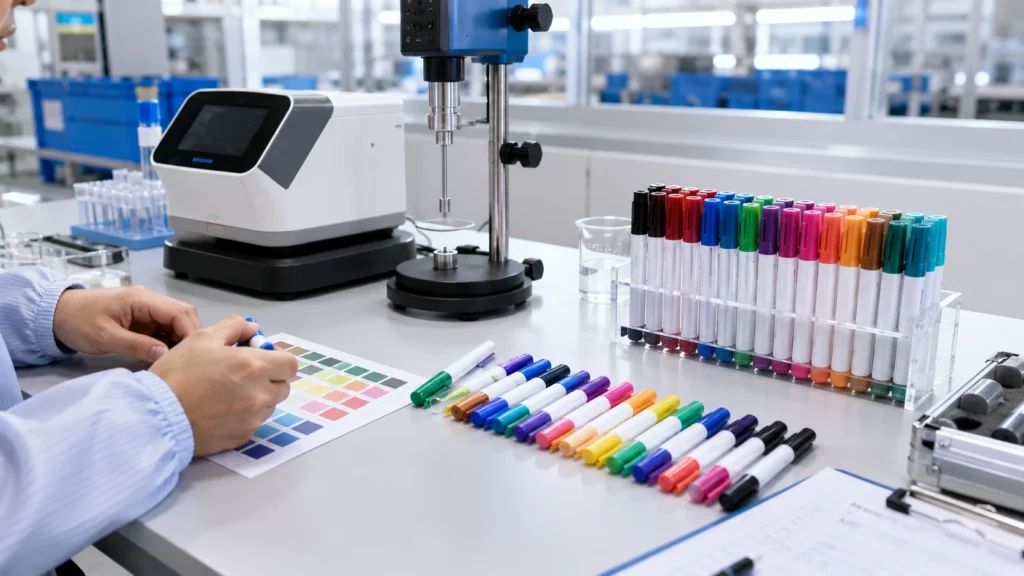
إشارات مراقبة الجودة التي يجب على كل مشترٍ في قطاع الأعمال (B2B) التحقق منها
قبل الالتزام بدورة إنتاج، تحقق من أن نظام مراقبة الجودة للمورد يعالج أوضاع الفشل الأكثر احتمالية للتأثير على قناتك المحددة. نقاط التفتيش التالية تميز الموردين الذين يتحكمون في الجودة من أولئك الذين يفحصون بعد حدوث المشكلات:
- فحص المواد الواردة. يجب فحص الأطراف، الأجسام، الأغطية، والمواد الخام للحبر وفقًا للمواصفات قبل دخول الإنتاج. دفعة جسم قلم مفقودة أو غير متسقة يمكن أن تسبب مشاكل تشقق تظهر فقط بعد الشحن.
- فحوصات اللزوجة والتدفق أثناء العملية. لزوجة الحبر تؤثر مباشرة على شعور الكتابة، اتساق الخط، وعمر القلم عند فتح الغطاء. القياس أثناء العملية - وليس فقط الفحص النهائي - يكتشف الانحراف قبل أن يؤثر على الدفعة بأكملها.
- اختبار سلامة الختم. تحمل ملاءمة الغطاء هو أحد أكثر نقاط الفشل شيوعًا في أقلام العلامات القابلة للمسح الرطب لأن الحبر القائم على المعجون يجف أسرع من التركيبات القائمة على الكحول بمجرد تعرضه للهواء. قياس قوة السحب واختبارات الشيخوخة المتسارعة هي طرق قياسية.
- فحص كامل قبل التعبئة. في المنشآت حيث تمر كل وحدة بفحص بصري ووظيفي قبل التعبئة، تنخفض معدلات العيوب في مستودع المشتري بشكل ملحوظ. هذا ليس ادعاءً تسويقيًا - إنه خيار تشغيلي يضيف تكلفة عمالة مقابل تقليل الشكاوى.
- الاحتفاظ بالدفعات وإمكانية التتبع. المورد الذي يحتفظ بعينات مادية من كل دفعة إنتاج ويحافظ على سجلات تتبع على مستوى الدفعة يمكنه حل النزاعات بشكل موضوعي بدلاً من التفاوض.
تتطلب بعض هذه الممارسات استثمارات تتجاوز قدرات الورش الصغيرة. المصنع الذي يدير منشأة تزيد مساحتها عن 10,000 متر مربع تضم 8 ورش إنتاج بخطوط تجميع آلية ونقاط فحص جودة منهجية مجهز هيكليًا للحفاظ على الاتساق على نطاق واسع — ليس لأنه يدّعي أنه أفضل، بل لأن بيئة الإنتاج لديه تجعل التحكم في العمليات أمرًا قابلًا للتحقيق.
الأسئلة الشائعة
ما هو الفرق بين أقلام السبورة الرطبة وأقلام السبورة الجافة من منظور التوريد؟
من منظور التوريد، الفرق الحاسم يكمن في تركيبة الحبر وتأثيراتها على مراقبة الجودة. تستخدم أقلام المسح الرطب حبرًا مائيًا قائمًا على المعجون يتطلب تحكمًا أكثر دقة في اللزوجة، وإدارة أكثر حساسية لاتساق الدفعات، واختبارًا أكثر شمولاً لإغلاق الغطاء مقارنة بأقلام المسح الجاف القائمة على الكحول. إذا تعامل موردك مع كلا النوعين من المنتجات بنفس قائمة مراجعة مراقبة الجودة، فمن المرجح أن تواجه معدلات شكوى أعلى في جانب المسح الرطب.
2. كيف يمكنني التحقق من جودة مورد أقلام التحديد القابلة للمسح الرطب قبل تقديم طلب بالجملة؟
اطلب عينات إنتاج تم اختبارها على أنواع الأسطح المحددة التي يستخدمها عملاؤك — وليس فقط على سبورة بيضاء عامة. اطلب سجلات مراقبة الجودة على مستوى الدفعة بما في ذلك قراءات اللزوجة وبيانات تناسق الألوان. تأكد من أن الشهادات (EN71، ASTM D-4236) سارية المفعول وصادرة عن مختبرات خارجية معتمدة. اطلب دفعة تجريبية صغيرة قبل التوسع إلى حجم الإنتاج الكامل، وقارن الدفعة التجريبية بالعينة الأصلية المعتمدة. المورد الذي يمتلك عملية منهجية لأخذ العينات وتوثيق مراقبة الجودة، مثل الذي يطبق فحصًا بنسبة 100% قبل التعبئة، يقلل من تعرضك للمفاجآت بعد التسليم.
3. ما هي الشهادات التي يجب أن أبحث عنها عند شراء أقلام العلامات القابلة للمسح الرطب لأسواق الولايات المتحدة وأوروبا؟
بالنسبة للسوق الأمريكي، فإن المعيار ASTM D-4236 هو المعيار ذو الصلة بمواد الفن والكتابة. أما بالنسبة للسوق الأوروبي، فإن معايير EN71 الجزء 3 (هجرة بعض العناصر) وEN71 الجزء 9 (المركبات الكيميائية العضوية) ضرورية، خاصة للمنتجات التي تدخل قنوات المدارس والتجزئة. يُتوقع بشكل متزايد الامتثال للوائح REACH للتوزيع في أوروبا. تأكد دائمًا من أن تقارير الاختبار صادرة عن مختبرات مستقلة معتمدة، وليس من تصريحات ذاتية من الموردين.
4. هل يمكن تخصيص أقلام المسح الرطب بالكامل للعلامات التجارية الخاصة؟
نعم. يمكن لشركة تصنيع المعدات الأصلية القادرة تخصيص تركيبة الحبر (اللون، وقت التجفيف، ملف الرائحة)، نوع وحجم الطرف (مدبب، إزميلي، دقيق، كبير)، تصميم الجسم (قالب قياسي أو مخصص)، تكوين مجموعة الألوان، وشكل التغليف (بطاقة بلاستيكية، صندوق، كيس، جاهز للعرض). المنشآت التي تحتوي على مختبرات بحث وتطوير داخلية للحبر وخطوط تجميع آلية يمكنها عادة التعامل مع برامج التخصيص الكاملة بدءًا من حد أدنى لكمية الطلب يصل إلى 2,000 قطعة. إذا كنت تقوم بتقييم خيارات العلامات الخاصة لأقلام العلامات القابلة للمسح الرطب المخصصة، اطلب رؤية مشاريع العلامات الخاصة السابقة ذات النطاق المشابه لنطاقك بدلاً من الاعتماد على ادعاءات القدرة فقط.
5. ما هو الحد الأدنى النموذجي لكمية الطلب (MOQ) للطلبات بالجملة لأقلام العلامات القابلة للمسح الرطب؟
تختلف الحدود الدنيا للكميات حسب المورد وعمق التخصيص. بالنسبة للمنتجات القياسية مع طباعة الشعار، تقبل بعض المصانع طلبات تبدأ من 2,000 قطعة لكل وحدة تخزين SKU. أما بالنسبة للقوالب المخصصة بالكامل أو الألوان أو التغليف، فعادةً ما تكون الحدود الدنيا للكميات أعلى بسبب تكاليف الإعداد. عند مناقشة الحد الأدنى للكمية مع المورد، وضح ما إذا كان الحد الأدنى ينطبق لكل وحدة تخزين SKU أو لكل لون أو لكل طلب إجمالي — هذا التمييز يؤثر بشكل كبير على التزامك بمخزونك المبدئي.
6. كيف ينبغي لي التفكير في أقلام العلامات القابلة للمسح الرطب مقابل أقلام العلامات القابلة للمسح الجاف لكتالوج منتجاتي؟
يعتمد القرار على قاعدة عملائك. إذا كان مشتروك يخدمون بشكل أساسي المدارس والمكاتب المؤسسية، فمن المحتمل أن تهيمن أقلام العلامات الجافة على الحجم، لكن حمل خط أقلام قابلة للمسح الرطب مكمل يعزز موقفك كمورد كامل الفئة - خاصة للعملاء الذين يخدمون المكاتب الإدارية، إدارة المرافق، أو عمليات الحرم الجامعي التي تستخدم كلا النوعين. إذا كان عملاؤك في قطاع الضيافة، التجزئة، أو الخدمات اللوجستية، يجب أن تكون أقلام العلامات القابلة للمسح الرطب هي وحدة التخزين الرئيسية لديك، مع أقلام العلامات الجافة كخيار إضافي. العديد من مصنعي المعدات الأصلية يقدمون كلا النوعين من المنتجات تحت علاقة توريد واحدة، مما يبسط الخدمات اللوجستية، يقلل من النفقات الإدارية للموردين، ويمنحك نفوذًا للتسعير الموحد. للمشترين الذين يقيمون أقلام العلامات القابلة للمسح الرطب بالجملة للمدارس إلى جانب خيارات الجافة، مناقشة برنامج مشترك مع موردك يمكن أن يحسن اقتصاديات الوحدة وكفاءة سلسلة التوريد.
الخلاصة: أقلام العلامات القابلة للمسح الرطب تستحق دليل شراء خاصًا بها
أقلام العلامات القابلة للمسح الرطب تقع في فئة يعتبرها العديد من المشترين أمرًا ثانويًا - عنصر اختياري يضاف إلى طلب العلامات الجافة دون تدقيق كبير. هذا النهج يخلق مخاطر يمكن تجنبها تمامًا. تركيبات الحبر القائمة على المعجون أكثر حساسية لمتغيرات التصنيع من البدائل القائمة على الكحول. توافق السطح يختلف. اتساق الدفعة يتطلب تحكمًا حقيقيًا في العمليات، وليس فقط الفحص النهائي. وتوقعات المستخدم النهائي حول الرائحة، قابلية المسح، وحيوية اللون في ازدياد عبر كل قناة تشتري هذه المنتجات.
الخبر السار هو أن مشهد الموردين ناضج بما يكفي بحيث يمكن للمشترين الذين يستثمرون جهدًا في التقييم العثور على شركاء تصنيع مجهزين لتقديم الاتساق، التخصيص، والامتثال بأسعار تنافسية. مصنع ذو خبرة عميقة في التصنيع الأصلي والتصميم الأصلي، قدرة داخلية على تركيب الحبر، عمليات مراقبة جودة منهجية، وحجم إنتاج لدعم الطلبات المتكررة بالجملة يزيل المتغيرات التي تسبب أكثر مشاكل التوريد شيوعًا.
إذا كنت تقوم بتوريد أقلام العلامات القابلة للمسح الرطب،, أقلام ماركر معدنية, أو أقلام الجل لبرامج العلامات الخاصة، توزيع التجزئة، قنوات التوريد المدرسية، أو الحسابات التجارية، يمكنك الاتصال بـ ZH STATIONERY لمناقشة المواصفات، طلب عينات، مراجعة خيارات التغليف، وتلقي عروض أسعار الإنتاج بالجملة.
قراءة ذات صلة للمشترين
استخدم هذه الأدلة ذات الصلة لمقارنة المنتج والتغليف والامتثال وقرارات التوريد قبل إرسال طلب عرض الأسعار.
- دليل مقارنة أقلام الماركر القابلة للمسح الرطب
- دليل حبر العلامات الغذائية
- دليل سلامة أقلام التحديد للأطفال
- دليل اختبار الفورمالديهايد في الأدوات المكتبية
- دليل قلم التحديد الصالح للأكل
الدليل ذو الصلة: للحصول على سياق إضافي حول السوق، يُرجى الاطلاع على كيفية توريد أقلام تلوين الرسم للأطفال؟ دليل المشتري من الشركات بناءً على تفضيلات الألوان للأطفال من سن 3-6 سنوات.