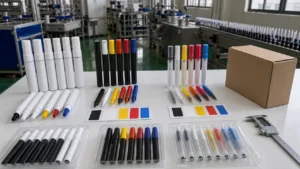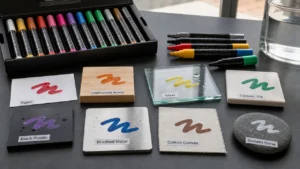
Skin safe markers must be marked for the use they are sold for. For writing on skin, choose a body-art product exactly marked for that use. An ordinary writing pen is not an equivalent swap. Check the exact product, parts, use area, age guidance, and cleanup steps rather than choosing by brand name alone.
Quick answer
Choose body-art products marked for the area where you plan to use them. Safe, water-based, and washable do not by themselves show that a writing marker is fit for skin. Follow the product warnings. A product made for body art is not necessarily fit for the eyes or lips.
Buyer note for brands and importers
The safest sourcing path is to match the marker to the planned use, target market, and required documents. Plain safe writing markers are not automatically body-art-grade body products. Most products sold as skin safe markers do not carry the marking to prove it. If a product may touch skin during children's activities, events, or promo use, ask the supplier for recent exact test reports first. Ask for warning-mark support and packing documents before you place an OEM/ODM order. Buyers should also confirm the planned use. Brief touch, short body art, face painting, and general writing each may need other marks, age grades, and compliance review.
ZH Stationery makes pens and markers for retail, school, art, and OEM/ODM writing projects. For buyers, the real question is not only is it safe. It is whether the product fits the planned use, target market, marking needs, and test-report requirements.
Key Takeaways
- Use products specifically labeled for skin contact when skin use is the intended purpose.
- Washability and ink base describe product characteristics; neither proves suitability for cosmetic use.
- Ask suppliers for current compliance documents, ingredient restrictions, age grading, and warning-label guidance.
- Avoid unsupported medical-style approval claims unless there is a verifiable test report, certification, or legally reviewable substantiation behind the wording.
Understanding Skin Safety and Ink Composition
Skin contact can cause rash for some users. Solvent-heavy inks, scents, certain dyes, and long wear times raise the risk. For sourcing, review the mix, the labels, and the test documents. Do not rely on broad safe wording.
Why Skin-Safe Ink Matters
The planned use matters. A mix assessed for writing on paper has not thereby been assessed for deliberate use to skin.
Check the product mark and supporting documents for its planned use. Do not infer skin fit from the absence of a single ingredient.
Review Ingredients and Use Restrictions
Before choosing a product, check these three items:
- The full ingredient information supplied for the exact product.
- The body areas and user groups covered by its labeling.
- The manufacturer’s warnings, storage guidance, and removal instructions.
Ask for documents that identify the mix and planned use. Claims about tests in multiple countries are not useful unless the supplier can name the reports and their scope.
Cosmetic Products and Stationery Pens Are Different Categories
Compare the stated use of the product first. Then compare colors, nibs, or packing. This is the only reliable method to tell genuine skin safe markers from plain art materials. A writing test report cannot show every possible use.
What Non-Toxic Stationery Labeling Does Not Prove
Do not select a writing marker for body art solely because its mark says safe or washable. Look for an explicit body-art-use claim and product steps that cover the planned activity.
Useful product details to check include:
- Ink type and intended-use statement on the packaging
- Restricted-substance testing for the target market
- Removal instructions and warning labels
- Recent test reports that match the exact colors and packaging being ordered
Eco-Friendly Options
Eco claims also need documents. If a buyer wants recycled, biodegradable, bamboo, paper-barrel, refillable, or lower-plastic packing, confirm the material spec and marking rules. Do this before using environmental claims.
- Water-based ink options with supplier documentation
- Packaging materials matched to the buyer’s market and retail channel
- Documented manufacturing and material-control processes
Because formulas differ by product, buyers should rely on current lab reports rather than broad safe claims.
Why Ordinary Ballpoint Pens Are Not the Default Choice
An plain ballpoint is designed for writing, not for body-art use. A fine tip, restricted-substance report, or plastic-barrel spec does not change that planned use. Check the following distinctions:
- A numerical ink specification needs a defined property, unit, method, and acceptance range; an unexplained number is not evidence of skin suitability.
- Tip diameter describes the line, not the suitability of the ink for skin.
- A barrel-material declaration does not establish the safety of the ink formulation.
If the planned use is unclear, ask the manufacturer before selecting the product for body art.
Practical Safety Recommendations
Use the mark and exact evidence to decide whether a product fits the chosen use. General assurances such as “safe for everyone” are not an adequate selection criterion.
Color strength, drying time, and grip comfort are useful performance characteristics, but they do not replace an intended-use assessment.
How to Review Brand Safety Claims
For any brand, review the exact test reports, product marking, ink system, target age, and planned claims. Do that before you make skin-contact claims on packing or product listings.
After confirming the planned use, compare practical characteristics:
Check that the supplied product and parts details match the ordered version.
Follow the stated drying and cleanup steps rather than assuming every quick-drying ink behaves alike.
Choose a tip and grip fit for the chosen design without pressing hard against the skin.
Compare Exact Products, Not Brand Reputations
When comparing consumer products, check whether each item is exactly marked for body art or skin contact. Do not assume that a familiar retail brand is fit for every skin-use scenario.
For children, events, or repeated use, pick products marked for that purpose. Follow the cleanup and watch-over steps on the packing.
Temporary Body Art: A Brief Overview
short body decoration includes several other product types. Their steps and permitted uses differ, so products should not be treated as interchangeable.
Different Forms of Temporary Decoration
A transfer design is applied differently from a freehand body-art marker. Compare the actual use and cleanup steps for each product.
The history or popularity of a technique does not show the fit of a current mix.
A Design Is Not a Product Assessment
Choose a design separately from choosing the material used to make it. The appearance of a finished design does not name its parts.
Check the marked use even when recreating a familiar short-art technique.
How to Choose the Best Pen for Skin
Choosing the right pen for skin needs safe, precision, and comfort. It’s important for making short tattoos or practicing body art. Two key things to look for are clear parts and good tool design.
Examining Ingredients
Review the full parts details and planned marking. “Natural,” vegetable-based, alcohol-free, and water-based are not substitutes for this review.
Products and individual responses vary. Do not interpret a short list of excluded parts as a guarantee against rash.
An ACMI AP mark or an ASTM D-4236 claim on an art material does not by itself show approval for body painting. FDA guidance says cosmetic color parts must be allowed for their planned uses. No product-specific FDA approval or skin-test claim is made for ZH Stationery here.
Understanding Pen Tips and Ink Flow
Evaluate a body-art applicator on its planned design and steps. A narrow writing nib is not made fit for skin merely by producing a precise line.
Here’s what to look for in a pen:
- Tip control: choose an applicator intended for the task and use it without scraping or excessive pressure.
- Drying time: Quick-drying inks help avoid smudges
- Ergonomics: Comfortable grips help avoid hand tiredness
Proper Application Techniques
use steps belong to the specific body-art product. Use the following checks to organize the activity, not as a swap for its mark.
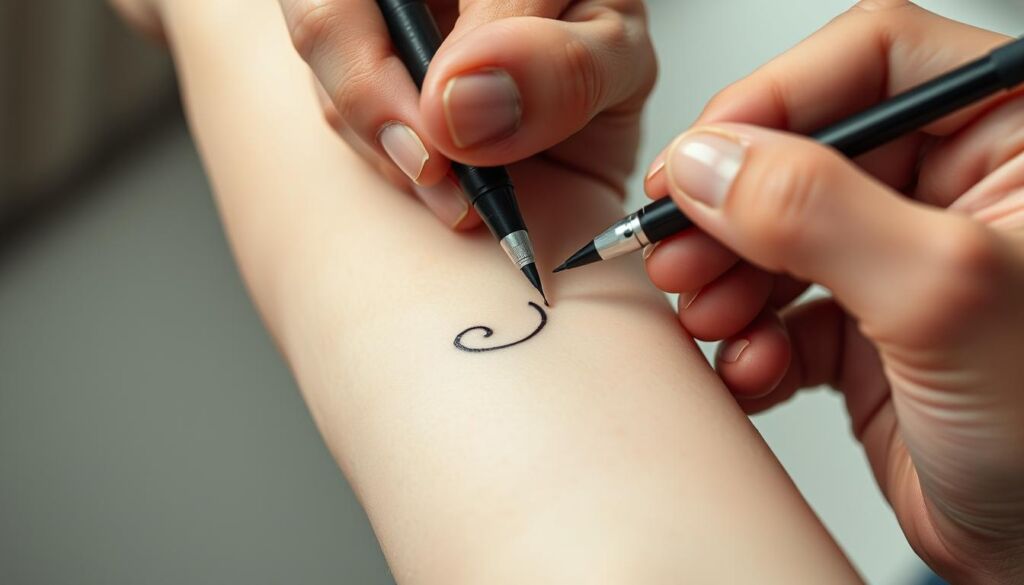
Skin Prep Before Writing
Follow the product’s prep steps. Do not add a prep wipe or cleaner unless it is compatible with the marked use.
Check that the planned use area meets the product’s directions and warnings.
If the manufacturer specifies a first test, follow its steps. Do not invent a universal waiting time or treat a small-area test as a guarantee against a later reaction.
Tips for Applying Ink
Apply only as directed, using the product’s planned applicator. Stop if use causes discomfort.
Use the stated drying time before layering or touching the design.
Correct mistakes using the cleanup method specified for the product. Do not assume that a household solvent or body-art remover is compatible.
Always follow the steps for your specific product. This will help you get the best results.
Aftercare for Skin Writing
Use the product’s cleanup steps and stated wear limits. There is no single aftercare routine that fits every short body-art mix.
Cleaning the Skin Post-Writing
Remove the design as directed. Avoid harsh scrubbing and do not use writing-cleaning chemicals on skin.
If cleanup is difficult or rash occurs, stop experimenting with additional products and seek right advice.
Avoid Unspecified Aftercare Products
Do not add a lotion or cleanser solely because an article recommends it. Check compatibility with the product steps and your own known sensitivities.
This guide does not recommend a ZH cleanser, prep wipe, or moisturizer. Such a recommendation would require verified product details.
Risks of Writing on Skin
Even a body-art product marked for its planned use can cause an unwanted reaction. No “skin-safe” description guarantees fit for everyone.
Potential Allergic Reactions
If a reaction occurs, stop using the product and follow its steps. Keep the packing and parts details available when seeking advice.
For a supplier complaint, record the product name, color, batch, use, and timing. This is more useful than a general claim that the brand tests its products.
Do not rely on a self-devised patch-test schedule to rule out reactions.
When to Seek Medical Attention
Do not use a fixed 48-hour waiting period as a rule for seeking help. Seek urgent medical assistance for breathing difficulty or another severe reaction; for other symptoms, contact an right healthcare professional.
For B2B orders, keep batch details, supplier documents, and test reports connected to the exact production lot. If a user reports rash, stop use and review the product mark and documents with a qualified professional.
Fun Ideas for Skin Writing
Use only activities covered by the body-art product’s marking. For a school or event, confirm age guidance and use restrictions before planning the designs.
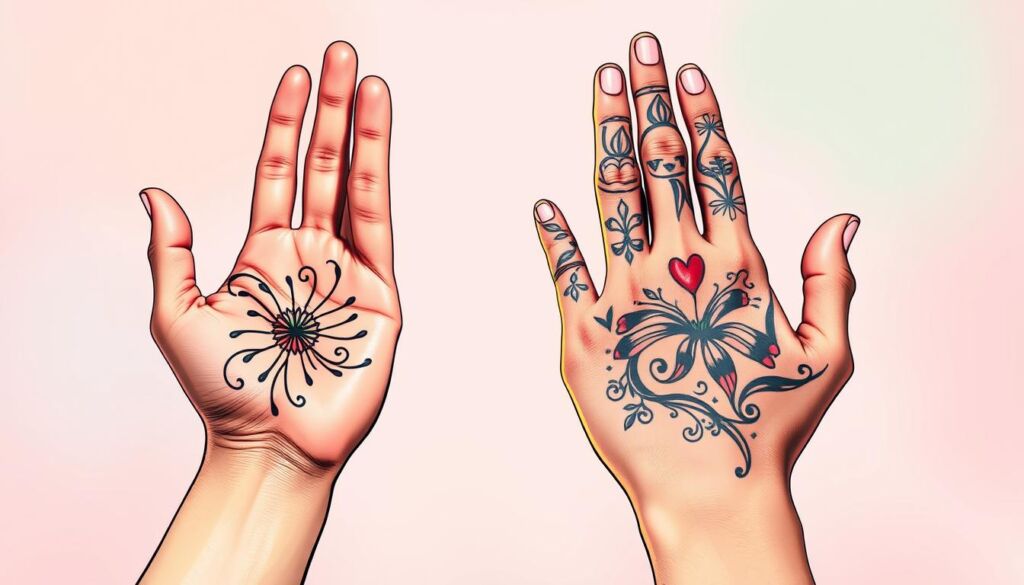
Temporary Tattoos vs. Ink
Transfer designs and freehand body-art markers have other use methods. Neither should be described as universally safe.
Select a color assortment only after verifying the exact product and planned use. This guide does not show that any ZH 48-color writing set is fit for body art.
Creative Ways to Use Skin Pens
There are many ways to use skin pens:
- Event Body Art: Pick colors for sports or festivals.
- Event organization: check the product’s age guidance and application instructions before use.
- Fashion Accents: Choose ink that matches your clothes for a cool look.
- Personal designs: keep within the application areas and wear limits specified on the label.
For a purchasing inquiry, name the use and target market first. Do not swap a general writing set when the requirement is a body-art product.
Internal Resources for OEM/ODM Buyers
If you are sourcing markers for retail, school, art, or private-mark projects, review these pages first. Do that before you finalize claims, packing, and testing needs:
- View pen and marker product options by product type and use case.
- Check material certification support before confirming compliance wording.
- Review factory certification documents for importer and retailer review.
- Request OEM/ODM support with target market, quantity, packaging style, and required test standards.
Conclusion: Your Go-To Guide for Skin-Safe Pens
Choose an exact product marked for the planned body-art use. A familiar pen brand, safe claims, or attractive color range is not enough.
Compare parts details, use restrictions, and exact documents before evaluating performance or price.
Final Thoughts on Skin and Ink Safety
ZH Stationery’s general writing capabilities should not be interpreted as proof that a particular product is fit for skin. Confirm the chosen model and documents separately.
Claims about patents or market reach cannot replace evidence for the ordered mix and planned use.
Before placing an order, resolve any mismatch between the mark, product spec, and supporting documents.
No writing pen or marker should be called safe for every skin type. For skin-contact use, buyers should check planned marking, part limits, age grading, warning claims, and recent test documents. Do that before picking a product path.
FAQ for skin-safe marker sourcing
What makes a pen or marker safer for skin contact?
A pen or marker is safer for skin contact when it is designed, tested, and marked for that planned use. For general writing products, buyers should check ink type, warning labels, age grading, and restricted parts. Recent exact test documents matter too. Do not assume skin fit.
Is non-toxic the same as cosmetic-grade?
No. Safe writing labels do not automatically mean a product is body-art-grade. Body-art-grade body markers or face paints are the better path for repeated skin use, children's events, or direct body art. That is the safer direction.
Are alcohol markers safe for skin?
Alcohol markers are not the best pick for skin writing. Solvent-based ink may dry the skin or cause rash. It can also be hard to take off. For skin-contact projects, choose products made for that use. Avoid eyes, lips, broken skin, and long wear.
What should brands request before sourcing marker sets for skin-contact scenarios?
Brands should ask for exact test reports, planned marks, warning claims, age grading, and packing needs. Add any market-specific compliance documents the retailer or importer asks for. Documents must match the exact product, color range, and packing version ordered.
Can ZH Stationery support safer marker sourcing decisions?
ZH Stationery can support OEM/ODM marker and writing projects. That covers product work, packing planning, and compliance-paper coordination. Buyers should share the planned use, target market, sales channel, and rough quantity. List the paper needs too. Then the team can suggest a practical product path.
Contact Our OEM/ODM Experts Today for the Latest Factory Quotes:
- Email: [email protected]
- Add: No. 200 Chenshan Road, Fengchuan Subdistrict, Tonglu, Hangzhou, Zhejiang, China
- Explore More: Discover our manufacturing strengths
Related guide: How to Choose the Right Pen Tip.
Related Reading
Source: FDA guidance on short tattoos and body-art color additives.