Usuwanie markera do malowania zależy od systemu tuszu, wieku oznaczenia oraz powierzchni pod spodem. Metoda, która działa na zwykłym szkle, może uszkodzić przezroczysty plastik. Rozpuszczalnik, który usuwa tusz z uszczelnionego panelu drewnianego, może poplamić surowe drewno. Tkanina dodaje kolejny problem: metka z instrukcją pielęgnacji i trwałość koloru mają znaczenie, zanim jakikolwiek środek czyszczący dotknie plamy.
Dla nabywców B2B porady dotyczące usuwania są częścią wsparcia produktu. Jeśli marker do malowania jest sprzedawany do szkła, plastiku, drewna, tkanin, zestawów kreatywnych, użytku w klasie lub ekspozycji detalicznej, opakowanie powinno wyjaśniać, gdzie oznaczenie ma być trwałe, a gdzie klienci powinni najpierw przetestować. Jasne instrukcje zmniejszają zamieszanie posprzedażowe bez obiecywania zbyt łatwego usuwania.
ZH Stationery współpracuje z kupującymi planującymi przewodnik po sourcingu niestandardowych markerów akrylowych, instrukcje opakowaniowe i kontrole próbek dla różnych zastosowań markerów. Zacznij od kategorie produktów jeśli porównujesz typy markerów przed zbudowaniem detalicznego SKU.
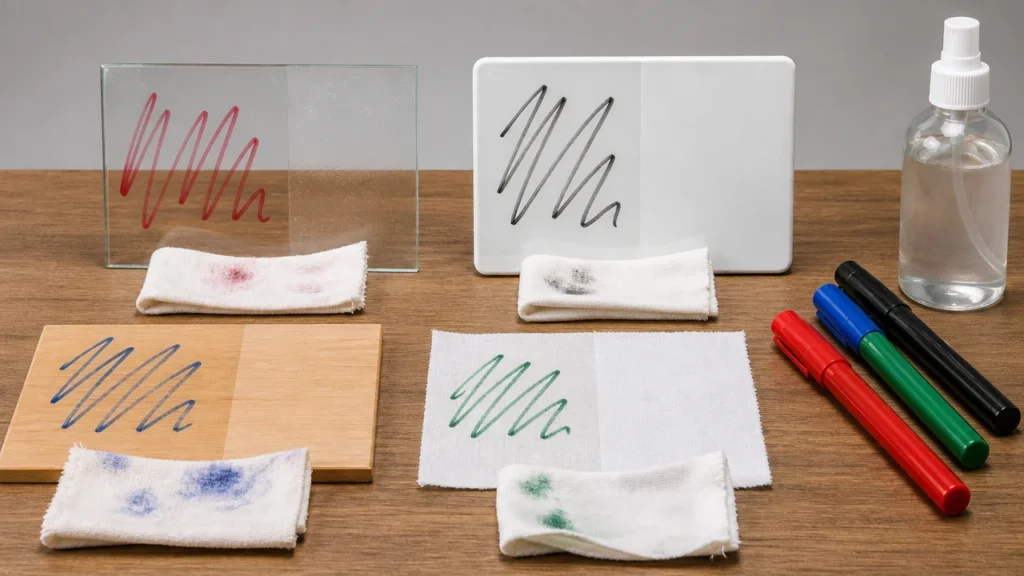
Jak usunąć marker do malowania: szybka odpowiedź
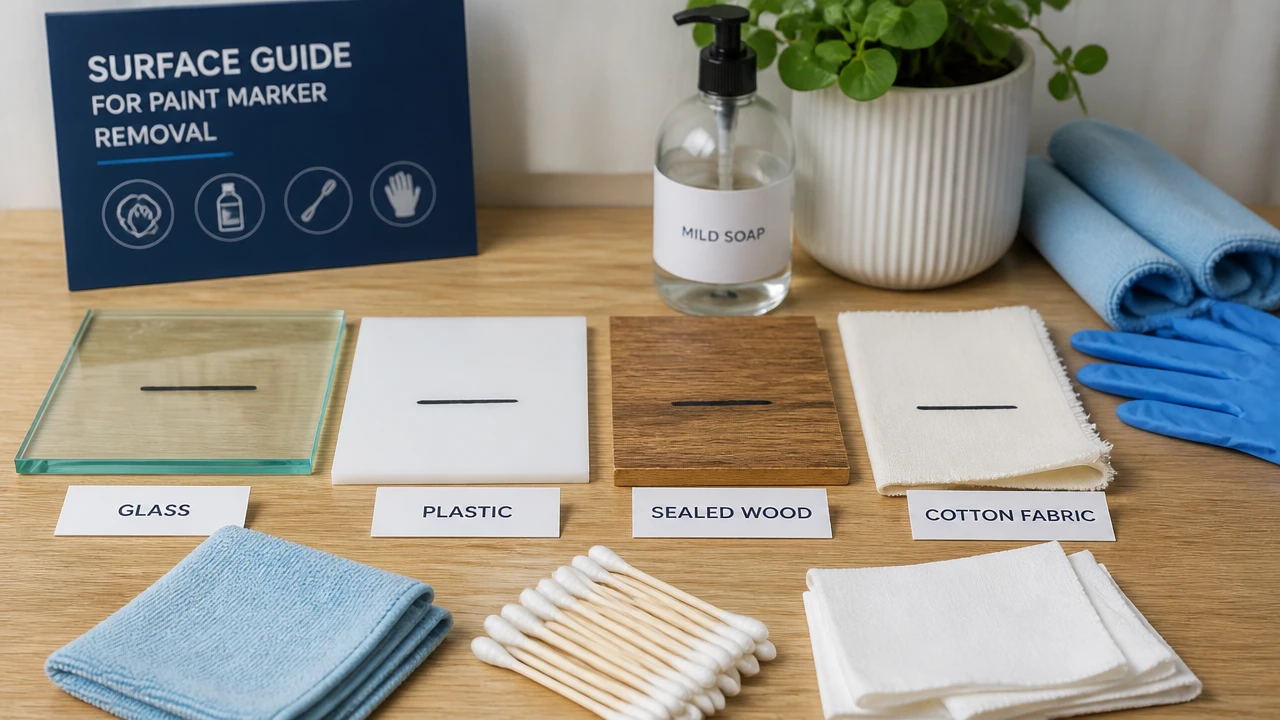
Zacznij od najmniej agresywnej metody: mydła i wody, a następnie wykonaj mały test w ukrytym miejscu z alkoholem izopropylowym, jeśli powierzchnia na to pozwala. W przypadku szkła często działa ostrożne przetarcie alkoholem i plastikowa skrobaczka. W przypadku plastiku unikaj acetonu, chyba że dostawca plastiku potwierdzi kompatybilność. W przypadku drewna najpierw zabezpiecz wykończenie i spodziewaj się, że surowe drewno wchłonie pigment. W przypadku tkanin osuszaj od spodu, sprawdź metkę pielęgnacyjną, przetestuj trwałość koloru i unikaj ciepła, dopóki plama nie zniknie.
Nie traktuj każdego markera do malowania jak tego samego produktu. Markery akrylowe na bazie wody, markery olejowe, markery na bazie alkoholu i przemysłowe markery permanentne używają różnych spoiw i rozpuszczalników. Wskazówki dotyczące usuwania powinny odpowiadać rzeczywistej formule i docelowej powierzchni.
Szybkie linki
- Bezpieczeństwo i test powierzchni w pierwszej kolejności
- Porównaj metody usuwania według powierzchni
- Usuń marker do malowania ze szkła
- Usuń marker do malowania z plastiku
- Usuń marker do malowania z drewna
- Usuń marker do malowania z tkaniny
- Co nabywcy powinni umieścić w instrukcjach produktu
- Zatwierdzanie próbek i lista kontrolna reklamacji
- Zadawaj lepsze pytania dostawcom
- FAQ
Bezpieczeństwo i test powierzchni w pierwszej kolejności
Przed użyciem jakiegokolwiek środka czyszczącego przetestuj mały ukryty obszar. Odczekaj wystarczająco długo, aby sprawdzić, czy powierzchnia nie zmętnieje, nie zmięknie, nie straci połysku, nie puści koloru lub nie pozostawi pierścienia. Używaj czystych ściereczek zamiast papieru, który pozostawia kłaczki, i przechodź od metod łagodnych do mocniejszych.
Rozpuszczalniki wymagają ostrożnego sformułowania. Karta danych OSHA dotycząca alkoholu izopropylowego klasyfikuje alkohol izopropylowy jako ciecz łatwopalną o niskiej temperaturze zapłonu, dlatego instrukcje produktu powinny wspominać o wentylacji i kontroli źródeł zapłonu, gdy sugerowane jest czyszczenie alkoholem. Przewodnik CDC NIOSH dotyczący acetonu również identyfikuje aceton jako wysoce łatwopalny i wskazuje drogi narażenia: oczy, skórę, układ oddechowy i ośrodkowy układ nerwowy. W tekstach skierowanych do konsumentów zachowaj prostotę: używaj małych ilości, wietrz pomieszczenie, trzymaj z dala od ognia, noś rękawice, gdy to właściwe, i postępuj zgodnie z etykietą środka czyszczącego.
Nigdy nie mieszaj środków czyszczących. Nie wylewaj rozpuszczalnika bezpośrednio na wykończoną powierzchnię, element elektroniczny, powlekaną soczewkę, malowaną zabawkę lub nieznany plastik. Najpierw nałóż niewielką ilość na ściereczkę i przerwij, jeśli powierzchnia się zmieni.
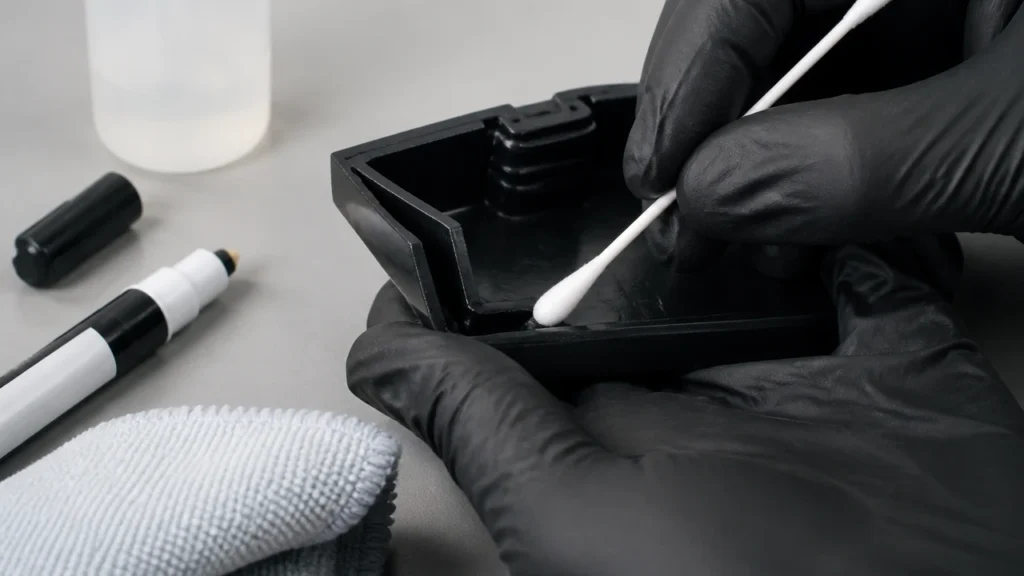
Porównaj metody usuwania według powierzchni
Użyj tej tabeli jako punktu wyjścia do obsługi klienta i testowania próbek. Nie jest to gwarancja. Ostateczne instrukcje należy zweryfikować pod kątem formuły markera, materiału powierzchni i rynku docelowego.
| Powierzchnia | Zacznij od | Możliwy następny krok | Unikaj lub testuj bardzo ostrożnie | Uwaga dla nabywcy |
|---|---|---|---|---|
| Szkło | Mydło, woda, ściereczka z mikrofibry | Alkohol izopropylowy na ściereczce, następnie plastikowa skrobaczka | Ścierające podkładki na szkle powlekanym | Ostrzegaj osobno w przypadku szkła przyciemnianego, matowego, powlekanego lub z lustrzanym tyłem. |
| Plastik | Mydło i woda | Mały test w ukrytym miejscu z alkoholem izopropylowym | Aceton, mocny rozpuszczalnik, szorstkie szorowanie | Wiele plastików może zmętnieć, pęknąć lub stracić połysk. |
| Drewno | Suche przetarcie, jeśli świeże, następnie łagodne mydło na uszczelnionym wykończeniu | Środek czyszczący bezpieczny dla wykończenia lub lekkie szlifowanie w przypadku surowego drewna | Aceton na delikatnych wykończeniach | Zaznacz, że surowe drewno może zachować ślad. |
| Tkanina | Osuszaj, wypłucz od spodu, jeśli tkanina jest zmywalna | Test punktowy alkoholem, następnie pranie zgodnie z metką pielęgnacyjną | Suszenie ciepłem, zanim plama zniknie | Poinformuj użytkowników, aby postępowali zgodnie z metką pielęgnacyjną tekstyliów. |
Usuń marker do malowania ze szkła
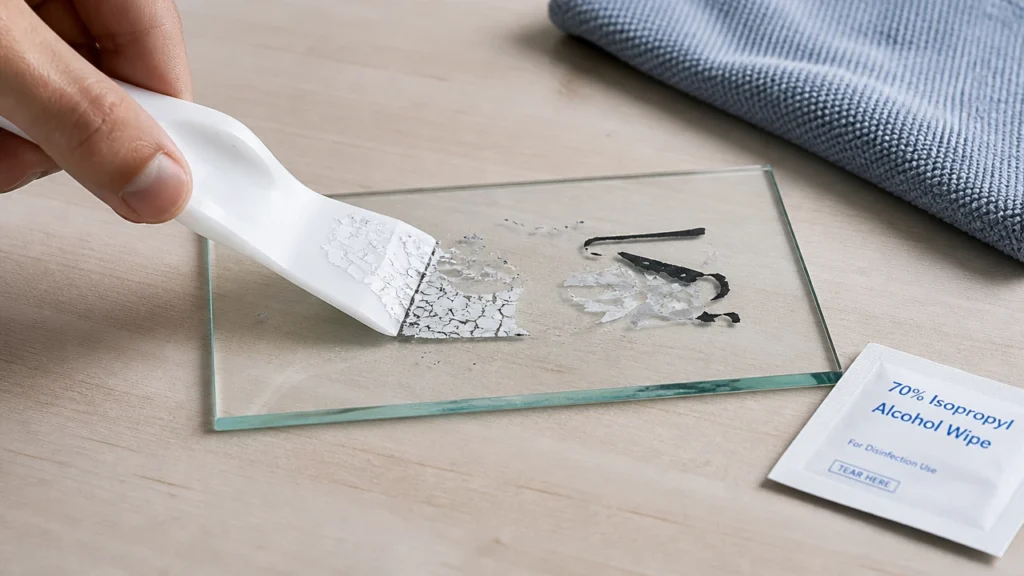
Szkło jest zwykle najbardziej wybaczającą powierzchnią, ale tylko wtedy, gdy jest to zwykłe szkło. Przyciemnienie okien, szkło matowe, podkład lustrzany, powłoki antyrefleksyjne i szkło drukowane mogą zmienić ryzyko. Zacznij od ciepłej wody i niewielkiej ilości płynu do naczyń. Jeśli ślad pozostanie, zwilż ściereczkę alkoholem izopropylowym i pocieraj ślad małymi okrężnymi ruchami.
W przypadku grubszych, zaschniętych śladów pozwól alkoholowi chwilę zadziałać na warstwie tuszu, a następnie użyj plastikowej skrobaczki pod niskim kątem. Nie używaj metalowego ostrza, chyba że właściciel szkła akceptuje ryzyko zarysowań, a powierzchnia to zwykłe szkło. Oczyść obszar ponownie mydłem i wodą, aby usunąć pozostałości.
W instrukcjach dla nabywców oddziel zastosowanie dekoracyjne szkła od tymczasowego oznaczania okien. Jeśli produkt jest przeznaczony do trwałej dekoracji szkła, nie sugeruj, że każdy ślad zetrze się czysto po utwardzeniu.
Usuń marker do malowania z plastiku
Plastik wymaga większej ostrożności niż szkło. Przezroczysty akryl, poliwęglan, ABS, PVC, malowany plastik i miękkie powłoki gumowane mogą reagować różnie. Aceton i zmywacz do paznokci mogą usunąć tusz z markera do malowania, ale mogą również zmętnić, spękać, zmiękczyć lub odkształcić wiele plastików. W wskazówkach dla klientów umieść aceton w kategorii tylko do testów, a nie jako domyślną metodę.
Zacznij od mydła i wody. Jeśli ślad pozostanie, przetestuj alkohol izopropylowy w ukrytym miejscu. Jeśli plastik nie zmieni się po teście, wycieraj delikatnie zwilżoną ściereczką. Używaj krótkich pociągnięć, nie mocząc powierzchni. Jeśli ślad jest stary, pozostały cień może znajdować się w powierzchni, a nie tylko na niej.
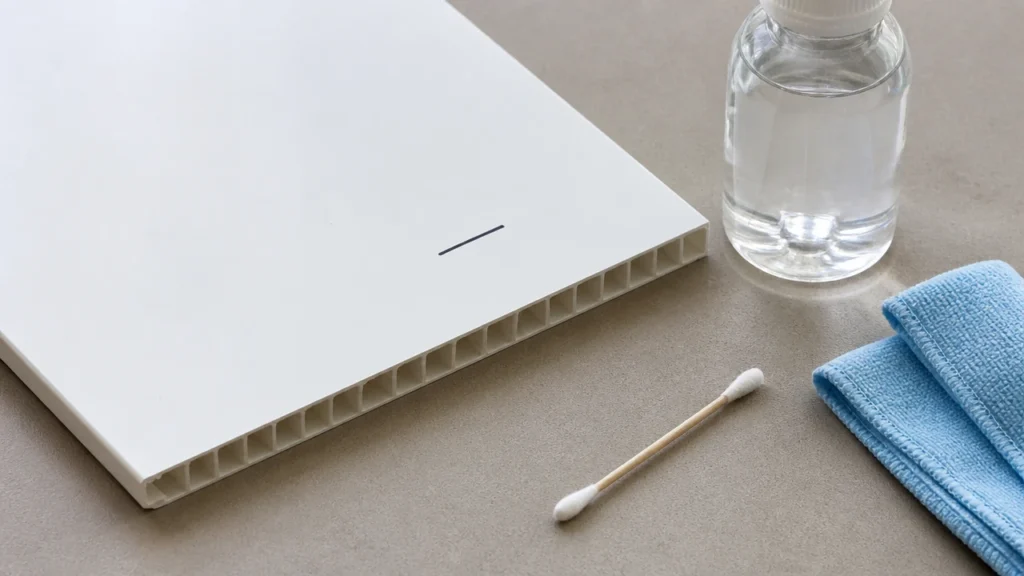
Jeśli Twoja linia produktów obejmuje plastikowe pojemniki, nakrętki, etui, tace lub witryny detaliczne, zachowaj tę samą ostrożność podczas zatwierdzania próbek. Wybory opakowaniowe z artykułu opcji opakowań dla markerów akrylowych powinny być testowane pod kątem kontaktu z tuszem, pocierania i ekspozycji na środki czyszczące, gdy produkt może być używany przez dzieci, artystów lub sprzedawców detalicznych.
Usuń marker do malowania z drewna
Usuwanie z drewna zależy od wykończenia. Uszczelniony blat, malowana deska, lakierowany panel rzemieślniczy, surowy arkusz sosnowy, bambusowa taca i bejcowane drewniane pudełko nie będą zachowywać się tak samo. Świeży marker do malowania na uszczelnionym wykończeniu może zetrzeć się łagodnym mydłem lub środkiem bezpiecznym dla wykończenia. Zaschnięty marker na surowym drewnie może wniknąć w słoję.
W przypadku uszczelnionego drewna najpierw przetestuj ukryte miejsce. Użyj wilgotnej ściereczki z łagodnym mydłem, osusz obszar, a następnie przetestuj niewielką ilość alkoholu izopropylowego, jeśli wykończenie na to pozwala. Przerwij, jeśli wykończenie zmięknie, zmatowieje lub puści kolor. W przypadku surowego drewna praktyczną opcją może być lekkie szlifowanie i ponowne wykończenie zamiast całkowitego usuwania rozpuszczalnikiem.
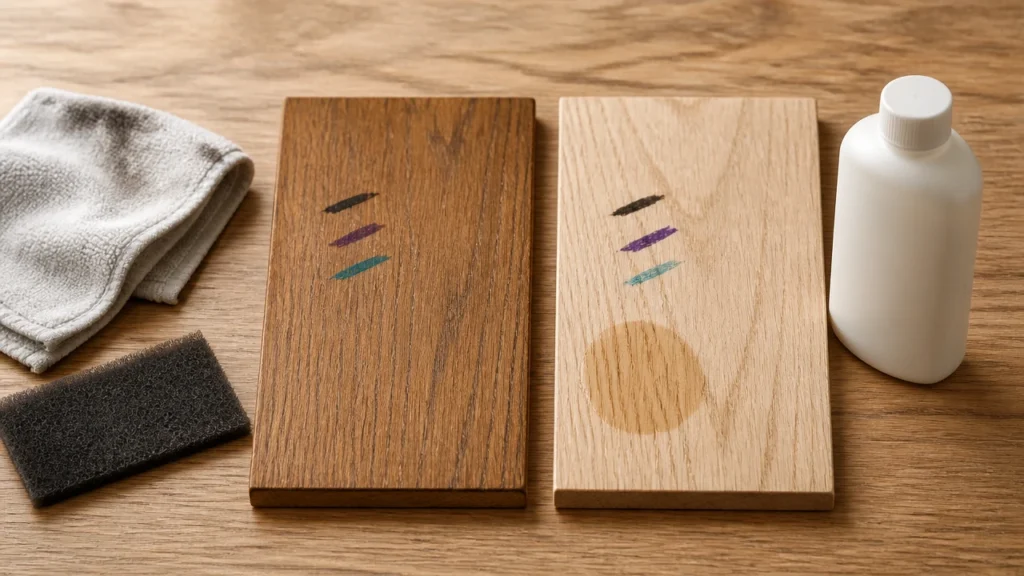
Marka sprzedająca markery do malowania do rzemiosła drewnianego powinna unikać ogólnego twierdzenia, takiego jak „usuwalny z drewna”. Lepiej być bardziej konkretnym: usuwanie zależy od tego, czy drewno jest uszczelnione, porowate, malowane, lakierowane czy surowe.
Usuń marker do malowania z tkaniny
Tkanina to najtrudniejsza kategoria, ponieważ tusz może wniknąć we włókna, a barwniki mogą się rozmazywać podczas czyszczenia. Najpierw sprawdź metkę pielęgnacyjną. Zasada FTC Care Labeling Rule wymaga informacji o pielęgnacji tkanin w przypadku odzieży pokrytej nadrukiem i wyjaśnia, że pranie, suszenie, wybielanie, prasowanie oraz ostrzeżenia muszą być podane, gdy mają zastosowanie. Dla klienta ta etykieta decyduje o tym, jaka metoda czyszczenia jest dozwolona przed rozpoczęciem usuwania plamy.
Osusz świeżą plamę z markera farbowego czystą białą szmatką. Nie rozcieraj plamy na większą powierzchnię. Jeśli tkanina nadaje się do prania, umieść ręcznik za plamą i spłucz od spodu, jeśli to możliwe. Przetestuj alkohol izopropylowy na niewidocznym fragmencie przed użyciem go na plamie. Po zabiegu upierz zgodnie z etykietą pielęgnacyjną i wysusz na powietrzu. Nie używaj suszarki, dopóki plama nie zniknie, ponieważ ciepło może utrudnić usunięcie wielu plam.
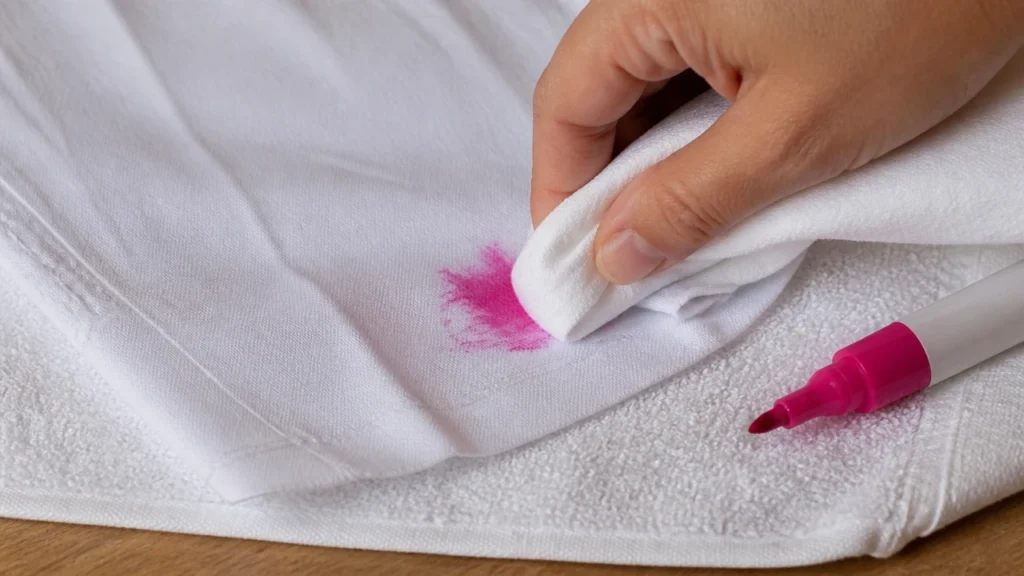
W przypadku produktów z tkanin, porady dotyczące usuwania plam nie mogą być sprzeczne z obietnicą produktu. Jeśli marker jest sprzedawany jako przeznaczony do trwałych wzorów na tkaninach, strona pomocy powinna wyjaśniać, że usunięcie może być niepełne po wyschnięciu lub utrwaleniu ciepłem. Taka szczerość pomaga zapobiec użyciu niewłaściwego produktu na mundurach, tapicerce lub drogiej odzieży.
Co nabywcy powinni umieścić w instrukcjach produktu
Instrukcje usuwania plam powinny być opracowane przed produkcją masową, a nie po pierwszej reklamacji. Kupujący powinni zapytać dostawcę, które powierzchnie są przeznaczone do użycia, które są kompatybilne dopiero po testach, a których należy unikać.
W przypadku materiałów plastycznych w USA, wytyczne dotyczące materiałów plastycznych CPSC wyjaśnia, że materiały plastyczne podlegają przeglądowi oznakowania zagrożeń przewlekłych oraz wymogom deklaracji zgodności, gdy ma to zastosowanie. Nie decyduje to o tym, czy znak jest usuwalny. Przypomina kupującym, że opakowanie produktu powinno oddzielać oznakowanie bezpieczeństwa od deklaracji wydajności. Przewodnik po raportach z testów ASTM D-4236 może pomóc kupującym przechowywać dokumentację i wytyczne dotyczące wydajności w osobnych folderach.
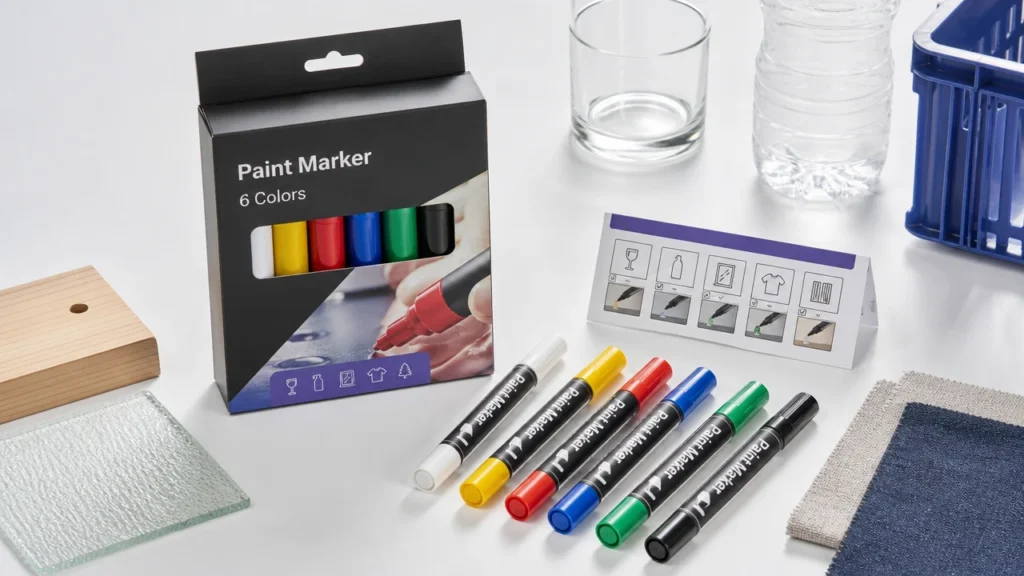
Szczegóły instrukcji, które zmniejszają liczbę reklamacji
- Jasno określ przeznaczone powierzchnie, takie jak szkło, ceramika, kamień, płótno, drewno lub papier.
- Dodaj linię o konieczności testowania w pierwszej kolejności w przypadku plastiku, wykończonego drewna, tkanin, powierzchni malowanych i szkła powlekanego.
- Wyjaśnij, czy znaki stają się trudniejsze do usunięcia po wyschnięciu, utwardzeniu, utrwaleniu ciepłem lub długotrwałej ekspozycji.
- Poinformuj użytkowników, aby nie używali rozpuszczalników w pobliżu ognia, ciepła, dzieci, powierzchni mających kontakt z żywnością lub elektroniki.
- Dołącz informacje kontaktowe do obsługi klienta niezbędne do identyfikacji typu markera, koloru, powierzchni i czasu od aplikacji.
Zatwierdzanie próbek i lista kontrolna reklamacji
Deklaracja usuwalności powinna być testowana jak każde inne oświadczenie o wydajności. Podczas zatwierdzania próbki zaznacz każdą docelową powierzchnię, zapisz czas schnięcia, wypróbuj zatwierdzoną metodę czyszczenia i sfotografuj wynik. Zachowaj próbkę referencyjną. Jeśli klient później zgłosi, że marker farbowy nie schodzi, zespół może porównać reklamację z zatwierdzonymi warunkami testu.
Stosuj tę samą dyscyplinę w przypadku przepływu tuszu i uszczelnienia skuwki. artykuł o kontroli jakości markerów wyjaśnia, dlaczego reklamacje dotyczące wydajności często wymagają szczegółów partii, historii przechowywania i zdjęć, a nie szybkiej odpowiedzi tak lub nie. technologia znakowania prasą zaworów oraz przewodnik zawór akrylowy a końcówka włóknista strony są przydatne, gdy reklamacja dotyczy markerów zaworowych lub zachowania końcówki, a nie usuwania plam.
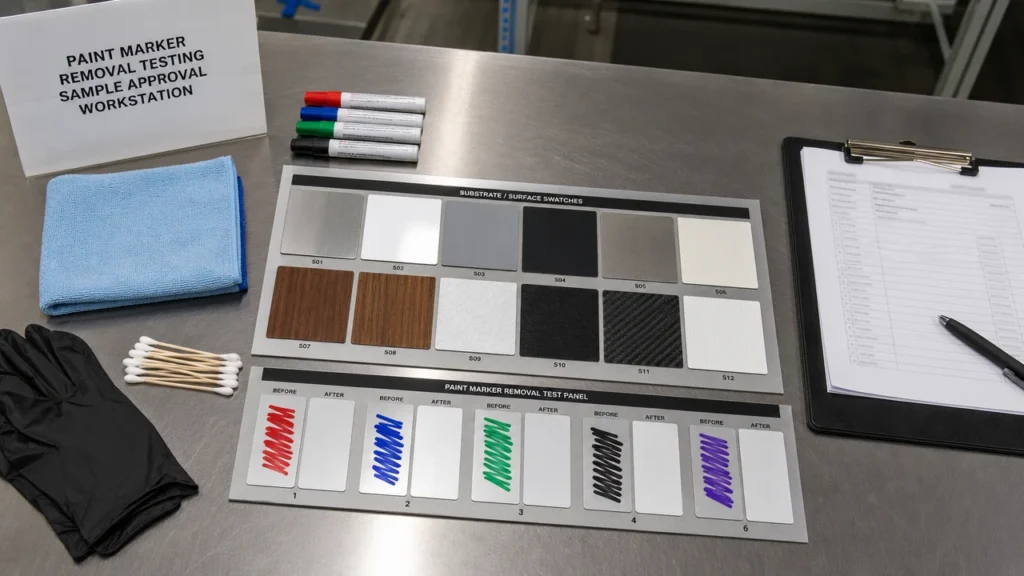
| Szczegóły reklamacji | Zapytaj klienta | Dlaczego to ma znaczenie |
|---|---|---|
| Powierzchnia | Czy to szkło, plastik, drewno, tkanina, ceramika, metal czy materiał powlekany? | Ryzyko usuwania zmienia się w zależności od podłoża i powłoki. |
| Typ markera | Na bazie wody, na bazie oleju, akrylowy, na bazie alkoholu czy nieznany? | Różne formuły wymagają różnych komunikatów wsparcia. |
| Czas schnięcia | Jak długo znak pozostawał przed czyszczeniem? | Świeże znaki są zwykle łatwiejsze do usunięcia niż znaki utwardzone. |
| Użyty środek czyszczący | Jaki środek czyszczący, stężenie i szmatka zostały użyte? | Agresywny środek czyszczący może uszkodzić powierzchnię, zanim tusz zostanie usunięty. |
| Zdjęcia | Czy mogą przesłać zdjęcia przed i po wykonane w świetle dziennym? | Zdjęcia pomagają odróżnić plamę, uszkodzenie powierzchni i pozostałości. |
Zadawaj lepsze pytania dostawcom
Nie pytaj tylko, czy marker farbowy jest usuwalny. Zapytaj, jak dostawca definiuje usuwalność, jak ją testował i które powierzchnie zostały wykluczone.
- 1. Które powierzchnie testowałeś pod kątem usuwania?
Przydatna odpowiedź wymienia rzeczywiste powierzchnie i powłoki, a nie tylko ogólne słowa, takie jak szkło, plastik, drewno i tkanina. - 2. Jak długo znak schnął przed testem usuwania?
Przydatna odpowiedź rozróżnia znaki świeże, wysuszone i długo eksponowane, ponieważ doświadczenia klientów zmieniają się w czasie. - 3. Jaki środek czyszczący został użyty w teście?
Przydatna odpowiedź podaje nazwę typu środka i metodę oraz nie sugeruje niebezpiecznego mieszania ani moczenia. - 4. Czy produkt staje się trudniejszy do usunięcia po utrwaleniu ciepłem lub utwardzeniu?
Przydatna odpowiedź jest szczególnie ważna w przypadku tkanin, ceramiki, szkła do rękodzieła i deklaracji dotyczących użytku na zewnątrz. - 5. Czy możesz dostarczyć tekst na opakowanie dotyczący testowania powierzchni i ograniczeń usuwania?
Przydatna odpowiedź daje edytowalne sformułowania do przeglądu przez kupującego z zespołami ds. zgodności, prawnymi lub marketplace. - 6. Które dokumenty potwierdzają rynek docelowy?
Przydatna odpowiedź oddziela oznakowanie bezpieczeństwa, raporty z testów, instrukcje produktu i zdjęcia z testów wydajności.
FAQ
1. Czy marker farbowy można usunąć ze szkła?
Często tak, zwłaszcza w przypadku zwykłego szkła. Zacznij od mydła i wody, następnie przetestuj alkohol izopropylowy na szmatce. Ostrożnie użyj plastikowej skrobaczki do grubszych, zaschniętych plam. Szkło powlekane, barwione, matowe lub z powłoką lustrzaną wymaga szczególnej ostrożności.
2. Czy aceton usunie marker farbowy z plastiku?
Aceton może usunąć część tuszu z markerów, ale może powodować zmętnienie, zmiękczenie, pękanie lub odkształcenie wielu tworzyw sztucznych. Nie powinien być metodą domyślną. Najpierw przetestuj ukryte miejsce lub unikaj go, gdy rodzaj tworzywa jest nieznany.
3. Jak usunąć marker farbowy z drewna?
Sprawdź, czy drewno jest uszczelnione czy niewykończone. Świeże ślady na uszczelnionym drewnie mogą reagować na łagodne mydło lub środek czyszczący bezpieczny dla wykończenia. Niewykończone drewno może wchłaniać pigment, dlatego szlifowanie i ponowne wykończenie mogą być bardziej realistycznym rozwiązaniem niż całkowite usunięcie rozpuszczalnikiem.
4. Czy marker farbowy można usunąć z tkaniny?
Czasami, ale zależy to od tkaniny, barwnika, formuły markera i czasu schnięcia. Najpierw osusz plamę, sprawdź metkę z instrukcją prania, przetestuj rozpuszczalnik na niewidocznym fragmencie, pierz zgodnie z metką i susz na powietrzu, aż plama zniknie.
5. Czy opakowanie markera farbowego powinno obiecywać łatwe usuwanie?
Tylko wtedy, gdy dostawca przetestował dokładnie ten marker na określonej powierzchni w realistycznych warunkach. Bezpieczniejsze opakowanie zaleca najpierw przetestowanie i wyjaśnia, że usunięcie zależy od powierzchni, czasu schnięcia i metody czyszczenia.
6. Czy ASTM D-4236 potwierdza, że marker farbowy jest usuwalny?
Nr ASTM D-4236 dotyczy oznakowania zagrożeń przewlekłych dla materiałów plastycznych. Nie potwierdza ono możliwości usunięcia, kompatybilności z powierzchnią, odporności na plamy ani trwałości.
Wniosek
Jak usunąć marker farbowy to przede wszystkim kwestia kompatybilności powierzchni. Szkło może czyścić się łatwo. Plastik może zmętnieć. Drewno może zachować ślad. Tkanina może mieć ograniczenia wynikające z etykiety pielęgnacyjnej i nadal pozostać poplamiona po wyschnięciu. Dlatego kupujący powinni testować usuwanie przed umieszczeniem jakichkolwiek szerokich deklaracji na opakowaniu.
Jeśli opracowujesz marki własne markerów farbowych, wyślij ZH Stationery docelowe powierzchnie, formułę markera, format opakowania, rynek docelowy i wymagania dotyczące obsługi klienta. Zespół może pomóc porównać opcje produktów, język opakowań i testowanie próbek przez wycieczka po fabryce, certyfikatów ZH Stationery, oraz informacje o firmie na stronie kim jesteśmy.
Powiązane artykuły
- Czy markery akrylowe są trwałe i wodoodporne? Poradnik dla różnych powierzchni
- Jak usunąć permanentny marker z plastiku: Co kupujący B2B powinni wiedzieć o chemii tuszu
- Jak używać markerów akrylowych na drewnie: przygotowanie, malowanie i zabezpieczanie
- Czy można pisać po płytach CD markerem permanentnym? Oto, co się naprawdę dzieje
Odnośnik zewnętrzny: wytyczne dotyczące materiałów plastycznych CPSC.