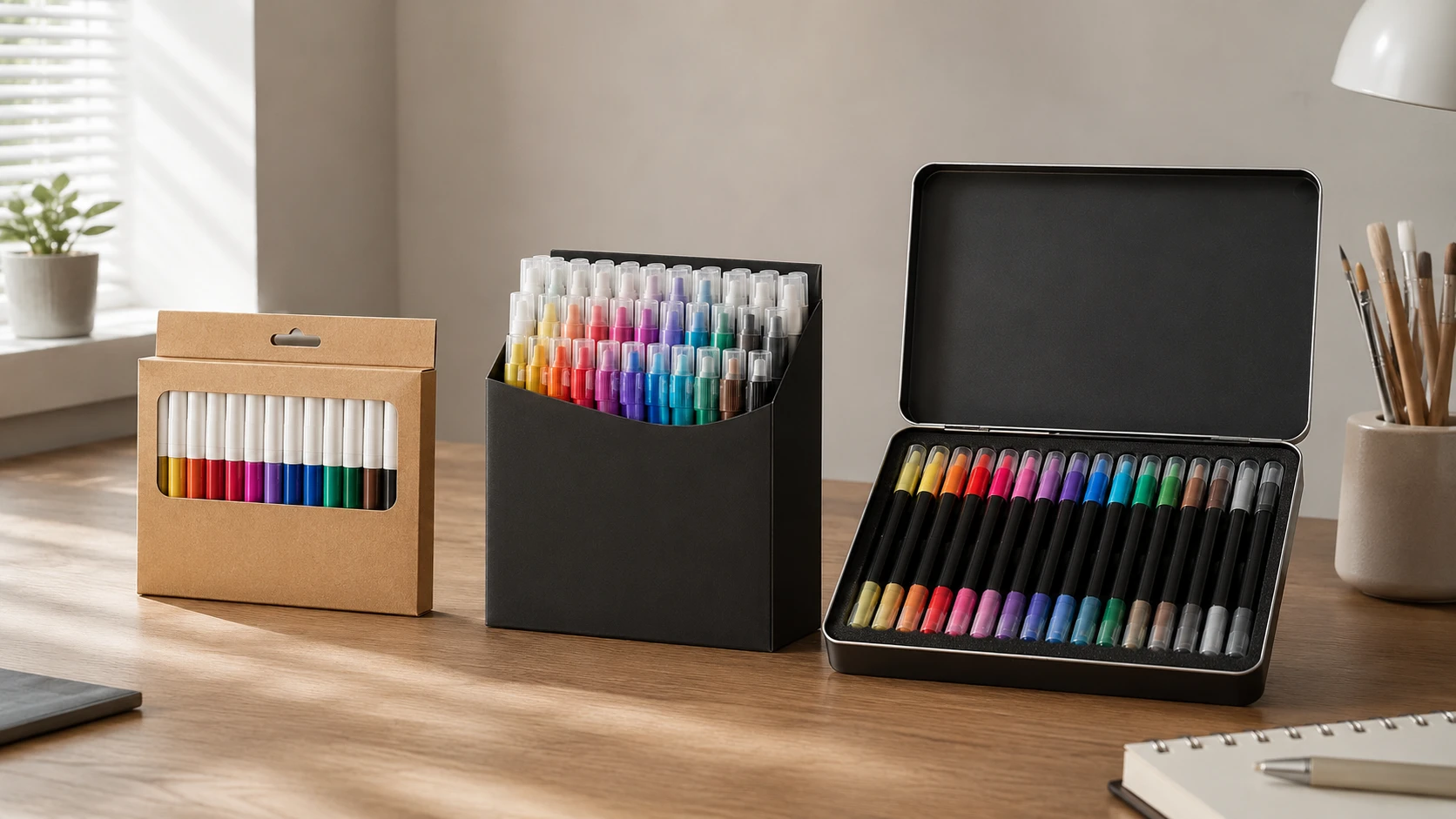
Le marché des marqueurs acryliques n'est plus ce qu'il était il y a deux ans. L'époque où l'on lançait un set générique de 12 couleurs sur Amazon et où il se vendait tout seul est révolue. Trop de vendeurs ont trouvé le même playbook. La pression sur les prix est réelle. Sous la bataille de surface, trois évolutions déterminent qui gagne et qui peine en 2026.
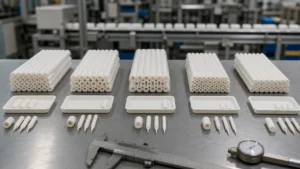
Premièrement, le cycle de mise à niveau des mécanismes. Les marqueurs acryliques à pointe fibre ont dominé la gamme économique pendant des années. Les taux de retour Amazon sur les sets à pointe fibre ont poussé davantage de marques vers des mécanismes à valve pour les gammes premium. Deuxièmement, la compression des marges des marques de distributeur. Les intermédiaires Alibaba qui ajoutaient 30 pour cent de marge sans contrôle qualité sont éliminés. Les acheteurs savent désormais trouver directement les usines. Troisièmement, le mur de la certification. Amazon a renforcé les contrôles documentaires ASTM D-4236. Les vendeurs sans rapports de test perdent leurs fiches produit.
Ce rapport décrypte ce qui se passe réellement sur le marché des marqueurs acryliques en 2026. Il montre où vont les marges et ce que font différemment les acheteurs avisés.
Table des matières
Réponse rapide : Marché des marqueurs acryliques en 2026
Les trois tendances les plus importantes pour les acheteurs B2B :
- La compression des prix dans le segment économique oblige les marques à se différencier sur la qualité du mécanisme, pas seulement sur le nombre de couleurs. Les marqueurs à valve commandent désormais une prime de détail de 40 à 60 % par rapport aux équivalents à pointe en fibre, mais les taux de retour sont inférieurs de moitié. Le calcul penche en faveur des marqueurs à valve pour quiconque vend au-dessus du prix de $12.
- L'approvisionnement direct en usine remplace les intermédiaires d'Alibaba. Les acheteurs qui s'approvisionnent en marqueurs acryliques auprès de fabricants disposant de leur propre R&D en encre et d'un contrôle qualité documenté obtiennent des marges 15 à 25 % meilleures que ceux qui travaillent encore via des sociétés de négoce.
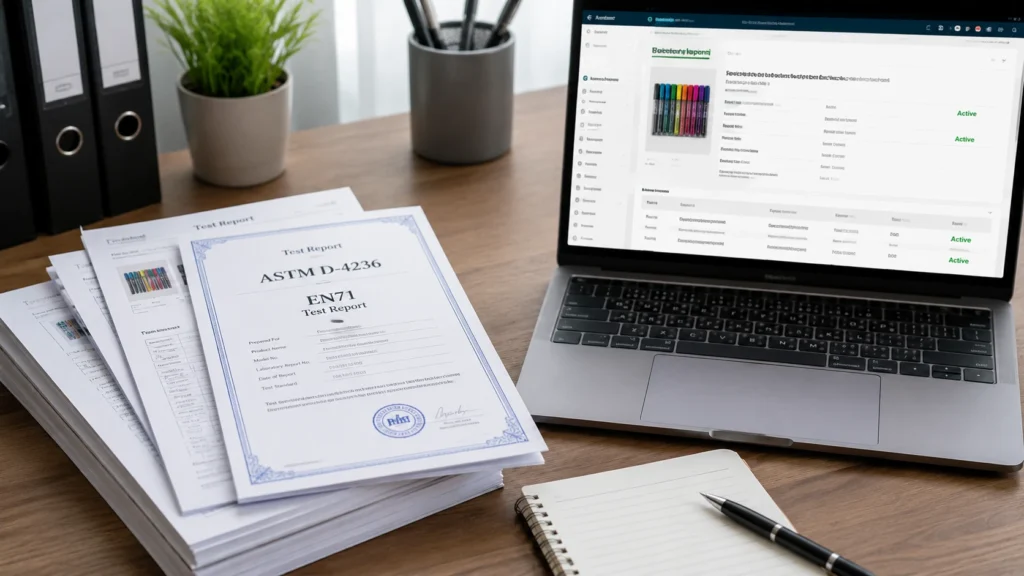
- L'application de la conformité Amazon crée une barrière. Les vendeurs disposant de la documentation ASTM D-4236 et EN71-3 à jour voient leurs concurrents sans cette documentation se faire retirer leurs annonces. La barrière de certification devient un avantage concurrentiel, pas seulement un coût d'exploitation.
Pour les propriétaires de marques et les équipes d'achat, ces facteurs aident à définir des règles de sourcing et de contrôle qualité plus précises.

Qu'est-ce qui stimule le marché des marqueurs acryliques en 2026
Trois moteurs de demande font évoluer le marché des marqueurs acryliques de différentes manières. La tension entre eux crée les schémas de marge qui définissent 2026.
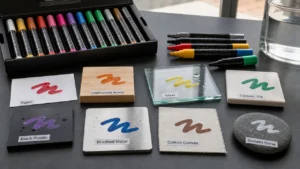
L'effet TikTok et réseaux sociaux n'a pas atteint son pic. Les marqueurs acryliques sont des outils visuels. Ils rendent bien en photo. Ils fonctionnent sur papier foncé, pierre, verre et bois. Le format satisfaisant, les gros plans de peinture opaque couvrant des surfaces noires, stimule la découverte mieux que n'importe quelle publicité. Cela a attiré une vague de nouveaux utilisateurs dans le groupe au cours des 18 derniers mois. Mais ce sont des utilisateurs sensibles au prix. Ils achètent le set $8, pas le set $35. La croissance en volume se situe en bas du marché, là où les marges sont les plus minces.
La gamme artiste professionnel devient premium. Les illustrateurs sérieux et les artistes mixed-media qui ont commencé avec des marqueurs acryliques économiques montent en gamme. Ils veulent des pointes pinceau, pas des pointes ogives. Ils veulent des pigments résistants à la lumière, pas les composants les moins chers. Ils veulent des mécanismes à valve qui ne sèchent pas entre deux projets. Ce groupe est plus petit en volume et clairement plus élevé en marge. Les marques capables de le servir avec des spécifications de pigments écrites et un travail sur les mécanismes prennent la part la plus rentable du marché.
Le canal éducation et scolaire exige désormais la conformité. Les acheteurs de district et les détaillants scolaires n'acceptent plus un logo sur un certificat. Ils veulent des rapports de test datés de laboratoires ISO 17025. Ils veulent des documents EN71-3 spécifiques au lot. Ils veulent des emballages avec des marquages de traçabilité CPSIA. Les fournisseurs disposant de ces dossiers prêts remportent des marchés qui allaient auparavant au prix le plus bas.
Ces trois axes vont dans des directions différentes. Croissance du volume en bas. Croissance de la marge en haut. La conformité comme ticket pour les deux. Les acheteurs qui réussissent en 2026 ne courent pas après les trois. Ils choisissent une voie et l'optimisent.
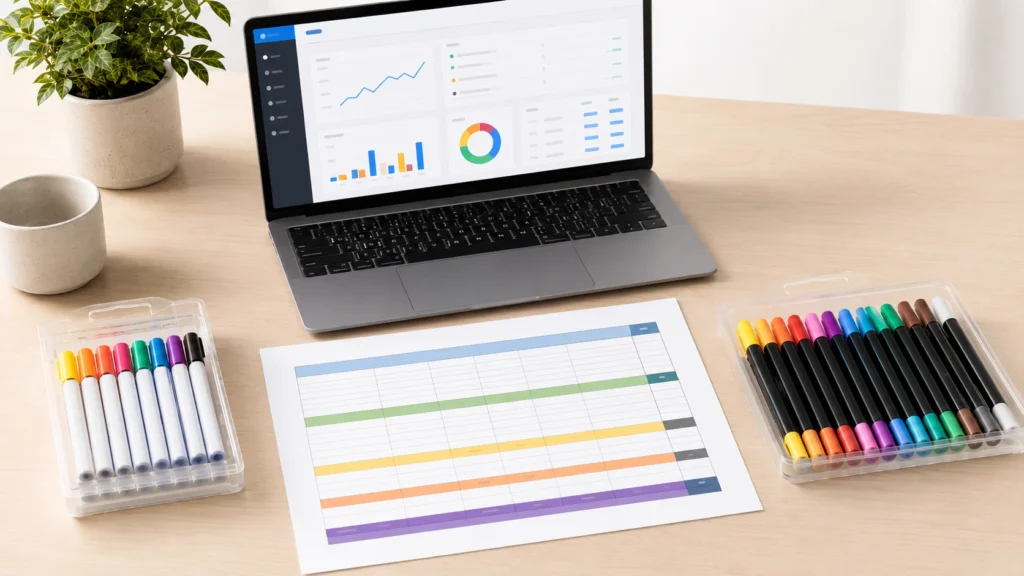
Le calcul des marges : où se trouve l'argent sur le marché des marqueurs acryliques
Voici une vue réaliste de la marge pour un ensemble de marqueurs acryliques de marque privée de milieu de gamme vendu sur Amazon en 2026 avec un approvisionnement direct en usine :
| Fourchette typique ou facteur déterminant | Ensemble de 12 couleurs à pointe en fibre | Ensemble de 24 couleurs à valve |
| Coût unitaire en usine (incluant l'emballage personnalisé) | $2,80–$3,50 | $6,50–$8,00 |
| Fret maritime + douane par unité | $0,40–$0,60 | $0,50–$0,70 |
| Frais de référencement Amazon (15%) | $2,25 (au prix de détail de $14,99) | $4,50 (au prix de détail de $29,99) |
| Exécution FBA Amazon | $3,80–$4,20 | $4,50–$5,00 |
| Coût total débarqué par unité (tout compris) | $9,25–$10,55 | $16,00–$18,20 |
| Prix de détail | $14.99 | $29.99 |
| Marge brute par unité | $4,44–$5,74 | $11,79–$13,99 |
| Pourcentage de marge | 30–38% | 39–47% |
The numbers tell a clear story. The budget set sells more units. The premium set makes more per unit. The premium set also has a lower return rate because the valve-press mechanism survives FBA storage better. A 2 percent return rate on the budget set versus 0.5 percent on the premium set changes the net margin picture across a year of sales.
La récompense en 2026 n'est pas d'être le moins cher. C'est d'être le meilleur rapport qualité-prix au niveau de prix où les retours restent suffisamment bas pour maintenir des métriques vendeur saines.
D'où proviennent les marges des fournisseurs, et ce qu'ils ne vous diront pas
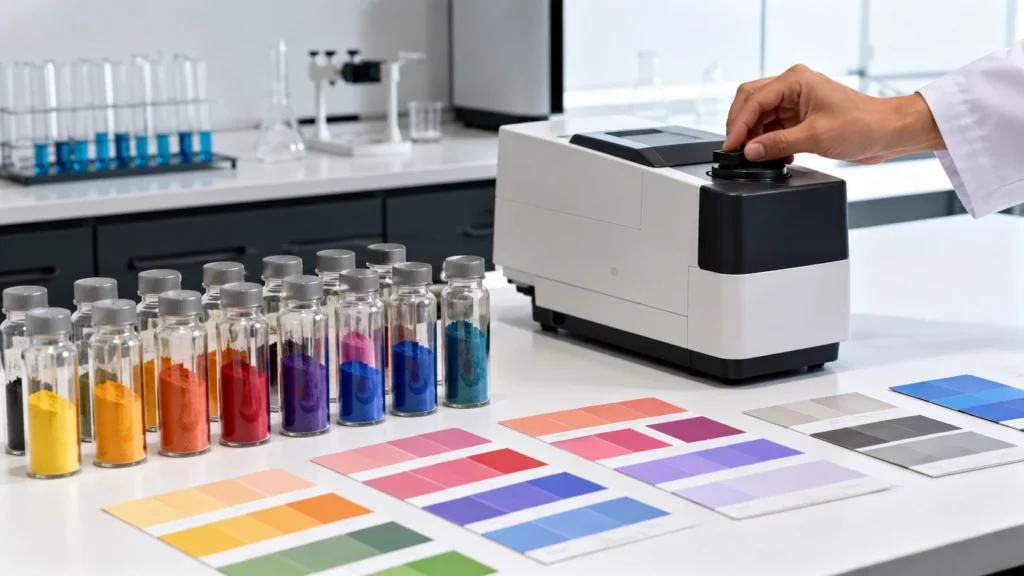
La tarification d'usine sur le marché des marqueurs acryliques repose sur cinq variables que la plupart des acheteurs ne demandent jamais. Les connaître vous permet de mieux négocier que l'acheteur qui ne demande que le prix unitaire.
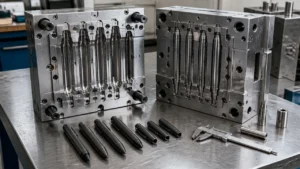
Le coût du pigment est la part la plus importante. Dioxyde de titane pour le blanc. Pigments organiques de haute qualité pour les couleurs vives. Pigments inorganiques résistants à la lumière pour les ensembles de qualité artiste. Tous coûtent bien plus cher que les charges des mélanges économiques. Une usine qui propose un prix unitaire anormalement bas réduit le pigment. Vous le découvrirez lorsque les clients se plaindront d'une couverture aqueuse.
Ink formula ownership matters more than factory size. A factory that buys pre-mixed acrylic paint from a third party carries a markup it cannot control. A factory with in-house ink R&D, like ZH STATIONERY with a lab for acrylic, metallic, and permanent formulas, controls pigment cost at the source. That 15 to 25 percent margin edge compounds across every order.
The minimum order for custom OEM/ODM programs is 50,000 pens per order, counted by total individual pens produced. For a 12-color pack, that equals roughly 4,200 sets, not 50,000 of each color. Standard stock models can be sampled at smaller trial sizes. Compare volume discounts on reorders using the same passed specs.
Packing is where factories pad margins. The per-unit cost of a custom box with foam inserts looks small on the quote. Times 5,000 units, it is real money. Ask the factory to split packing cost from the marker unit cost. You can often source packing locally for less, or push the packing line down once the factory knows you are watching it.
Les coûts de certification se répètent. Ils ne sont pas uniques. Les tests ASTM D-4236 et EN71-3 doivent être renouvelés. Chaque couleur peut nécessiter des documents distincts. Une usine qui intègre la certification dans le prix unitaire sans expliquer le plan de renouvellement vous prépare une surprise à l'expiration des documents. ZH STATIONERY fournit des documents de conformité par lot liés à des productions réelles. Vous savez quand les tests ont été effectués et quand ils doivent être renouvelés.
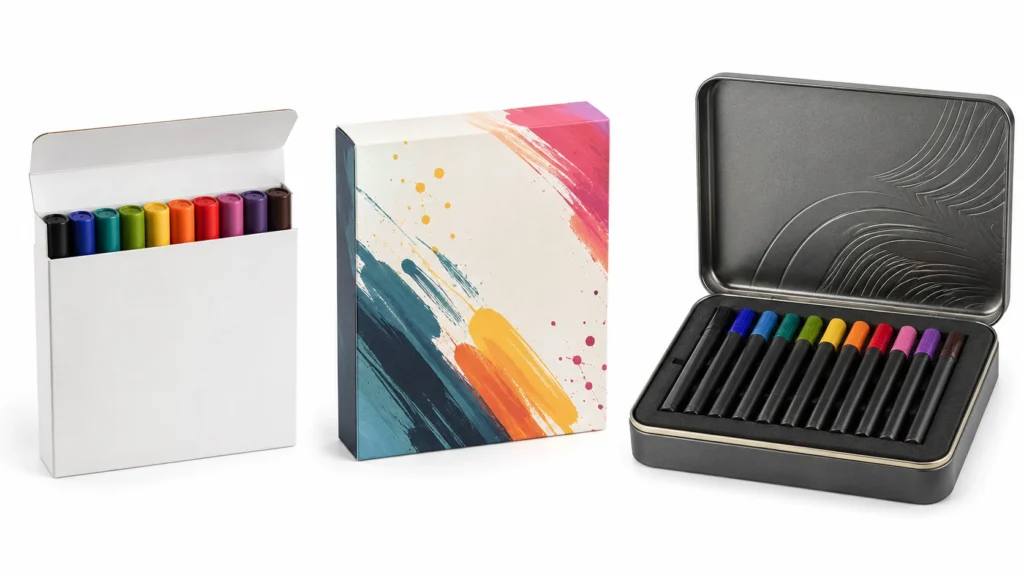
Ce que les acheteurs avisés font différemment
Le marché des marqueurs acryliques en 2026 se divise en trois segments. Les stratégies qui fonctionnent dans chaque segment sont différentes.
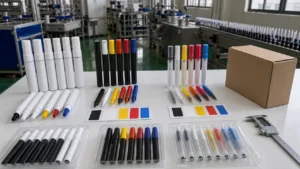
- Niveau économique ($8–$14 au détail). Compétitionnez sur la qualité de l'annonce, pas sur le prix unitaire. Des photos et des textes génériques ne peuvent pas l'emporter face à des annonces établies avec des centaines d'avis. Investissez dans une photographie professionnelle de produit, du contenu A-plus et un design d'emballage qui se photographie bien sur fond blanc. Votre marge est trop faible pour absorber les retours, alors testez l'étanchéité du capuchon et l'opacité sur chaque échantillon avant de commander. Un seul lot de marqueurs arrivés desséchés anéantit votre marge sur l'ensemble de la commande.
- Niveau intermédiaire ($15–$25 au détail). Compétitionnez sur le mécanisme et la certification. C'est là que les marqueurs à valve-pression commencent à avoir un sens économique. Le prix de détail plus élevé absorbe l'augmentation du coût unitaire, et le taux de retour plus faible protège vos indicateurs de vendeur. Mettez en avant le mécanisme dans votre annonce, vos points clés et votre contenu A-plus. “ Actionné par valve pour un flux de peinture constant, sans bouchage, sans dessèchement ” convertit mieux que “ 12 couleurs vives ”.”
- Niveau premium ($25+ au détail). Compétitionnez sur le pigment et la crédibilité artistique. Documentez les indices de résistance à la lumière par couleur. Nommez le type de pigment. Montrez la différence de qualité artistique dans vos photos d'annonce : un seul trait sur papier noir sans couche de base. Les clients de ce niveau savent ce qu'ils regardent. Si votre produit tient ses promesses, ils laisseront les avis qui améliorent le classement organique. Si votre produit est un marqueur économique dans une boîte premium, ils laisseront les avis qui coulent votre annonce.
Pour les trois segments, une règle s'applique. Le fournisseur qui peut documenter la qualité bat celui qui ne peut que la revendiquer. Demandez les données de contrôle qualité par lot, vérifiez les certificats et testez les échantillons dans des conditions d'utilisation réelles. Les usines capables de produire ces dossiers, comme ZH STATIONERY avec 26 ans d'expérience en OEM et une encre produite en interne, deviennent des partenaires à long terme. Celles qui ne le peuvent pas sont celles que vous dépasserez.
Foire aux questions
Le marché des marqueurs acryliques est-il encore en croissance en 2026 ?
Oui. La découverte sociale continue d'attirer de nouveaux utilisateurs dans le groupe. La croissance est forte sur le segment économique, où les marges sont les plus minces. La croissance rentable se situe dans la gamme premium, où les acheteurs qui connaissent la qualité des pigments et le fonctionnement des mécanismes réalisent des marges plus élevées sur un volume plus faible.
Quelle est la plus grande erreur que commettent les acheteurs B2B sur le marché des marqueurs acryliques ?
Acheter uniquement sur le prix unitaire. Le devis le moins cher signifie presque toujours des pigments réduits, des joints de capuchon faibles ou l'absence de contrôle qualité par lot. Le coût des retours, des mauvais avis et de la perte de référencement dépasse toute économie par unité d'un fournisseur économique. Testez l'opacité sur papier noir, la récupération du capuchon après stockage et la constance des couleurs d'un lot à l'autre avant toute commande.
Quelle marge dois-je espérer sur les marqueurs acryliques de marque privée ?
Budget 12-color fiber-tip sets at $14.99 retail typically gross 30 to 38 percent after Amazon fees and landed cost. Premium 24-color valve-press sets at $29.99 retail gross 39 to 47 percent. These numbers assume factory-direct sourcing with written QC, not trading markup. A middleman cuts 15 to 25 percent from these margins.
De quelles certifications ai-je besoin pour vendre des marqueurs acryliques sur Amazon en 2026 ?
ASTM D-4236 avec la ligne de conformité imprimée sur l'emballage. EN71-3 pour l'accès au marché européen et pour les produits pouvant être considérés comme du matériel d'art pour enfants. Amazon vérifie activement ces éléments et retire les produits sans documents à jour et datés provenant de laboratoires ISO 17025. ZH STATIONERY fournit des dossiers de conformité par lot dans son pack de contrôle qualité standard. Vous savez quand les tests ont été effectués et quand le renouvellement est nécessaire.
Quel mécanisme devrais-je choisir pour ma gamme de marqueurs acryliques ?
Valve-press pour les annonces premium où le prix de détail couvre le coût unitaire plus élevé et où le taux de retour plus faible protège les indicateurs du vendeur. Pointe fibre pour les annonces économiques où le calcul unitaire est trop serré pour le supplément valve-press. Un mélange viable : valve-press sur les plus grands ensembles où le prix de détail le permet, pointe fibre sur les ensembles d'entrée de gamme où la sensibilité au prix est la plus forte.
Comment évaluer la capacité réelle d'un fournisseur sur le marché des marqueurs acryliques ?
Three questions split makers from traders. First, can you show a video of your ink R&D lab, not just the assembly line? Second, can you give batch-level opacity, viscosity, and color-match data from your last three runs? Third, can you send a production-line sample, not a hand-built prototype, from the actual batch that would become my order? If the answer to any is no, you are talking to a middleman. Contacter ZH Stationery pour demander une présentation de l'usine, examiner les dossiers de contrôle qualité par lot et vérifier les échantillons de production pour votre gamme.
Sur le marché de 2026, les acheteurs gagnants ne sont pas ceux qui ont le devis le moins cher. Ce sont ceux qui savent que la charge en pigments, la résistance du joint du capuchon, la régularité des lots et les dossiers de certification distinguent un produit qui génère des avis positifs d'un produit qui génère des retours. Contacter ZH Stationery pour discuter de vos spécifications, demander des échantillons et examiner les dossiers qualité qui soutiennent votre marque.
Guide connexe : Pour plus de contexte sur le marché, voir Le guide ultime des crayons de couleur.
Lecture associée
- Comment se procurer des marqueurs acryliques de marque privée en Chine : Guide du vendeur Amazon
- Marqueurs acryliques de haute qualité : liste de contrôle d'approvisionnement pour acheteurs B2B
- Mécanisme à valve pour marqueur acrylique vs pointe en fibre : Quel mécanisme dure réellement plus longtemps ?
- Rapport sur le marché chinois du stylo au premier semestre 2025 : Le guide ultime pour l'approvisionnement