دليل OEM لعلامات الأطفال التجارية: بيئة العمل والسلامة للعلامات التجارية B2B
في سوق أدوات الكتابة المخصصة للأطفال، السلامة وسهولة الاستخدام هما ركيزتا ثقة العلامة التجارية. عندما تبحث عن مصنع OEM موثوق لأقلام تحديد الأطفال، اختر منتجات مريحة ومبنية وفق معايير سلامة عالية. عظام أيدي الأطفال من 3 إلى 6 سنوات ليست مكتملة النمو. تختلف قبضتهم وقوتهم عن البالغين، وفقًا لنتائج العلاج الطبيعي للأطفال.
1. نقاط الألم في أدوات الرسم التقليدية للأطفال
العديد من أقلام التحديد من المصنّعين منخفضي المستوى هي مجرد أقلام بالغين أصغر. غالبًا ما تكون رفيعة جدًا وتسبب إجهاد اليد. قد تكون حواف الطرف أو الغطاء حادة وتسبب خدوشًا. يمكن أن تنفصل الأجزاء الصغيرة بسهولة. تفسد هذه العيوب متعة الرسم وتجلب شكاوى السلامة. وهذا يضر باسم علامتك التجارية.
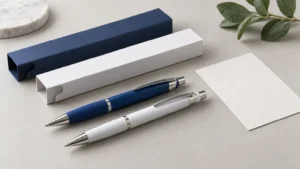
صور تصميم صناعي لمجموعة من أقلام التلوين عالية الجودة المصممة خصيصًا للأطفال، تُظهر جسمها المستدير الكامل الشبيه بالحصى دون زوايا حادة، بالإضافة إلى النسيج المقلد المضاد للانزلاق على السطح.
2. التصميم الصناعي المتميز: مفهوم “التكافل الطبيعي”
لمعالجة نقاط الألم هذه، بنينا فكرة الملاءمة الطبيعية في عملنا على المنتج وتصميم القوالب. يحصل عملاء B2B على حلول منتجات أفضل:
قبضة مصممة خصيصًا للأيدي الصغيرة: يجب أن يكون تصميم الجسم خفيف الوزن ولكنه ممتلئ. ندمج نسيجًا مقلدًا مضادًا للانزلاق أثناء عملية القولبة بالحقن لزيادة الاحتكاك ومنع السقوط، مما يضمن عدم تعرض الأطفال لإرهاق اليد أثناء جلسات الرسم الطويلة.
أشكال مستديرة ودودة بدون زوايا حادة: يخلو المظهر العام من أي حواف حادة، معتمدًا شكلًا مستديرًا يذكرنا بالحصى. هذا لا يحمي الطفل جسديًا فحسب، بل يمنح المنتج أيضًا ألفة نفسية أعلى، مما يعزز معدلات التحويل البصري على أرفف التجزئة.
تصميم الغطاء والسدادة الطرفية: راجع احتفاظ المكونات وبنية الغطاء على المنتج النهائي. يعالج ISO 11540 الأغطية المصممة لتقليل خطر الاختناق؛ لكنه لا يزيل خطر الاختناق. اطلب أدلة خاصة بالطراز وتقييمًا للأجزاء القابلة للفصل وملاءمة العمر قبل تقديم ادعاءات المطابقة.
3. تمكين علامتك التجارية بتصميم استثنائي
التصميم الجيد لا يتعلق فقط بتقليل المخاطر. إنه مصدر قيمة العلامة التجارية. المظهر النظيف مع الهندسة المريحة يجعل علاماتك المخصصة أقوى في السوق.
التصنيع المصدر، جودة مضمونة
بصفتنا مصنّعًا مخصصًا للكتابة ومصنعًا مصدرًا، ندير السلسلة الكاملة. فالتصميم الصناعي وأعمال القوالب والقولبة بالحقن بكميات كبيرة تتم جميعها داخليًا. ونتبع قواعد السلامة الدولية لأحجام أدوات الكتابة لصنع منتجات مخصصة جديدة وآمنة.
اتخذ الخطوة التالية لعلامتك التجارية: اتصل بنا اليوم للحصول على كتالوج منتجاتنا وعروض أسعار الحد الأدنى لكمية الطلب (MOQ) للتصنيع حسب الطلب!
الحد الأدنى لطلب برامج OEM/ODM المخصصة هو 50,000 قلم لكل طلب، محسوبًا بإجمالي الأقلام الفردية المنتجة. لعلبة من 12 لونًا، يعادل ذلك حوالي 4,200 مجموعة، وليس 50,000 من كل لون. يمكن أخذ عينات من الموديلات القياسية بكميات تجريبية أصغر.
The Regulatory Map for Children’s Markers
Selling a marker to a child is a different regulatory exercise than selling one to an adult. Four frameworks usually apply, and they do not overlap cleanly.
EN71 for Europe. Part 1 covers mechanical and physical properties, Part 2 covers flammability, Part 3 covers heavy metal migration, and Part 9 covers organic chemical compounds. A marker marketed as a toy needs all four; a marker sold as an art material for children needs at least Part 3, and most EU retailers will ask for Part 9 as well.
ASTM D-4236 and LHAMA for the U.S. Art materials carry a conformance statement backed by a toxicological review. That is a labeling requirement, not a product safety certification.
CPSIA for U.S. children’s products. Products designed for children under 12 need lead and phthalate testing plus a Children’s Product Certificate. This sits alongside ASTM D-4236, not instead of it.
REACH for the EU. SVHC screening applies to all products, not just children’s items. A marker can be fully EN71 compliant and still fail a REACH SVHC check on a specific additive.
Ergonomics: Grip Diameter and Age
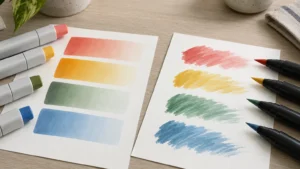
Macro close-up of a pen nib laying down an opaque line
The hand bones of a three to six year old are not fully formed. The grip is still developing, and a barrel sized for an adult hand forces an awkward hold that children compensate for by gripping harder, which tires the hand quickly and produces inconsistent strokes.
Three practical dimensions matter. Barrel diameter around 10 to 12 millimeters suits the preschool grip. A triangular or ergonomically contoured section helps position the fingers without instruction. Overall length should let the marker rest against the web of the hand without overbalancing.
Cap design matters as much as the barrel. A cap that needs significant force to remove will be chewed rather than pulled. A cap that releases too easily creates a choking risk. The working window is a pull force that a five-year-old can manage but a toddler cannot easily defeat.
Ink Safety: What “Non-Toxic” Actually Covers
The phrase “non-toxic” on a marker package is not a regulated claim in most markets. It usually means the manufacturer completed a toxicological review under ASTM D-4236 or an equivalent framework, and that no acute hazard was identified for the intended use.
What that review covers: acute toxicity, skin and eye irritation, sensitization, and chronic hazard labeling. What it does not cover: every possible contaminant, long-term low-dose exposure, or misuse such as drinking the ink.
For children’s markers, three ink properties deserve separate attention. First, preservative choice, because water-based ink supports microbial growth and the preservative has to be both effective and safe. Second, bittering agents, which are added to discourage ingestion and must not themselves be hazardous. Third, pH, because an acidic ink can corrode the valve or the nib over shelf life.
Ventilated Caps and the Choking Hazard Question
Custom animal pen mold development for childrens shapes
A ventilated cap has a small airway designed to allow breathing if the cap is inhaled. It is not a guarantee of safety, but it does extend the window for intervention, which is why many markets expect it on children’s writing instruments.
Two things to verify. First, the airway must be a real channel, not a decorative dimple. Second, the cap must still seal when closed, because a cap that vents and also leaks air will dry the marker out within weeks. That tradeoff is a design problem, and it is one of the places where cheap caps fail.
Ask for the cap pull-force data and the ventilation airflow measurement. Both should be on the test report, not just asserted in a sales conversation.
الأسئلة الشائعة
Does a children’s marker need both EN71 and CPSIA? If it sells in both markets, yes. They are separate regimes and neither substitutes for the other.
Is “non-toxic” a certification? No. It is a claim that usually reflects an ASTM D-4236 toxicological review. Ask for the review documentation, not the phrase.
What barrel diameter suits a preschooler? Around 10 to 12 millimeters, with a contoured grip section if possible.
Can you supply ventilated caps? Yes, with pull-force and airflow data on the test report. The cap must also pass a closed-storage seal test.
What a Compliance File Should Contain
A compliance file is not a certificate. It is a set of documents that lets a retailer answer a question from a regulator within a day. Four items belong in it.
Test reports by SKU. Each report names the product, the batch, the test method, the laboratory, and the date. A report that covers “children’s markers” as a category does not prove that the batch in your order was tested.
The Children’s Product Certificate. Required for U.S. children’s products under CPSIA. It names the manufacturer, the testing lab, and the specific rule each test addresses.
Material declarations. A list of the substances in the ink and the barrel by function, with their regulatory status. A supplier that refuses to disclose this under NDA is declining to be checked.
Retained samples. One sealed set from the approved run, labelled with SKU, PO number, and production date. Without it, a reorder dispute becomes a conversation about memory.
Packaging Rules for Children’s Products
Packaging carries its own compliance burden. A blister card with a hang hole is treated differently from a sealed poly bag, and the difference shows up in choking-hazard rules and suffocation warnings.
Poly bags above a certain size must carry a suffocation warning in the destination language. Blister cards need the age grading printed in a specified size and position. Display boxes intended for floor standing need stability testing if they will hold product above a certain height.
Ask the supplier which packaging format they have already certified for the target market. A factory that has shipped the same format to EU retail has already worked through the labeling details; one that has not will learn them on your order.