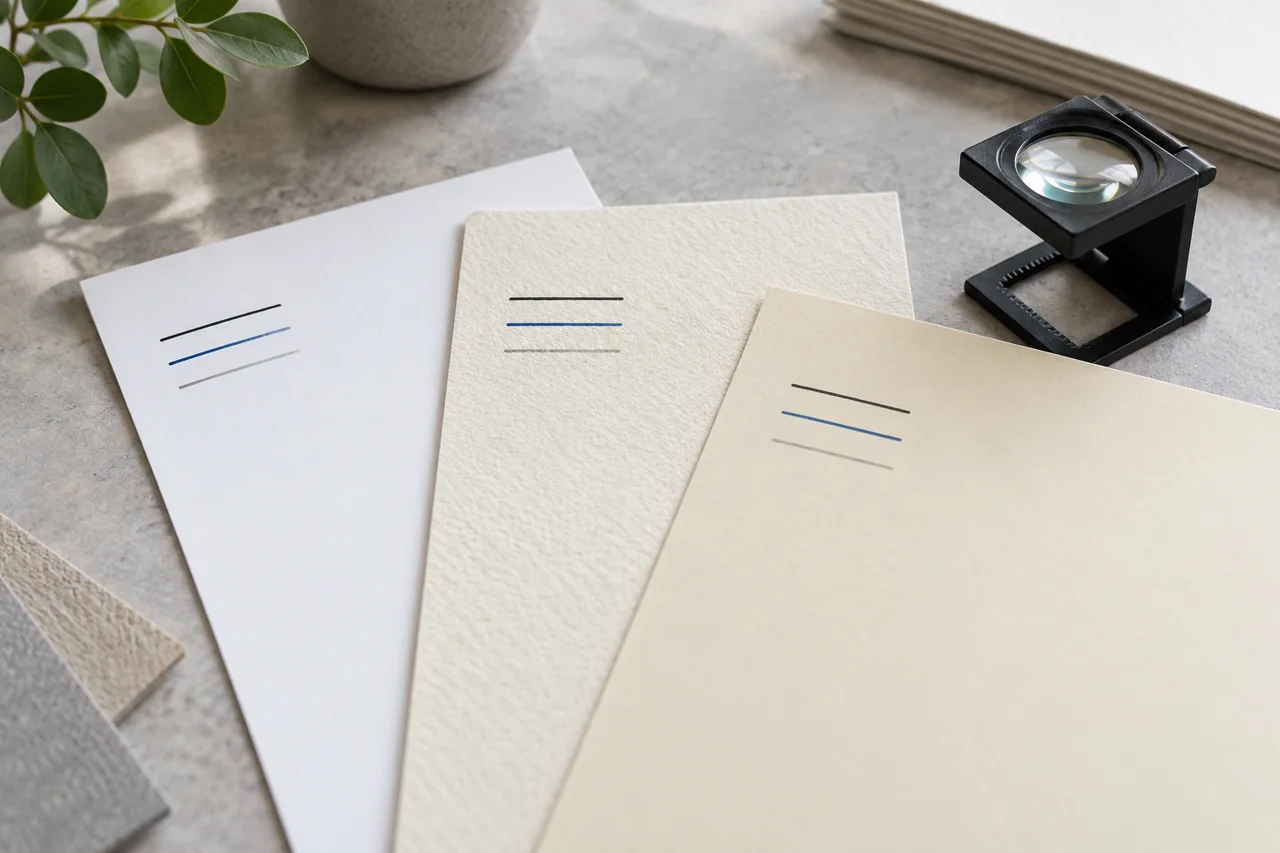
Picking the best paper for alcohol markers is a product call, not just an art call. Paper weight, coat, surface smoothness, absorbency, and sheet build change color blending, bleed-through, drying time, and ink use. For a private-label set, the marker and the suggested paper should be tested together before packing claims are passed.
Best Paper for Alcohol Markers: Quick Answer
The best paper for alcohol markers is usually smooth, bleed-resistant marker paper with enough weight to limit show-through. A higher GSM can help handling. GSM alone does not promise good performance. A coated or specially sized surface may use less ink and keep edges cleaner. Very absorbent paper can cause feathering and use more ink. Buyers should compare paper samples with the exact marker, colors, and nibs planned for the final SKU.
Быстрые ссылки
- What GSM Means
- Coating and Absorbency
- Bleed-Through and Show-Through
- Ink Consumption Test
- OEM Paper Approval Checklist
- Часто задаваемые вопросы (FAQ)

What GSM Means for Alcohol Marker Paper
GSM means grams per square meter. It is a useful base for paper weight. Light sheets are cheap and easy to put in activity books. They may show more ink on the back. Heavier sheets feel more premium and can cut cockling. They may raise packing cost and shipping weight. The right spec depends on the product promise. There is no one universal GSM number.
| Paper range | Typical position | Buyer consideration |
|---|---|---|
| 70–100 GSM | Worksheets and inserts | Low cost, but expect more show-through with saturated colors. |
| 120–180 GSM | General marker pads and craft use | Balanced handling and cost when the surface is properly sized. |
| 190–250 GSM | Premium pads and art sets | Better stiffness and presentation, with higher material cost. |
| 250 GSM and above | Cards, boards and specialty projects | Check whether the surface accepts ink without slowing the nib. |
Coating and Absorbency
A smooth surface helps a nib move steady. It can keep color near the top of the sheet. Too much coat may make ink sit wet longer or dry uneven. An uncoated but well-sized sheet can work well when the fibers limit wild spread. Compare edge sharpness, layering behavior, and drying time. Do not assume glossy paper is always best.
Paper texture also matters. Rough fibers can catch a fine nib. They can disturb brush strokes and make broad fills look streaky. For a set sold with a pad, ask for paper that backs the marker's smallest detail tip and its broadest tip. A paper that looks good with one nib can fail with another.
Bleed-Through and Show-Through
Bleed-through is ink passing through the sheet. Show-through is the visible mark or shadow on the back. They are related but not the same. A paper can stop liquid bleed yet still show strong dark areas from heavy alcohol ink. Put a clean control sheet under every test page. Record the front art and the back-side result.
- Test pale, mid-tone and dark colors.
- Test a single stroke, a slow fill and at least three layers.
- Check both brush and chisel or bullet nibs.
- Repeat on a fresh sheet after the paper has conditioned to the room.
- Photograph the reverse side under the same lighting.
How to Compare Ink Consumption
Ink use can be compared with a controlled cover test. Weigh or photo identical markers before and after filling the same area on different papers. Or use a measured swatch grid and count the strokes needed for an even color. Keep pressure, speed, nib angle, room heat, and drying time steady. The goal is not a lab claim from one sample. It is to see real gaps before you pick a paper supplier.

OEM Paper Approval Checklist
- Confirm GSM, thickness, sheet size and tolerance.
- Record surface finish, coating or sizing description.
- Test the approved marker colors on the actual paper.
- Check feathering, streaking, layering and drying time.
- Measure front-side bleed and reverse-side show-through.
- Confirm whether erasing, scanning or printing is part of the use case.
- Approve the paper packaging, moisture protection and carton conditions.
- Keep a signed sample board with the marker batch and paper lot.
For a private-label program, the paper insert should not promise no bleed unless the claim is tied to a set paper, color, and test method. Clear language like designed for alcohol markers are safer when performance varies by saturation and user skill.
Часто задаваемые вопросы (FAQ)
Is heavier paper always better for alcohol markers?
No. Heavier paper improves stiffness, but coating, sizing and absorbency can matter more than weight alone.
What paper prevents alcohol marker bleed?
Specially sized or coated marker paper usually performs better than ordinary copy paper, but no paper should be treated as universally bleed-proof without a defined test.
Should a marker manufacturer recommend paper?
Yes. A manufacturer can reduce complaints by testing the marker on the paper used in the buyer’s kit and documenting the expected layering and show-through behavior.
Before you set a marker set, compare the paper with the same samples used for Смешивание цветов спиртовых маркеров. Review the marker storage guidance. For OEM sourcing, ZH Stationery can help line up marker, paper, packing, and sample sign-off needs.
How Paper Choice Affects the Finished Product
Paper should be checked as part of the marker system. It is not a separate extra. A surface that looks smooth in a supplier sample may perform differently when the final marker uses a broad nib, a dark pigment load, or several layers. Buyers should compare the full use case. Marker body. Nib pressure. Color family. Drying time. Backing sheet. The art users are meant to make.
For activity books and starter kits, handling and show-through may matter more than max blending. A slightly lighter sheet can cut the cost of a big insert. It needs a protective back and clear steps. For premium art pads, a heavier sheet can lift hand feel and look. The coat must not keep ink wet or drag the nib. The right paper is the one that backs the product promise at an acceptable landed cost.
Packaging, Storage and Buyer Communication
Paper behavior can change during storage and shipping. Moisture, heat, pressure, and loose edges may change how a sheet feeds through a pad or takes alcohol ink. If paper is in a private-label set, guard it from carton pressure. Keep the passed sample in the same packing format used for production. The final insert should say results depend on color and skill. It should not promise universal no bleed.
Before release, keep a base board with the passed marker batch, paper lot, color swatches, back-side photos, and packing sample. That gives the buyer and factory a shared compare point for later lots. It also makes service answers more specific.
How Buyers Should Approve the Final Paper
A paper sign-off should cover more than a favorite GSM. Ask the supplier for the paper name, thickness range, surface note, sheet size, packing method, and lot mark. Then test the same marker colors and nibs on the real sheet. If the product sells with a pad or activity book, test page turning, corner handling, drying before stacking, and the backing-sheet effect on show-through.
When comparing revisions, keep the test design unchanged. Use the same stroke speed, pressure, color order, and light. Photo both sides after the same dry time. That stops a small skill change from looking like a paper gain. A signed sample board is very useful for repeat orders. It gives buying, QC, and the factory one shared base instead of memory or a screen image.
Paper Selection by Product Format
The right paper can change with the format of the finished SKU. A loose activity insert may care about cost, folding, and print fit. A tear-out art pad may need better stiffness and a surface that keeps broad fills even. A premium marker set may use heavier sheets because the paper is part of the value. These formats should not be judged on one pass-or-fail bar.
Ask the paper supplier and marker factory to review the same physical base. Compare sheet size, corner state, pad binding, protective interleaf, moisture guard, and carton pressure. If the buyer sells online, add a real unpacking test. Open the carton. Remove the pad. Use dark and light colors. Stack the pages. Check the back. Packing picks can change the result users see even when the paper has not changed.
Turning Test Results Into Safe Claims
Test records should back specific language, not broad promises. A result may support smooth surface for alcohol marker blending on a set paper. It may not support no bleed on all paper. Record the marker model, nib, color, pass count, paper lot, dry time, and backing sheet. If results vary, write the range in the file. Pick careful packing copy.
This care also helps future revisions. When a supplier changes coat, pulp mix, or sheet finish, the buyer can rerun the same test. That shows whether the new lot improves edge control, show-through, or ink use. A controlled paper program protects the retail experience. It gives the manufacturer practical feedback instead of a vague complaint. The team can also split a paper issue from a marker, backing, or skill issue.