欧盟PPWR 2026对马克笔包装的要求:自有品牌现在必须做出的改变

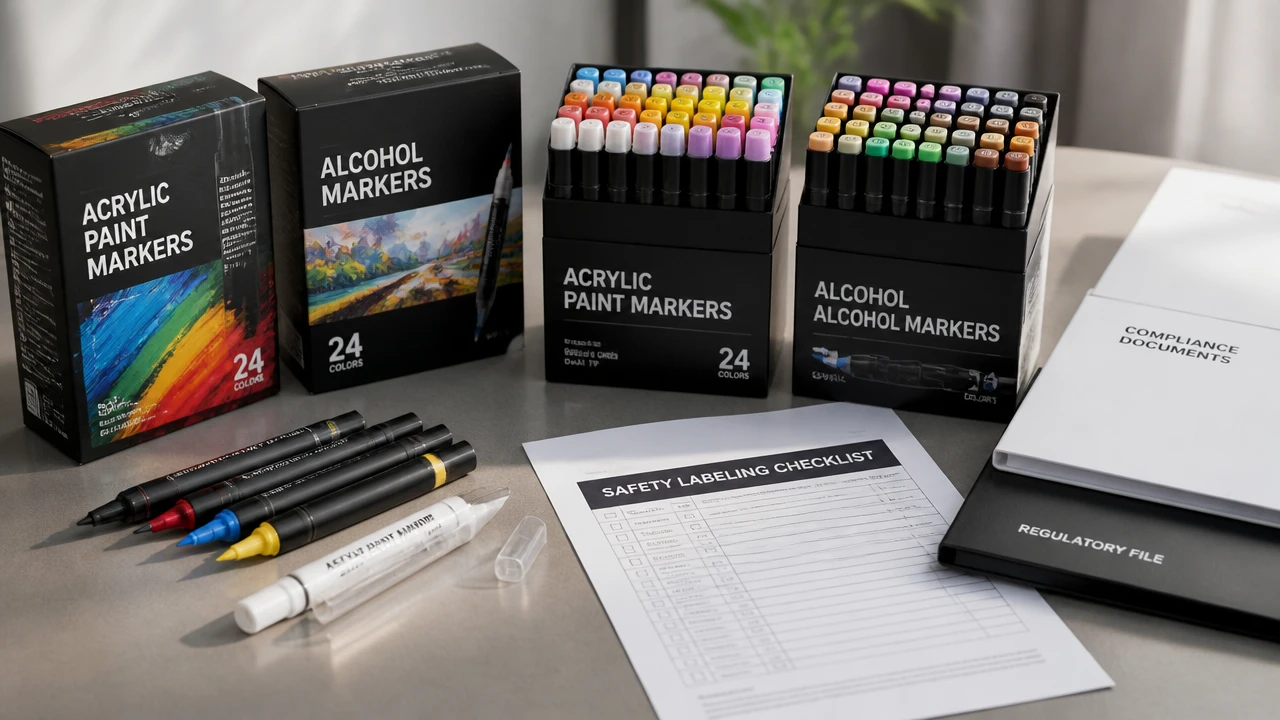
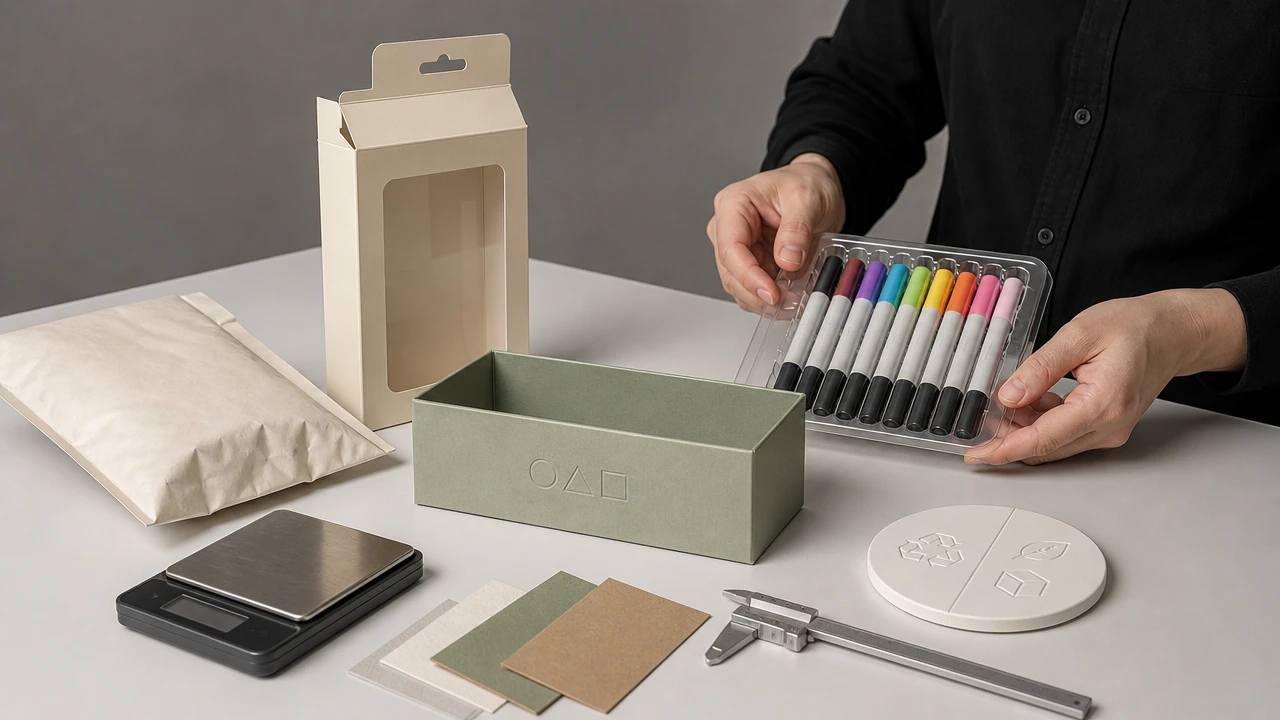
欧盟PPWR 2026自有品牌马克笔包装审查

EU PPWR 2026 for marker packaging is no longer a distant planning topic. Regulation (EU) 2025/40 entered into force on 11 February 2025 and generally applies from 12 August 2026. For private label marker brands, that does not mean every carton needs a new EU label on that date. It means packaging decisions, supplier records, role allocation, and recyclability evidence must now be managed under the new framework.

The practical job is to separate the 2026 duties from later milestones. Recyclability applies in principle from August 2026, while harmonised sorting labels, design-for-recycling grades, minimisation rules, empty-space limits, and reuse targets follow different dates and depend on implementing or delegated acts. A rushed artwork change can be just as costly as doing nothing.

This buyer guide focuses on marker sets, acrylic marker boxes, plastic trays, blister packs, gift tins, e-commerce mailers, and export cartons. Use it together with ZH Stationery’s 壓克力馬克筆包裝選項紙箱尺寸、毛重和體積指南 when rebuilding a packaging specification.

EU PPWR 2026 for marker packaging review

EU PPWR 2026 for Marker Packaging: Quick Answer

From 12 August 2026, treat every marker package as a documented system, not only a printed box. Build a packaging bill of materials, identify the legal roles in each EU sales channel, review recyclability under the transition rules, keep evidence for substances and packaging performance, and place clear data obligations in supplier contracts. Do not print speculative EU sorting pictograms before the harmonised specifications are final and applicable.

This article is operational guidance, not legal advice. The importer, private label brand, marketplace seller, distributor, and packaging supplier should confirm responsibilities for each Member State and sales model with qualified EU counsel or a compliance service.

PPWR Timeline for Marker Packaging

滾珠筆與原子筆的 European Commission packaging waste overview confirms the general application date. The Commission’s 2026 PPWR guidance then explains how transitional rules work. The dates below matter most for an ordinary marker set, but a legal review must still consider the exact package and operator.

DateWhat ChangesWhat a Marker Brand Should Do
12 August 2026PPWR generally applies. Article 6(1) requires packaging placed on the market to be recyclable, with transition interpretation in the 2026 guidance.Keep a component map, assess the package against current essential requirements and standards, and document why the format is recoverable by material recycling.
12 August 2028 or later triggerHarmonised material-composition sorting labels apply from the later of 12 August 2028 or 24 months after the relevant implementing acts enter into force.Reserve artwork space and control versions, but do not invent the final pictograms.
1 January 2030 or later triggerDesign-for-recycling performance grades apply from the later trigger described in Article 6. Packaging minimisation and a 50 percent empty-space rule for grouped, transport, and e-commerce packaging also start on their own later triggers.Run redesign trials before 2030 and keep protection tests so material reduction does not create product damage.
1 January 2035 or later triggerRecycled-at-scale requirements become relevant under Article 6.Avoid locking long-term packaging into structures that have no credible collection, sorting, and recycling pathway.

The official PPWR legal text remains the controlling source. The Commission guidance says that full design-for-recycling assessment and the related PPWR conformity procedure do not apply until the delegated-act timetable is reached. That is why the right 2026 response is evidence and design readiness, not a fictional grade printed on the box.

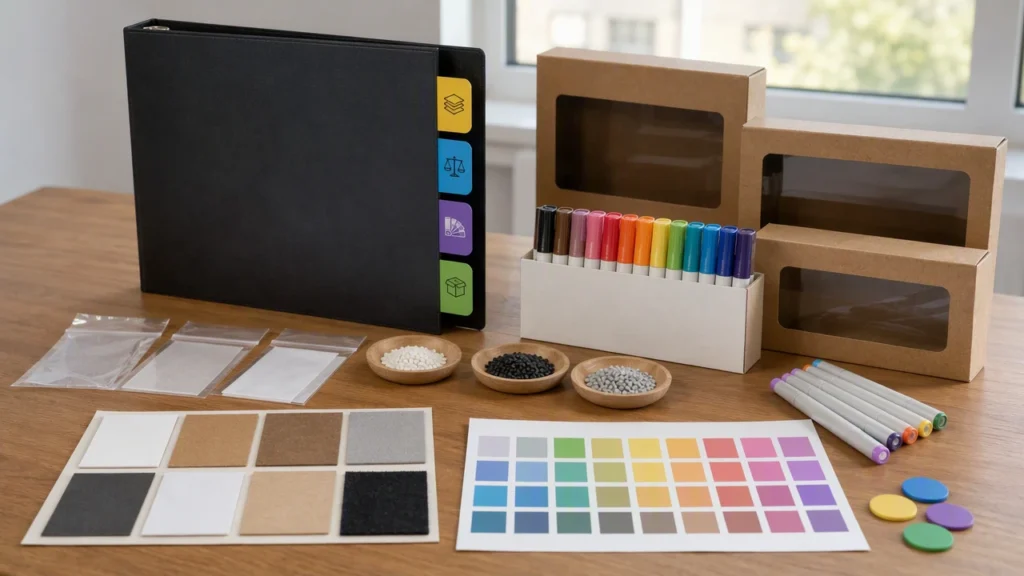
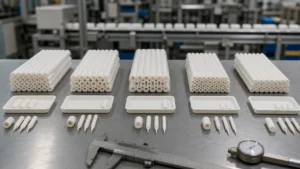
Component map for marker packaging under EU PPWR

Who Is Responsible in a Private Label Marker Program?

The same company can hold more than one role. A private label brand may be treated as the packaging manufacturer when it markets packaging under its own name or trademark. An EU importer has separate checks. A distributor must verify specified information. The party that first makes packaged markers available in a Member State may also be the producer for extended producer responsibility registration and reporting.

Commercial RoleTypical Marker ExampleControl Point
Packaging manufacturerThe brand places a marker set on the market under its own trademark.Technical documentation, conformity, artwork, traceability, and supplier evidence.
ImporterAn EU company imports finished private label sets from a non-EU factory.Verify the manufacturer, documentation, labels, and contact details before placing goods on the market.
Distributor or marketplace sellerA wholesaler or online seller makes the set available downstream.Check required information and do not supply packaging known to be non-compliant.
EPR producerThe company first supplies the packaged product in a Member State.Registration, reporting, fees, and authorised representative rules where applicable.
Packaging supplier or marker factoryThe factory sources the box, tray, label, film, and export carton.Provide accurate material and weight data, change control, samples, and test evidence.

Do not put the entire PPWR obligation into a one-line supplier declaration. The brand controls the market, claims, and final package. The factory controls much of the underlying material data. Your quality agreement should connect those two responsibilities.

Seven Changes Private Label Brands Should Make Now

1. Build a Packaging Bill of Materials

List every separable and non-separable component: marker barrel bundle, plastic tray, paper insert, printed folding carton, window film, shrink film, stickers, security seals, e-commerce mailer, cushioning, master carton, tape, and pallet wrap. Record material family, supplier, weight, color, coating, adhesive, and whether the component can be separated by an ordinary user.

2. Map Packaging Levels and Sales Channels

Separate sales packaging, grouped packaging, transport packaging, and e-commerce packaging. A 24-color retail box sold in a shop and the same box shipped in a large online mailer can create different empty-space and reporting questions. Document each route instead of treating one SKU as one package.

3. Review Recyclability Without Overclaiming

Look for mixed structures, black or heavily pigmented plastics, metallised laminates, bonded windows, foam inserts, magnets, glitter coatings, and labels that cannot be separated. The 2026 guidance preserves a transition to the future EU methodology. Ask what collection, sorting, and recycling pathway the supplier is relying on, then keep the answer in the technical file.

4. Start Minimisation Trials With Damage Evidence

Remove decorative volume, not necessary protection. Test a smaller box, a thinner tray, a paper insert, or tighter e-commerce fit while monitoring crushed nibs, loose caps, leaking valve markers, scuffed print, and retail presentation. Packaging that reduces material but raises returns is not a sound design decision.

5. Reserve Artwork Space and Freeze Unapproved Claims

Create a controlled area for future EU harmonised labels, QR codes, and operator information. Do not use a recycling symbol as proof of recyclability, and do not describe packaging as compostable, biodegradable, recycled, or plastic-free unless the claim is accurate and documented.

6. Create a Technical Evidence File

Keep drawings, dimensions, component weights, supplier declarations, material specifications, ink and coating information, test records, risk decisions, artwork approvals, and change history. Match each file to a package version and production lot. ZH Stationery’s 認證頁面自有品牌馬克筆樣品批准檢查清單 show how compliance documents and sample approval should stay separate from marketing claims.

7. Assign EPR Ownership by Country

PPWR harmonises the framework, but registration and practical administration still operate through Member State systems. Record who registers, who reports packaging quantities, which weights are used, who pays fees, and who handles an authorised representative if required. Do not assume the factory’s export declaration covers the brand’s EPR duties.

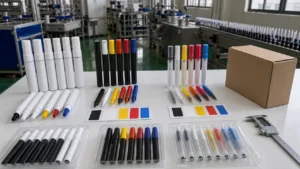
PPWR timeline stages for marker packaging planning

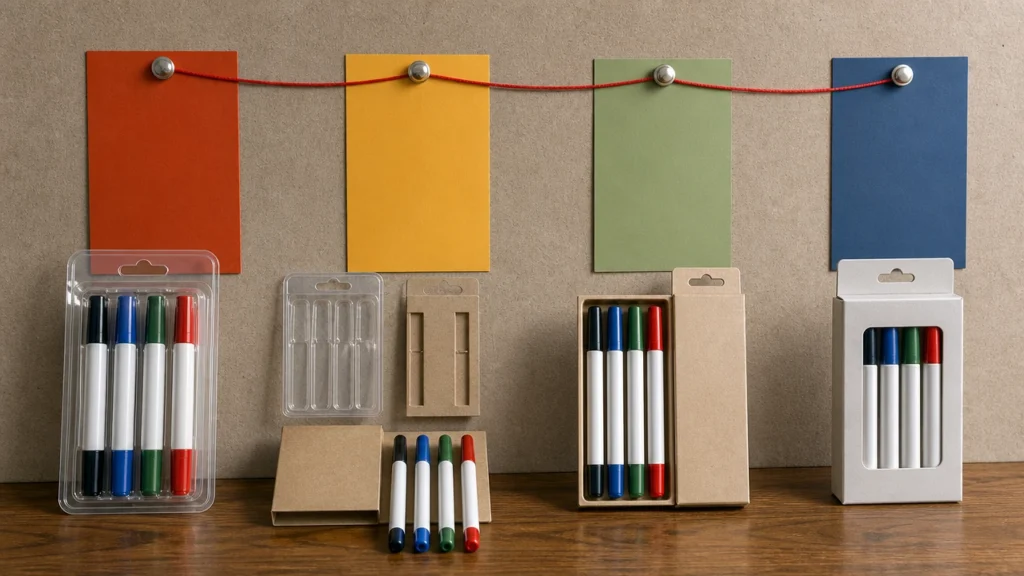
Marker Packaging Format Review

貨櫃容量(20英尺,12色)PPWR Risk QuestionPractical Improvement Trial
Paperboard color box with plastic trayCan the tray be separated, identified, sorted, and recycled in the target market?Compare a lighter mono-material tray, molded pulp, or paperboard insert without reducing cap protection.
泡殼卡Is the plastic bonded to the card, and can the user separate it without tools?Test a separable blister, smaller plastic area, or all-paper hanging pack.
Gift tinDoes the mixed insert or decorative sleeve complicate separation?Use a removable mono-material insert and keep the tin free of unnecessary bonded components.
Fabric zipper caseIs it necessary packaging, a durable product component, or both?Define the intended reuse and avoid making unsupported reusable-packaging claims.
E-commerce mailerHow much empty space remains after the product is packed for shipment?Use right-sized mailers and document transport protection tests.
Master carton and pallet wrapWho uses the transport packaging and which reuse obligations could apply later?Record weights, destinations, reuse route, and supplier ownership.

For a cost and logistics check, compare the format with your marker set color-count strategymarker production lead-time plan before the dieline is frozen. Color count, tray cavity, box depth, and carton utilization are one decision system.

Supplier Evidence File

  • Packaging component drawing and revision number.
  • Material name, resin or fiber type, coating, adhesive, colorant, and supplier.
  • Weight per component and weight per finished sales unit.
  • Statement on separability and the intended recycling route.
  • Substances-of-concern information relevant to the package and target market.
  • Transit, compression, drop, scuff, and cap-protection results where the design changes.
  • Artwork proof with operator information, claims, symbols, and language version.
  • Change-control record for any new paper, plastic, coating, adhesive, or supplier.
  • Retained approved sample and photos of the final packing method.

The Commission’s facts about the new EU packaging rules notes that other chemical-safety rules still operate alongside PPWR. Marker ink compliance and packaging compliance are related files, but one does not replace the other.

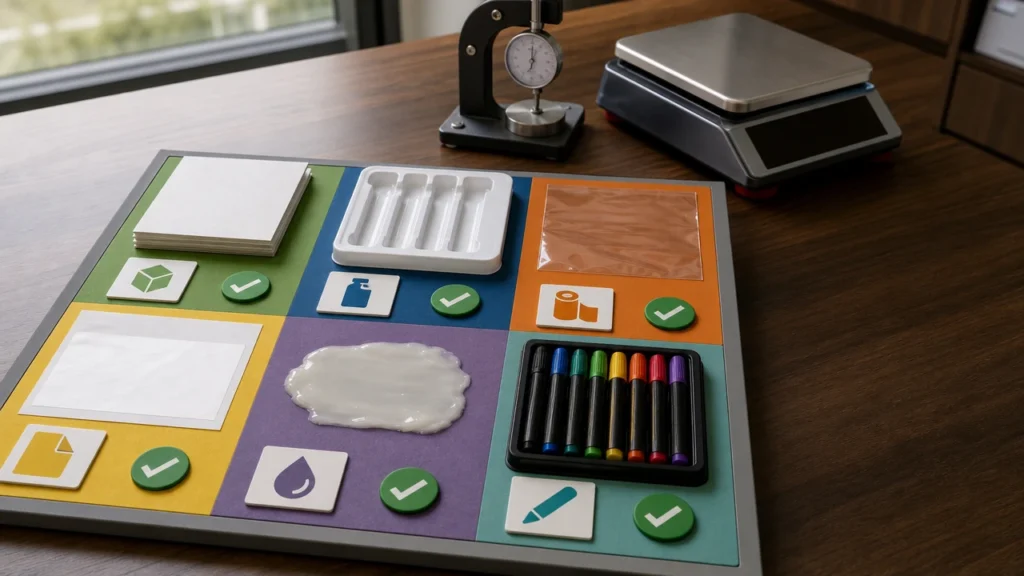
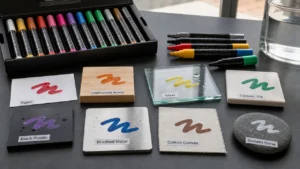
Marker packaging material and weight evidence workspace

PO and Quality-Agreement Clauses

  1. Supplier must disclose every packaging component, material, weight, coating, adhesive, and subcontracted source used for the approved SKU.
  2. No packaging material, structure, artwork, or supplier may change without written buyer approval.
  3. Supplier must provide evidence needed for the buyer’s target-market technical file and EPR weight reporting.
  4. Samples and bulk goods must match the approved packaging BOM, dieline, color proof, dimensions, and packing method.
  5. If a legal or harmonised-label requirement changes, both parties will review artwork and inventory transition dates before production.
  6. Claims such as recyclable, recycled content, reusable, compostable, or plastic-free require written evidence and buyer approval.

A 90-Day PPWR Readiness Plan

Period買方行動Deliverable
Days 1-30Inventory all EU SKUs, packaging levels, countries, roles, and suppliers.SKU-role matrix and packaging BOM gap list.
Days 31-60Collect weights and material evidence, review risk formats, and identify quick design trials.Technical file index, supplier questions, and redesign shortlist.
Days 61-90Approve change-control clauses, test priority packaging, and assign EPR ownership.Signed specifications, test records, country responsibility map, and artwork roadmap.

When requesting factory support, send the complete sales format, not only a marker photo. The ZH Stationery產品系列工廠參觀 can help buyers identify the marker and packing process that needs to be documented.

常見問題

1. Does PPWR apply to marker pen packaging from 12 August 2026?
The regulation generally applies from 12 August 2026. Recyclability applies in principle, while several detailed requirements, including harmonised sorting labels and design-for-recycling performance grades, have later or conditional dates.

2. Do marker brands need the new EU sorting label in 2026?
Not as a general rule. The harmonised material-composition label is tied to the later of 12 August 2028 or 24 months after the relevant implementing acts enter into force. Brands should reserve artwork space and monitor the final specifications.

3. Is a private label brand responsible if the factory supplies the packaging?
Often yes. A brand marketing packaging under its own name can hold manufacturer responsibilities, while an EU importer and EPR producer may have additional duties. The factory should provide data, but the brand must allocate and verify legal responsibilities.

4. What packaging data should an OEM marker factory provide?
Request component materials, weights, coatings, adhesives, suppliers, separability, recycling-route assumptions, drawings, test records, artwork versions, and written change control.

5. Will PPWR force every marker set to remove its plastic tray?
No single answer applies to every tray. The brand should assess necessity, separability, recyclability, product protection, and future design-for-recycling criteria, then compare lower-material or mono-material alternatives.

6. Should a brand print recyclable on the marker box now?
Only when the claim is accurate for the package and supported by evidence. A generic recycling symbol or supplier statement is not enough, and future PPWR grades should not be invented before the EU methodology applies.

結論

EU PPWR 2026 for marker packaging starts with data discipline. By August 2026, a private label brand should know every packaging component, every operator role, the current recyclability basis, and the evidence held by the supplier. The later 2028 and 2030 milestones then become controlled redesign work instead of an emergency.

For an OEM packaging review, send ZH Stationery your marker type, set size, target EU countries, current dieline, component weights, sales channel, and desired material changes. The factory can help build samples and production records, while the brand retains responsibility for legal interpretation and market placement.

返回頂部