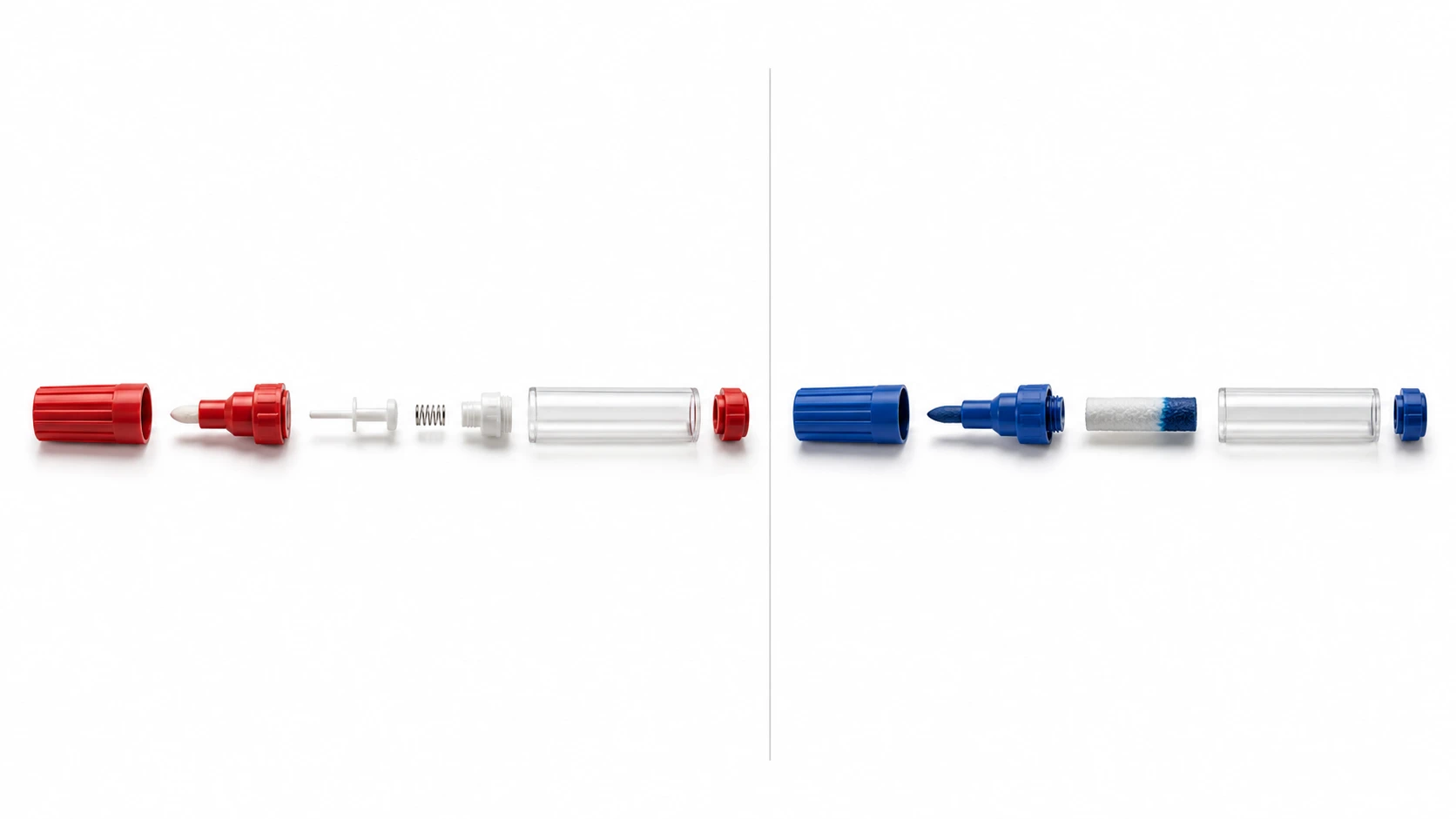
한 아티스트가 아크릴 마커 두 개를 구입합니다. 같은 브랜드, 같은 색상입니다. 하나는 닙을 눌러 페인트를 펌핑하는 밸브 프레스 방식이고, 다른 하나는 모세관 현상으로 페인트를 흡수하는 표준 섬유 팁입니다. 6개월 후, 밸브 프레스 마커는 여전히 새것처럼 써집니다. 섬유 팁은 닳고 막혀서 불균일한 색상을 냅니다.
밸브 프레스 마커가 더 잘 설계된 것일까요, 아니면 운이 좋았던 것일까요? 아크릴 마커를 조달하는 B2B 구매자에게 이 질문은 수익성에 직결됩니다. 선택한 메커니즘은 반품률, 보증 청구, 그리고 아티스트들이 브랜드에 대해 이야기하는 방식을 결정합니다.
아크릴 마커 밸브 프레스 는 단순한 장식이 아닙니다. 섬유 팁과는 근본적으로 다른 방식으로 닙을 통해 두꺼운 아크릴 페인트를 전달합니다. 두 방식의 장단점을 이해하면 고객이 마커를 개봉하기도 전에 어떤 불만을 제기할지 알 수 있습니다. 아크릴 마커 밸브 프레스 메커니즘 내부 단면도.
목차
빠른 답변: 아크릴 마커 밸브 프레스 대 섬유 팁
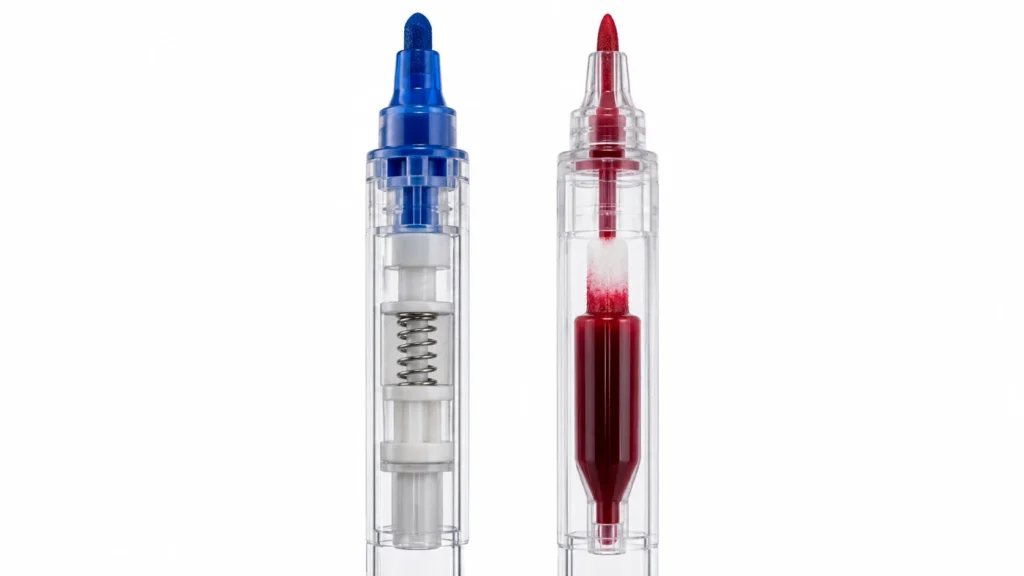
밸브 프레스 마커는 기계적으로 페인트를 밀어냅니다. 닙을 누르면 스프링 장착 밸브가 열리고 페인트가 흐릅니다. 페인트는 활성화할 때까지 배럴 내부에 밀봉되어 있습니다. 즉, 사용 사이에 페인트가 닙에 머물지 않습니다. 닙이 마른 아크릴로 막힐 수 없습니다. 이 마커는 간헐적 사용에 강점을 보입니다.
- 섬유 팁 마커는 , 표준 마커와 동일한 원리를 사용합니다. 페인트는 항상 닙과 접촉합니다. 뚜껑을 열면 즉시 쓸 수 있습니다. 하지만 아크릴 페인트.
- 는 사용 사이에 닙 섬유 내부에서 마를 수 있습니다. 한 번 막히면 복구가 거의 불가능합니다. 잉크를 더 빠르게 빨아들입니다., 밸브 프레스 마커는 제조 비용이 더 많이 듭니다. 스프링, 플런저, 밸브 시트, 추가 조립 단계가 필요합니다. 섬유 팁 마커는 기계적으로 더 간단하고 저렴하여 예산 시장을 장악하고 있습니다. 매일 그림을 그리는 아티스트는 섬유 팁으로 충분합니다. 지속적인 사용이 페인트 흐름을 유지하고 건조를 방지합니다. 가끔 그림을 그리는 아티스트는 밸브 프레스 마커에서 훨씬 더 긴 수명을 얻습니다. 밀봉 메커니즘이 세션 사이에 페인트를 보호합니다. 모든 아크릴 마커 불만에는 메커니즘별 원인이 있습니다:.
- 일반적인 불만.
- 밸브 프레스 근본 원인.
단위 가격을 협상하기 전에 해당 숫자가 실제로 무엇을 나타내는지 이해해야 합니다. 다음은 제조 구성 요소를 총 지출에 미치는 영향에 매핑하는 비용 구조 표입니다.
각 메커니즘이 실패하는 방식
섬유 팁 근본 원인
| 보관 후 마커가 써지지 않음 | 수성 아크릴로 인해 밸브 스프링이 부식되어 장력을 잃음 | 아크릴 페인트가 닙 섬유 내부에서 건조되어 모세관 채널이 막힘 | B2B 품질 신호 |
| 밸브: 스프링 재질 사양. 섬유 팁: | 캡 밀봉 무결성 | 및 막힘 방지 첨가제 | 불균일한 페인트 흐름 밸브가 고르지 않게 열림; 페인트 점도가 밸브 간극에 비해 너무 높음 닙 다공성이 불균일함; 일부 섬유는 막히고 다른 섬유는 열려 있음 |
| 밸브: 작동력 일관성 테스트. 섬유 팁: 닙 다공성 공차 측정 | 닙이 닳거나 변형됨 | 사용자가 뻣뻣한 밸브를 작동시키기 위해 너무 세게 누름 | 저밀도 섬유 재질; 아크릴 안료가 연마성임 |
| 둘 다: 실제 페인트로 제어된 압력 하에서 닙 내마모성 테스트 | 보관 중 페인트 누출 | 밸브가 완전히 닫히지 않음; 스프링 복원력 부족 | 닙이 과포화됨; 캡이 밀봉되지 않음 |
| 밸브: 단위당 스프링 복원력. 섬유 팁: | 캡 밀봉 진공 테스트 | 배치 간 색상 차이 | 충전 전 페인트 혼합 불균일; 안료 침전 안료 입자가 닙 채널에 비해 너무 큼; 여과 불균일 |
| 둘 다: 배치 분광 광도계 매칭 및 안료 입자 크기 검증 | 어느 메커니즘도 본질적으로 더 내구성이 뛰어나지 않습니다. 각각 고유한 방식으로 고장 납니다. 밸브 메커니즘은 스프링이나 씰이 저렴할 때 고장 납니다. 섬유 팁은 닙 재질이나 캡 씰이 저렴할 때 고장 납니다. 두 경우 모두 "저렴함"은 소매 가격이 아닌 제조 결정을 의미합니다. | 아크릴 마커 밸브 프레스 메커니즘 작동 클로즈업 | 아크릴 마커 밸브 프레스는 |
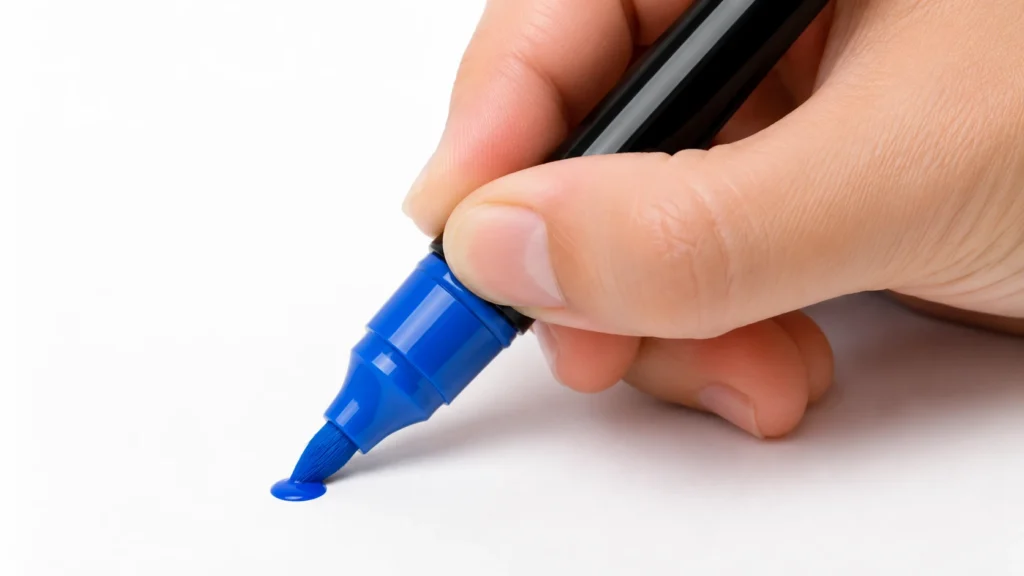
스프링 장착 플런저.
밸브-프레스 메커니즘의 작동 방식
이는 산업용 펌프 액션 페인트 마커에 사용되는 동일한 메커니즘으로, 아크릴 아트 마커에 맞게 축소 및 조정되었습니다. 어려운 점은 두껍고 안료가 많이 포함된 아크릴 페인트가 막힘 없이 좁은 밸브 통로를 통해 흐르도록 하는 것입니다. 세 가지 설계 변수가 신뢰성을 결정합니다. 스프링 재질: 수성 아크릴.
은 약간 부식성이 있습니다. 탄소강은 녹슬고 약해집니다. 스테인리스강은 견딥니다. 스프링 힘: 너무 뻣뻣하면 사용자가 더 세게 눌러 밸브가 작동되기 전에 닙이 손상됩니다. 너무 약하면 사용 후 밸브가 완전히 닫히지 않아 공기가 들어가 페인트가 마릅니다. 밸브 시트 형상: 플런저가 하우징에 밀봉되는 표면은 매끄럽고 정밀하게 가공되어야 합니다. 거친 시트는 미세하게 누출됩니다. 미세한 누출 하나면 충분합니다.
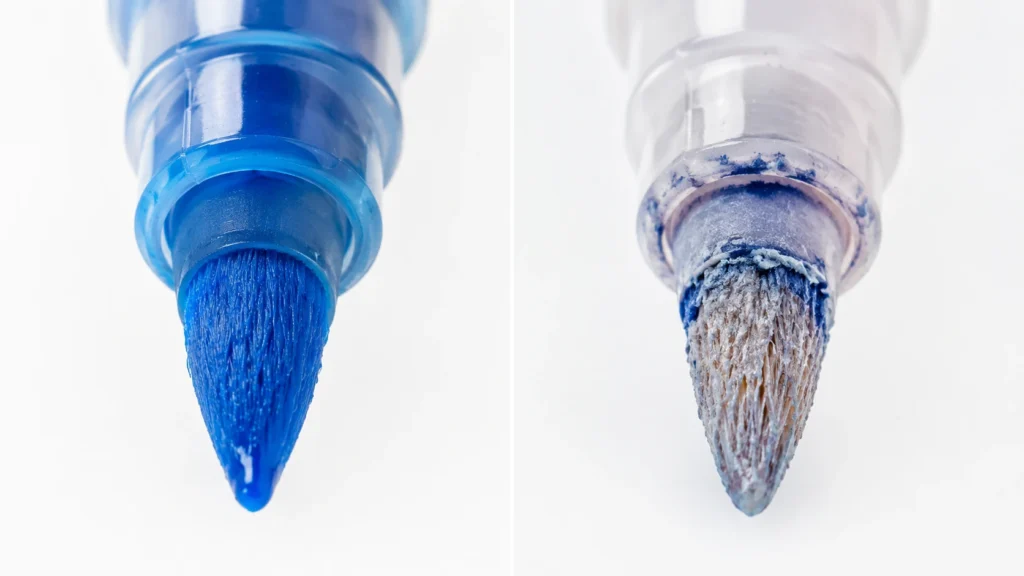
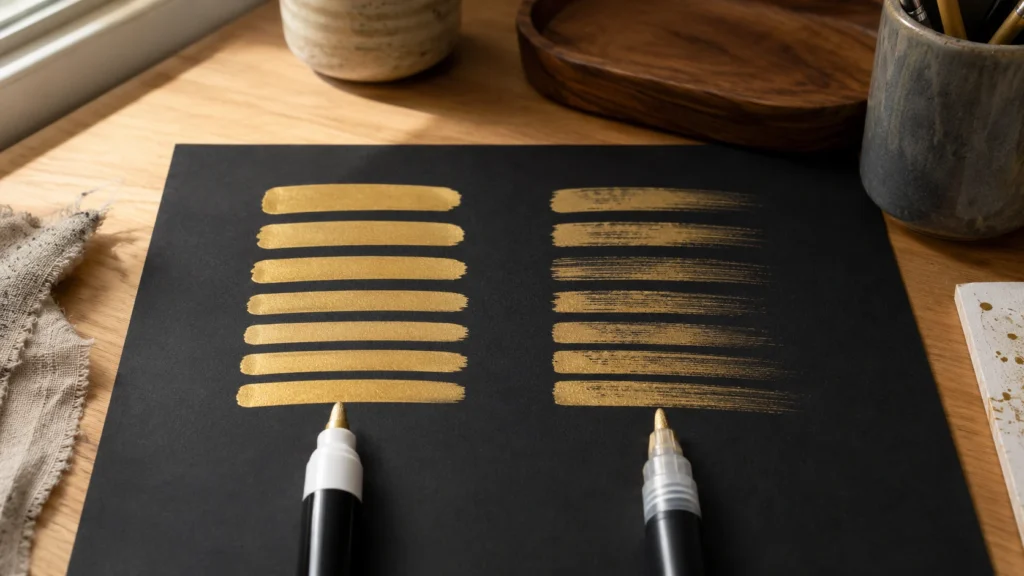
장점은 간단합니다. 밸브가 닫히면 페인트가 밀봉됩니다. 닙이 포화되지 않습니다. 일주일에 한 번 그림을 그리는 아티스트는 6개월 후에 마커를 집어 닙을 누르면 새로운 페인트를 얻을 수 있습니다. 동일한 일정의 섬유 팁 사용자는 막힌 마커를 집어 듭니다. 단점은 프라이밍입니다. 밸브 마커는 처음 사용 시 메커니즘을 통해 페인트를 끌어내기 위해 여러 번 펌핑해야 합니다. 일부 사용자는 이를 직관적으로 이해합니다. 일부는 불편하게 여기고 마커가 고장 났다고 생각합니다. 포장에 프라이밍 단계를 설명하지 않으면 마커가 결함 있다고 생각하는 고객으로부터 반품이 발생합니다. 이러한 반품은 제품 결함이 아닙니다. 포장 결함입니다. 섬유 팁 아크릴 마커 포화된 닙과 막힌 닙 비교.
섬유 팁 아크릴 마커.
는 표준 마커처럼 작동합니다. 다공성 닙(압축 폴리에스터 또는 아크릴 섬유)이 내부 저장소에서 모세관 현상으로 페인트를 흡수합니다. 페인트는 항상 닙에 닿아 있습니다. 마커는 항상 사용 준비가 되어 있습니다.
섬유 팁 메커니즘의 작동 원리와 고장 원인
A 아크릴이 경화 되어 섬유 채널 내부에 고정되면 영구적입니다. 마커는 수명을 다합니다. 잉크를 더 빠르게 빨아들입니다.. 제조 변수는 밸브 메커니즘과 다릅니다. 닙 재질 밀도: 너무 조밀하면 두꺼운 아크릴 페인트가 충분히 빠르게 흐를 수 없습니다. 너무 다공성이면 닙이 넘쳐 흐르고, 떨어지고, 닳습니다. 캡 밀봉 형상: 내부 캡은 닙 주위에 기밀 챔버를 만들어야 합니다. 씰 주변에 0.1mm의 간격이 있으면 몇 주 안에 닙을 건조시킬 만큼 충분한 공기가 들어옵니다. 막힘 방지 첨가제: 페인트의 보습제 및 흐름 개질제는 닙 내부 건조를 늦춥니다. 품질 아크릴 제형에는 이들이 포함됩니다. 예산 제형은 비용 절감을 위해 이를 생략합니다.
그것은 동시에 강점이자 문제입니다. 사용하는 아티스트는 아크릴 마커 매일 섬유 팁을 사랑합니다. 펌핑 없음, 프라이밍 없음. 캡을 열고 페인트. 그러나 지속적인 포화는 물에 강한 필름으로 경화되는 아크릴 페인트가 항상 그 닙 섬유 내부에 있다는 것을 의미합니다. 불완전한 캡 밀봉. 몇 주 동안 사용하지 않은 마커. 보습제가 부족한 페인트 포뮬레이션. 이 중 하나라도 페인트가 닙 내부에서 건조됩니다. 일단 아크릴이 경화됩니다 inside fiber channels, it’s permanent. The marker is dead.
The manufacturing variables are different from the valve mechanism. Nib material density: too dense and thick acrylic paint can’t flow fast enough. Too porous and the nib floods, drips, frays. Cap-seal geometry: the inner cap has to create an airtight chamber around the nib. A gap of 0.1mm around the seal lets in enough air to dry the nib within weeks. Anti-clogging additives: humectants and flow modifiers in the paint slow drying inside the nib. Quality acrylic formulations include them. Budget formulations skip them to cut cost.
B2B 구매자의 경우, 섬유 팁 메커니즘은 밸브 프레스 메커니즘보다 캡 실링 무결성 및 페인트 배합 안정성에 대한 더 엄격한 품질 관리를 요구합니다. 고형화된 아크릴로 막힌 닙이라는 고장 모드는 치명적이며 영구적입니다.
B2B 구매자가 선택 전 테스트해야 할 사항
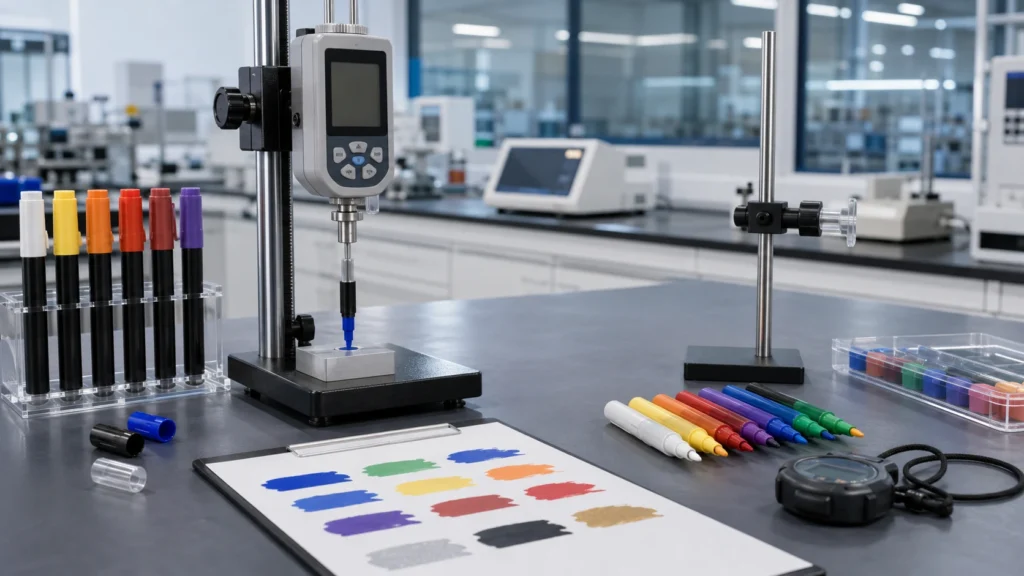
밸브 프레스 대 섬유 팁 결정은 이론이 아닌 테스트 데이터를 기반으로 이루어져야 합니다.
- 밸브 프레스 마커의 경우: 동일 배치에서 10개의 마커에 대한 작동 힘을 테스트하십시오. 일관성이 있어야 합니다. 스프링 복귀를 테스트하십시오. 작동 후 닙이 즉시 다시 튀어나와야 합니다. 지연이 있으면 스프링이 너무 약하다는 의미입니다. 간헐적 사용을 테스트하십시오: 마커를 사용하고, 캡을 씌우고, 7일을 기다린 후 다시 사용하십시오. 초기 프라이밍 이후 추가 펌핑 없이 글씨가 써져야 합니다. 누출 테스트: 48시간 동안 수평으로 보관하십시오. 페인트가 새지 않아야 합니다.
- 섬유 팁 마커의 경우: 15분, 30분 및 60분에서 캡 오프 시간을 테스트하십시오. 막힘 방지 첨가제가 있는 품질 좋은 섬유 팁은 30분 동안 캡을 열어둔 후 회복되어야 합니다. 간헐적 사용을 테스트하십시오: 사용하고, 캡을 씌우고, 7일을 기다리십시오. 닙이 막히면 캡 실링이 실패한 것입니다. 닙 내구성 테스트: 질감이 있는 종이에 페인트가 다 떨어질 때까지 연속으로 칠하십시오. 닙은 닳지 않고 전체 페인트 양을 견뎌야 합니다.
- 두 경우 모두: 배치 일관성을 테스트하십시오. 두 개의 별도 생산 런에서 샘플을 주문하고 나란히 테스트하십시오. 배치 간 작동 힘, 유량 또는 색상 밀도에 차이가 있으면 제조 공정이 통계적 관리 하에 있지 않다는 의미입니다.
ZH STATIONERY와 같이 사내 잉크 연구개발 및 26년 이상의 OEM/ODM 경험을 가진 공장은 두 메커니즘 모두에 대한 내구성 테스트 프로토콜을 QC 워크플로우에 내장하고 있습니다. 공급업체에 대한 질문은 “어떤 메커니즘이 더 나은가”가 아닙니다. “이 메커니즘이 제 고객의 사용 패턴에서 성능을 발휘한다는 것을 증명하는 테스트 데이터를 보여줄 수 있습니까?’라고 물으십시오.”
자주 묻는 질문
밸브 프레스 방식과 섬유 팁 아크릴 마커 중 어느 것이 더 오래 지속됩니까?
밸브 프레스 마커는 간헐적 사용에서 우수합니다. 페인트가 배럴에 밀봉되어 닙이 마르지 않습니다. 섬유 팁 마커는 일상 사용에서 밸브 프레스와 동등하거나 능가할 수 있습니다. 지속적인 흐름이 닙을 포화 상태로 유지합니다. 차이는 메커니즘 유형이 아닙니다. 제조 품질이 사용 패턴과 일치하는지 여부입니다.
밸브 프레스 아크릴 마커를 먼저 펌핑해야 하는 이유는 무엇인가요?
프라이밍. 밸브 통로와 닙 챔버는 개봉 시 비어 있습니다. 펌핑을 통해 밸브에서 닙으로 페인트가 끌어당겨집니다. 일단 프라이밍되면 즉시 작동합니다. 이것은 정상입니다. 고장난 것으로 생각하는 고객의 반품은 제품 결함이 아니라 포장 결함입니다. 프라이밍 지침을 사람들이 볼 수 있는 곳에 두십시오.
섬유 팁 아크릴 마커의 막힘을 수리할 수 있나요?
거의 없습니다. 아크릴 페인트 는 방수 필름으로 경화됩니다. 닙 섬유 내부에서 건조되면 해당 섬유는 영구적으로 결합됩니다. 물이나 알코올에 담그면 부분적으로 막힌 닙을 구할 수 있습니다. 완전히 건조된 닙은 죽은 것입니다. 이것이 캡 실링 품질이 섬유 팁 아크릴 마커에서 테스트해야 할 가장 중요한 단일 요소인 이유입니다.
밸브 프레스 마커는 제조 비용이 더 많이 드나요?
네. 스프링, 플런저, 밸브 시트, 추가 조립 단계는 모두 비용을 증가시킵니다. 하지만 섬유 팁이 막혀 발생하는 보증 청구 및 반품과 비교해 보십시오. 간헐적으로 사용하는 화가를 대상으로 판매하는 브랜드의 경우, 밸브 메커니즘의 단위 비용이 높아져도 마커가 작동하지 않아 발생하는 브랜드 손상보다 저렴할 수 있습니다.
각 메커니즘에 어떤 팁 유형이 작동하나요?
불렛, 치즐, 브러시. 세 가지 모두 두 메커니즘에서 작동합니다. 메커니즘은 팁 모양과 독립적입니다. 중요한 것은 팁 재질을 페인트에 맞추는 것입니다. 아크릴은 연마성이 있습니다. 나일론이 폴리에스터보다 오래갑니다. 브러시 팁의 경우 섬유 번들 밀도와 결합 품질이 수명을 결정합니다. ZH STATIONERY의 자체 잉크 연구개발(R&D)을 보유하고 실험실은 일반 테스트 유체가 아닌 실제 페인트 배합에 대해 닙 재질을 테스트합니다.
B2B 구매자가 주문 전에 아크릴 마커의 내구성을 어떻게 테스트해야 하나요?
고객의 실제 사용 패턴에 따라 테스트하십시오. 일일 사용자는 매일 테스트하십시오. 간헐적 사용자는 일주일 간격으로 테스트하십시오. 밸브 마커의 작동 일관성, 섬유 팁의 캡 오프 회복, 그리고 두 경우 모두 간헐적 사용 신뢰성을 측정하십시오. 요청하십시오 배치 수준 QC 데이터. 섬유 팁에 대한 캡 오프 시간 데이터나 밸브 메커니즘에 대한 스프링 힘 데이터를 제공할 수 없는 공급업체는 제품 수명을 결정하는 변수를 통제하지 않는 것입니다. 아크릴 마커 샘플, 내구성 데이터 및 메커니즘별 QC 문서를 위해 ZH STATIONERY에 문의하십시오.
아트 용품 브랜드, 창의적인 소매 채널 또는 자체 브랜드 프로그램을 위해 아크릴 마커를 조달하는 경우, 선택한 메커니즘은 받게 될 불만 사항을 결정합니다. 문의하십시오 ZH STATIONERY 밸브 프레스 및 섬유 팁 아크릴 마커 옵션을 논의하고, 테스트 샘플을 요청하며, 대상 시장에 대한 내구성 데이터를 평가하려면.
관련 가이드: 관련 품질 관리 점검에 대해서는 다음을 참조하십시오. 수채화 마커 소싱.