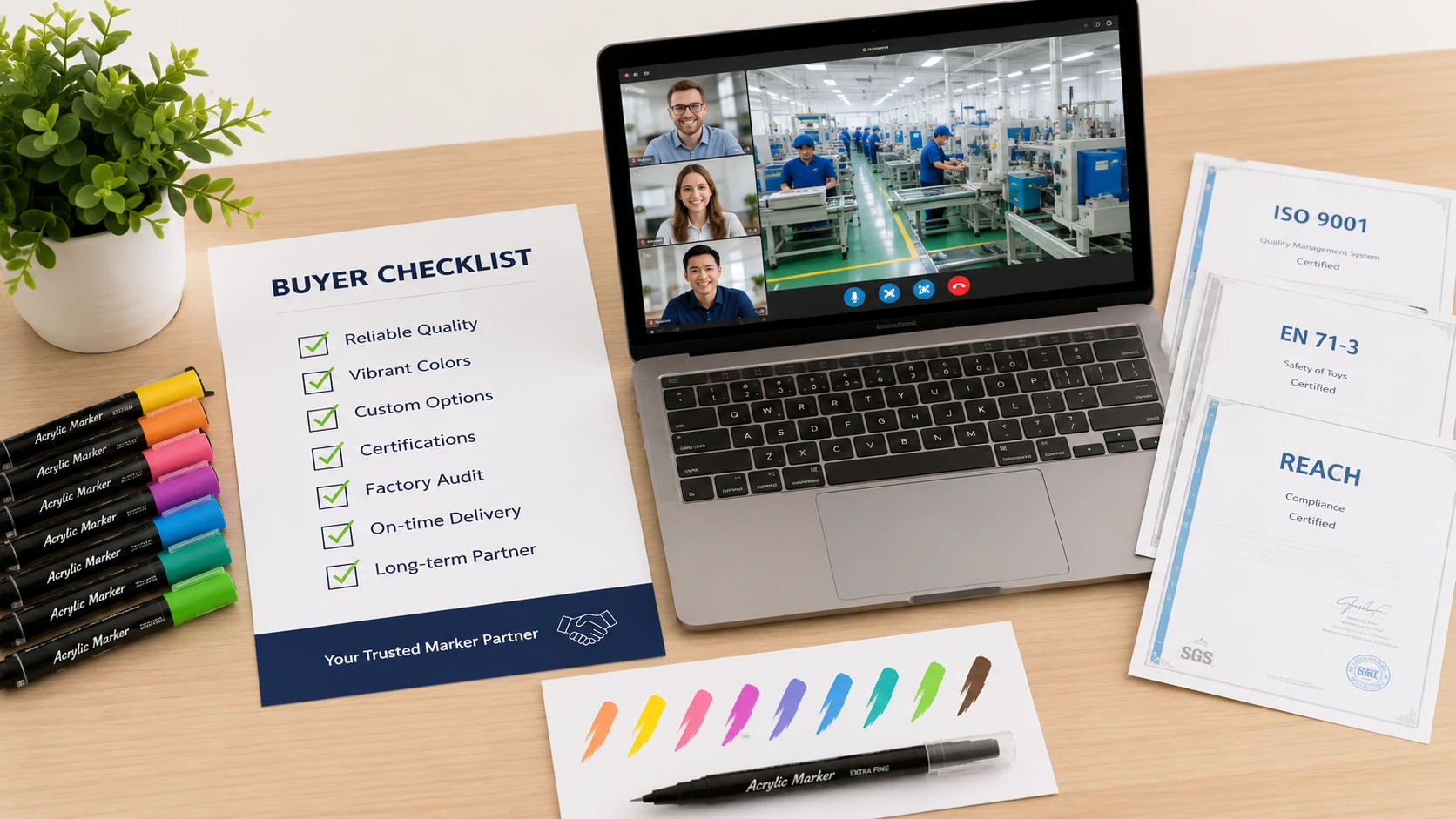
Sie haben Ihre Suche auf drei Fabriken eingegrenzt. Alle drei behaupten, Ihre maßgeschneiderten Acrylmarker herstellen zu können. Alle drei haben Muster geschickt, die in Ordnung aussehen. Alle drei haben ungefähr den gleichen Preis genannt. Wie wählen Sie diejenige aus, die auch bei Ihrer fünften Nachbestellung konstante Qualität liefert, nicht nur bei der ersten?
Eine Fabrik, die wie ein Hersteller von maßgefertigten Acrylmarkern Händler spricht, und eine Fabrik, die tatsächlich als Hersteller arbeitet, werden durch zehn Fragen getrennt. Die Antworten können nicht gefälscht werden. Ein Handelsunternehmen weicht aus, zögert hinaus oder gibt Ihnen etwas Vages, das gut klingt, aber nichts bedeutet. Ein echter Hersteller antwortet direkt und legt Unterlagen vor.
Den richtigen Hersteller für maßgeschneiderte Acrylmarker zu finden, bedeutet nicht, das niedrigste Angebot oder den schönsten Katalog auszuwählen. Es geht darum, die richtigen Fragen zu stellen und zu erkennen, welche Antworten auf echte Fertigungskapazitäten hindeuten und welche auf einen Zwischenhändler, der noch nie einen Produktionsboden betreten hat.
Inhaltsverzeichnis
Kurze Antwort: Checkliste für Hersteller von individuellen Acrylmarkern
Zehn Fragen, die Hersteller von Zwischenhändlern unterscheiden – eine Checkliste für Acrylmarker-Fabriken, die Sie bei Ihrer nächsten Lieferantenbewertung verwenden können:Wer stellt Ihre Tinte her?
- Eine Fabrik, die vorgemischte Tinte von einem Drittanbieter kauft, kann die Pigmentbeladung, Farbkonsistenz oder Chargenqualität nicht kontrollieren. Interne Tinten-F&E bedeutet dokumentierte Pigmentspezifikationen und Spektralphotometer-Messwerte pro Charge. Kann ich Ihre Ventilpressen-Montagelinie sehen?.
- Acrylmarker benötigen Ventilmechanismen. Keine Ventilmontagestation bedeutet ausgelagerte Ventile. Ausgelagerte Ventile bedeuten ausgelagerte Qualitätskontrolle für die Komponente, die am wahrscheinlichsten ausfällt. Was ist Ihre tatsächliche Mindestbestellmenge (MOQ) für eine Erstbestellung?.
- Die Mindestbestellmenge beträgt 3.000 einzelne Stifte je SKU und Farbe, also je Stiftmodell und Farbe. Die Menge wird in einzelnen Stiften und nicht in Sets gezählt.
- Kein Wandzertifikat. Tatsächliche Testdaten: Spektralphotometer-Messwerte, Viskosität, Kappenversiegelungsergebnisse, Spitzenabrieb. Keine Daten bedeuten keine Qualitätsverfolgung. Können Sie eine kundenspezifische Pantone-Farbe für meinen Stiftkörper und meine Tinte abgleichen?.
- Der Abgleich des Stiftkörpers ist Standard. Der Tintenabgleich erfordert interne Formulierung. Ja zum Stiftkörper, aber Zögern bei der Tinte bedeutet vorgemischte Tinte. Welche Spitzentypen und -materialien bieten Sie an?.
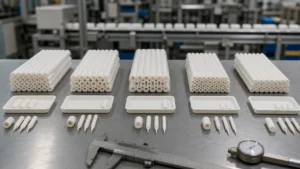
- Spezifische Materialien (Polyester, Acrylfaser, Nylon) und Formen (Rund, Meißel, Pinsel). "Wir haben viele Spitzen" bedeutet, dass sie aus einem Katalog beziehen, ohne die Kompatibilität zu testen. Können Sie mir Ihren Verpackungsdesignprozess zeigen?.
- Interne Verpackung produziert Muster mit Druckabzügen in Tagen. Ausgelagerte Verpackung fügt Wochen und Aufschläge hinzu. Welche Zertifizierungen besitzen Sie, und kann ich aktuelle Prüfberichte sehen?.
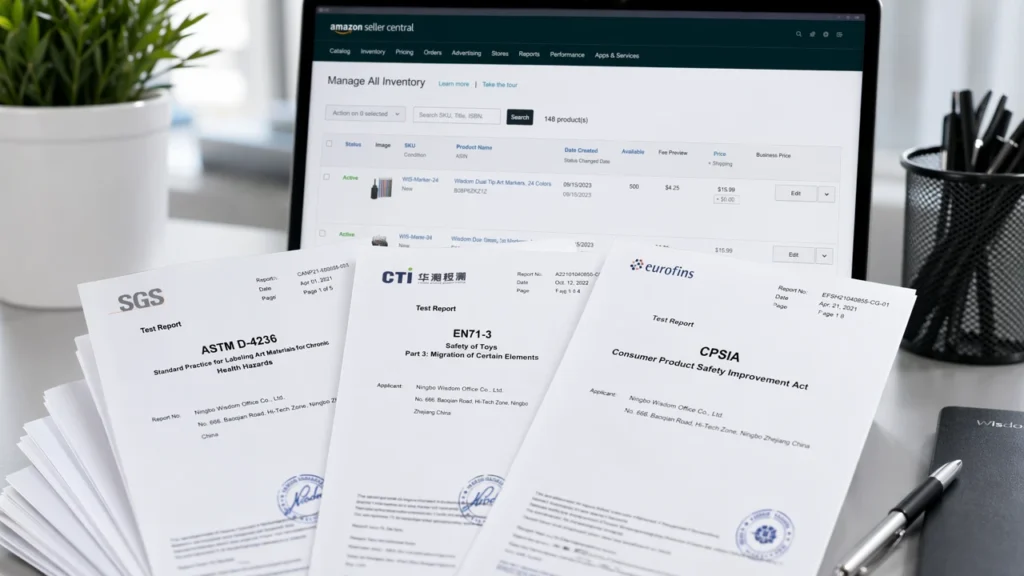
- ASTM D-4236 für die USA, EN71-3 für Europa. "Aktuell" bedeutet datiert innerhalb von 12 Monaten. "Prüfberichte" bedeutet PDFs von nach ISO 17025 akkreditierten Laboren, nicht ein Logo. Können Sie direkt an Amazon FBA versenden?.
- FBA-eingerichtete Fabriken stellen FBA-Kartonetiketten, FNSKU-Barcodes und Polybeutel-Warnhinweise ab Werk bereit. "Wir versenden an Ihren Spediteur" bedeutet, dass Sie die Etikettierung übernehmen. Werden Sie eine Vertraulichkeitsvereinbarung (NDA) unterzeichnen, bevor ich mein Design teile?.
- Zögern bei einer NDA bedeutet, dass die Fabrik geistiges Eigentum nicht ernst nimmt. Gehen Sie. Für Markeninhaber und Einkaufsmanager hilft das Verständnis dieser Faktoren, präzisere Beschaffungs- und Qualitätskontrollstandards festzulegen.
Checkliste mit zehn Fragen für Hersteller maßgeschneiderter AcrylmarkerDie Fragen, die Fertigungskapazität offenbaren.
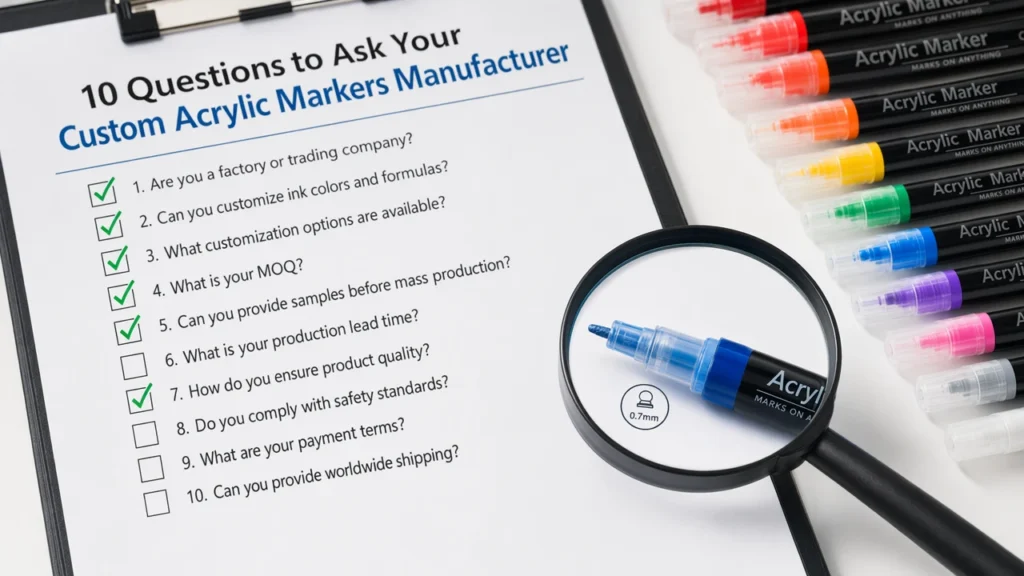
Vier Fragen auf dieser Checkliste trennen einen echten Hersteller maßgeschneiderter Acrylmarker zuverlässiger von einem Handelsunternehmen als die anderen. Wenn Sie eine Markerhersteller-Bewertung durchführen, sind dies die Fragen, die Antworten liefern, die Sie überprüfen können. Diese eine Frage allein verrät Ihnen mehr über die Fertigungstiefe als alles andere. Eine Fabrik mit interner Tinten-F&E besitzt den teuersten und technisch anspruchsvollsten Teil der Acrylmarker-Produktion: Pigmentbeladung, Farbabgleich, Chargenkonsistenz. Eine Fabrik, die vorgemischte Tinte kauft, kontrolliert nichts davon. Wenn der Drittanbieter eine Pigmentquelle ändert, entdeckt die Fabrik dies zur gleichen Zeit wie Ihre Kunden. Für jeden, der OEM-Acrylmarker in China beschafft, ist dies der erste Filter. ZH STATIONERY betreibt ein eigenes Tinten-F&E-Labor, das Formulierungen für Acryl-, Metallic- und Permanentmarker entwickelt, mit chargenbezogener Farbverifizierung anhand von Master-Referenzen.
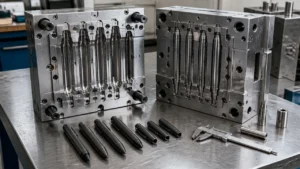
Kann ich Ihre Montagelinie sehen? Acrylmarker sind keine Standardmarker mit anderer Tinte. Sie benötigen einen Ventilmechanismus, der sich beim Drücken öffnet und beim Loslassen schließt. Das Ventil ist das Teil, das am wahrscheinlichsten ausfällt. Keine Ventilmontagestation bedeutet ausgelagerte Ventile. Jede Schicht zwischen Ihnen und dem Ventilhersteller ist eine Schicht, in der die Qualitätskontrolle zusammenbricht. Bitten Sie darum, die Linie in Betrieb zu sehen, nicht nur den Bereich für Fertigwaren.
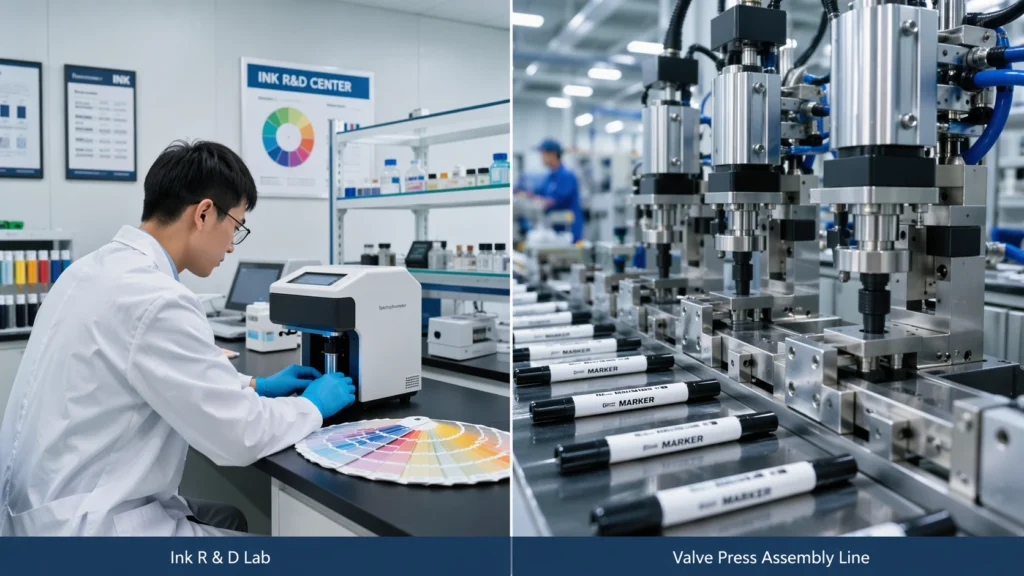
Eine Fabrik, die vorgemischte Tinte von einem Drittanbieter kauft, kann die Pigmentbeladung, Farbkonsistenz oder Chargenqualität nicht kontrollieren. Interne Tinten-F&E bedeutet dokumentierte Pigmentspezifikationen und Spektralphotometer-Messwerte pro Charge. Können Sie chargenbezogene Qualitätskontroll-Daten aus einer aktuellen Produktionscharge bereitstellen?Ein Hersteller, der Qualität verfolgt, hat dies bereit. Spektralphotometer-Messwerte pro Farbe. Viskosität pro Charge. Kappenversiegelungs-Vakuumergebnisse. Spitzenabriebdaten. Ein Hersteller, der Qualität nicht verfolgt, bietet ein zwei Jahre altes Zertifikat für ein anderes Produkt an. Die Lücke zwischen "wir sind zertifiziert" und "hier sind die Daten Ihrer Charge" ist die Lücke zwischen Marketing und Fertigung.Jede Fabrik behauptet ASTM D-4236. Nur wenige können einen datierten Bericht eines nach ISO 17025 akkreditierten Labors vorlegen, der sich auf die spezifische Tinte bezieht, die Sie bestellen. Amazon wird danach fragen. Europäische Einzelhändler werden nach EN71-3 fragen. US-Schulbezirke werden nach CPSIA fragen. Ein allgemeines Zertifikat ohne Datum und ohne Produktbezug ist für Ihre Sendung nicht gültig. ZH STATIONERY stellt chargenbezogene Compliance-Dokumentation bereit, die an tatsächliche Produktionsläufe gebunden ist, mit aktuellen Berichten, die sich auf Ihre spezifische SKU und Tintenformulierung beziehen.Tinten-F&E-Labor und Ventilpressen-MontagelinieBei der Entwicklung von Acryl-Paint-Markern unter Eigenmarke unterteilt sich die Individualisierung in Stufen. Wissen Sie, welche Änderungen Standard sind und welche Formkosten auslösen, bevor das Angebot eintrifft.
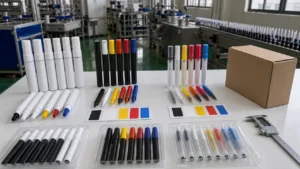
Der Abgleich der Stiftkörperfarbe nach Pantone oder RAL ist Standard. Die meisten Fabriken beziehen ihn in die OEM-Preisgestaltung ein. Die Kosten sind die Mindestpigmentmenge für kundenspezifische Farben, nicht der Produktionsprozess. Ventildruck- Der Logodruck ist Standard. Siebdruck für einfarbig. UV-Druck für mehrfarbig. Tampondruck für kleine, präzise Markierungen. Die Einrichtungskosten sind die Druckplatte oder das Sieb. Die Stückkosten sind vernachlässigbar. Die Verpackung ist Standard, kostet aber mehr als Käufer erwarten. Eine Box mit Schaumstoffeinsatz verursacht echte Stückkosten. Eine Blisterkarte kostet weniger. Eine einfache Hülle kostet fast nichts. Lassen Sie sich die Verpackungskosten von den Stückkosten des Markers trennen. federbelasteten Kolben Kundenspezifische Tintenfarbe.
Können Sie Chargen-Qualitätskontrolle Daten aus einer aktuellen Produktionscharge? A manufacturer that tracks quality has this ready. Spectrophotometer readings per color. Viscosity per batch. Cap-seal vacuum results. Nib abrasion data. A manufacturer that does not track quality offers a two-year-old certificate covering a different product. The gap between “we are certified” and “here is the data from your batch” is the gap between marketing and manufacturing.
ASTM D-4236 für die USA, EN71-3 für Europa. "Aktuell" bedeutet datiert innerhalb von 12 Monaten. "Prüfberichte" bedeutet PDFs von nach ISO 17025 akkreditierten Laboren, nicht ein Logo. Jede Fabrik behauptet ASTM D-4236. Nur wenige können einen datierten Bericht von einem nach ISO 17025 akkreditierten Labor vorlegen, der sich auf die spezifische Tinte, die Sie bestellen. Amazon wird fragen. Europäische Einzelhändler werden nach EN71-3 fragen. US-Schulbezirke werden nach CPSIA fragen. Ein allgemeines Zertifikat ohne Datum und ohne Produktreferenz ist nicht gültig für Ihre Sendung. ZH STATIONERY stellt Chargen-bezogene Konformitätsdokumentation bereit, die mit tatsächlichen Produktionsläufen verknüpft ist, mit aktuellen Berichten, die sich auf Ihre sBestimmte SKU und Tintenformulierung.
Individualisierung von Acrylmarkern für Eigenmarken: Was Sie ändern können und welche Extrakosten anfallen
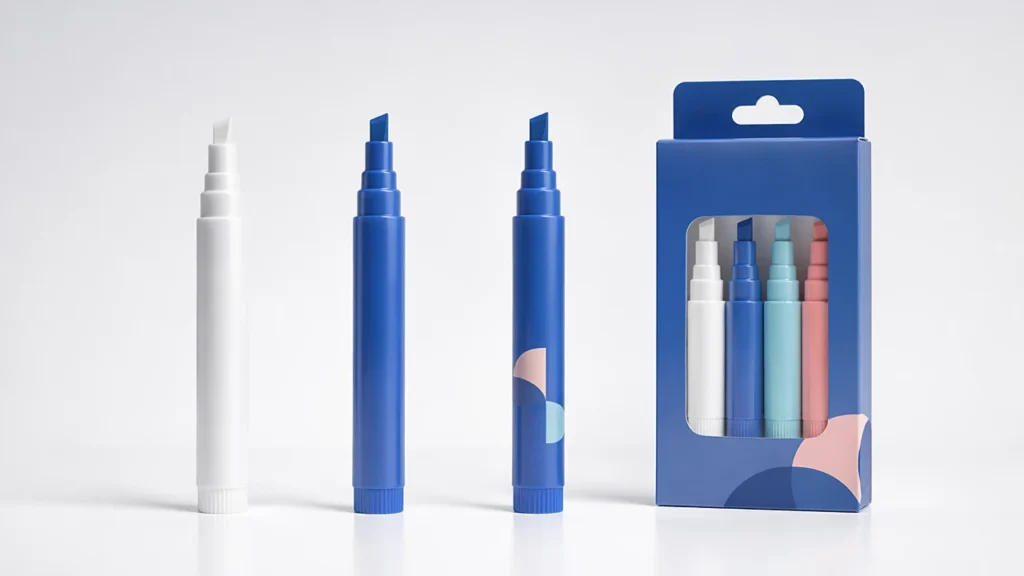
Bei der Entwicklung von Handelsmarken-AcrylMarker, die Anpassung ist in Stufen unterteilt. Wissen Sie, welche Änderungen Standard sind und welche Formkosten auslösen, bevor das Angebot eintrifft.
Behälterfarbabstimmung to PanTon oder RAL ist Standard. Die meisten Fabriken sind in OEM-Preisen enthalten. Die Kosten sind die Mindestpigmentmenge für kundenspezifische Farben, nicht der Produktionsprozesss.
Logodruck ist Standard. Siebdruck für einfarbig. UV für mehrfarbig. Tampondruck für kleine, präzise Markierungen. Einrichtungskosten sind die Platte oder der Schirm. Pro Stück Kosten ist vernachlässigbar.
Individuelle Verpackung ist Standard, kostet aber mehr als Käufer erwarten. Eine Schachtel mit Schaumstoffeinsatz fügt echte Stückkosten hinzu. Eine Blisterkarte fügt weniger hinzu. Eine SEine einfache Hülse fügt fast nichts hinzu. Lassen Sie sich die Verpackungskosten getrennt von den Stückkosten des Markers ausweisen.
Individuelle Tintenfarbe benötigt hausinterne Tinten-F&E. Eine Fabrik, die vorgemischte Tinte kauft, kann dies nicht leisten. Eine Fabrik mit einem Tintenlabor kann Ihre Markenfarbe anpassen, mit einem Spektralphotometer-, überprüfen und die Rezeptur sperren. Die Vorlaufzeit für die Erstbestellung ist aufgrund der Rezeptur und Bemusterung länger.
Entwicklung kundenspezifischer Formen ist die teuerste Stufe. Neue Laufradform, Kappe oder Spitzengehäuse benötigen eine Präzisionsstahlform. Die Formkosten sind vom Stückpreis getrennt. Sie besitzen die Form. Verteilt auf das Bestellvolumen. Bei 2.000 Stück ist die Belastung pro Stückhoch. Bei 20.000 Stück verschwindet sie.
ZH STATIONERY produziert jährlich über 2.000 neue SKUs in verschiedenen Verpackungsformaten, Laufraddesigns und Tintenrezepturen. Dieses Volumen bedeutet etablierte Arbeitsabläufe für jede Stufe, was die Vorlaufzeit und Kosten im Vergleich zu einer Fabrik, die gelegentlich kundenspezifische Projekte bearbeitet, reduziert.
Warnsignale, die auf ein Handelsunternehmen und nicht auf einen Hersteller von maßgefertigten Acrylmarkern hindeuten
Einige Warnsignale sind subtil. Andere sind offensichtlich, sobald man danach sucht. Wenn Sie einen kundenspezifischen Acrylmarker Hersteller für Ihre nächste Produktlinie bewerten, unterscheiden diese fünf Signale echte Fabriken von Zwischenhändlern.
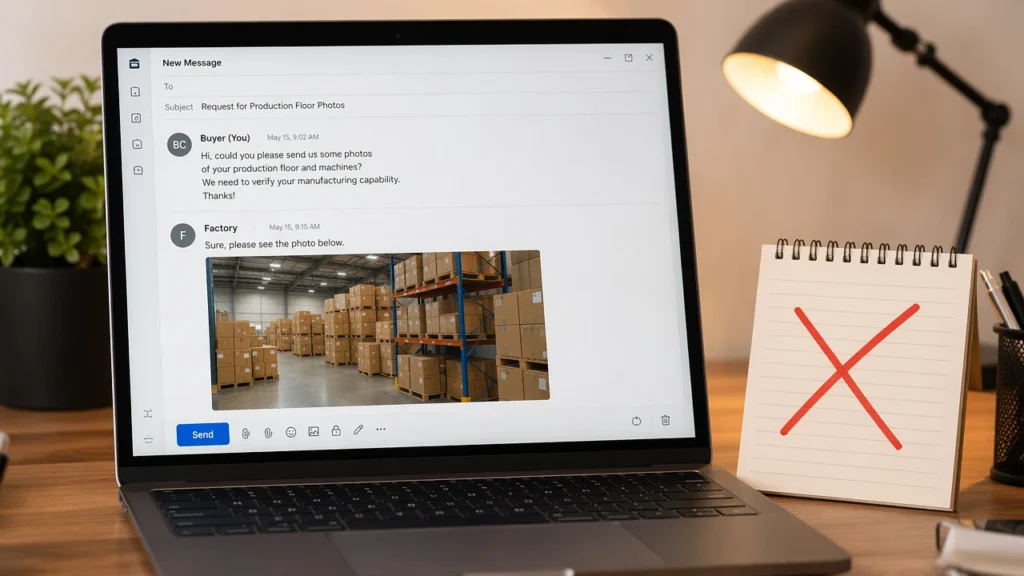
Kein Video-Rundgang durch die Produktionshalle. Jeder echte Hersteller kann Spritzguss, Tintenmischung, Spitzenmontage, Befüllung, Qualitätskontrolle zeigen. Ein Handelsunternehmen zeigt ein Lager oder beruft sich auf Vertraulichkeit. Vertraulichkeit deckt Kundenprojekte ab. Niemals die Produktionshalle.
Jede Mindestbestellmenge (MOQ) Anfrage, die Sie stellen, ohne Diskussion. Ein echter Hersteller hat ein Minimum basierend auf wirtschaftlichen Faktoren. Wenn Sie 500 Stück anfragen und sie sofort zustimmen, ohne einen höheren Stückpreis oder eine halbkundenspezifische Diskussion, sind sie entweder ein Handelsunternehmen, das überall einkauft, oder ein Hersteller, der keine Ahnung von den Bestellkosten hat.
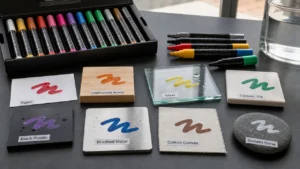
Kann den Pigmenttyp nicht nennen. Ein Hersteller, der Tinte formuliert, kennt: Die Spitzenqualität hängt von der Abriebfestigkeit ab: wie viele Meter Malen, bevor die Spitze Verschleiß zeigt, sich verformt oder weniger Farbe abgibt. Hochwertige Acryl-Paint-Marker sollten über das gesamte Farbvolumen hinweg konsistent funktionieren, nicht auf halbem Weg nachlassen. für Weiß, Ruß für Schwarz, Chinacridon für Magenta, Phthalocyanin für Blau und Grün. Ein Handelsunternehmen kennt den Farbnamen auf der Kappe.
Muster und Produktionscharge stimmen nicht überein. Ein Handmuster unter idealen Bedingungen sieht immer besser aus als ein Produktionsmuster. Ein guter Hersteller produziert ein produktionslinienidentisches Muster. Fehlerfreies Muster, sichtbare Farbabweichung in der Charge bedeutet, dass die Fabrik Qualität nicht in großem Maßstab reproduzieren kann. Dies ist die wichtigste Bewertung des Markerherstellers.
Zögern bei einer NDA. Ein kundenspezifischer Acrylmarker-Hersteller, der geistiges Eigentum ernst nimmt, unterzeichnet NDAs als Standardpraxis. Zögern bedeutet Unerfahrenheit mit internationalen Kunden oder mangelnde Bereitschaft, rechtlich gebunden zu sein. Beidessind Probleme.
Häufig gestellte Fragen
Was ist der Unterschied zwischen einem Hersteller von maßgefertigten Acrylmarkern und einem Handelsunternehmen?
Ein Hersteller besitzt Spritzguss, Tintenformulierungoder Befüllung, Spitzenmontage und Qualitätskontrolle im Haus. Ein Handelsunternehmen kauft Fertigwaren von Fabriken und verkauft sie weiter. Handelsunternehmen fügt Aufschlag hinzuohne Qualitätskontrolle. Hersteller kontrolliert die Qualität durch Kontrolle der Produktion. Bitten Sie, das Tintenlabor und die Ventillinie zu sehen. Ein Hersteller zeigt beides.
Wie kann ich überprüfen, ob die Zertifizierungen einer Fabrik echt sind?
Fordern Sie aktuelle, datierte PDF-Testberichte von ISO 17025-akkreditierten Laboren an: SGS, Intertek, TUV, BV. Der Bericht muss sich auf Ihre spezifische SKU und Tintenrezeptur beziehen. Ein allgemeines Zertifikat ohne Datum, ohne Labor, ohne Produktbezug ist ungültig. Eine Fabrik, die zögert, hat sie nicht.
Was ist die typische Mindestbestellmenge für individuelle Acrylmarker?
Die Mindestbestellmenge beträgt 3.000 einzelne Stifte je SKU und Farbe, also je Stiftmodell und Farbe. Die Menge wird in einzelnen Stiften und nicht in Sets gezählt.
Wie lange dauert die Entwicklung eines maßgefertigten Acrylmarkers?
Standard (Logo auf vorhandenem Laufrad, kundenspezifische Verpackung): 25 bis 35 Tage ab Designfreigabe. Kundenspezifische Tintenfarbe: 10 bis 15 Tage zusätzlich für Rezeptur und Bemusterung. Kundenspezifische Form: 15 bis 25 Tage zusätzlich für Design und Fertigung. Eilaufträge möglich für Nachbestellungen mit vorhandenen Formen und Rezepturen.
Kann ich Exklusivität für mein individuelles Design erhalten?
Ja, durch Formbesitz und NDA. Sie bezahlen die Form, Sie besitzen sie. Die Fabrikkann Ihr Design für niemand anderen produzieren. Die NDA schützt Ihre Spezifikationen, Grafiken und Rezepturen. Beides ist Standardpraxis bei einem professionellen kundenspezifischen Acrylmarker-Hersteller.
Welche Unterlagen benötige ich, um maßgefertigte Acrylmarker auf Amazon zu verkaufen?
ASTM D-4236-Konformität mit der Aussage auf der Verpackung. EN71-3 für europäische Märkte. CPSIA-Zertifikate für Kinderprodukte. Alle Berichte aktuell, datiert, von ISO 17025-akkreditierten Laboren. Amazon kann diese während der Listungsprüfung oder nach einer Sicherheitsbeschwerde anfordern. Kontaktieren Sie ZH STATIONERY, um Ihr Projekt zu besprechen, chargenbezogene Qualitätskontrollunterlagen anzufordern und zertifizierte Testberichte für Ihre Produktspezifikationen zu erhalten.
Der richtige kundenspezifische Acrylmarker-Hersteller ist nicht das günstigste Angebot. Es ist derjenige, der jede Frage dieser Checkliste mit spezifischen, dokumentierten Informationen beantwortet, nicht mit Marketing-Sprache. Kontaktieren Sie ZH STATIONERY , um das Gespräch zu beginnen und eine Fabrikvorstellung anzufordern.
Verwandter Leitfaden: Für einen weiteren Einblick in die Fertigungskapazität und Prozesskontrolle, siehe Wie man mit chinesischen Stiftfabriken über die Mindestabnahmemenge verhandelt, ohne die Beziehung zu belasten.
Weiterführende Literatur
- Marker-Stift-Fabrik-Audit-Checkliste: 25 Prüfpunkte vor Ihrer OEM-Bestellung
- Wie man private Label Acrylmarker aus China beschafft: Ein Leitfaden für Amazon-Verkäufer
- Checkliste zur Musterfreigabe für Eigenmarken-Markerbestellungen
- TOP 7 BESTE MARKERSTIFT-HERSTELLER IN CHINA FÜR 2026
- Die 5 größten Stifthersteller in China: Der ultimative Beschaffungsleitfaden für 2026
Externe Referenz: ISO-Qualitätsmanagement-Ressourcen.