
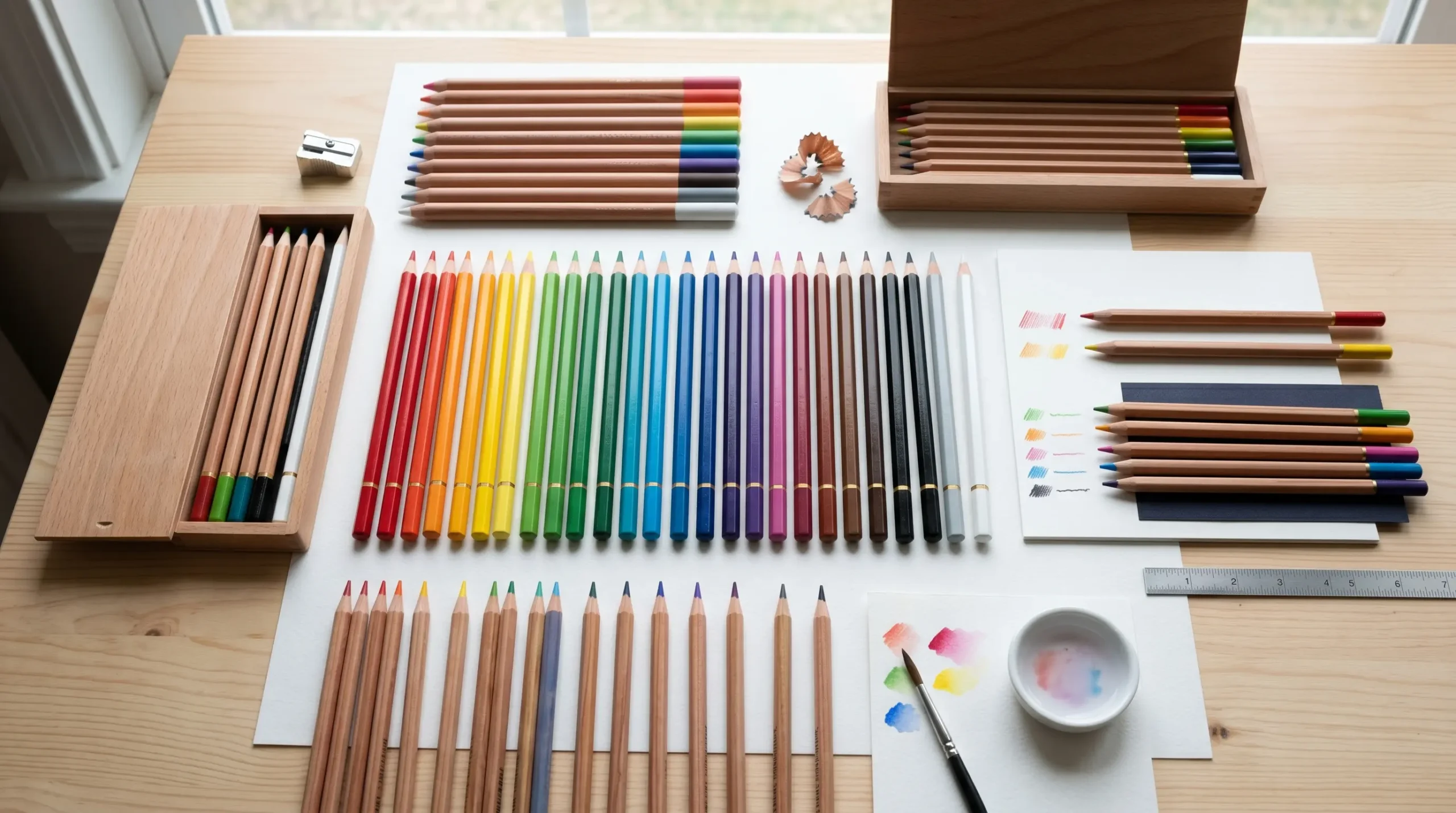
彩色鉛筆適用於課堂繪圖、成人著色和插畫。不同使用者需要不同的筆芯硬度、混色表現和紙張適配性。批發選購時,應在樣品上比較這些特性。不要將未經證實的銷量聲明視為需求證明。
以下是一份簡單指南,幫助您了解彩色鉛筆的類型,以及如何為您的客戶挑選合適的產品。
1. 彩色鉛筆的四大主要類型
我們將彩色鉛筆市場分為四大類。以下是它們的簡介與功能:
| 類別 | 具體類型 | 繪畫效果與特性 |
| 標准彩色 | 經典油性 | 色彩鮮艳,筆芯中等硬度。非常適合繪制細節與大面積區域。不易擦除。 |
| 可擦式 | 功能類似經典鉛筆,但可擦除!非常適合儿童、手賬使用者以及需要快速修正而不損壞紙張的情况。 | |
| 專业級(硬質) | 最適合精細細節。具有優异的耐光性(顏色不会随時間褪色)。非常適合色彩叠加。 | |
| 專业級(軟質) | 筆芯較軟,易于著色。混色效果出色。高耐光性,適用于高品質專业藝術作品。 | |
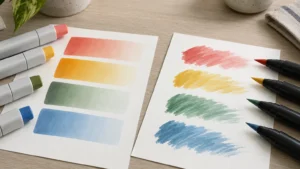
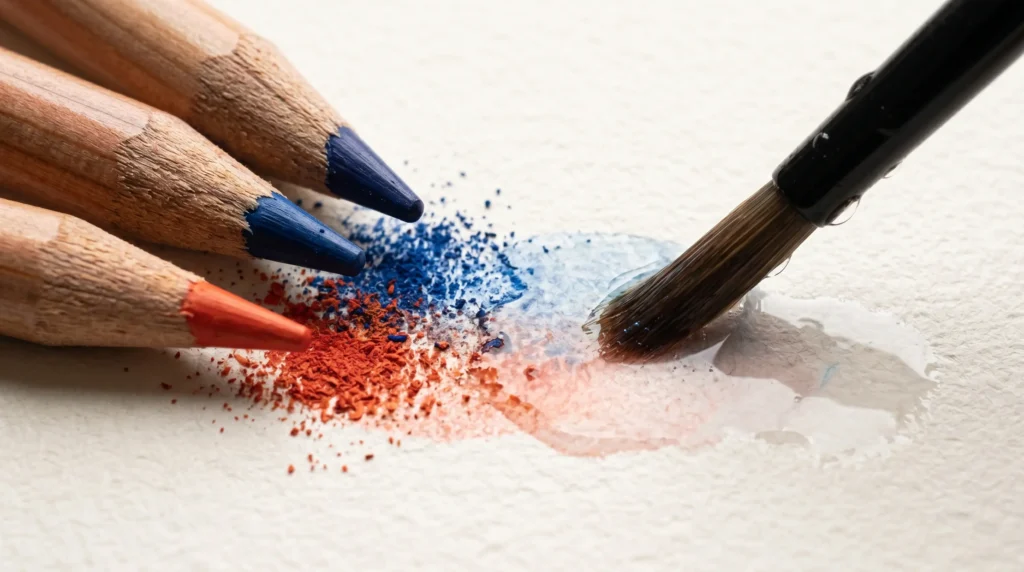
| 水彩 | 水溶性 | 乾燥時顏色正常,但用水筆刷塗抹后会變成透明 水彩顏料 ! |
| 粉彩/炭筆 | 粉彩鉛筆 | 手感類似粉筆,但更易控制。易于混色,具有復古外觀,但筆芯稍顯脆弱。 |
| 特殊用途 | 玻璃與陶瓷 | 筆芯堅硬,用于在玻璃或光滑陶器表面留下清晰標記。 |
| 釉下彩 | 耐高溫!用于在生陶坯進入高溫窑炉前進行繪制。 | |
| 織物/裁縫 | 用于在縫纫時標記衣物和布料。顏色可安全地用水洗去。 |
2. 如何選擇合適的彩色鉛筆
不同使用者需要不同的鉛筆。以下根據使用者類型列出挑選重點:
- 針對学生與初学者(軟質鉛筆)
- 手感: 柔軟順滑。
- 色彩: 鮮艳、清晰,且非常易于在紙上著色。
- 性能: 顏色均匀塗抹,極少出現白色空隙。可叠加色彩多達10次而不会造成混乱!
- 針對办公人員與手賬使用者(可擦式鉛筆)
- 手感: 與普通彩色鉛筆類似。
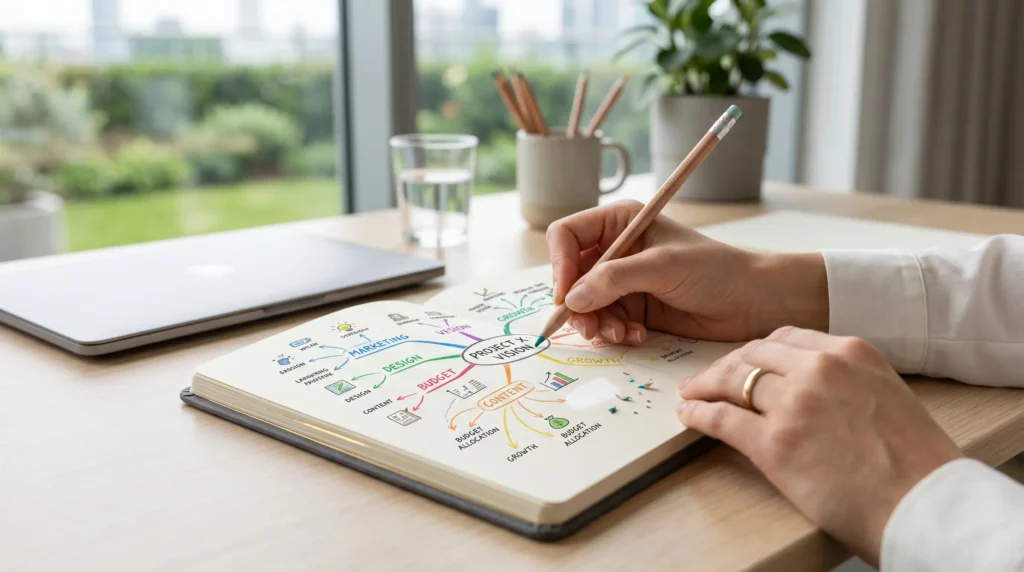
- 使用場景: 非常適合思維導圖、設計、記筆記或制作子彈筆記。若出現錯誤,只需快速擦除即可!
- 針對專业藝術家(軟質鉛筆)
- 手感: 極其順滑細腻。
- 性能: 鉛筆粉塵不会粘附在紙上造成污損。易于混色,能良好覆蓋深色,且不会随時間在陽光下褪色。
- 針對專业藝術家(硬質鉛筆)
- 手感: 清晰干净。
- 性能: 非常適合繪制非常微小、锐利的細節(如毛發或動物皮毛)。叠加性能良好,藝術家可構建深邃豐富的色彩。
與ZH STATIONERY合作
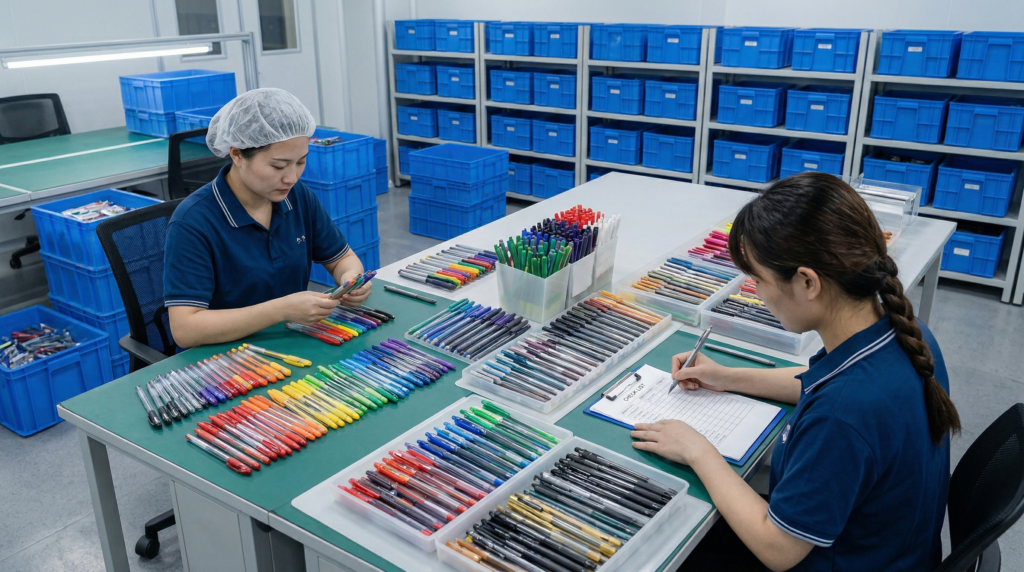
無論您要採購高級麥克筆、滑順的膠墨筆,還是追蹤彩色鉛筆趨勢,ZH STATIONERY 都是您的原廠直供合作夥伴。我們生產高品質書寫用品,並提供完善的批發支援。請參閱 產品範圍, ,以及 膠墨筆系列,或 聯絡我們 以升級您的產品目錄並取得工廠直銷價格。
色鉛筆常見問題(FAQ)
問:軟質和硬質彩色鉛筆有何不同?答:軟質鉛筆的筆芯較滑順,適合混色和呈現鮮豔飽和的色彩。硬質鉛筆能長時間保持尖銳筆尖,最適合描繪頭髮、毛皮或銳利線條等細節。
問:水溶性彩色鉛筆可以不加水使用嗎?答:可以。您可以像一般彩色鉛筆一樣乾用。但當您在畫作上刷上一點水後,才能真正展現其魔力,色彩會暈染成柔和清透的水彩效果。
問:你們提供批發訂單的客製化彩色鉛筆嗎?答:是的。作為直接製造商,ZH STATIONERY 提供完整的 OEM 服務。我們可以更改鉛筆顏色、在筆桿上印製您的品牌標誌,並為大量訂單設計客製化包裝。
問:工廠直銷訂單的 MOQ 是多少?答:MOQ 取決於 SKU、顏色數量和包裝。對於客製化 OEM/ODM 方案,最低訂購量為每筆訂單 50,000 支筆,以生產的個別筆總數計算。無論您採購彩色鉛筆、高級麥克筆或中性筆,請聯繫我們的銷售團隊,以獲得快速、準確的報價,滿足您的需求。
相關指南: 如需更多市場背景資料,請参閱 經典黑板材質.
相關閱讀
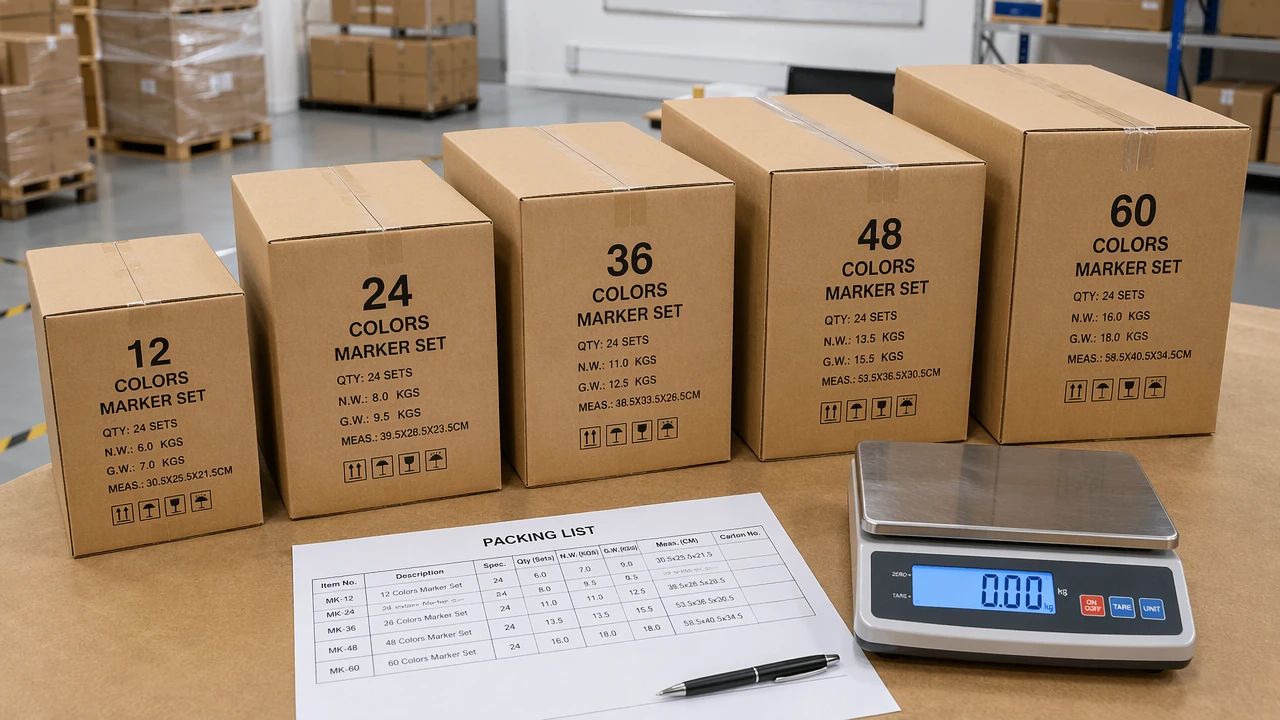
客製化 OEM/ODM 方案的最低訂購量為每筆訂單 50,000 支筆,以生產的總筆數計算。以 12 色套裝為例,約等於 4,200 套,而非每種顏色 50,000 支。標準庫存型號可以較小的試單數量進行採樣。
Wax-Based and Oil-Based: The Two Manufacturing Families
Almost every colored pencil on the market falls into one of two families, and the difference is not marketing language — it is a different binder chemistry with different behavior on paper.
Wax-based. Paraffin or microcrystalline wax carries the pigment. The pencil lays down color easily, blends well, and is forgiving for beginners. The tradeoff is bloom: wax rises to the surface over time and creates a whitish haze that can only be removed by buffing or a fixative. Wax cores are also softer and more prone to breaking in transit.
Oil-based. A drying oil replaces most of the wax. The core is harder, holds a point longer, and produces more saturated color with less pressure. Oil pencils do not bloom, and they layer more predictably because each layer sets rather than staying soft. The tradeoff is cost and a slightly drier feel that some artists find less pleasant.
For buyers, the practical question is which failure mode matters more. A wax pencil that blooms on a retail shelf after six months is a returns problem. An oil pencil that costs 40 percent more at the factory is a margin problem. Neither is wrong; they serve different channels.
Water-Soluble Pencils and the Brush Question
Water-soluble pencils use a binder that redissolves when wet. Draw dry, then apply a damp brush, and the line spreads into a wash. It is a hybrid tool that sits between a pencil and a watercolor pan.
The behavior depends heavily on the binder ratio. A pencil with high water solubility produces dramatic washes but lays down weakly when dry. A pencil with low solubility draws like a normal pencil and only washes faintly. Most retail sets sit in the middle, which means they do neither extreme particularly well.
For buyers, water-soluble sets are a distinct SKU rather than a variation of a standard set. The packaging has to explain the technique, and the included brush or the absence of one changes the perceived value. A set sold without a brush and without clear instructions generates support questions.
Hardness Grades and What They Actually Mean
Colored pencil grading is not standardized the way graphite grading is. A “2B” on one brand does not mean the same thing as a “2B” on another, and there is no equivalent of the pencil-grade ladder that governs graphite.
What manufacturers actually control is pigment load and binder hardness. A higher pigment load gives more saturated color but softens the core. A harder binder holds a point but lays down less color per stroke. The grade label is a shorthand for where a given product sits on that tradeoff, not a universal scale.
The practical consequence for buyers is that grades are not comparable across suppliers. When evaluating two factories, compare actual samples on the same paper at the same pressure. A grade label comparison tells you nothing.
Matching Type to Use Case
Four common programs and the type that fits each.
School sets. Wax-based, 12 to 24 colors, hard enough to survive a backpack. Break resistance matters more than lightfastness. Cost per unit drives the decision.
Adult coloring books. Wax-based or a wax-oil blend, 36 to 72 colors, soft enough for blending and burnishing. The buyer cares about color range and smooth laydown; shelf life bloom matters because these sets sit on retail shelves for months.
Artist and illustration sets. Oil-based, 48 to 120 colors, high lightfastness ratings on most colors. The buyer will check the Blue Wool rating by color and will notice if eight colors in a 72-color set rate poorly.
Watercolor hybrid sets. Water-soluble, usually 24 to 48 colors, packaged with a brush and technique instructions. A distinct SKU with its own positioning.
常見問題解答
Is oil-based always better than wax-based? No. Oil-based holds a point and avoids bloom, but it costs more and feels drier. Wax-based is more forgiving and blends more easily for beginners.
What causes the white haze on old colored pencils? Wax bloom. It is a surface phenomenon, not mold, and it can be buffed off or prevented with a fixative.
Are hardness grades comparable between brands? No. There is no standardized colored pencil grading scale. Compare samples, not labels.
What is the MOQ for a custom colored pencil set? Stock bodies with custom packaging typically start at 3,000 to 5,000 sets. Custom barrel profiles or new tin formats raise the floor because of tooling and print setup.

The core inside a pencil comes from a specialist supplier in most cases. See our review of roll-wrapped pen core suppliers in China for how core sourcing works.