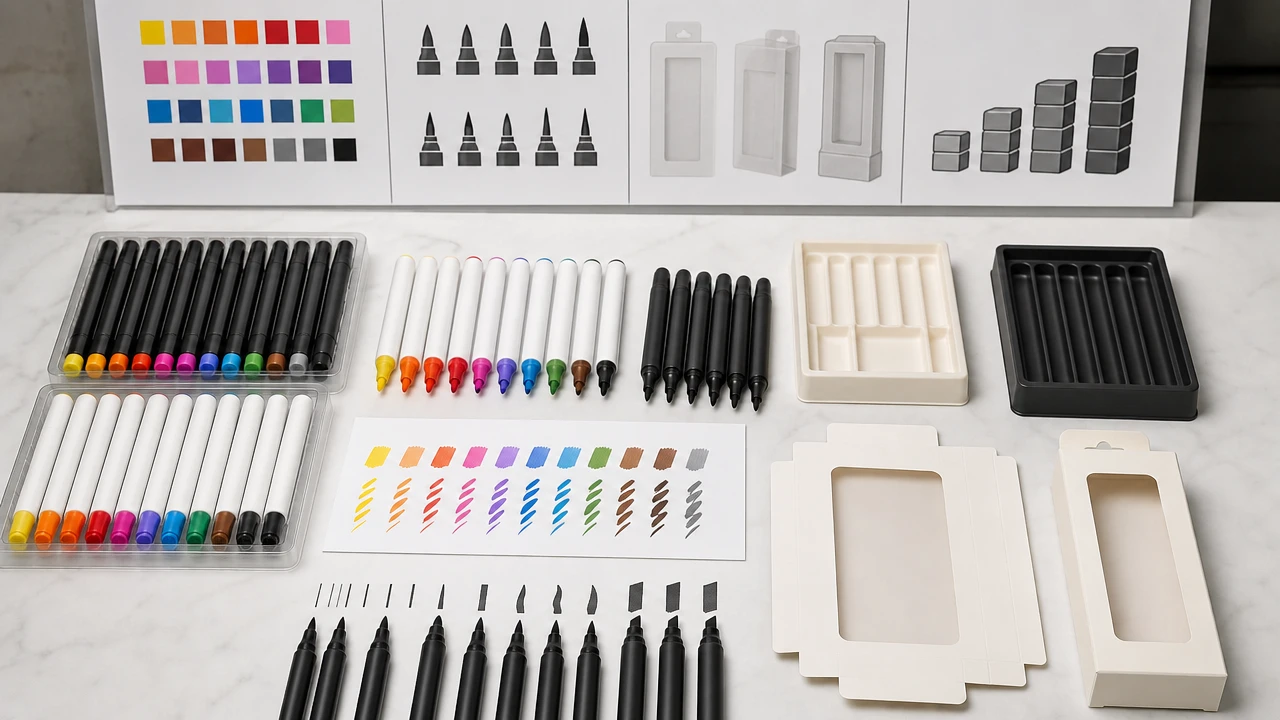
訂製馬克筆套裝並非單純將散裝筆放入新包裝盒。色彩架構、墨水系統、筆尖組合、筆桿、筆蓋、編號、托盤、說明書、外箱及合規文件必須作為一個整體運作。任何一個元素的變更都可能影響成本、交期、測試及客戶投訴。.
本採購指南協助自有品牌建立詢價單,讓工廠能準確報價。同時說明為何現貨筆款搭配訂製包裝,與全新配方、全新色庫、雙頭筆身或訂製模具的成本結構不同。.
從使用者與通路出發,然後參考ZH Stationery的 linha de produtos de marcadores e 馬克筆套裝顏色數量選擇指南 在索取樣品前先縮小產品架構範圍。.
Resposta Rápida
若要打造最快且風險最低的訂製馬克筆套裝,請從已驗證的現有筆款平台開始,選擇實用的顏色數量,採用經實測的筆尖與墨水,加上品牌印刷與訂製彩盒,最後確認簽署樣品。當專案涉及新顏色、訂製筆桿顏色、新筆尖、特殊效果、獨家模具、授權圖案、複雜配色組合或特定市場測試時,成本會隨之上升。.
請分別索取馬克筆本體、筆桿印刷、包裝及外箱的獨立成本與價格級距。單一總價會掩蓋實際推動最低訂購量的成本項目。.
Links Rápidos
在選擇顏色前先建立採購簡報
對於訂製馬克筆套裝,簡報應在報價前鎖定使用者、書寫表面、銷售通路、產品宣稱、套裝數量及包裝假設。.
| 決策項目 | 需回答的問題 | 為何影響報價 |
|---|---|---|
| 目標使用者 | 兒童、學生、業餘藝術愛好者、專業插畫家、手工創作者、工業使用者? | 決定墨水定位、筆尖選擇、警告標語、年齡分級及合規審查。. |
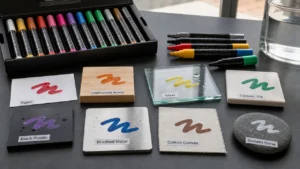
| 主要書寫表面 | 紙張、玻璃、石材、木材、布料、塑膠、帆布、白板? | 改變墨水系統、不透明度、乾燥時間、附著力及使用說明。. |
| 銷售通路 | 零售、Amazon、經銷商、學校招標、訂閱盒、促銷贈品? | 改變包裝保護、條碼、插卡、產品宣稱及測試要求。. |
| 套裝數量 | 6、12、24、36、48支,或訂製配色組合? | 改變顏色規劃、托盤、內盒、外箱利用率及庫存風險。. |
| 訂製程度 | 現貨產品、訂製印刷、訂製顏色、配方、筆尖、模具或完整ODM? | 決定模具費用、材料最低量、開發時間及驗證工作。. |
一份完整的簡報應包含目標零售價及參考競品,但不要要求工廠仿冒受保護的品牌或圖案。同時應註明哪些產品宣稱重要,例如不透明、快乾、可水洗、永久性、低氣味、耐光性或適用多種表面。每一項宣稱都需要對應的測試方法與標準值。.
選擇顏色與套裝數量
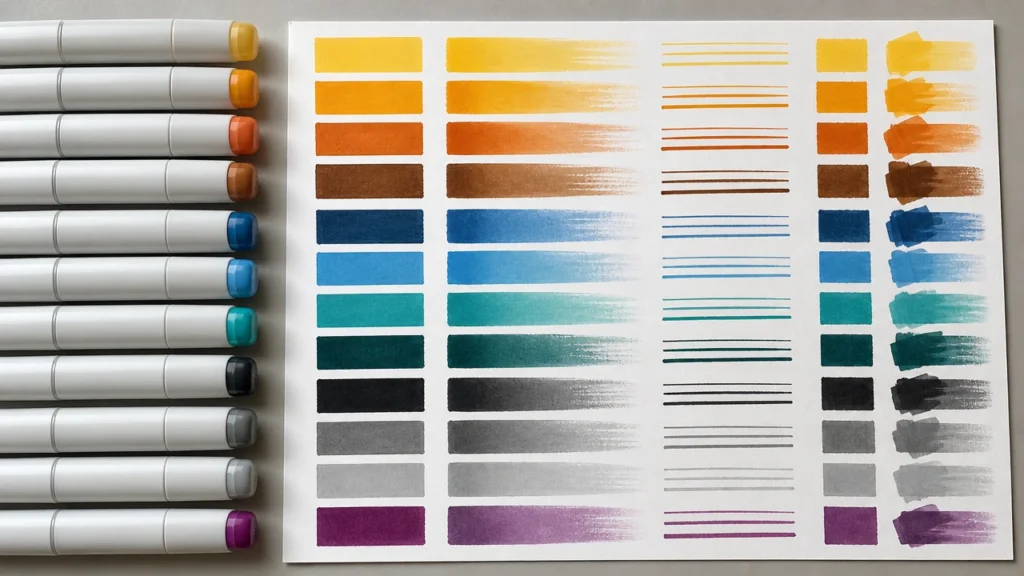
訂製馬克筆套裝的顏色規劃應從使用情境分組及編號主色卡開始,而非隨機挑選顏色。.
更多顏色能提升貨架吸引力,但也代表更多墨水批次、更多筆蓋與尾塞顏色、更多編號、更多填充換線次數、更多庫存,以及更多裝錯配色的風險。一組24色且配色均衡的套裝,表現可能勝過一組充斥近似色的48色套裝。.
| 套裝策略 | Melhor Para | 買家考量 |
|---|---|---|
| 核心色系 | 學校、手工、初學者、促銷及大眾零售套裝 | 三原色、二次色、黑色、白色(如適用)、棕色、膚色及實用的亮色系。. |
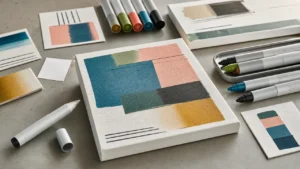
| 漸層色系 | 插畫及酒精馬克筆使用者 | 淺中深色系家族、混色相容性、編號邏輯及色卡對照表。. |
| 表面專用色系 | 壓克力及油漆馬克筆套裝 | 淺色與深色表面的不透明度、金屬色、白色、黑色及特殊色。. |
| 主題色系 | 季節限定、粉彩、螢光、膚色、風景或授權系列 | 明確用途、無混淆的近似色,並有清楚的替換色規劃。. |
| 混合效果套裝 | 禮品及手工藝通路 | 一般色、金屬色、亮粉、描邊或螢光效果需分別設定性能標準。. |
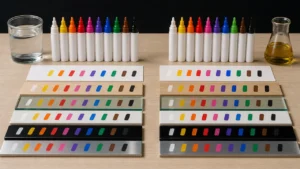
每個核准的色號都應建立簽署的主色卡。使用標準底材、塗佈方式、乾燥時間及檢視光源。ZH Stationery的 馬克筆顏色一致性指南 說明為何僅靠數位色值或螢幕影像無法控制墨水顏色。.
選擇筆尖與筆桿形式
訂製馬克筆套裝的筆尖系統必須符合預期的線條粗細、墨水流量、使用者技術水平及更換政策。.
| 筆尖形式 | 使用情境 | 成本風險 |
|---|---|---|
| 細圓頭 | 書寫、描邊、細節、學校及一般美術用途 | 筆尖磨損、刮感,以及高色素墨水流量不足的問題。. |
| 中型圓頭 | 一般著色、工藝表面、油漆筆 | 線寬一致性與閥門預注控制。. |
| 鑿形頭 | 寬筆觸、書寫、書法、大面積填色 | 方向性、邊緣耐用度與筆蓋間隙。. |
| 毛筆頭 | 插畫、書寫、暈染、表現性線條 | 彈性一致性、起毛、墨水供應,以及更高的使用者期望。. |
| 雙頭 | 一套兼具精細與大面積覆蓋 | 兩個筆蓋、兩道密封、更多組裝點、更複雜的筆桿與墨槽平衡。. |
| 閥壓式筆尖 | 不透明壓克力與特種顏料系統 | 使用者預注說明、閥門開啟力度、溢墨與重新啟動性能。. |
不要僅依目錄名稱選擇筆尖。請在預定表面上索取實際線寬樣品。對於油漆系統, 閥壓式麥克筆技術指南 說明筆尖、閥門、墨槽與筆蓋密封如何影響結果。對於雙頭方案,請比較 雙頭與單頭麥克筆指南 再接受額外的複雜度。.
筆桿決策包括直徑、握位、長度、墨水容量、防滾設計、必要的筆蓋透氣孔、筆桿顏色、表面處理、印刷區域、色號與方向性。客製模具可創造品牌區隔,但也增加模具認證、模穴測試、尺寸控制、備品零件與更高的經濟訂購量。.
圍繞保護與使用選擇包裝
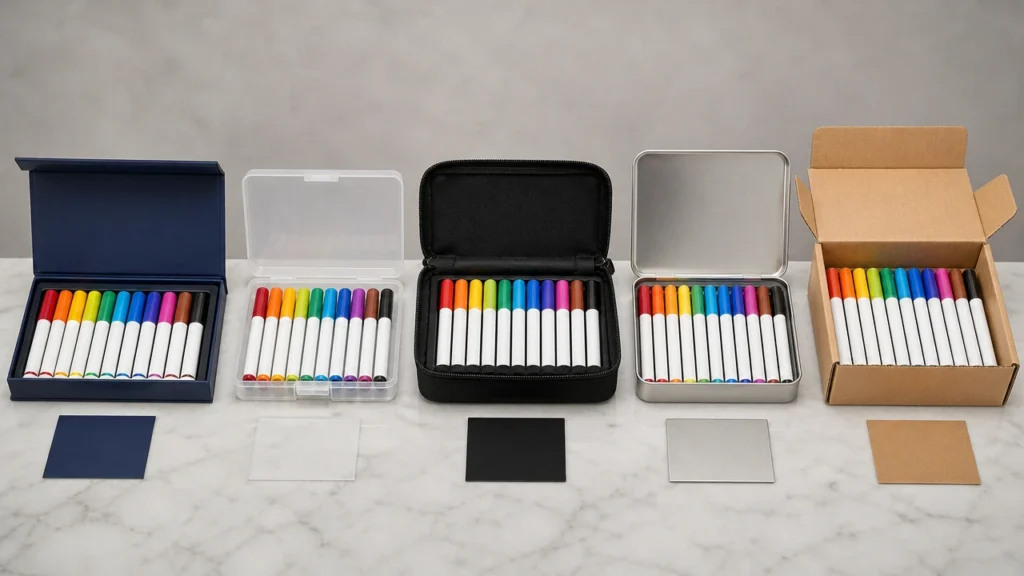
客製麥克筆組的包裝必須保護筆蓋與筆尖,同時讓組合易於檢查、儲存與銷售。.
| Embalagem | Vantagem | 主要檢查 |
|---|---|---|
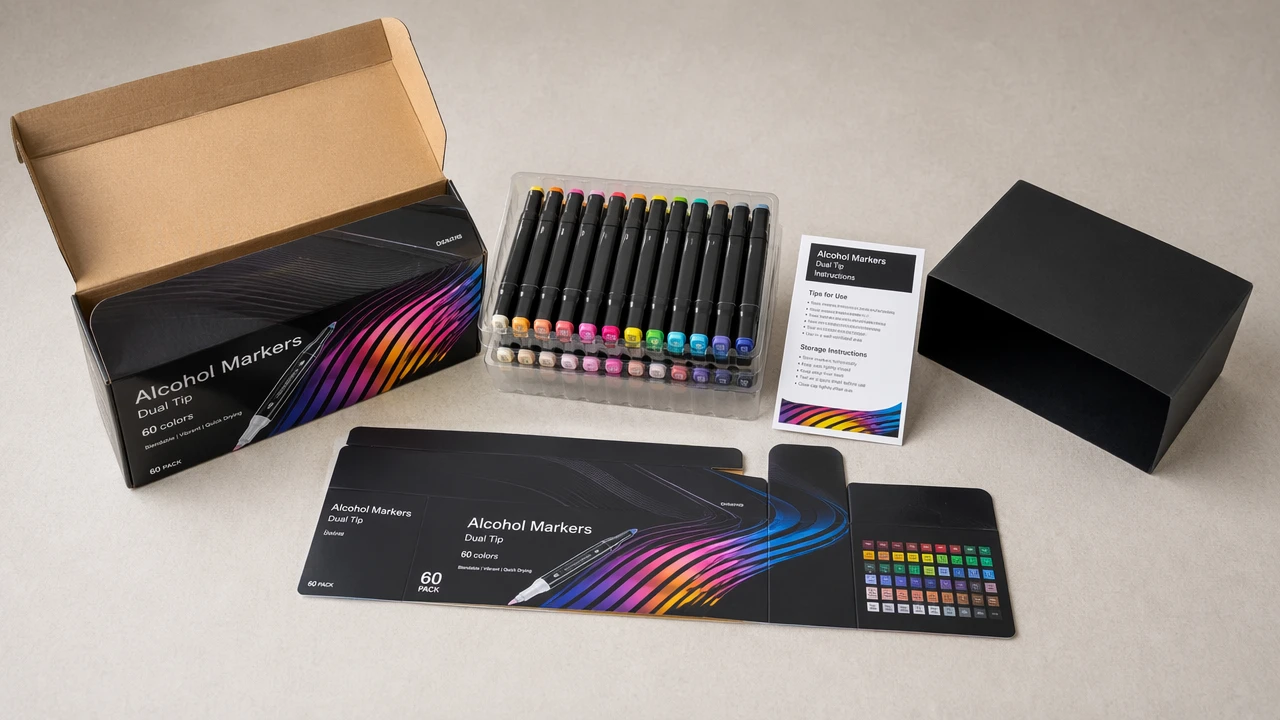
| 附托盤的折疊彩盒 | 強烈的零售敘事與有組織的組合陳列 | 托盤密合度、筆蓋保護、紙板、印刷耐磨度與取色便利性。. |
| Estojo de plástico | 可重複使用的收納與強烈展示效果 | 鉸鏈、卡扣、裂痕、重量、回收途徑與運輸保護。. |
| 拉鍊袋或布質收納包 | 便攜且具可重複使用感 | 車縫、氣味、顏色轉移、拉鍊壽命,以及重複使用宣稱是否可被支持。. |
| Caixa de lata | 送禮吸引力與耐用收納 | 抗凹陷、內襯分離、鏽蝕、磨損與運費重量。. |
| 泡殼卡 | 小型組合的產品可視性 | 分離、銳邊、防竊與包裝材料使用。. |
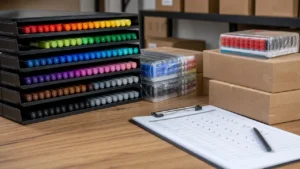
| 散裝或補充裝紙箱 | 適合學校與經銷商的高效率方案 | 顏色辨識、單品保護、紙箱數量與補貨邏輯。. |
包裝應顯示確切組合、筆尖圖示、預注方式、存放方向、適用表面、限制、警告、進口商資訊與追溯標記。在核准深托盤或過大禮盒前, opções de embalagem para marcadores acrílicos e o guia de tamanho de caixa, peso bruto e CBM 請先審查。.
什麼決定MOQ?
客製麥克筆組沒有誠實的通用MOQ。最低量來自墨水批次、塑膠零件、筆桿與筆蓋顏色、印刷、包裝加工、組裝效率與測試成本中最大的限制條件。請要求供應商指出該限制條件,而非只給一個數字。.
| 定制程度 | 典型範圍 | MOQ逻辑 |
|---|---|---|
| 輕度自有品牌 | 既有麥克筆、庫存顏色、標誌或標籤、庫存包裝 | 通常由印刷設定、標籤與成品庫存可用性驅動。. |
| 客製零售組合 | 既有麥克筆平台、指定顏色、客製筆桿印刷、客製彩盒與托盤 | 由包裝印刷最低量、組合複雜度與零件顏色可用性驅動。. |
| 深度OEM | 客製筆桿顏色、新筆尖組合、特殊墨水顏色、獨特外殼 | 由墨水批次、塑膠色母批次、零件供應商最低量與驗證驅動。. |
| 全面ODM | 新配方、新機構、客製模具、新性能宣稱 | 由模具經濟性、試產、測試與穩定量產良率驅動。. |
要求維持規格不變的價格區間。如果工廠在較高數量時更改墨水、筆桿樹脂、印刷方式、紙板、托盤厚度或品管等級,則報價不具可比性。同時詢問MOQ是適用於每個SKU、每個顏色、每個包裝設計、每個語言版本,還是每批出貨。.
在不削弱控制的前提下降低MOQ的方法
- 使用既有麥克筆平台與經驗證的墨水系統。.
- 從現有筆桿、筆蓋與筆尖顏色中選擇。.
- 使用單一包裝結構搭配不同 artwork 版本,而非為每個市場設計新結構。.
- Reduza o número de cores especiais no primeiro pedido.
- Use rótulos ou embalagens sleeves apenas para um teste piloto quando a apresentação final permanecer aceitável.
- Combine a produção com o ciclo planejado de materiais do fornecedor somente se a identidade do lote e a fórmula permanecerem controladas.
- Mantenha uma caixa master padrão e varie a embalagem de varejo dentro dela.
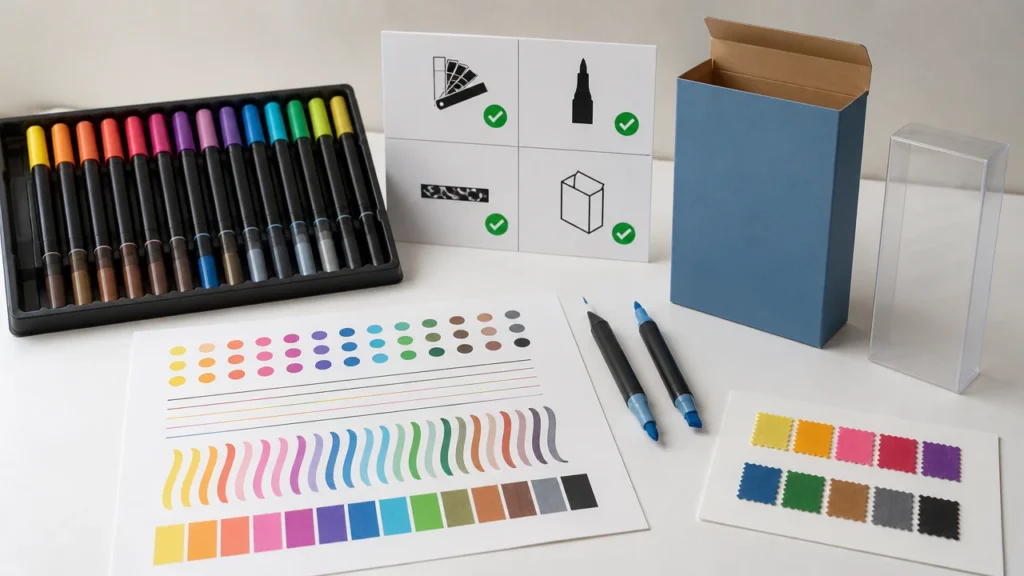
Aprovação de Amostra: Aprove o Sistema, Não um Conjunto Bonito
A quantidade mínima de pedido é de 3.000 canetas ou marcadores por SKU e por cor, ou seja, para cada modelo e cada cor. A quantidade é contada em unidades individuais, não em conjuntos.
Siga a lista de verificação de aprovação de amostras de marcadores de marca própria e assine tanto o produto quanto a embalagem. Mantenha uma amostra aprovada com o comprador e outra com a fábrica.
- Confirme o SKU, a quantidade de cores, os números das cores e a ordem do sortimento.
- Teste a primeira escrita, o fluxo, o reinício, a largura do traço, a cor, a opacidade ou mistura e a vedação da tampa.
- Verifique a impressão no corpo, a posição do logotipo, o número da cor, o código de barras, os avisos e a rastreabilidade.
- Inspecione o encaixe na bandeja, a folga da tampa, as dimensões da caixa, o inserto, o cartão de instruções e a aparência no varejo.
- Embale a amostra na caixa master pretendida e verifique a contagem, o peso, o CBM e a proteção para envio.
- Registre cada alegação aprovada com seu método de teste, substrato, tempo de secagem e limite de aceitação.
測試與合規
Para materiais de arte ao consumidor nos EUA, a orientação do CPSC explica a revisão toxicológica e a rotulagem ASTM D-4236. A orientação sobre materiais de arte da Health Canada observa que a conformidade com ASTM D-4236 não significa por si só que o produto não é tóxico. A página ativa ASTM D4236-26 descreve a rotulagem de perigo crônico.
Alinhe o plano de testes à fórmula atual, a todas as cores relevantes, ao posicionamento etário, ao uso pretendido e ao mercado de venda. Use um laboratório competente cujo escopo cubra o método; ISO/IEC 17025 explica o quadro de competência. Mantenha os testes de desempenho separados das evidências de segurança e rotulagem.
詢價檢查清單
- Tipo de marcador e sistema de tinta.
- Usuário-alvo, posicionamento etário, superfície e país de venda.
- Tamanho do conjunto, lista exata de cores, sistema de numeração e efeitos especiais.
- Tipo de ponta, largura do traço, ponta simples ou dupla e dimensões do corpo.
- Logotipo, cores de impressão, cores do corpo e da tampa, código de barras e código de rastreabilidade.
- Dieline da embalagem de varejo, bandeja ou estojo, cartão de instruções, idiomas e caixa master.
- Alegações exigidas, métodos de teste, revisão de segurança e documentos.
- Tipos de amostra solicitados, data de aprovação, faixas de quantidade de pedido e data de entrega.
- Incoterm, porto, divisão do embarque, política de substituição e cláusula de controle de alterações.
Peça ao fornecedor que devolva o RFQ com as premissas destacadas. O guia de prazo de produção de marcadores ajuda a separar o tempo de desenvolvimento de amostras, produção de componentes, impressão, embalagem, inspeção e envio.
Perguntas Frequentes
1. Qual é o MOQ para conjuntos de canetas marcadoras personalizadas?
O MOQ depende da personalização mais profunda. Um marcador de estoque com rotulagem personalizada pode ter um mínimo menor do que um conjunto com cores personalizadas, canos impressos, nova embalagem, fórmula especial ou novo molde. Pergunte pelo responsável pelo MOQ e separe os níveis por componente.
2. Quantas cores um conjunto de marcadores personalizados deve ter?
Escolha o conjunto mais reduzido que atenda plenamente ao utilizador. Os conjuntos de retalho principais costumam priorizar uma paleta equilibrada, enquanto os conjuntos de ilustração necessitam de famílias de cores e os conjuntos de marcadores de tinta necessitam de opacidade e contraste útil entre claro e escuro. Mais cores aumentam as trocas e o risco de inventário.
3. Marcadores de ponta dupla são melhores para conjuntos de OEM?
Pontas duplas oferecem mais opções de traço, mas adicionam tampas, vedações, pontos de montagem e custo. Elas são melhores apenas quando o usuário valoriza ambas as funções das pontas e a fábrica consegue controlar o reinício e a vedação das tampas em ambas as extremidades.
4. Posso usar minhas próprias cores Pantone para a tinta dos marcadores?
Pantone pode orientar a embalagem e a cor do plástico, mas a tinta em uma superfície deve ser controlada com amostras físicas, um substrato definido, método de aplicação, tempo de secagem e iluminação. Nem toda cor digital ou impressa solicitada é alcançável em todos os sistemas de tinta.
5. Qual embalagem é melhor para conjuntos de marcadores personalizados?
最佳包裝能保護筆蓋與筆尖、整理產品組合、傳達使用說明、適應銷售渠道,並採用合理的材料與運輸體積。請根據實際SKU,測試彩盒、外箱、鐵盒或散裝包裝。.
6. Quanto tempo leva para desenvolver um conjunto de marcadores personalizados?
Um projeto leve de marca própria pode ser mais rápido do que uma nova fórmula ou molde, mas o cronograma deve incluir esclarecimento de RFQ, amostras, testes, arte-final, produção de componentes, produção em massa, inspeção e envio. Aprove um plano de marcos antes de fazer o pedido.
Conclusão
Conjuntos de canetas marcadoras personalizadas bem-sucedidos começam com uma arquitetura de produto controlada. Defina o usuário, a superfície, as cores, as pontas, a tinta, o corpo, a embalagem, as alegações, os testes e a logística antes de solicitar o preço final. Em seguida, compare os fornecedores com base no mesmo briefing escrito.
Para uma cotação de OEM ou ODM, envie ao ZH Stationery o mercado-alvo, o tamanho do conjunto, a lista de cores, o formato das pontas, a referência de embalagem, os arquivos do logotipo, as necessidades de conformidade, as faixas de pedido e a data de lançamento. Um briefing preciso produz um MOQ, um plano de amostras e um cronograma de produção mais precisos.
Leitura relacionada
- Conjuntos de Marcadores de 12 vs 24 vs 36 vs 48 vs 60 Cores: Qual Deve Ser Adquirido pelos Compradores?
- Como Manter as Cores dos Marcadores Consistentes em Recompra
Referência externa: Orientação da Comissão Europeia sobre embalagens e resíduos de embalagens.